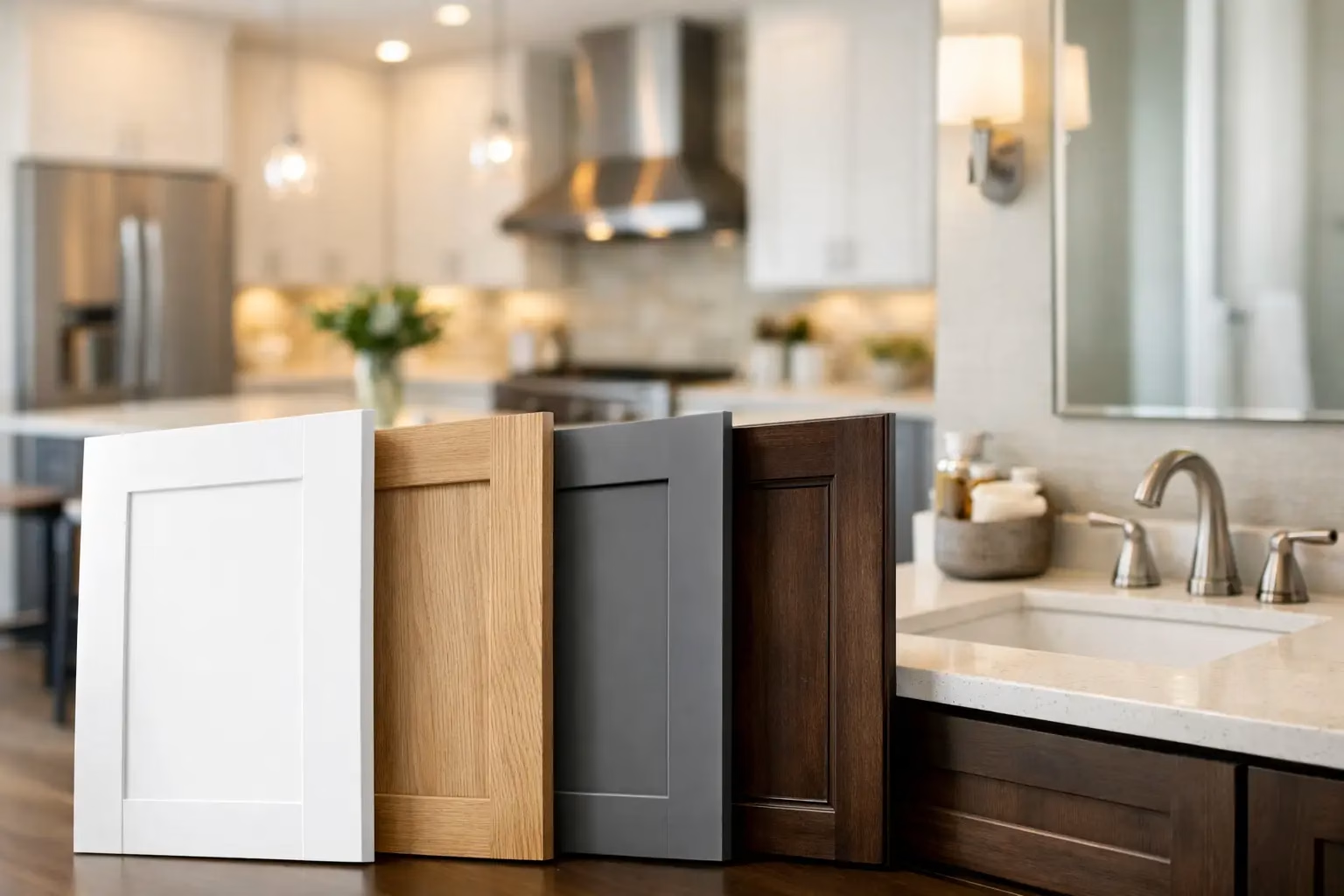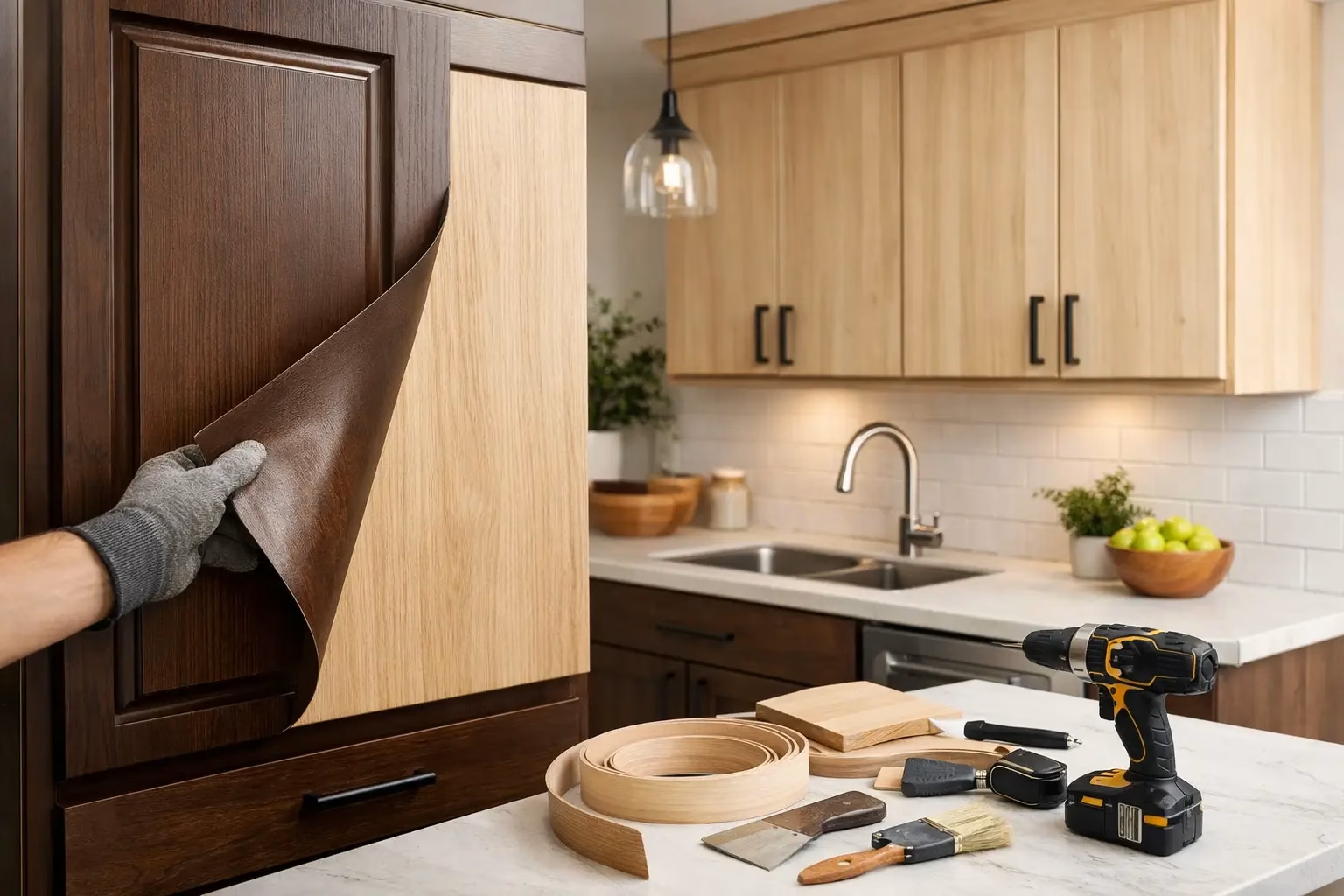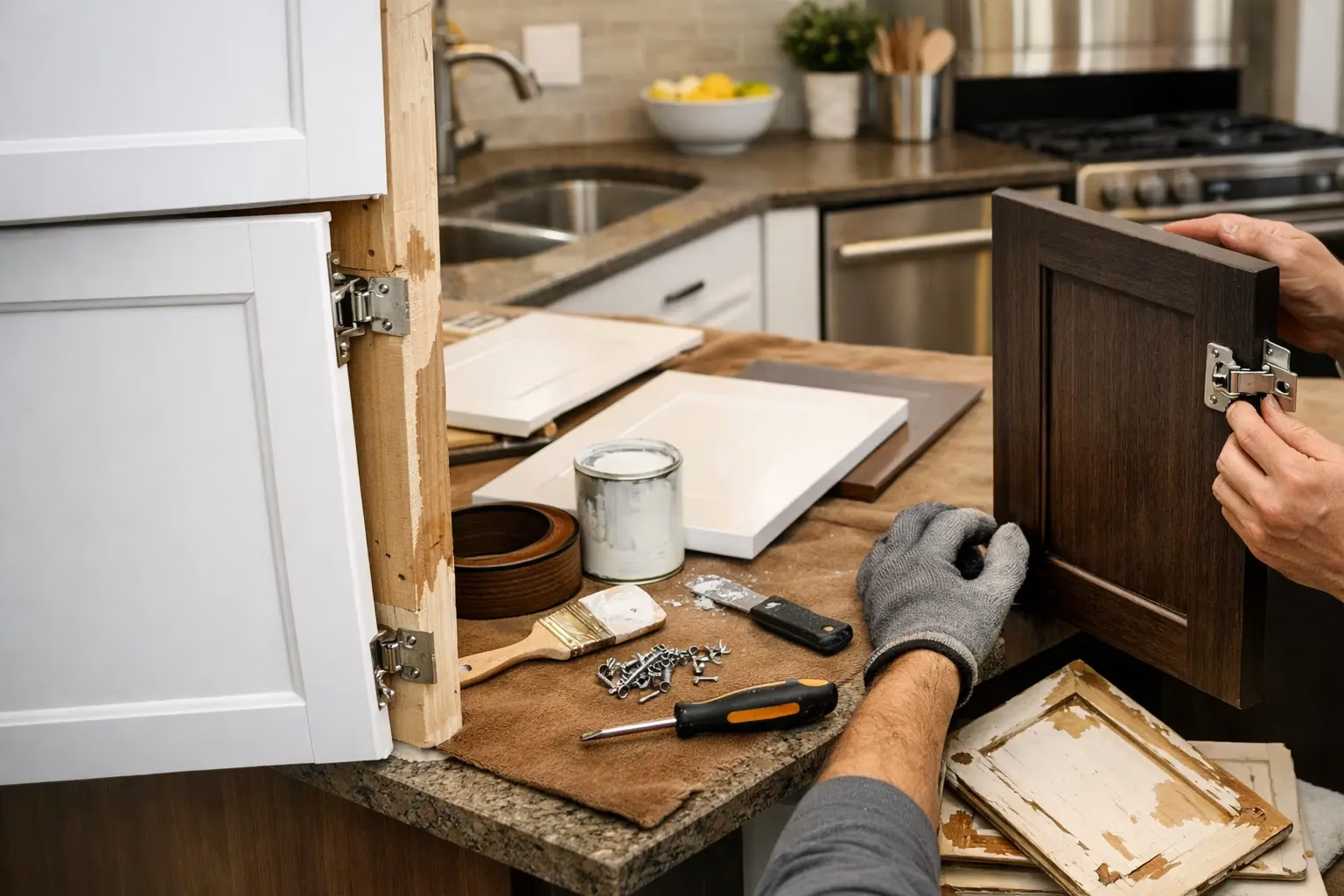

A kitchen can feel dated even when the cabinet boxes are still solid. That is why kitchen refacing color trends matter so much right now. The right door style and color can shift a room from tired to current without the cost, mess, and downtime of a full cabinet replacement.
For most homeowners, color is the biggest decision in a refacing project because it changes how the whole kitchen reads. It affects light, perceived size, resale appeal, and how premium the finished space feels. The good news is that current color trends are more flexible than the all-gray era. Homeowners are leaning warmer, more personal, and more intentional, which makes refacing a smart way to update the look without rebuilding the room from scratch.
What kitchen refacing color trends are really telling us
The biggest shift is not just about one hot shade replacing another. It is about moving away from cold, one-note kitchens and toward color choices that feel grounded, livable, and tailored to the home. That means warm neutrals are replacing stark tones in many spaces, rich colours are showing up on islands and lowers, and natural-looking wood tones are back in a serious way.
This is good news for DIY renovators because cabinet refacing gives you room to be selective. You do not have to accept stock colors in stock sizes. You can choose a finish that works with your counters, flooring, backsplash, and lighting, then order doors built to fit your existing cabinets correctly. That custom fit is what helps a color trend look polished instead of temporary.
Warm whites are replacing bright, sterile whites
White kitchens are not going away, but the version of white is changing. Bright blue-based whites can make a kitchen feel sharp or flat, especially under LED lighting. The newer direction is softer and warmer. Think creamy whites, off-whites, and light tones with a touch of beige or greige underneath.
These shades work well because they reflect light without feeling clinical. They also play more nicely with wood flooring, brass or black hardware, and warmer countertop patterns. If your kitchen has limited natural light, a warm white can still brighten the room while keeping it comfortable.
There is a trade-off, though. A very creamy white can look slightly yellow if paired with cooler backsplash tile or stark white walls. Samples matter here. What reads like a soft neutral online can shift once it is placed next to your fixed finishes.
Greige and taupe are taking over where gray used to be
For years, cool gray cabinets were the safe choice. Now many homeowners want something with more depth and less chill. That is where greige, taupe, mushroom, and other in-between neutrals are gaining traction.
These colors are practical because they bridge warm and cool elements. If you have stainless appliances, mixed metals, or a countertop that pulls several undertones, greige can tie the room together. It also tends to hide everyday dust and smudges better than flat white or very dark colors.
This is one of the strongest kitchen refacing color trends for homeowners who want longevity. A well-chosen greige does not scream trend, but it still feels current. It is especially effective on Shaker-style doors, where the simple profile lets the color do the work.
Deep green has become a standout cabinet color
Green has moved from accent color to main character. Deep olive, forest, and muted sage tones are showing up on full kitchens, not just islands. The appeal is easy to understand. Green adds richness without feeling as heavy as black, and it brings a natural, grounded look that pairs well with wood, stone, and brushed metal finishes.
In refacing projects, green is often strongest on lower cabinets or paired with a lighter upper color. That combination keeps the room open while still adding contrast. In larger kitchens with good light, an all-over green can look custom and high-end.
Still, green is not one-size-fits-all. A dark green in a kitchen with poor lighting may feel too dense, especially with heavy door styles. If you want the color but are unsure about committing fully, using it on the island or lowers first is a smart middle ground.
Blue is getting softer and more muted
Navy had a long run, and it still has a place, but the trend is shifting toward more softened blues. Dusty blue, blue-gray, and muted slate tones feel calmer and easier to live with than highly saturated shades.
These colors work especially well in transitional kitchens where you want some personality without overpowering the space. They also complement white counters, light quartz patterns, and chrome or brushed nickel hardware.
If your kitchen opens into the main living area, a muted blue can be easier to coordinate with surrounding rooms than a bold jewel tone. That matters in open floor plans, where cabinet color affects more than just the kitchen.
Natural wood looks are back, but cleaner than before
One of the most important trends in cabinet design is the return of wood tones. This does not mean orange oak from decades past. The newer look is cleaner, lighter, and more refined. White oak-inspired tones, natural-looking finishes, and medium wood colors with visible grain are coming back because they add texture and warmth that painted cabinets sometimes lack.
For many homeowners, wood-grain doors are the answer to trend fatigue. They feel current, but they also feel timeless. They can lean modern, Scandinavian, transitional, or even rustic depending on the door profile and the surrounding materials.
This approach works particularly well if you want your kitchen to feel less manufactured. It also helps soften hard surfaces like stone counters and tile backsplashes. If your home already has natural wood beams, flooring, or built-ins, refacing with a complementary wood tone can make the entire house feel more cohesive.
Two-tone kitchens are staying, but the contrast is smarter
Two-tone kitchens are still popular, but the combinations are becoming more balanced. Instead of sharp black-and-white contrast, homeowners are choosing pairings that feel layered and intentional. Warm white uppers with taupe lowers, light wood uppers with green lowers, or a solid color perimeter with a wood island all feel updated without trying too hard.
This is one of the most useful options in a refacing project because it lets you solve visual problems. Dark lowers can anchor the room and hide wear. Lighter uppers can keep the kitchen feeling open. An island in a different color can create a focal point without forcing the whole room into a bold finish.
The key is restraint. Too many colors or too much contrast can make a kitchen feel chopped up. Usually, two finishes are enough.
How to choose a trend that will still look good in five years
Start with what is not changing. Your flooring, countertops, backsplash, and wall color will have a huge effect on how a cabinet finish looks. A trend only works if it fits the fixed elements already in the room.
Next, think about the amount of light in your kitchen. Dark cabinet colors can look dramatic and beautiful, but they need enough light to show their depth. Soft neutrals and natural wood tones are generally more forgiving in smaller or darker kitchens.
Door style matters too. A modern slab door in deep taupe gives a very different result than the same color on a detailed raised-panel profile. If you want a more timeless result, simpler door styles usually leave more room for color to shine.
And be honest about maintenance. Very dark finishes can show dust, fingerprints, and scratches more readily. Very light finishes can show spills and wear around handles. There is no perfect answer, but there is usually a best fit for how your household actually lives.
Why custom sizing makes color choices look better
Even the best cabinet color can fall short if the finished project does not fit correctly. Gaps, uneven reveals, and poorly matched replacement pieces make a kitchen look patched together. Precision matters because color draws attention to form. When the lines are clean, the finish looks more expensive.
That is where made-to-order cabinet doors make a difference. With custom sizing, you are not forcing your kitchen to work around stock options. You are choosing the style and color you want, then building around the exact measurements of your existing cabinet boxes. For DIY homeowners, that can be the difference between a project that looks homemade and one that looks professionally finished.
If you are comparing refacing to full replacement, this is also where the value becomes clear. You can follow current kitchen refacing color trends, get a tailored fit, and transform the room without paying for a complete tear-out.
The best color trend is the one that makes your kitchen feel intentional every time you walk in. Choose the finish that fits your home, your light, and your long-term taste, and your refacing project will feel current long after the trend cycle moves on.