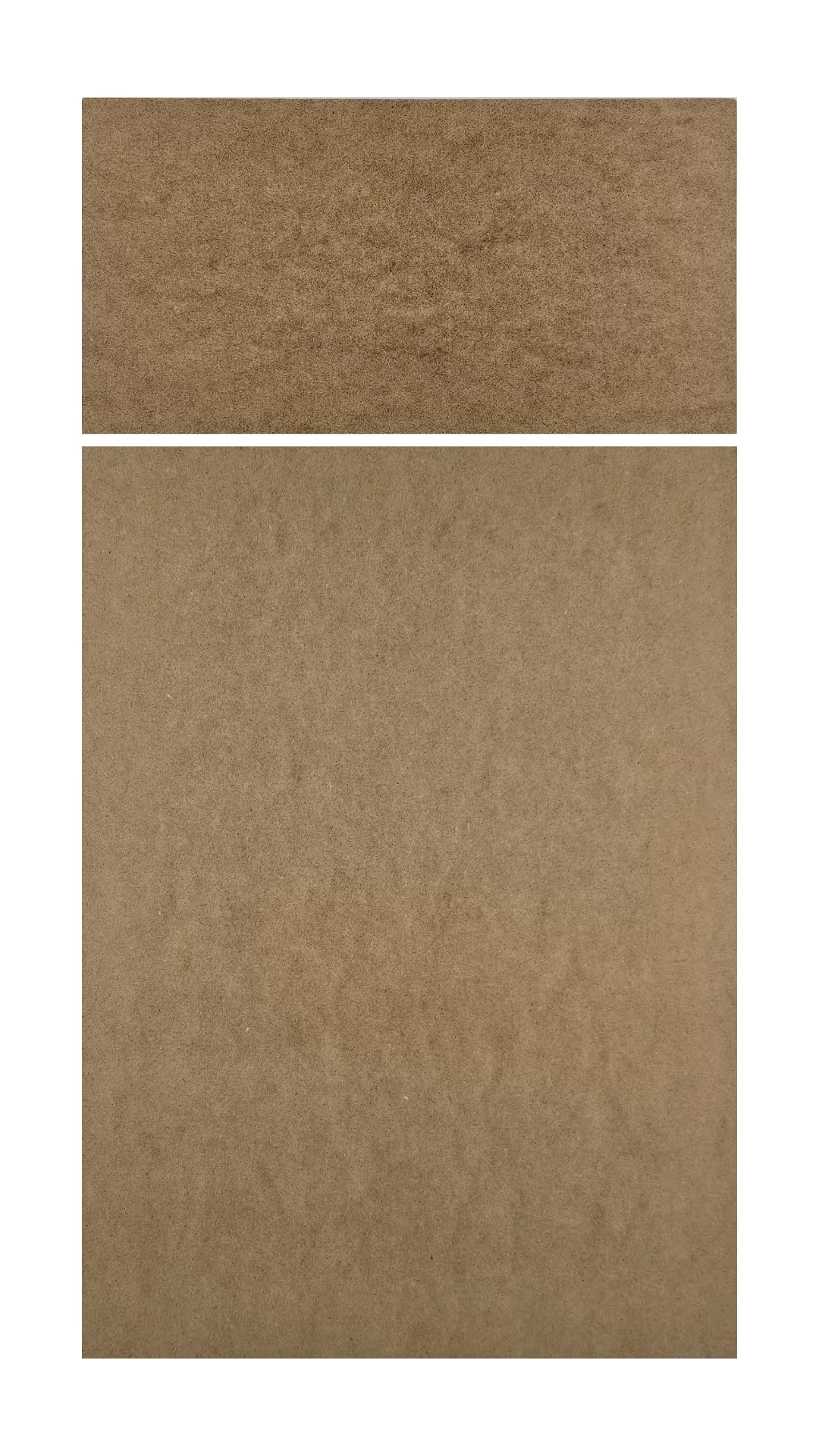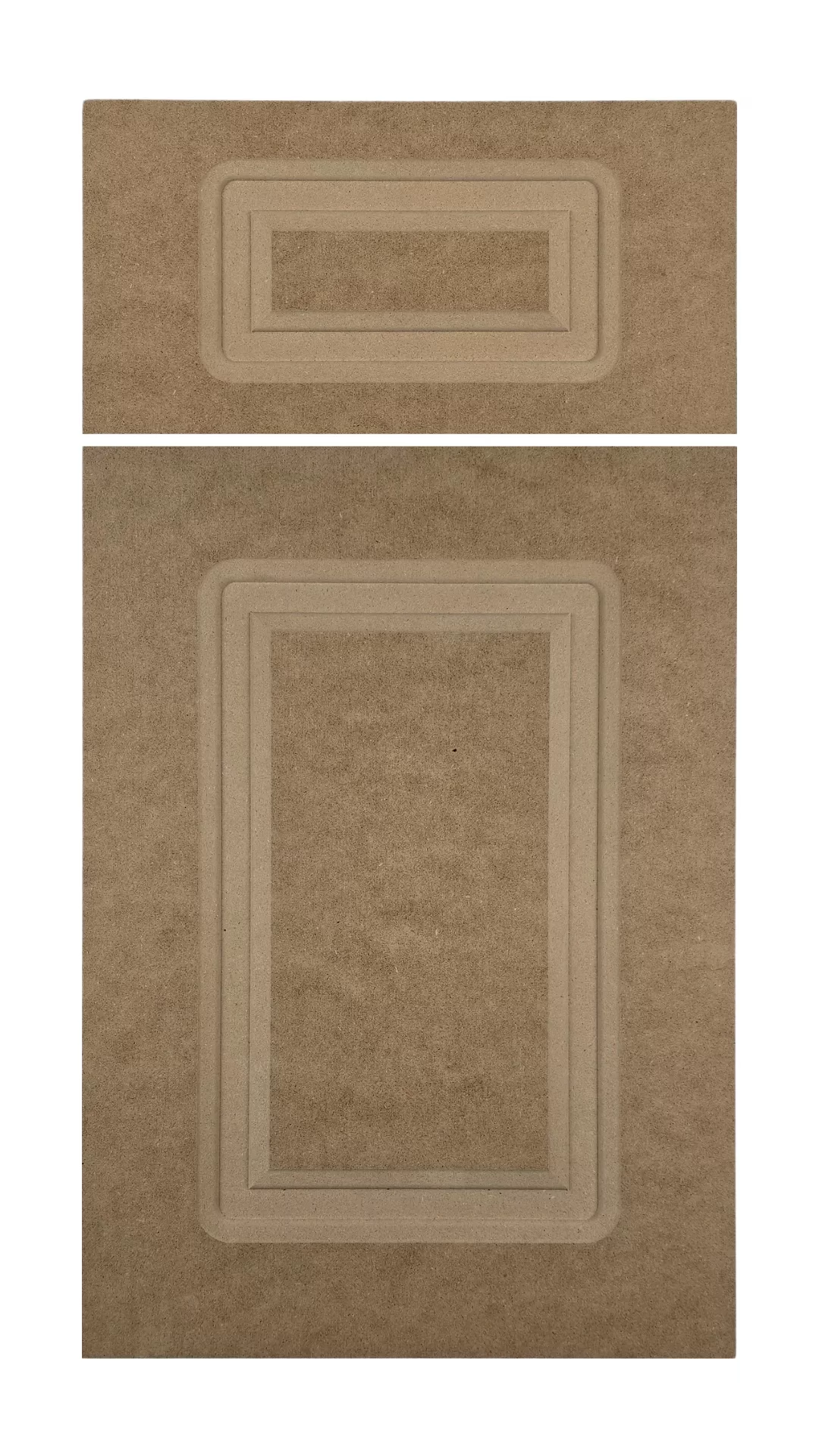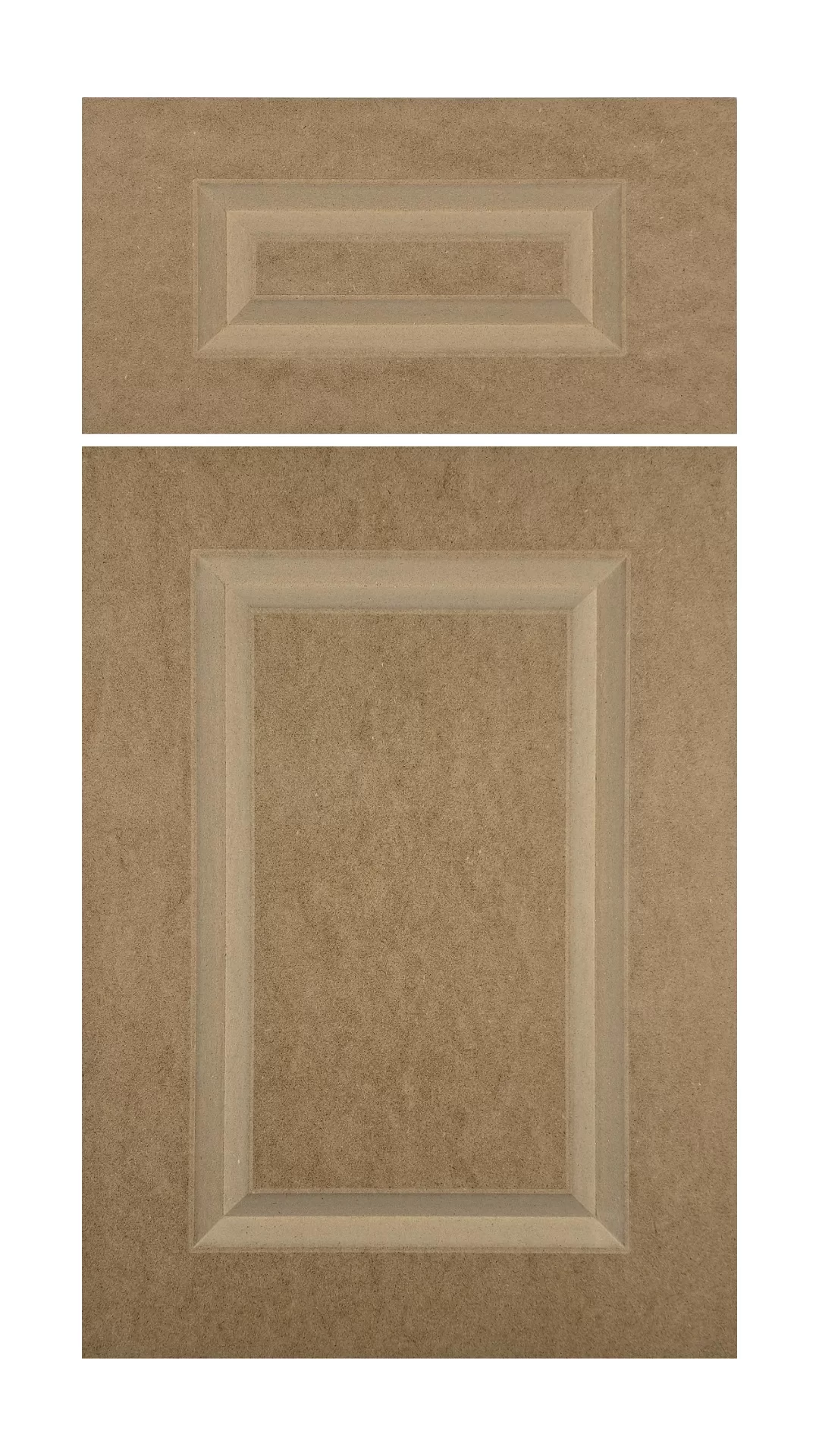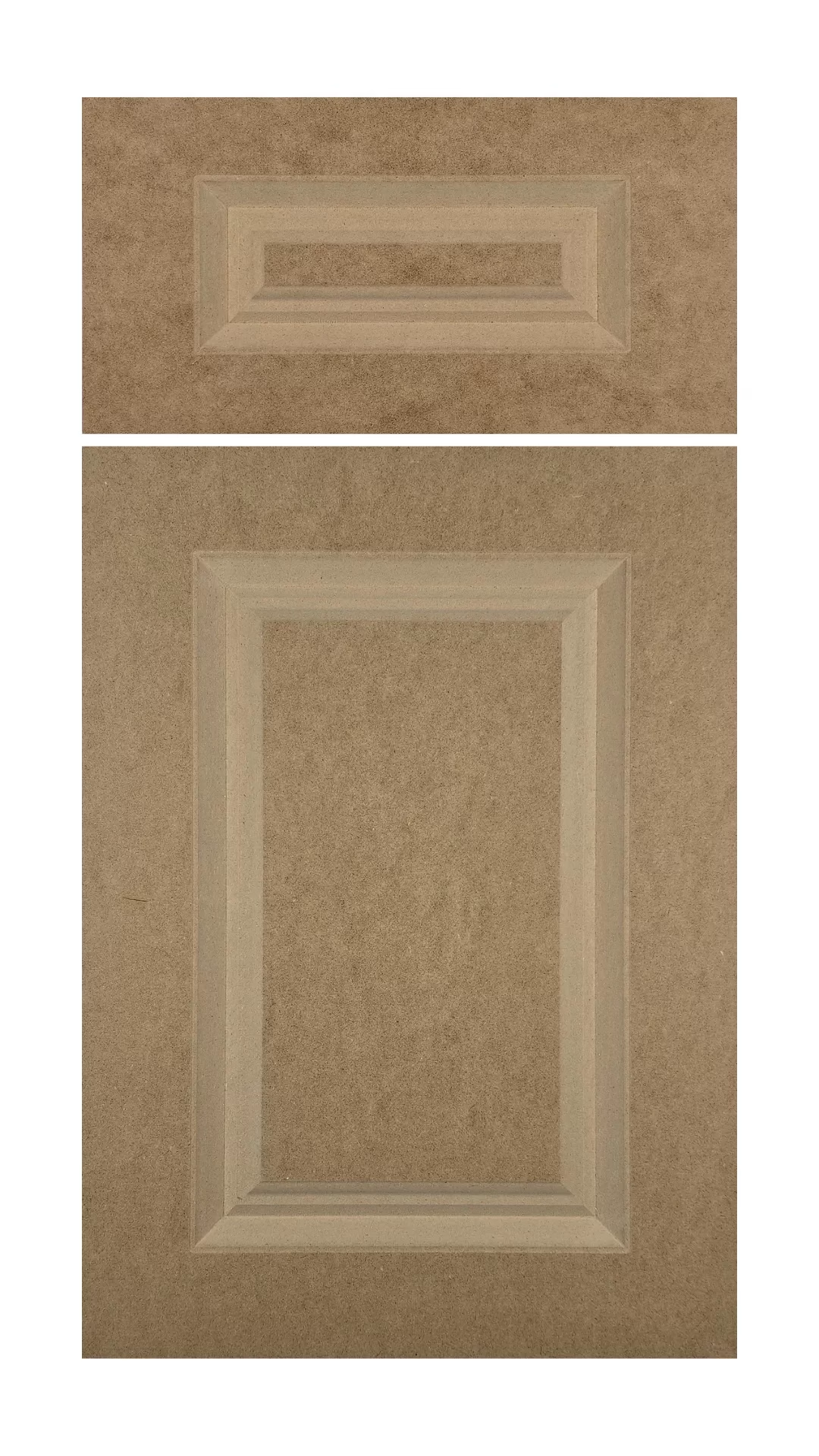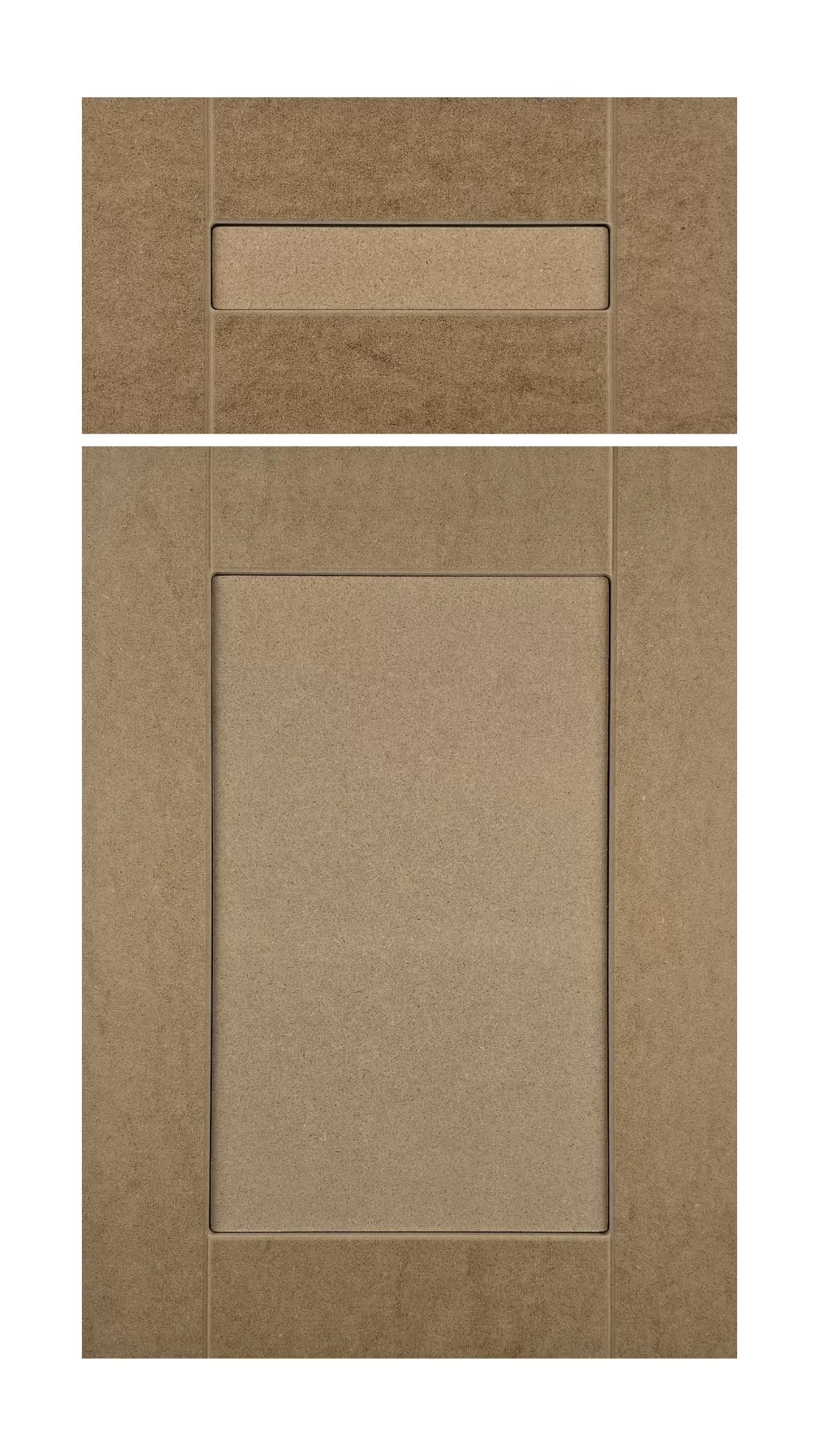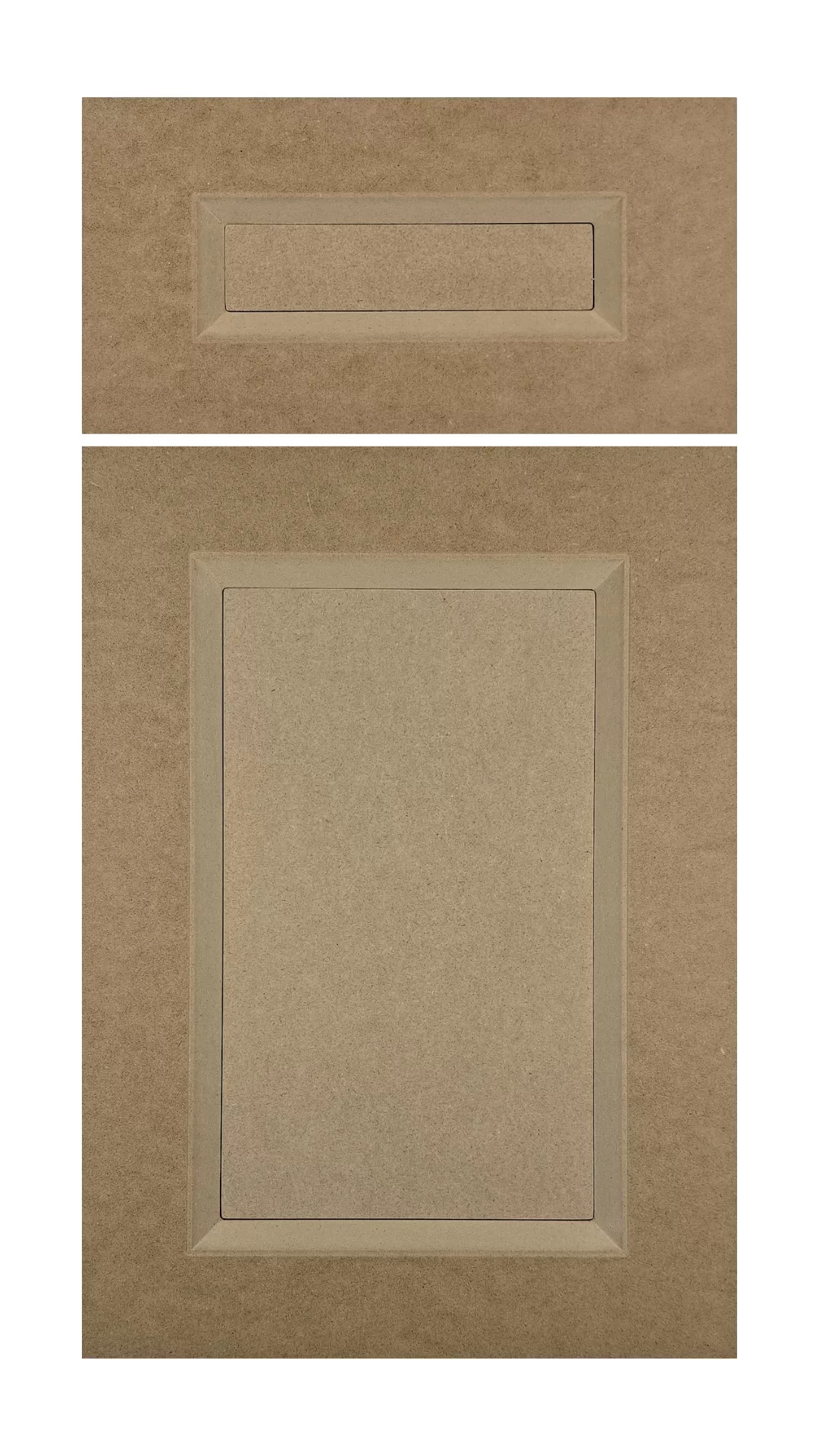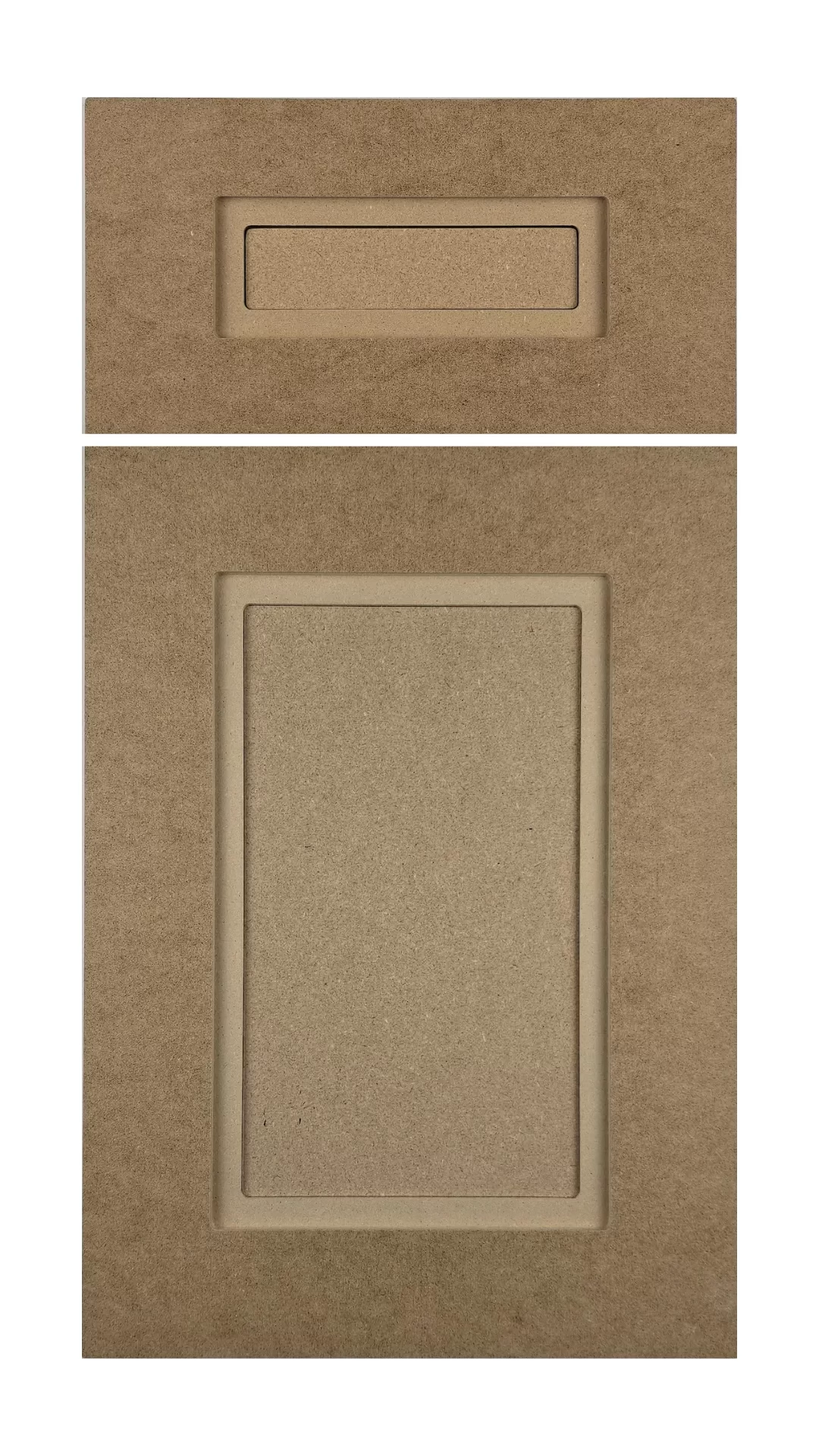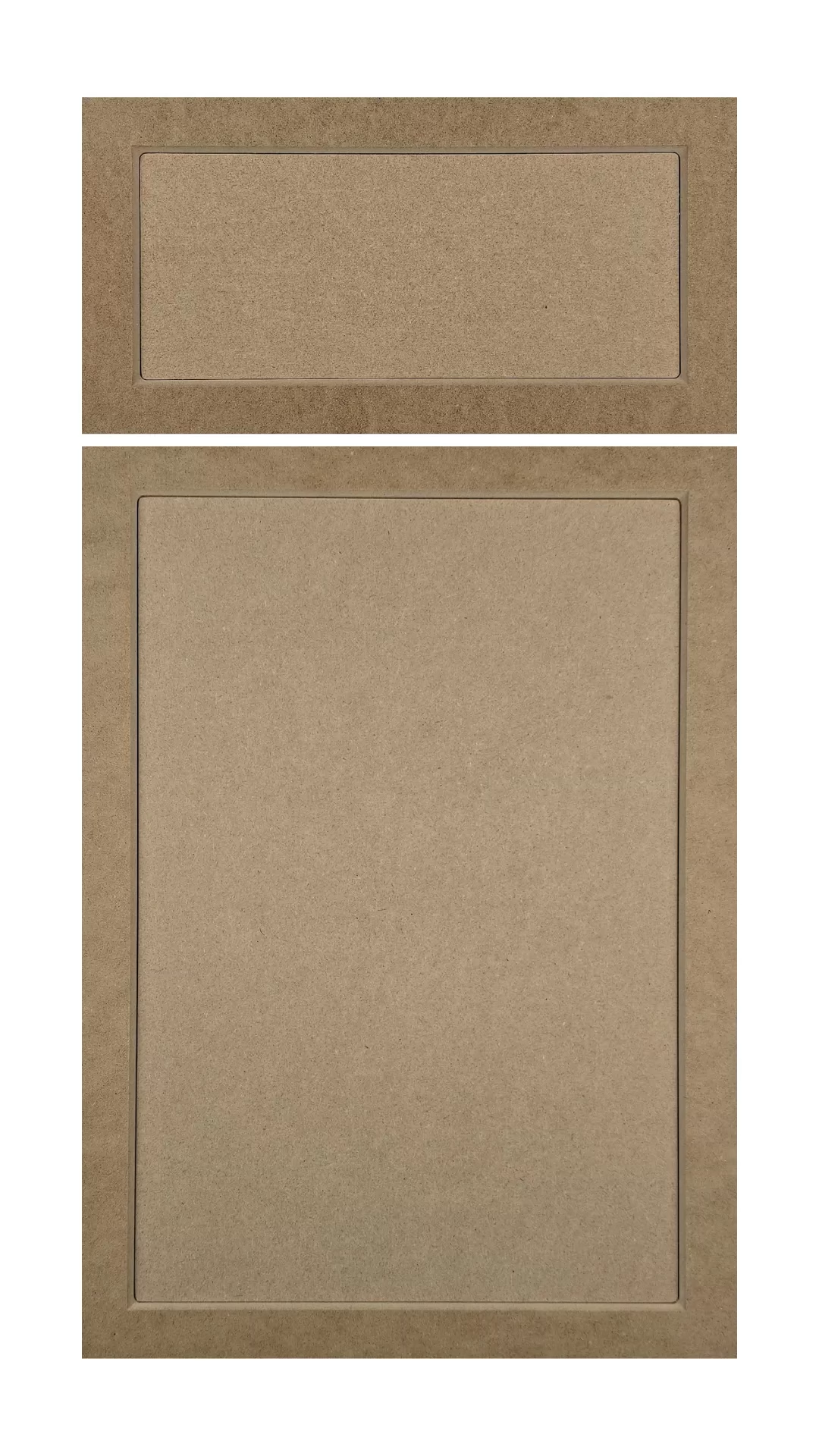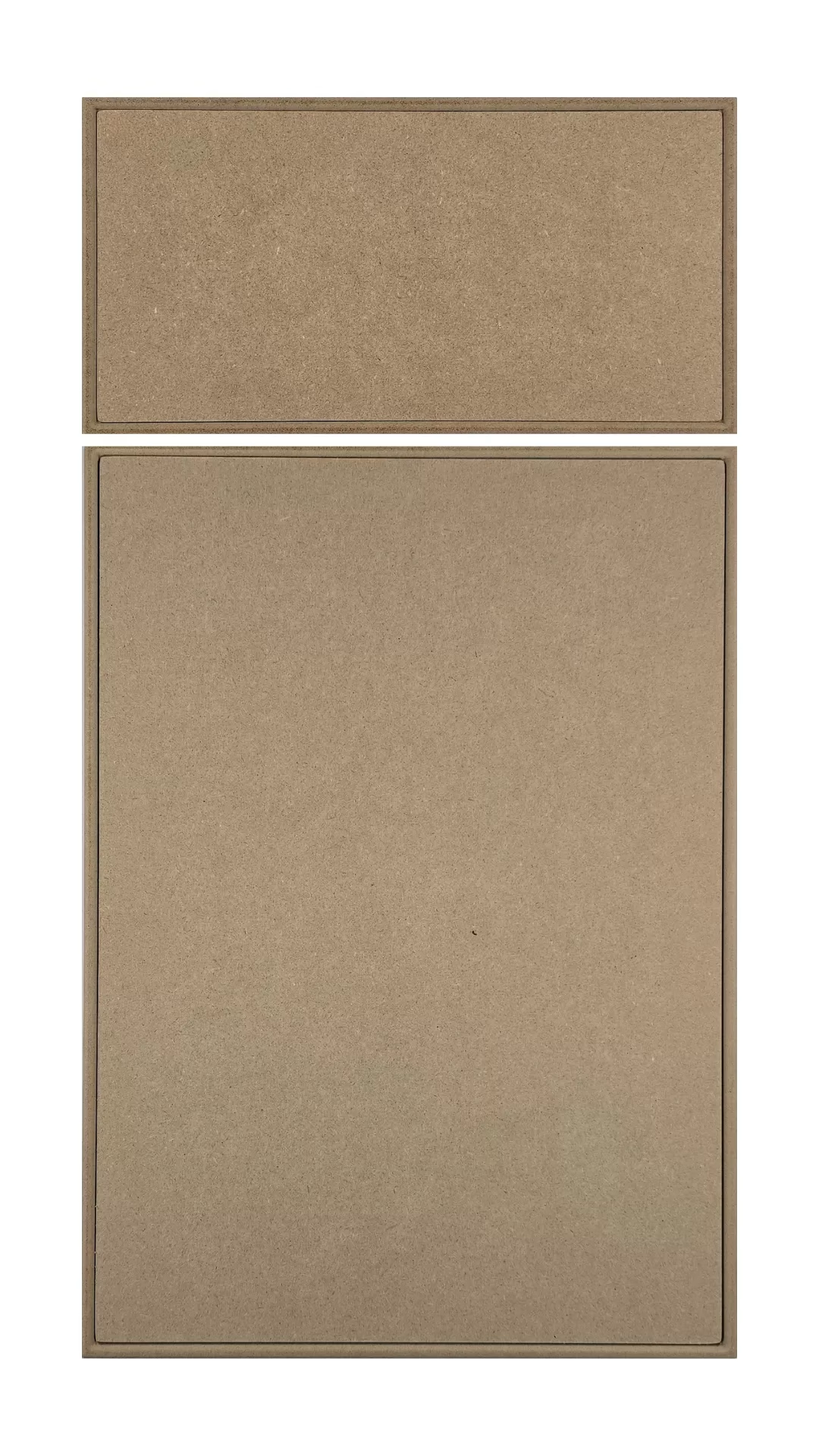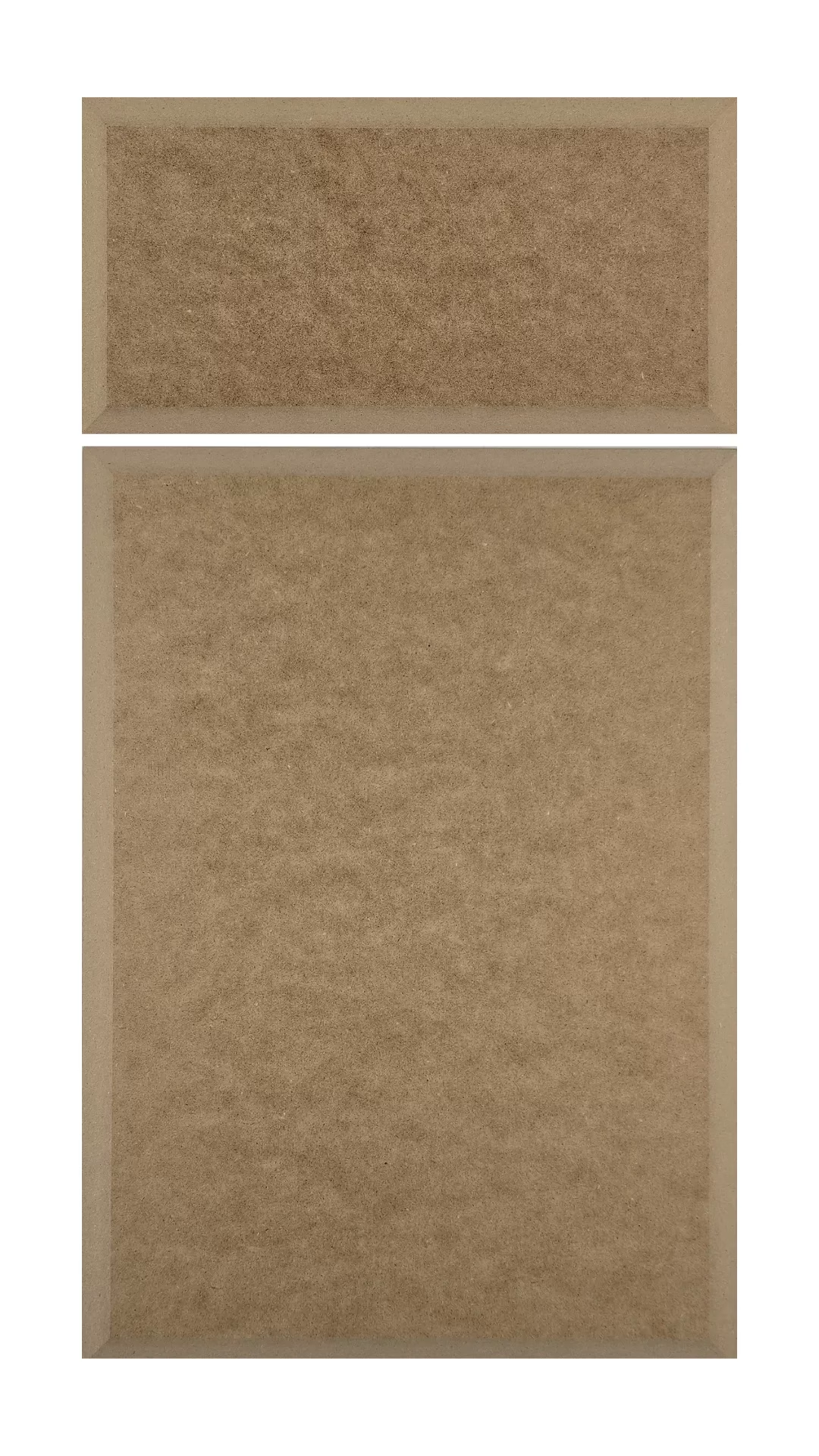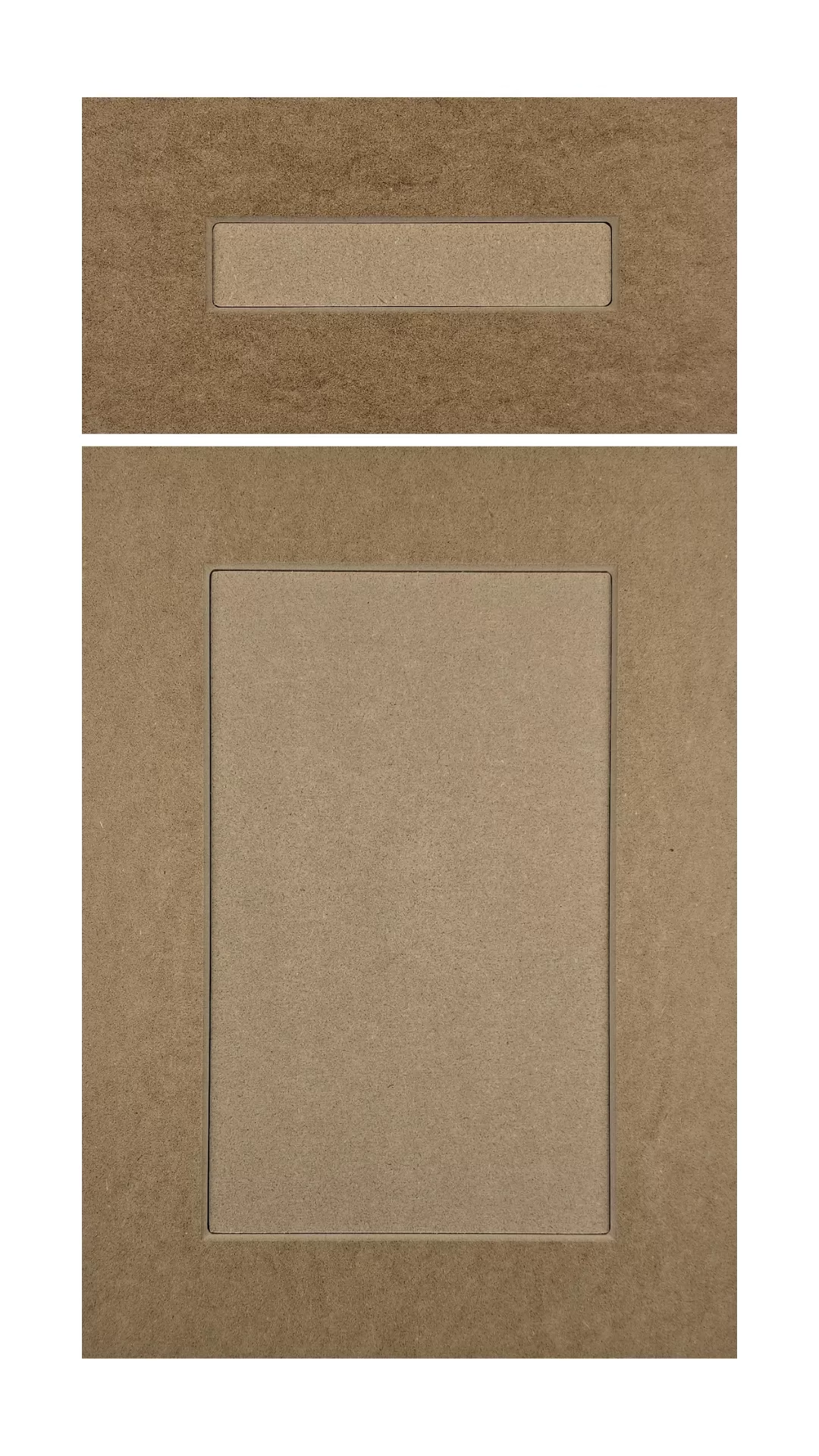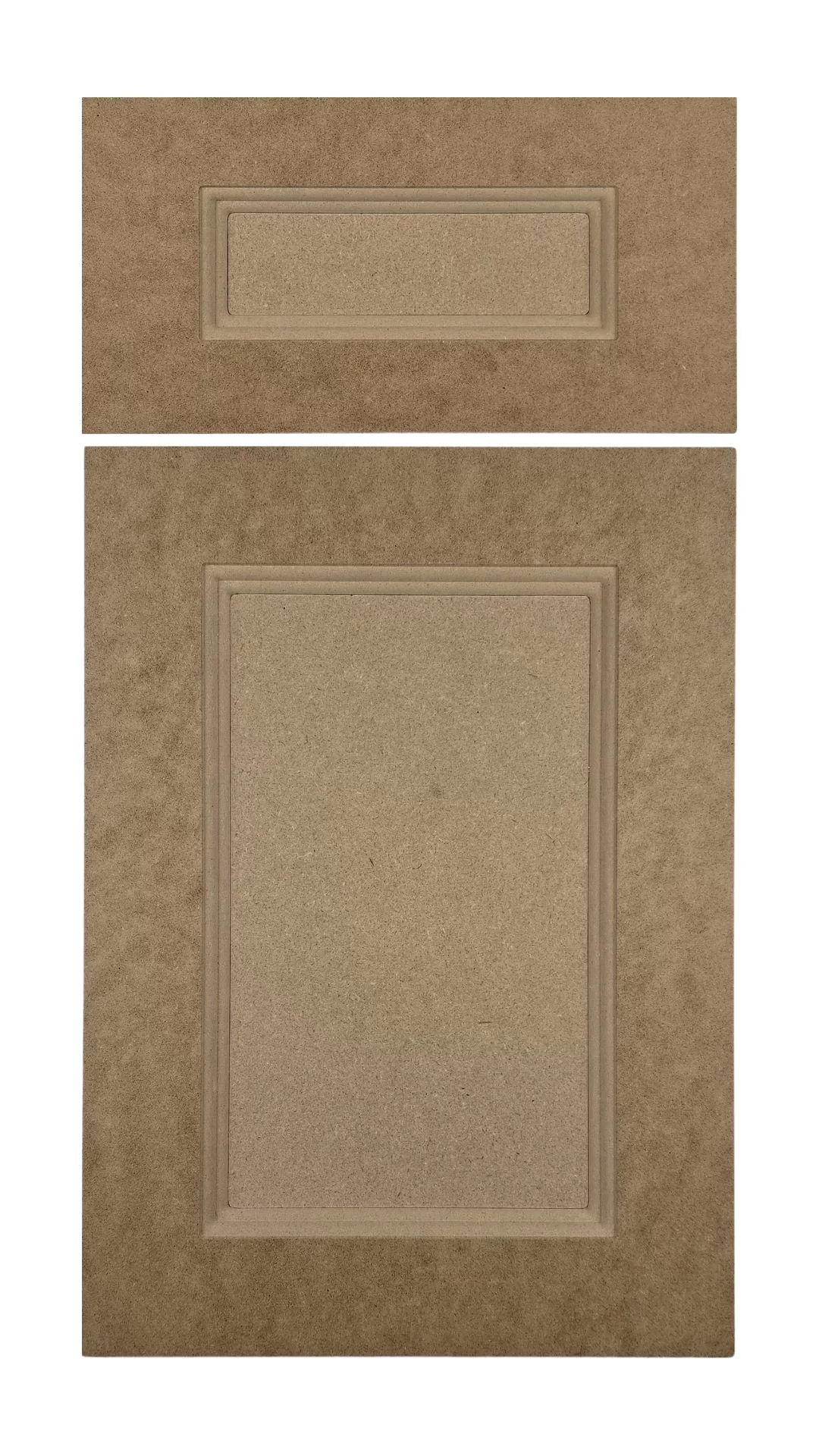
Refacing is usually the greener choice when your cabinet boxes are structurally sound, since it keeps existing wood and hardware out of the landfill instead of scrapping the whole system. The catch is that “eco-friendly refacing” only holds up if you pair it with low-VOC finishes and responsibly sourced materials. Skip that step and you’re just doing a cosmetic swap with a green label attached.
TL;DR:
- Eco-friendly refacing significantly reduces landfill waste and carbon emissions by keeping original cabinet boxes and sourcing sustainable materials like reclaimed wood or FSC-certified veneers.
- Choosing low-VOC finishes and requesting certification documentation helps prevent greenwashing and ensures environmental and health benefits in your kitchen upgrade.
- Custom ordering and precise measurements minimize material waste and mismatched fits, prolonging cabinet lifespan and optimizing overall sustainability.
- Full structural repairs or significant layout changes mean refacing is not the greener choice, as they require complete cabinet replacement.
- Prioritizing durable, low-toxicity materials and working with certified suppliers maximizes eco gains and avoids recycling or redoing projects due to poor finish quality.
Table of Contents
- Why Eco-Friendly Refacing Cuts Environmental Impact
- Sustainable Materials And Finishes For A Green Reface
- Realistic Budgets And Timelines For A Green Reface
- When Refacing Isn’t The Greener Choice
- How To Choose Materials, Finishes, And A Supplier
- DIY Refacing Versus Hiring A Professional
- What Actually Determines Whether A Reface Is Sustainable
- Order Custom Doors Built To Reduce Waste, Not Add To It
- Sources
- FAQ
Why Eco-Friendly Refacing Cuts Environmental Impact
The math on cabinet waste is straightforward. A full replacement tears out the boxes, the doors, the drawer fronts, and often the surrounding trim, sending all of it to a landfill or a burn pile. Refacing keeps the cabinet boxes in place and touches only what actually shows wear: doors, drawer fronts, and exposed panels. That single decision conserves materials and cuts demolition waste that a full teardown would otherwise generate.
The carbon savings run deeper than the landfill math suggests. Producing new cabinet boxes means harvesting, milling, and shipping fresh timber, and wood harvesting for new products carries carbon costs that most renovation guides overlook. Refacing sidesteps most of that supply chain because the box, the largest material mass in any cabinet run, never gets replaced.
There’s also the air you breathe during and after the project. Cabinet finishes have historically been a major source of indoor volatile organic compounds, and peer-reviewed research links emissions from building materials to measurable indoor air quality risks. Choosing low-VOC finishes during a reface addresses this directly rather than leaving it to chance.
What refacing actually saves, compared to full replacement:
- Cabinet box materials, which represent the bulk of a kitchen’s total wood volume
- Transportation emissions tied to shipping new, bulky cabinet units
- Landfill volume from torn-out boxes, shelving, and old hardware
- Production energy for milling, laminating, and finishing entirely new units
A quick fact worth remembering: refacing also extends the usable life of your existing cabinets, which delays the next full replacement cycle by years and spreads the embodied carbon of the original build over a longer service life.
Sustainable Materials And Finishes For A Green Reface
Not every “eco” door is equal, and the material you pick for your new fronts matters as much as the decision to reface at all. Reclaimed wood is the strongest option on paper: it carries zero new-harvest carbon and often has more character than fresh stock. Bamboo grows fast and regenerates quickly, making it a solid renewable alternative for a modern look. FSC-certified veneers guarantee the wood came from a managed forest rather than an unregulated clear-cut, and low-formaldehyde engineered boards (look for CARB2 or TSCA Title VI compliance) reduce off-gassing without sacrificing durability. PVC-free thermofoil options are worth asking about too, since some manufacturers have moved away from PVC substrates entirely.
Finish selection deserves equal attention. Water-based paints and low-VOC polyurethanes have closed most of the performance gap with solvent-based products, and natural oil finishes work well on reclaimed or bamboo doors where you want the grain to show. Look for GREENGUARD certification or a Declare label on any finish you’re considering, since both require third-party verification of chemical content rather than a manufacturer’s self-reported claim.

A detailed guide to refacing materials can help you compare durability and sourcing before you commit to a door style.
Verifying supplier claims takes a few extra minutes but protects you from greenwashing:
- Ask for the safety data sheet (SDS) on any finish, not just a marketing brochure
- Request actual VOC test results in grams per liter, not a vague “low-VOC” label
- Confirm FSC chain-of-custody documentation if reclaimed or certified wood is part of the pitch
- Choose durable hardware (solid brass or stainless steel hinges) that won’t need replacing in five years
Pro Tip: Order a physical sample door before committing to a full order. A swatch on a screen never shows you how a finish actually reflects kitchen lighting, and a bad finish match is one of the most common reasons homeowners end up redoing a reface within a few years.
Realistic Budgets And Timelines For A Green Reface
Cost and schedule shift once you start prioritizing sustainable materials, and it helps to know where the money actually goes before you request quotes. Door style and sizing custom work drive most of the price, followed by finish type, hardware upgrades, and labor for installation. Reclaimed wood and FSC-certified veneers typically cost more than standard MDF fronts, but they also last longer, which offsets some of that premium over a decade of use.
A typical eco-friendly refacing project follows three phases:
- Measure and design. You or your contractor take precise cabinet measurements and select door style, wood species, and finish. This phase also includes ordering sample doors if you haven’t already.
- Production. Custom doors get built to your exact specifications. Reclaimed or FSC-certified materials sometimes add a few days to standard lead times because sourcing is more selective.
- Installation. A professional installer or a confident DIYer swaps out doors, drawer fronts, and hardware while the cabinet boxes stay in place throughout.
Scheduling all your doors in a single production run, rather than ordering in batches as you change your mind, reduces both cost and material waste. Reviewing how refacing costs compare to full replacement before you start gives you a clearer budget baseline, and understanding why refacing tends to save money overall helps you decide where it makes sense to spend more on greener materials.
When Refacing Isn’t The Greener Choice
Refacing has real limits, and pretending otherwise does readers a disservice. If your cabinet boxes have water damage, rot, or serious warping, no amount of new doors fixes the underlying structure, and you’ll likely be back to square one within a couple of years. Some finish choices age poorly too, chipping or yellowing faster than expected and triggering another resurfacing cycle sooner than a full replacement would have required.
Situations where a full rebuild may be the more sustainable long-term call:
- Cabinet boxes show water damage, mold, or structural warping beyond cosmetic repair
- You’re already replacing plumbing or electrical behind the cabinets, making box removal unavoidable
- The existing layout no longer fits your kitchen’s function, requiring new box dimensions anyway
Weighing refacing against a full remodel before you commit helps you avoid sinking money into doors that will outlast a failing box.
How To Choose Materials, Finishes, And A Supplier
Picking the right supplier is where most eco-friendly refacing projects succeed or fall apart, and a short checklist keeps you from relying on vague marketing language.
- Ask for certification documentation upfront. Request FSC chain-of-custody paperwork for wood products and GREENGUARD or Declare label verification for finishes, not just a claim on the product page.
- Request VOC data in writing. A supplier who can’t produce a safety data sheet or lab-tested VOC figures on request probably hasn’t tested for it.
- Ask about the waste plan. A contractor who reuses drop-offs, recycles old hardware, or donates removed doors is operating with sustainability in mind beyond the sales pitch.
- Confirm warranty terms. Durable materials should carry a warranty that reflects their expected lifespan; a short warranty on an “eco” product is a red flag.
- Get a sample before ordering. Reputable suppliers offer sample doors or swatches so you can verify finish quality and color before a full production run.
Following NAHB’s sustainable remodeling best practices around resource-efficient, regionally sourced materials gives you a framework that applies directly to cabinet refacing, even though the guidance was written for renovation more broadly.
Pro Tip: If a supplier’s product page uses the word “eco-friendly” without linking to a certification or test result, ask directly which standard they’re referencing. A supplier confident in their sourcing will have an answer ready; one that’s greenwashing usually won’t.
Prioritize durability and low toxicity over anything that just sounds green. A durable, low-VOC material combination typically wins the lifecycle comparison against a trendier option that needs replacing again in three years.
DIY Refacing Versus Hiring A Professional
DIY refacing works well when your cabinet boxes are square, your finish choice is straightforward, and you’re comfortable with careful measuring. Prepping surfaces properly, using low-VOC primers and paints, and salvaging old hardware for reuse or donation all keep a DIY reface genuinely sustainable rather than just cheaper.
Hiring a professional makes more sense once the project involves structural repairs, complex finishes like catalyzed lacquer, or doors that need precise custom sizing across an irregular kitchen layout. Rework from a misfit door is one of the most common sources of wasted material in refacing projects, and it’s largely preventable.
This is where precise measurement tools matter more than they get credit for. Tdm-thedoormaker’s online configurator measures doors to 1/10,000 inch accuracy, which means fewer reorders and less scrap wood compared to buying generic stock-sized doors and trimming them to fit on-site.
A few signals that point toward hiring out:
- Your cabinet openings are noticeably out of square or vary in size across the run
- You want a catalyzed or sprayed finish that requires ventilation equipment you don’t have
- You’re ordering more than a handful of doors and want to avoid measurement errors compounding
If your project fits the DIY profile, a step-by-step DIY refacing guide walks through prep and installation in more detail.
What Actually Determines Whether A Reface Is Sustainable

Most articles on this topic treat “eco-friendly refacing” as a fixed category, as if the act of refacing alone earns the label. It doesn’t. The environmental benefit comes entirely from the choices layered on top: the materials you specify, the finish chemistry you accept, and whether the supplier can actually document their sourcing claims instead of just printing “sustainable” on a swatch card.
The homeowners who get the best results treat refacing as a materials decision first and a cost decision second. They ask for the SDS. They request a sample door before committing to a full run. They measure twice because a scrapped door is wasted wood, wasted finish, and wasted shipping, regardless of how “green” the original material was. Tdm-thedoormaker’s measure, design, and order workflow reflects that same discipline: precise sizing up front means fewer reorders, and a sample and swatch policy means fewer surprises after installation. Competitive pricing against larger retailers doesn’t hurt the sustainability case either, since a budget-friendly reface is one more homeowner who didn’t default to a full teardown.
— David
Order Custom Doors Built To Reduce Waste, Not Add To It
Tdm-thedoormaker is the direct route to a reface that skips the guesswork of stock sizing and generic finish options. Because every door is custom measured through the online configurator, you avoid the trimming, returns, and mismatched fits that generate scrap wood on a typical stock-door project. That precision is the real cost and waste advantage over buying pre-sized doors from a big-box retailer and modifying them at home.

You can start by ordering a sample door in the finish you’re considering, which lets you check color and texture against your actual kitchen lighting before committing to a full run. Low-VOC finish options are available across the catalog, and the step-by-step guide to buying custom cabinet doors online walks you through measuring, designing, and ordering in the same three phases outlined earlier in this article. If you’re ready to see real pricing for your kitchen, that page is the fastest way to get a firm number.
Sources
The environmental and health claims in this article draw on research linking indoor air quality to building material emissions, analysis of carbon costs tied to new timber harvesting, and industry guidance on sustainable remodeling material priorities. For broader renovation budgeting, see this guide to cost-effective home renovation strategies, and for door selection beyond cabinetry, this guide to choosing pantry doors covers related decision factors.
- PMC article on indoor air quality and building materials — NCBI
- Wood harvests’ overlooked carbon costs — WRI
- Sustainable Home Remodeling Options: The Complete 2026 Guide
- Cabinet Refacing: A Green and Sustainable Kitchen Upgrade – Kitchen Solvers
FAQ
What Are The Downsides Of Cabinet Refacing?
Refacing can’t fix structural problems like water damage, rot, or warped boxes, and mismatched finishes or rushed installation can shorten the lifespan of an otherwise good reface.
What Is The Average Cost To Reface A 10×10 Kitchen?
Costs vary based on door material, finish, and hardware, with custom or reclaimed materials sitting at the higher end of the range and standard engineered boards at the lower end; comparing refacing costs to full replacement gives a clearer budget picture for your specific kitchen size.
What Kitchen Cabinet Color Won’t Go Out Of Style?
Warm whites, soft grays, and natural wood tones have held up the longest across design cycles because they pair with almost any hardware finish and countertop material, unlike trend colors that date a kitchen within a few years.
What Are The Most Eco-Friendly Kitchen Cabinet Options?
Reclaimed wood, bamboo, and FSC-certified veneers paired with low-VOC or GREENGUARD-certified finishes are the most sustainable choices, and refacing existing boxes with these materials outperforms full replacement on embodied carbon in most cases.