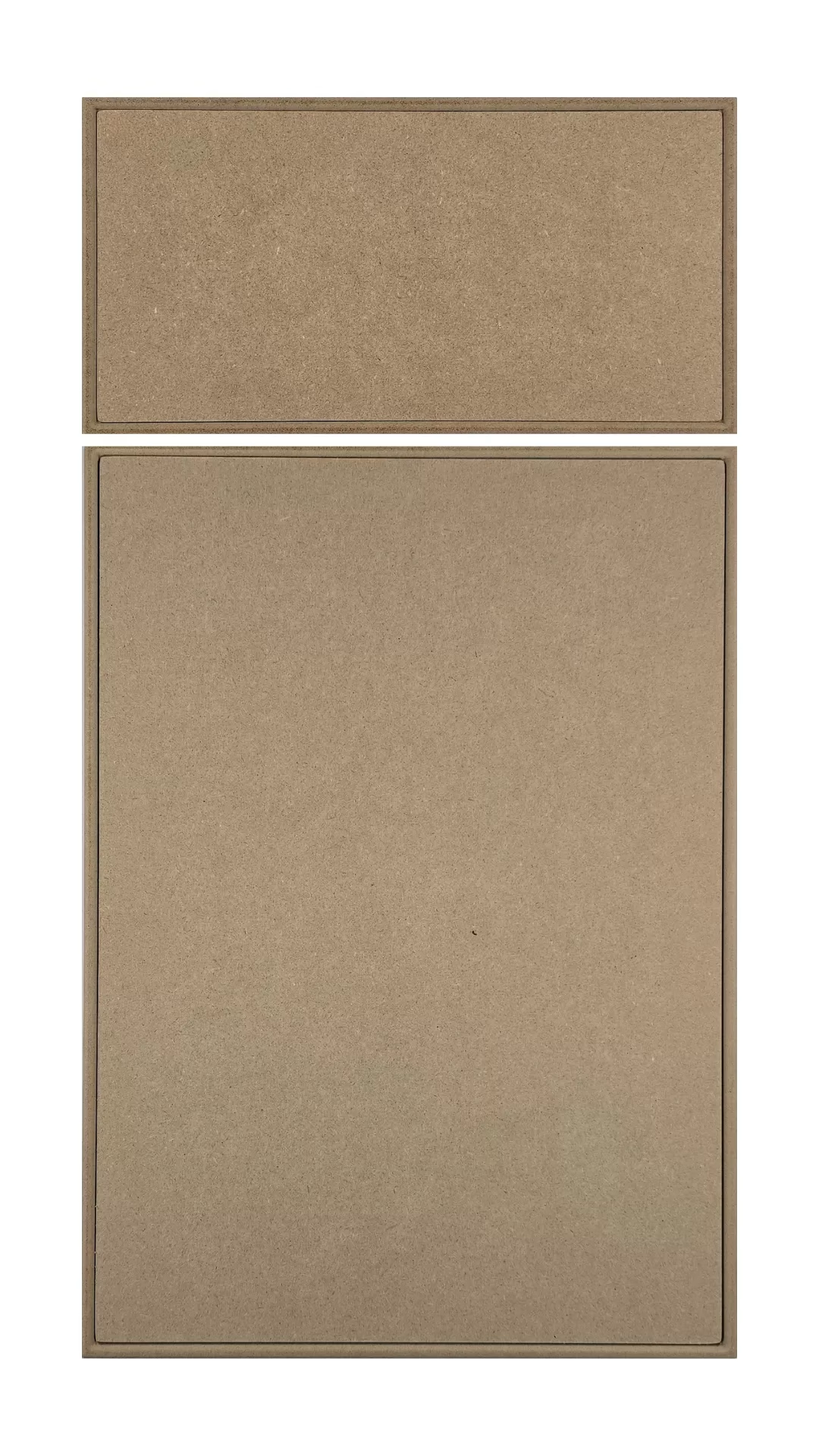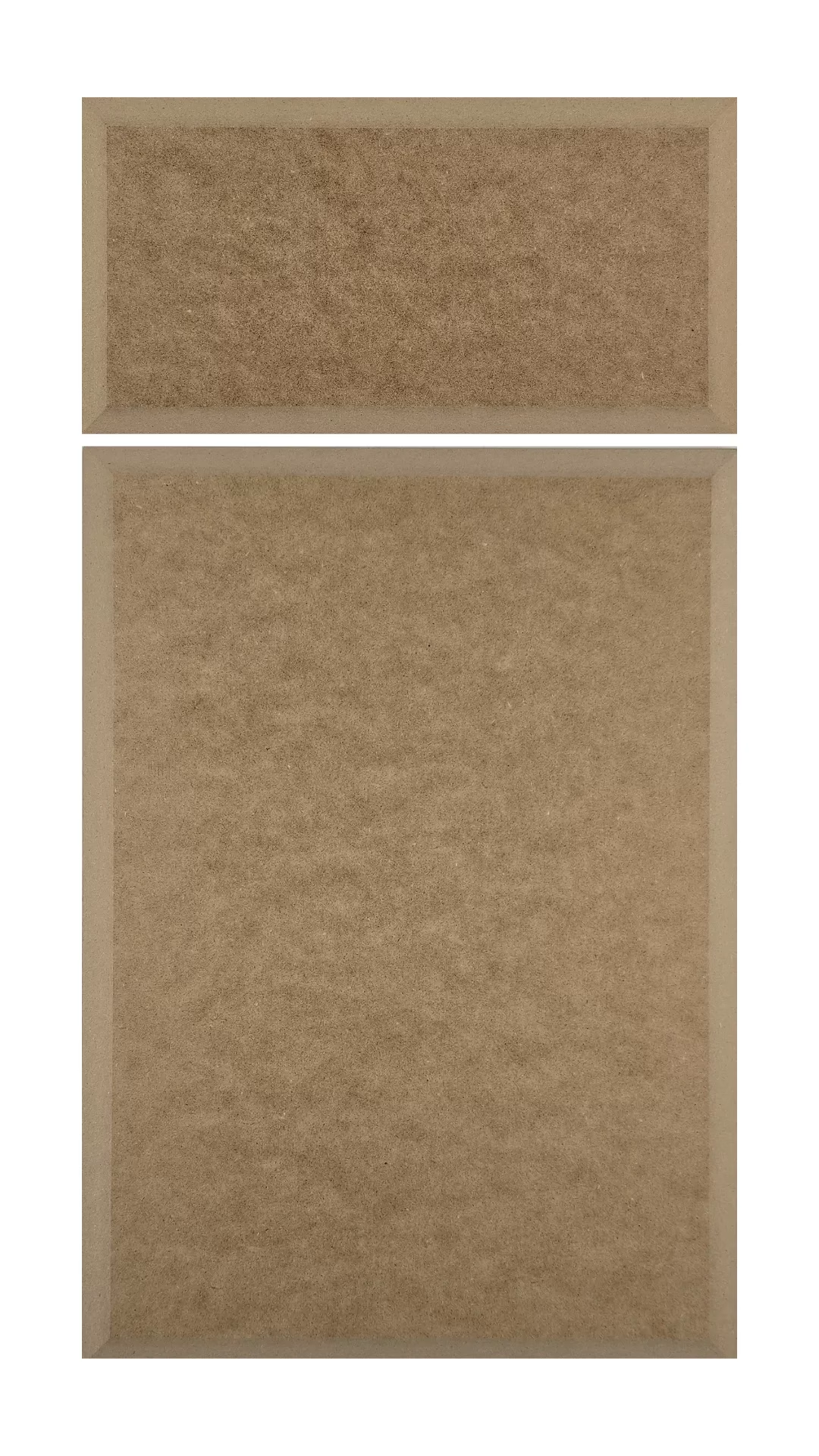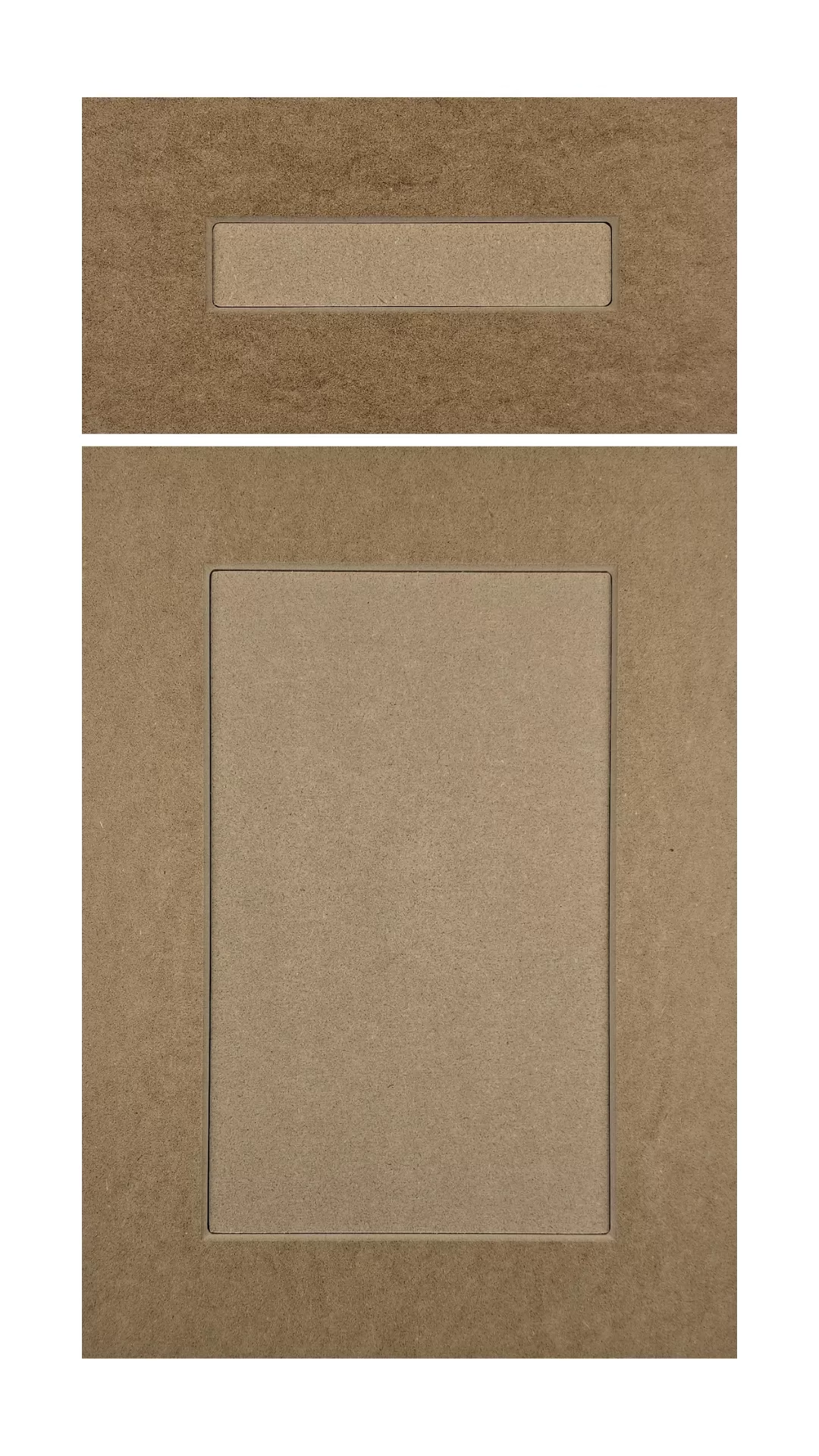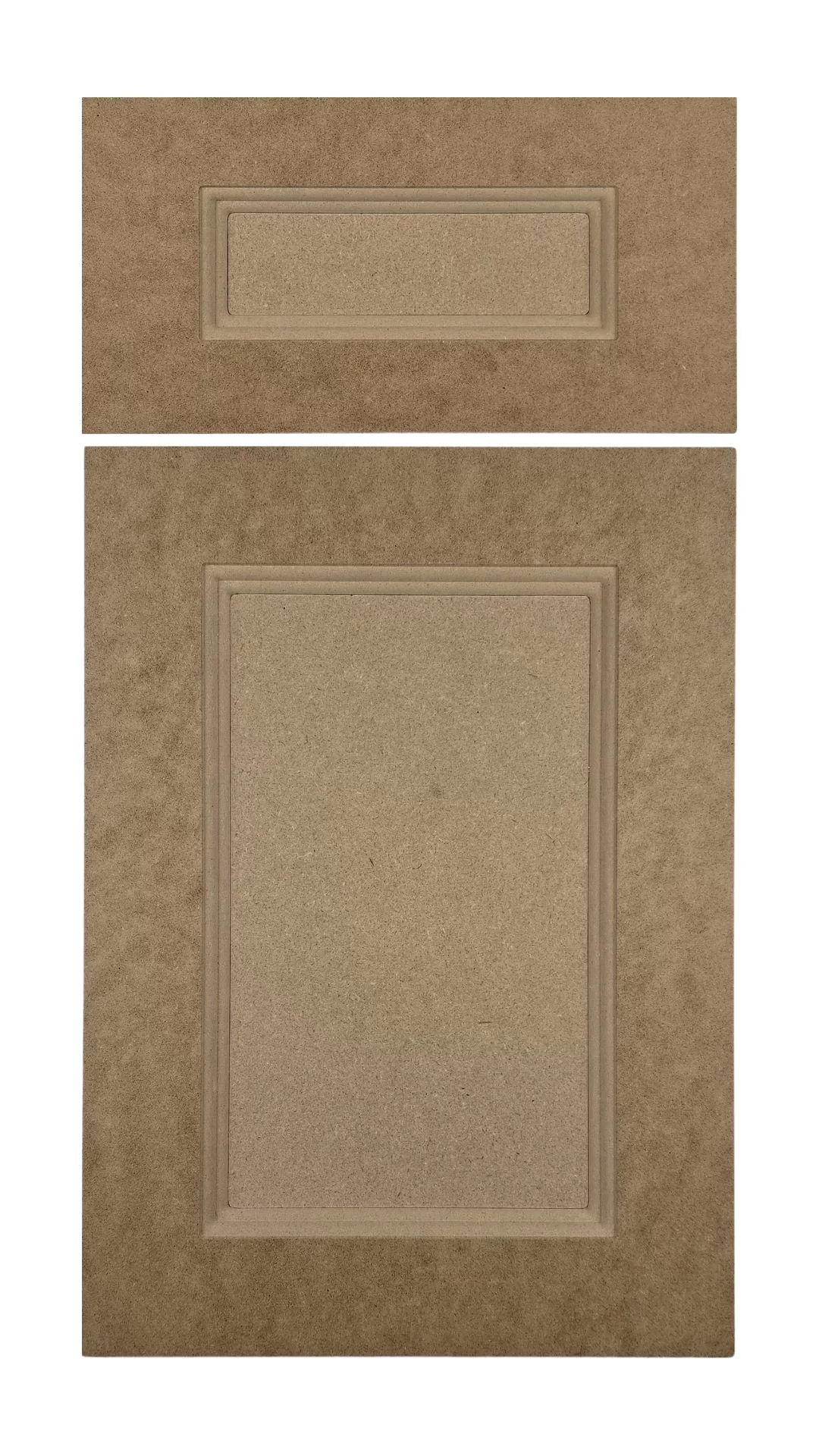
If your kitchen cabinets look tired but the boxes are still solid, the real question usually is not whether to update them – it is whether the money is better spent on refacing or full replacement. When homeowners compare cabinet refacing cost vs replacing, they are really weighing three things at once: budget, disruption, and how much change they actually need.
For many homes, especially older homes with cabinets that were built better than what you would buy off the shelf today, refacing can deliver the visual transformation people want without tearing out perfectly usable cabinet boxes. But that does not mean replacing is never the right call. The best choice depends on cabinet condition, layout goals, and how customized you want the final result to be.
Cabinet refacing cost vs replacing: what changes the price?
The price gap between refacing and replacing can be significant, but it is not just about materials. You are also paying for labor, demolition, disposal, installation complexity, and how far the project reaches beyond the cabinets themselves.
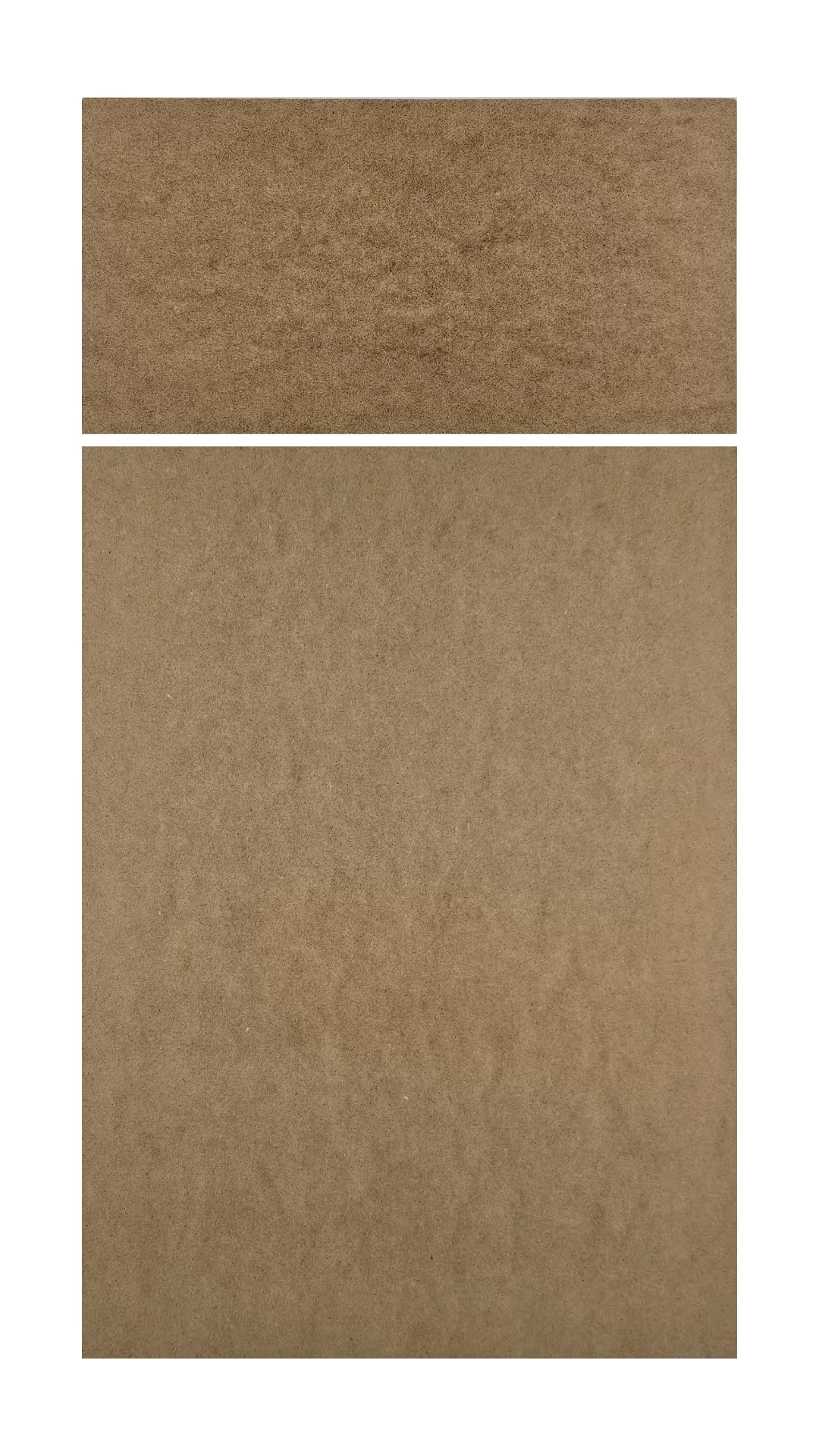
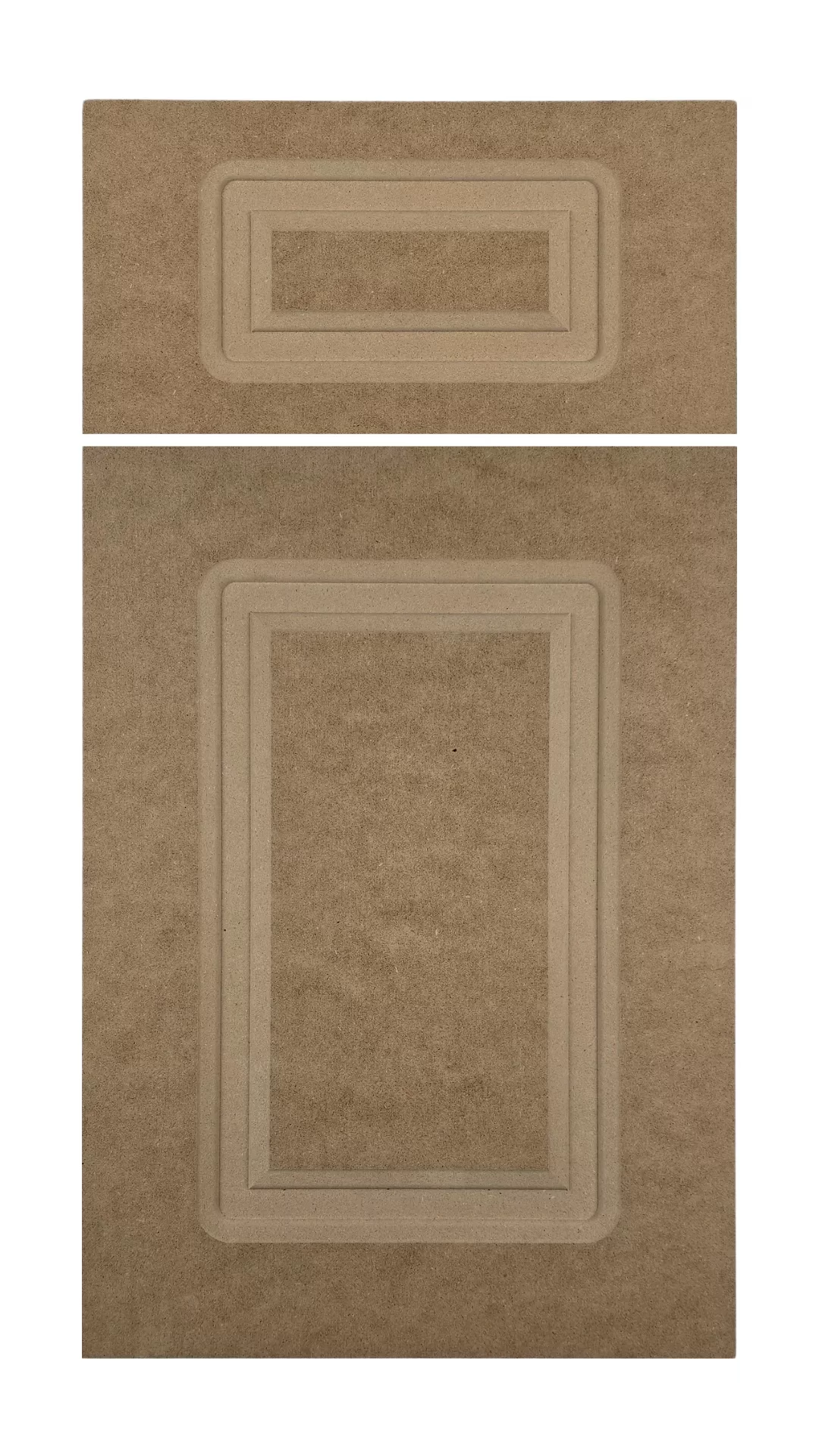
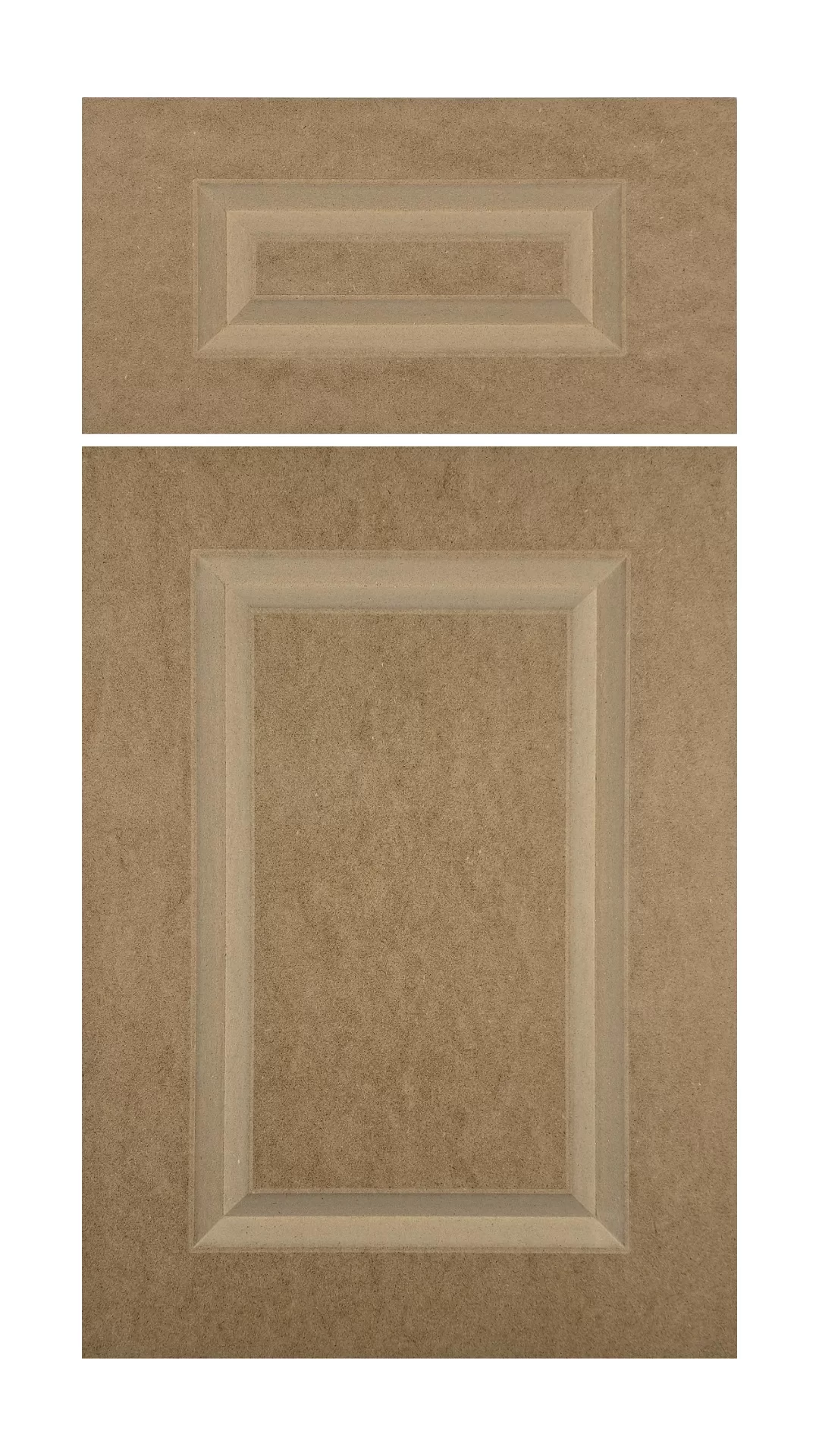
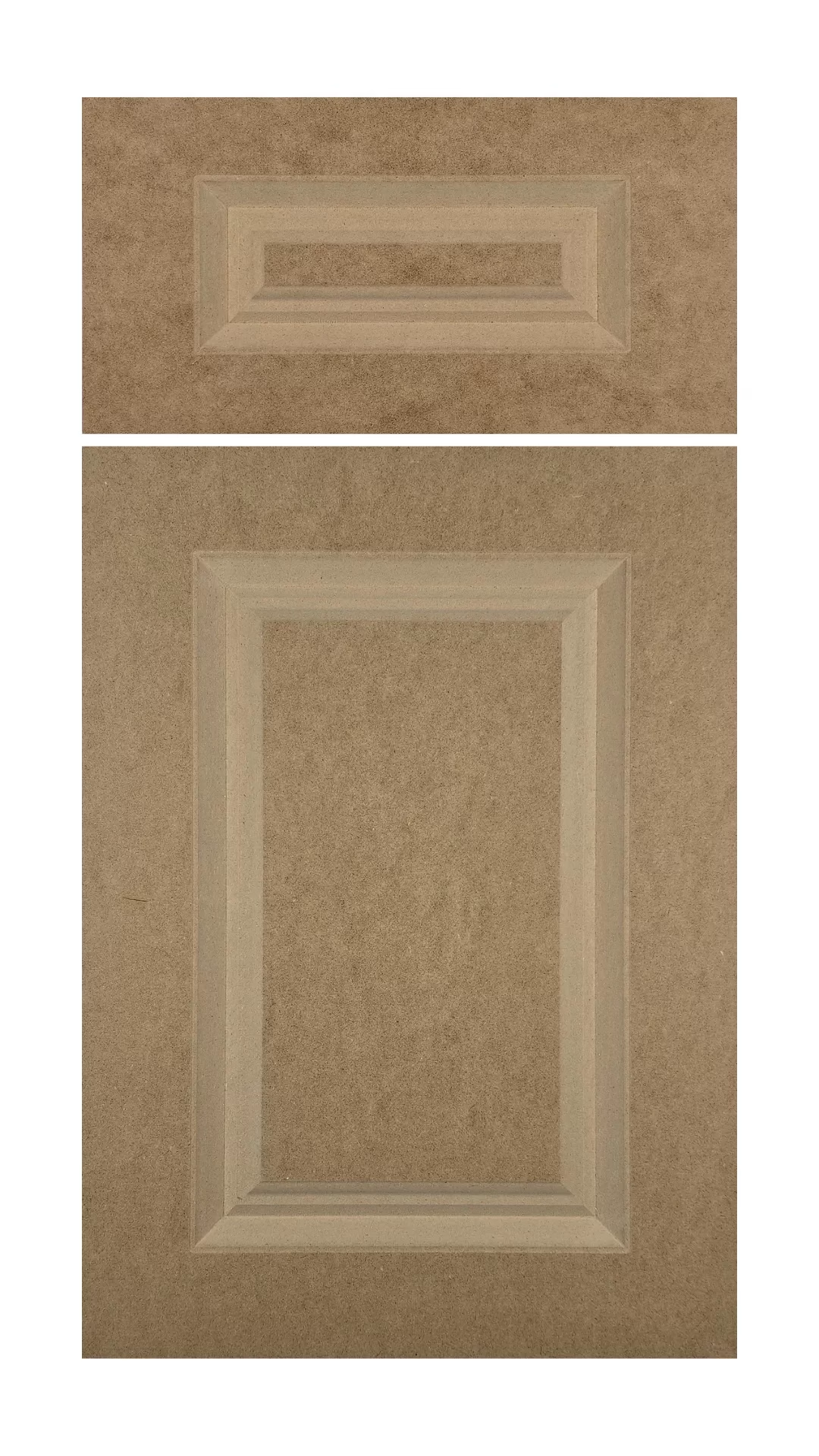
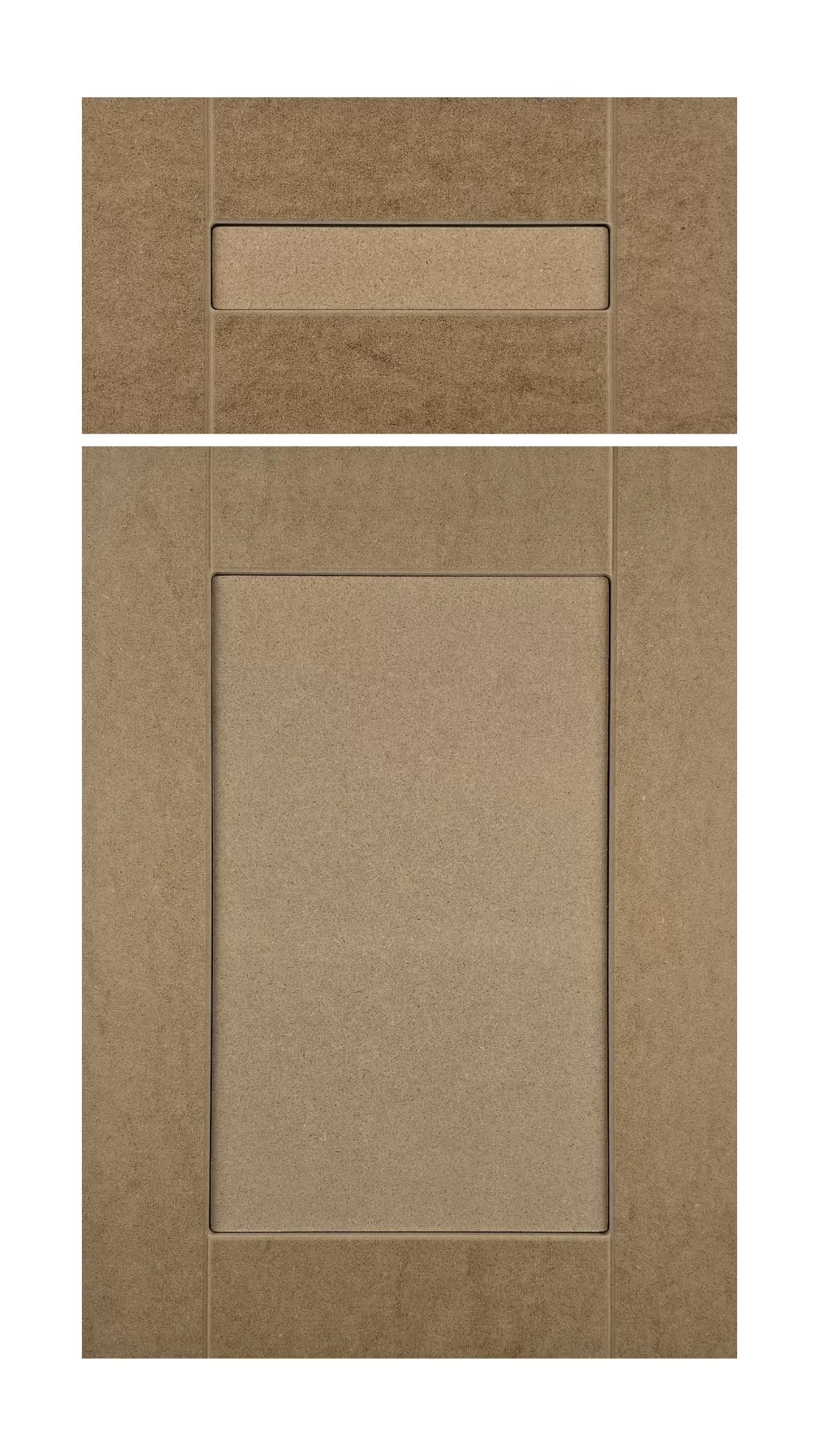
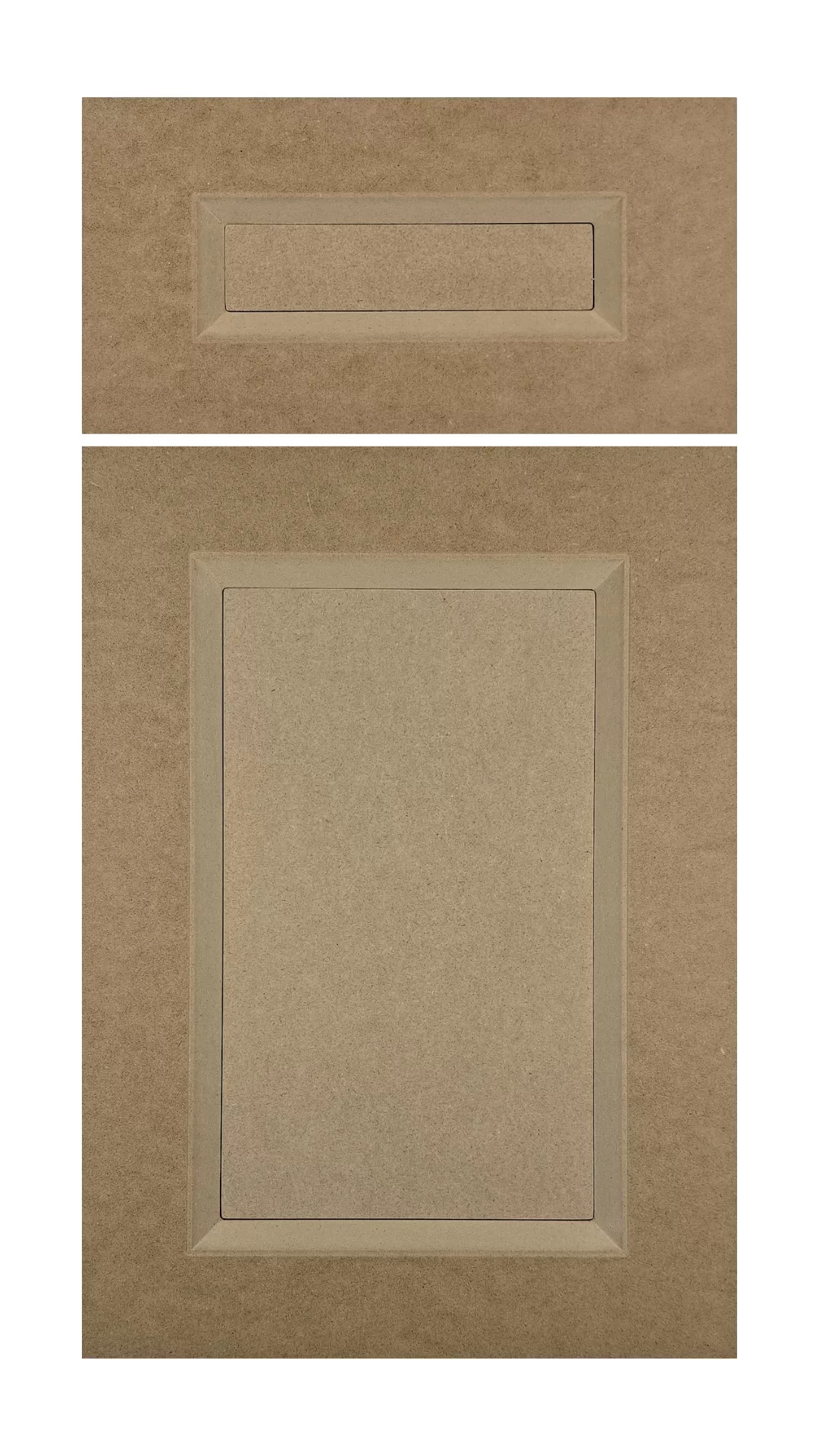
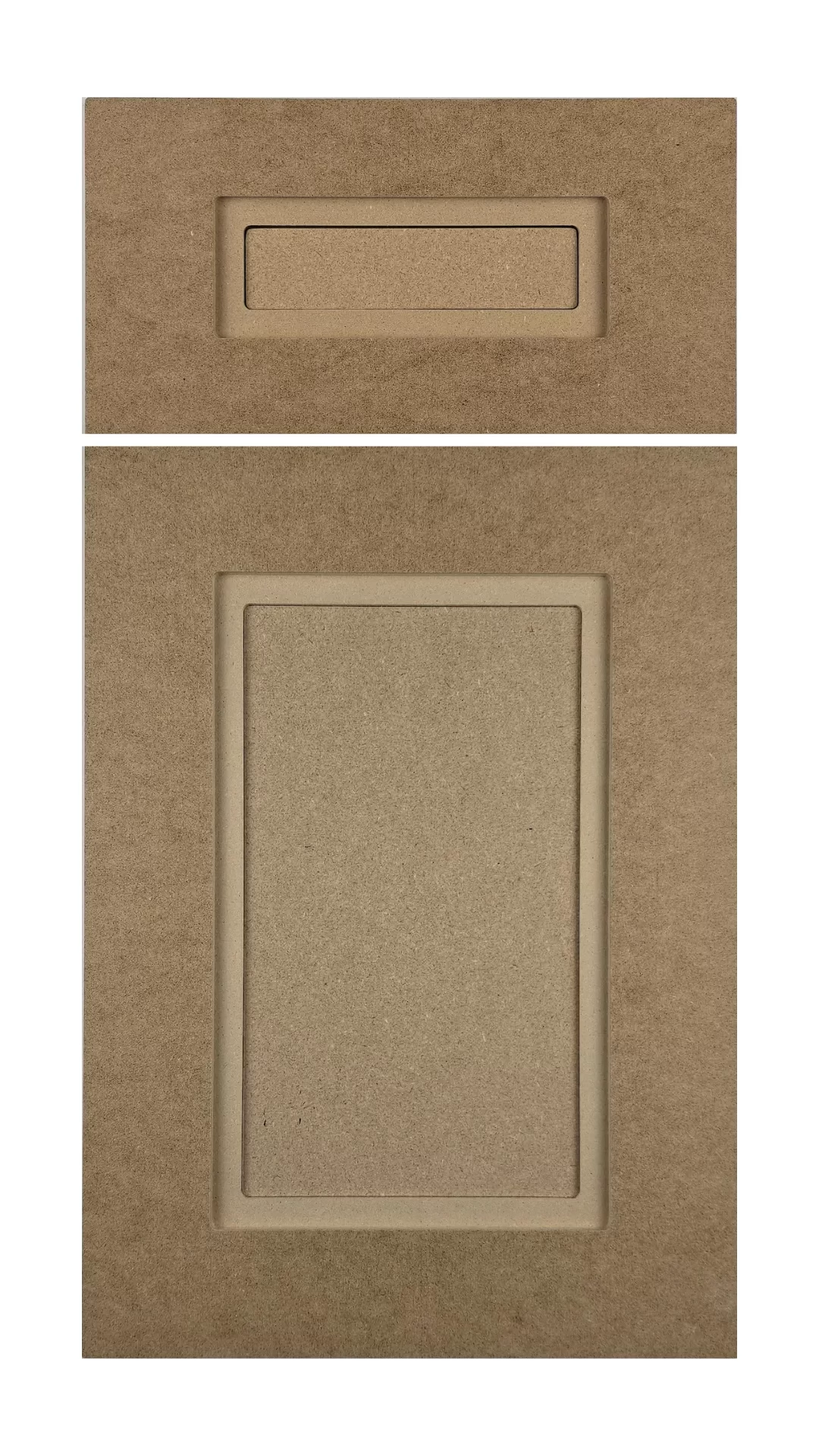
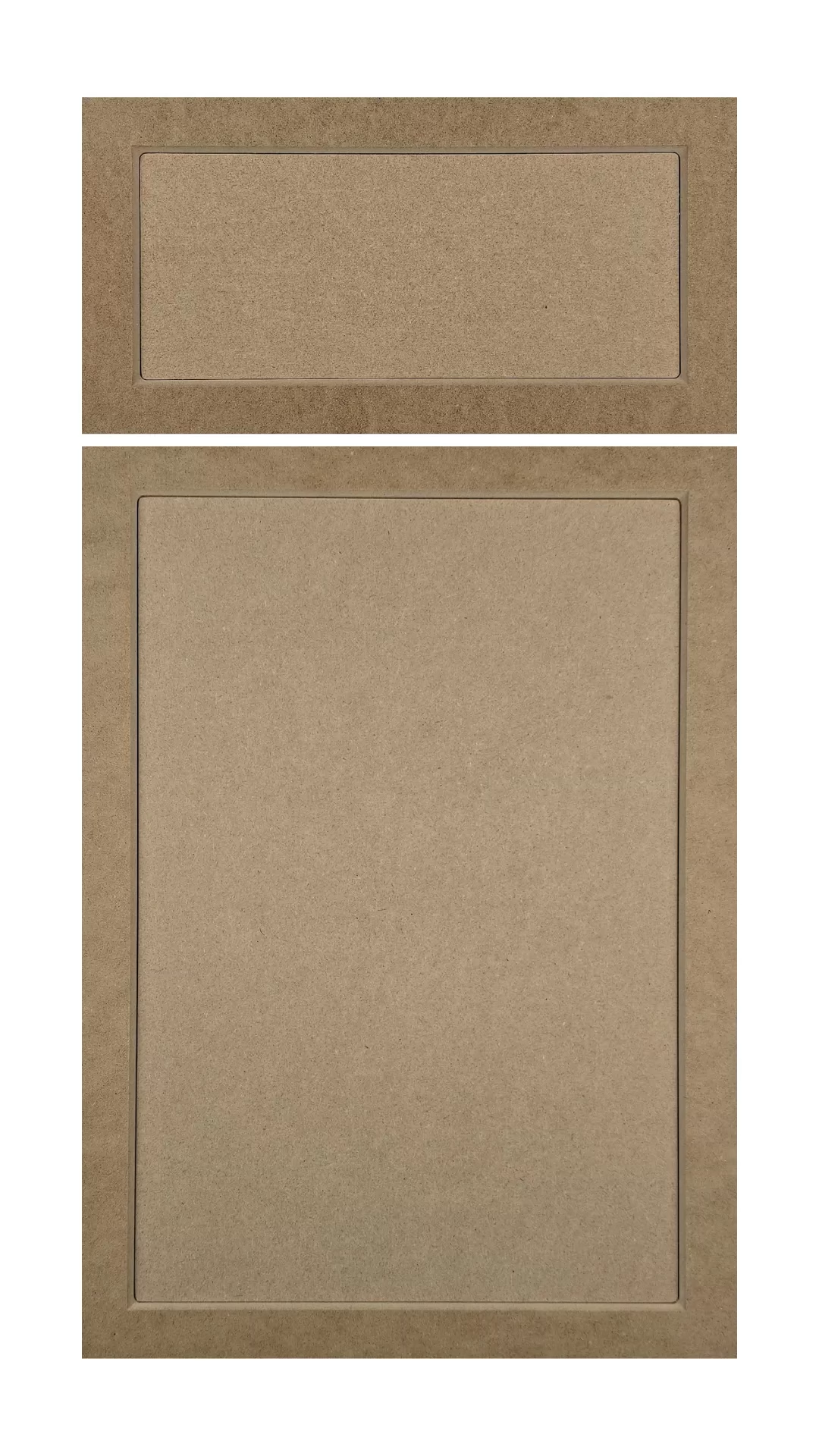
With cabinet refacing, you typically keep the existing cabinet boxes and update the visible exterior. That often means new custom cabinet doors, drawer fronts, matching veneer or end panels, updated hinges, and new hardware. If the cabinet frames are in good shape and the layout works, this approach removes a huge portion of the expense that comes with a full tear-out.
Replacing cabinets is a bigger project by nature. You are paying for new boxes, removal of old cabinetry, hauling debris away, and often adjustments to flooring, countertops, plumbing, or electrical depending on the new layout. Even when the new cabinets are stock units, the total can climb quickly once installation and finish details are added.
That is why a simple side-by-side price comparison can be misleading. Refacing costs less in many cases because you are preserving what is still working and investing only where the transformation shows.
When refacing is usually the better value
Refacing makes the most sense when your cabinet boxes are structurally sound, securely installed, and still function well. If the doors are outdated, the drawer fronts are worn, or the finish no longer matches the look you want, replacing those visible components can dramatically change the room.
This is where many DIY homeowners find the sweet spot. Instead of paying for entirely new cabinetry, they order made-to-size doors and drawer fronts, choose a style that fits the home, and update the cabinet exterior for a far lower total investment. In practical terms, you are putting your money into appearance and finish rather than rebuilding the whole system.
Refacing also tends to be a smart choice when your cabinet sizes are unusual. Older homes often have non-standard openings, and trying to replace those cabinets with stock options can create awkward gaps, fillers, or extra carpentry. Custom refacing keeps the original layout while giving you a more tailored look.
There is also a waste factor that matters. If the boxes are strong and serviceable, removing them just to change the style can be an expensive and unnecessary reset. Refacing lets you preserve the usable structure and still get a clean, updated result.
When replacing cabinets earns its higher cost
There are times when replacement is worth every extra dollar. If your cabinet boxes are water-damaged, sagging, poorly built, or badly out of square, refacing may only cover up deeper problems. A fresh exterior will not fix weak construction.
Replacement is also the better route if you want to change the kitchen layout in a meaningful way. If you plan to move appliances, add an island, rework storage zones, or improve traffic flow, keeping the existing boxes may hold the whole project back. In that case, full replacement supports a functional redesign, not just a cosmetic update.
Homeowners sometimes assume replacement automatically means better quality, but that depends on what you buy. A well-built existing cabinet box can outperform a lower-grade replacement cabinet. So the real comparison is not old versus new. It is solid structure plus custom updating versus starting over from scratch.
The hidden costs people forget
The biggest budgeting mistakes happen when people compare only product prices and ignore project costs around them.
With replacement, demolition is the obvious one. Old cabinets need to come out, and someone has to haul them away. Then come the adjustments. If flooring does not run under the old cabinets, a new layout may expose unfinished areas. Countertops may need to be removed and replaced. Backsplash repairs may follow. Small changes can trigger a chain reaction.
Refacing usually avoids much of that disruption. Since the cabinet boxes stay in place, the project can remain focused on doors, drawer fronts, panels, and finishing details. That often means less downtime in the kitchen and fewer surprise costs.
There is also the labor variable. A homeowner with accurate measurements, patience, and the right support can take on parts of a refacing project and reduce overall expense. Full cabinet replacement is much harder to simplify. Once removal, leveling, fitting, and layout corrections enter the picture, the skill requirement goes up fast.
How to decide if your cabinets are good candidates for refacing
A cabinet does not need to be pretty to be worth keeping. It needs to be sound.
Open the doors and look at the boxes themselves. Are the side panels stable? Do the shelves hold weight without bowing badly? Are the cabinet frames attached firmly? Do drawers open properly, even if the fronts are dated? If the answer is yes, refacing is often still on the table.
Surface wear is not usually the deal breaker. Chipped doors, faded finishes, old hinge styles, and out-of-date profiles are exactly the kinds of problems refacing is meant to solve. Structural issues are different. Water damage under sinks, severe warping, and cabinets pulling away from the wall point to replacement instead.
A lot of homeowners are surprised to learn how much the right doors can change the entire room. Door style, panel profile, finish, and hardware do most of the visual work. Once those elements are updated, the kitchen often feels custom without the cost of a full custom cabinet install.
Cost is important, but so is return on effort
The better question is not just, which option is cheaper? It is, which option gets you the result you want for the amount you want to spend and the amount of work you are willing to take on?
If you love your kitchen layout and want a major style upgrade without a major construction project, refacing usually gives you the strongest return. You can focus on custom sizing, better design choices, and cleaner finishes without paying for a full reset.
If your kitchen no longer works for your household, or the cabinets are failing, replacement gives you a chance to fix the underlying issues. It costs more because it solves more. That can be the right investment when function is the real problem.
For many DIY renovators, the best value sits in the middle: keep the cabinet boxes that still serve you well, then upgrade the parts that define the look every day. That is why custom-fit doors and drawer fronts matter. Precision sizing helps older cabinets feel new instead of patched together.
At TDM – The Door Maker, that is the advantage homeowners are after. They want the flexibility to choose the style, color, and fit that works for their space without being pushed into full replacement just to get a fresh look.
Which option makes sense for your home?
If your cabinet boxes are solid, your layout still works, and your goal is a dramatic visual update at a better value, refacing is often the smarter spend. If the boxes are damaged, storage is poorly planned, or you are redesigning the room from the ground up, replacement may justify the extra cost.
The key is to be honest about what is actually wrong. If the problem is mostly appearance, replacing everything can be overkill. If the problem is structure or function, refacing may only delay the bigger fix.
A good renovation decision feels clear once you separate cosmetic changes from structural ones. Start there, measure carefully, and choose the option that improves the space without paying for work you do not need.