If your cabinet boxes are still solid but the room looks stuck in another decade, diy cabinet refacing is usually the smarter move than tearing everything out. You keep the structure that still works, replace the parts everyone sees, and end up with a cleaner, more custom look without paying for a full cabinet install.
That appeal is real, but so is the difference between a refacing project that looks professionally finished and one that still feels obviously patched together. The good news is that the biggest factor usually is not whether you are handy enough. It is whether you make the right decisions before you order a single door.
What diy cabinet refacing actually changes
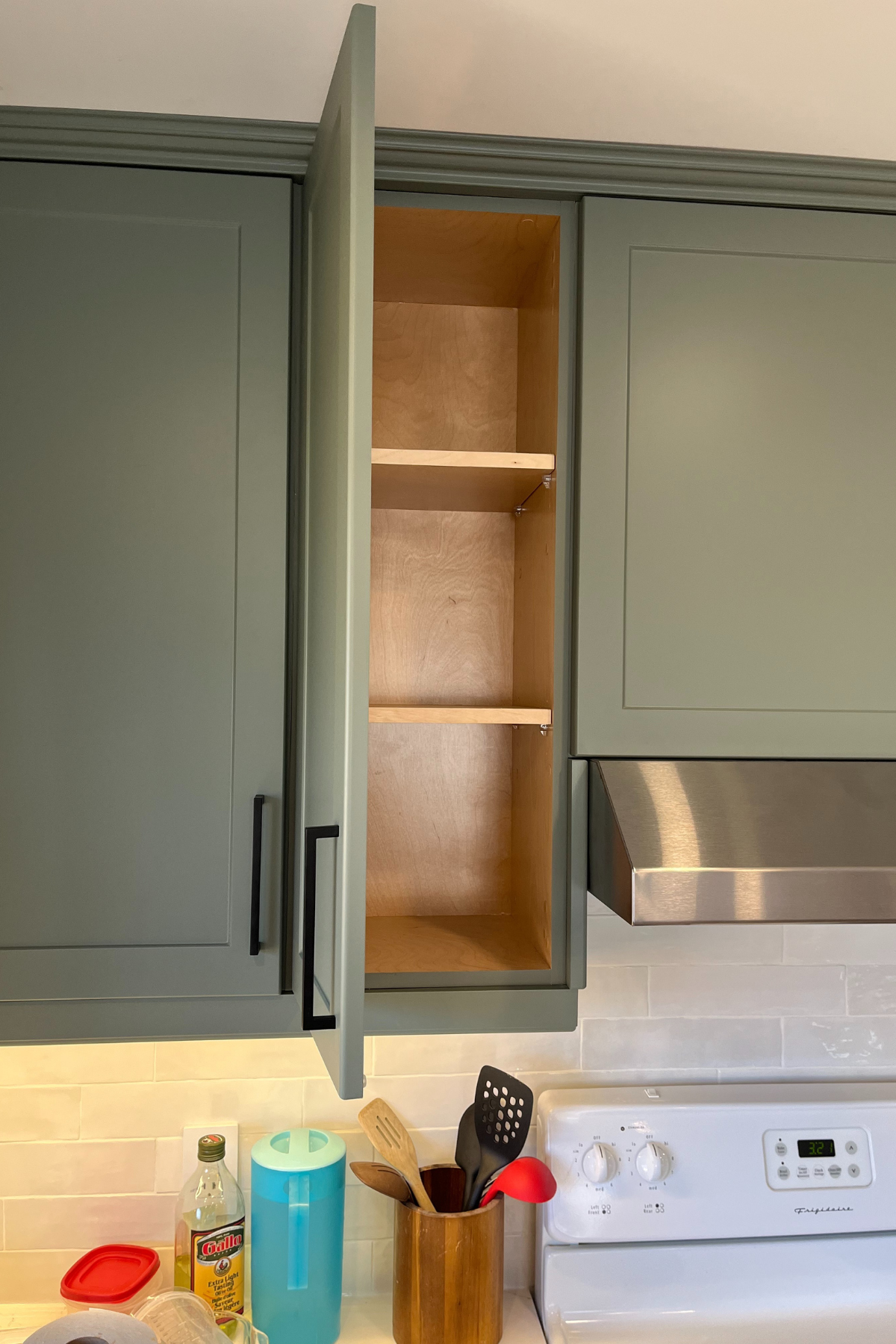
Cabinet refacing is not a shortcut version of a full remodel. It is a different strategy. Instead of removing the cabinet boxes, you update the visible surfaces – typically the doors, drawer fronts, hinges, hardware, and exposed cabinet ends. In many projects, homeowners also cover the face frames and side panels so the old finish does not compete with the new design.
That means the success of the project depends on one basic truth: your cabinet boxes need to be worth keeping. If they are square, stable, and laid out in a way that still works for your kitchen, bathroom, office, or built-ins, refacing can deliver a major visual upgrade for a fraction of the cost and disruption of replacement.
If the boxes are water-damaged, sagging, badly out of level, or the layout itself is the real problem, refacing may not be the fix. That is where many homeowners get tripped up. They try to solve a functionality issue with a cosmetic project. Sometimes that works. Often, it does not.
Why homeowners choose diy cabinet refacing
The biggest reason is value. Full cabinet replacement is expensive, especially once demolition, disposal, installation, trim work, countertops, and schedule delays enter the picture. Refacing lets you direct your budget toward what changes the appearance most.
The second reason is customization. Stock doors can work in some spaces, but older homes and built-ins rarely follow stock sizing. Custom-sized replacement doors and drawer fronts give you a fitted look that feels intentional, not improvised.
The third reason is control. A lot of homeowners want a better result than big-box options offer, but they do not want to hand over the entire project. Refacing sits right in that sweet spot. You can manage the transformation yourself while still getting professionally made components.
Start with the part that matters most – measuring
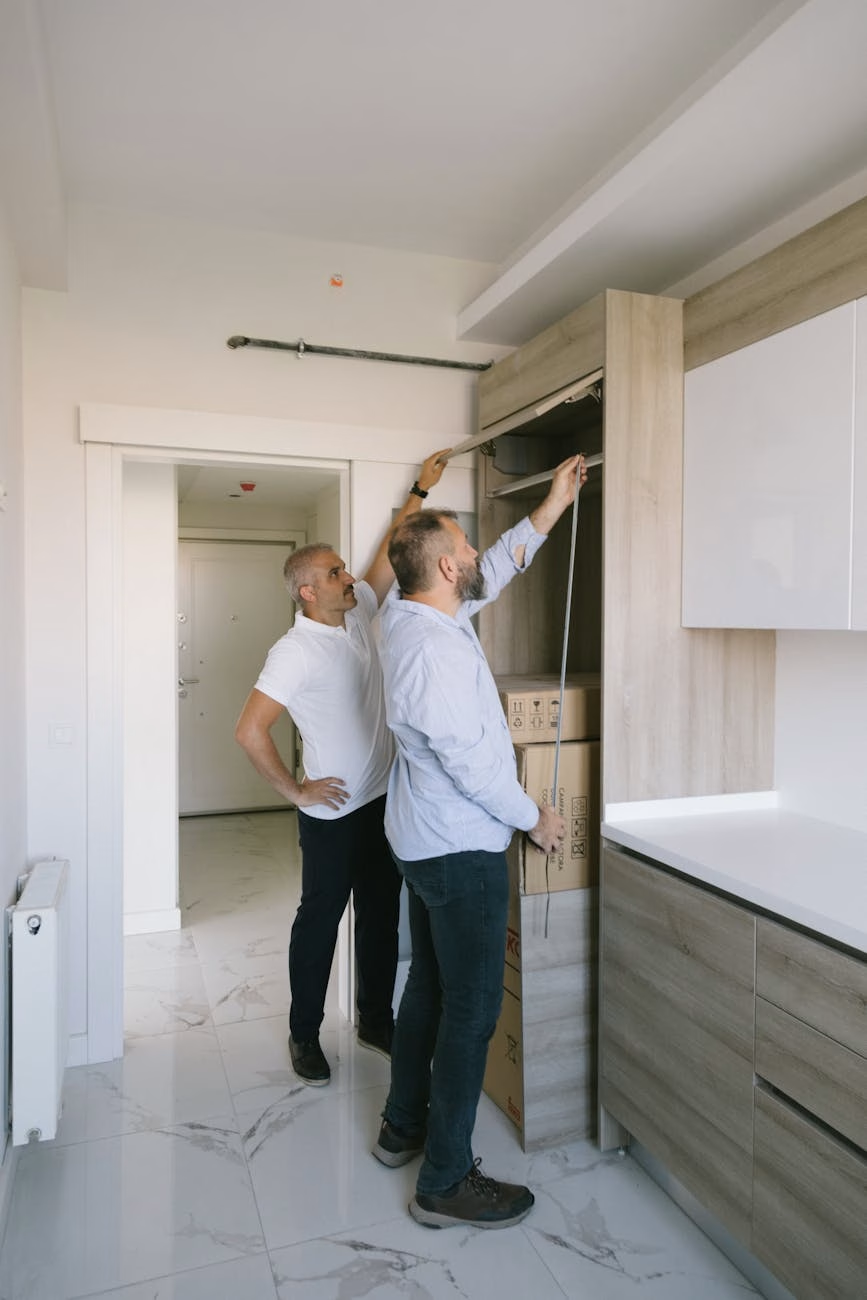
A beautiful door in the wrong size is still the wrong door. That is why measuring deserves more attention than style at the beginning.
You need accurate door and drawer front dimensions, but you also need to understand your overlay, hinge type, and whether your cabinet openings are consistent. Small errors show up fast on cabinetry. Reveals look uneven. Doors rub. Gaps call attention to themselves.
This is also where homeowners discover whether their current setup should be copied exactly or improved. Maybe your old doors had an outdated partial overlay and you want a fuller, more modern face. Maybe a pair of doors would work better as one larger door. Maybe false drawer fronts should become functioning drawers later. Those choices affect measurements, hardware, and the finished look.
When people say a refacing job looks custom, they usually mean the sizing and spacing look intentional. Precision creates that impression.
Choosing door styles without regretting them later
Style matters, but proportion matters more. A door style that looks great in a showroom photo can feel too busy in a smaller kitchen or too flat in a larger one.
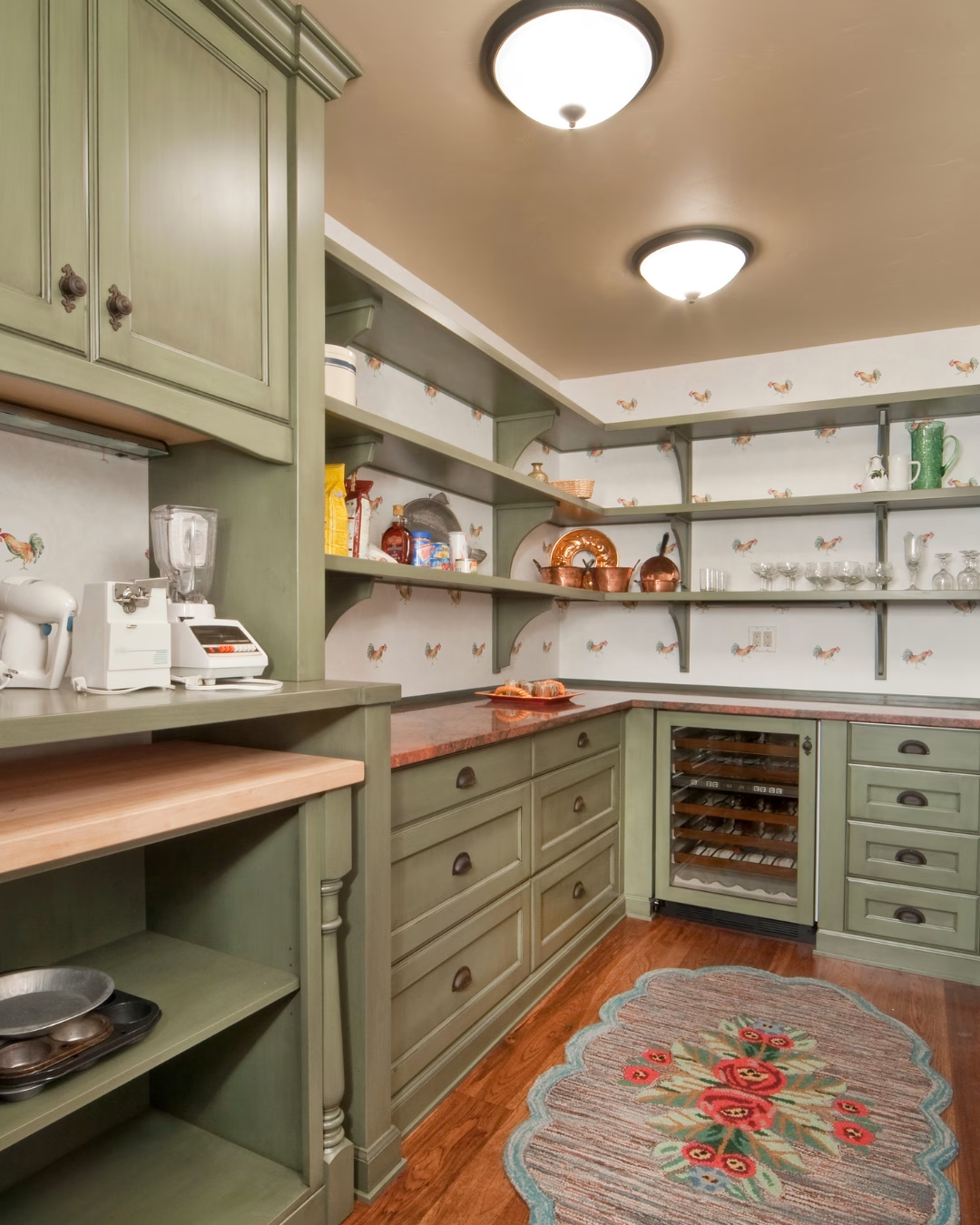
Shaker and other clean-panel profiles remain popular because they work in a wide range of homes. They can read modern, transitional, or classic depending on color and hardware. More decorative profiles can look excellent too, especially if the house already has traditional trim details. The key is making sure the door style matches the architecture of the room and the amount of visual detail already present.
Color and finish deserve the same level of restraint. Light finishes can open up a darker room. Wood tones can add warmth where white cabinetry feels too stark. PVC and other low-maintenance surface options appeal to DIY homeowners because they offer consistency and durability, but the right choice depends on traffic, moisture, and the overall design direction.
Samples help here because cabinet finishes behave differently under kitchen lighting than they do on a screen. What looks crisp online may read yellow, gray, or too glossy in person.
The parts homeowners forget to plan for
Doors get the attention, but the supporting pieces decide whether the room looks complete. If you refinish the front and ignore the cabinet sides, toe kicks, fillers, moldings, or valances, the project can stop short of the transformation you wanted.
This does not mean every project needs decorative extras. It means the visible surfaces should feel coordinated. A simple kitchen can look polished with nothing more than well-sized doors, matching drawer fronts, clean end panels, and updated hardware. A more detailed space may benefit from crown molding, light rail, mullion doors, or other finishing elements.
Think of refacing as a system, not just a door order. The strongest results come from treating the room that way.
DIY cabinet refacing installation – where results are won or lost
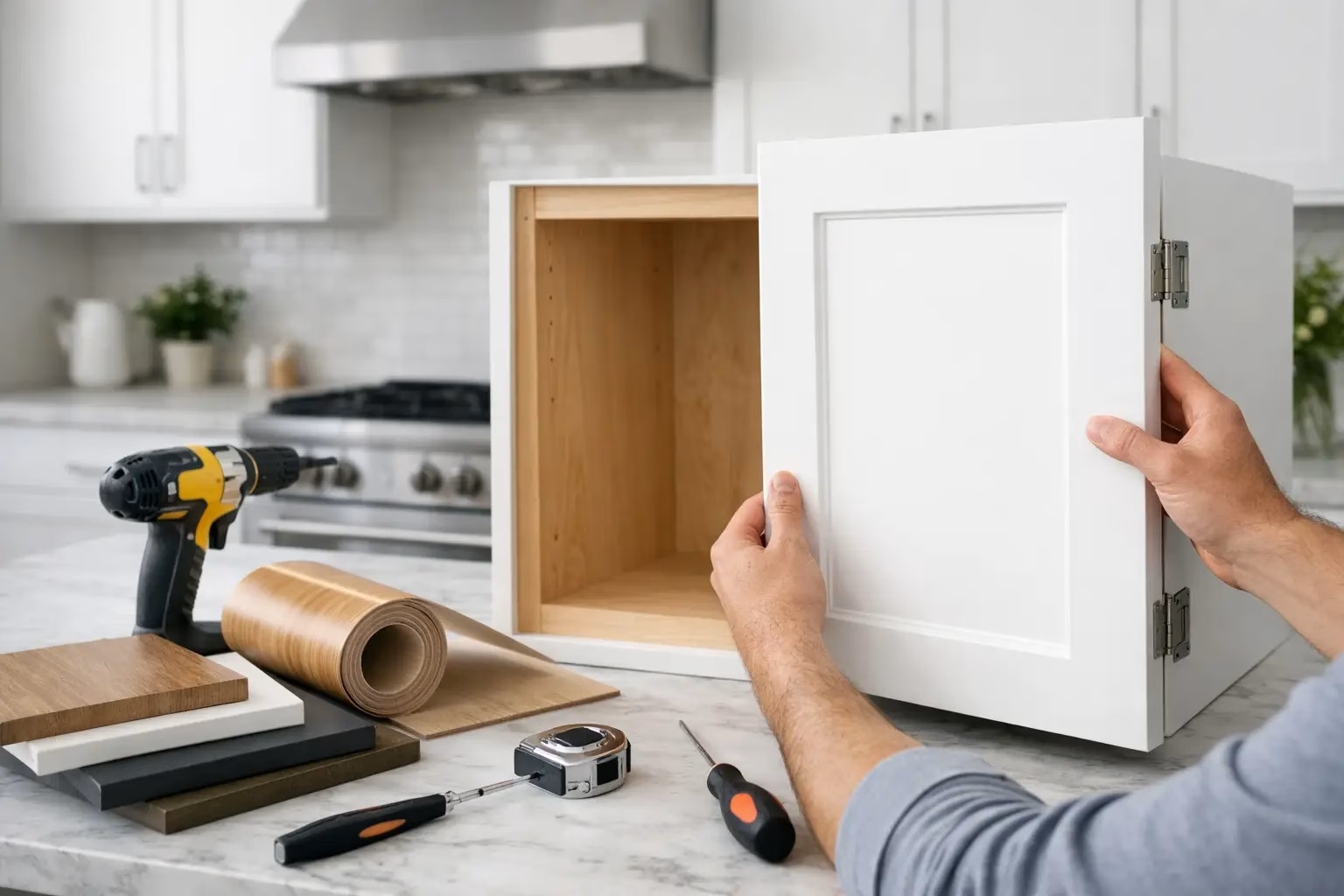
Installation is less about advanced carpentry and more about patience. Old hinges come off, surfaces get cleaned and prepped, new components are test-fitted, and alignment is adjusted carefully. You are not just attaching doors. You are creating consistent reveals and a uniform face across the entire run of cabinetry.
Most installation problems come from rushing. Homeowners hang one door, feel good, and move too quickly through the rest. Then small inconsistencies stack up. One door sits high, another drifts left, drawer fronts do not line up, and the room loses that custom feel.
Pre-finished replacement doors help because they eliminate a lot of mess and variability. You are not trying to paint around hinges in your garage and hope every panel cures the same way. You are installing finished parts made to the dimensions you ordered. That saves time and usually produces a cleaner result.
It is also worth being honest about your comfort level. A confident DIYer can absolutely handle cabinet refacing. But if your cabinets are significantly out of square or your project includes layout modifications, that raises the difficulty level. The smartest DIY projects are the ones that match your skill set.
Cost savings are real, but only if you avoid common mistakes
DIY cabinet refacing is often chosen to save money, and it can. But the savings narrow quickly when homeowners make avoidable errors.
Ordering based on rough measurements is one of the biggest ones. Another is trying to reuse old hinges or hardware that do not suit the new door style. Skipping side panels or face frame finishing is another common issue, because it leaves the room half-updated. And sometimes the budget gets thrown off by choosing replacement doors after paint, counters, and backsplash are already selected, making coordination harder than it needs to be.
A better approach is to decide early what stays, what gets covered, and what gets replaced. Then build the project around those decisions. That gives you a realistic number and a cleaner path from measuring to installation.
For homeowners who want custom sizing without the custom-cabinet price, that is where a made-to-order approach pays off. The Door Maker, for example, helps DIY customers move through a simple process of measuring, designing, and ordering so the finished project feels tailored to the space instead of forced to fit it.
When refacing makes the most sense
Refacing tends to be the right choice when your cabinet layout is still practical, the boxes are structurally sound, and your biggest problem is appearance. It is especially effective in kitchens with dated oak fronts, bathrooms with worn vanity doors, home offices with tired built-ins, and laundry rooms where replacement would be hard to justify.
It also makes sense when you want more design flexibility than off-the-shelf products offer. Custom widths, heights, panel styles, and finish options let you respect the space you have rather than redesigning the whole room around standard inventory.
What surprises many homeowners is how dramatic the change can be. New doors, drawer fronts, and finishing components can completely alter the character of a room, even though the original cabinet boxes remain in place.
The best part of DIY cabinet refacing is not just saving money. It is getting a result that looks intentional, fits your home correctly, and feels like an upgrade every time you walk into the room. If you take your time with measuring, choose styles that suit the space, and treat the project like a finish job instead of a shortcut, the end result can look far more expensive than it was.