If your cabinet boxes are still solid but the doors make the whole room feel dated, refacing is usually the smarter move. Knowing how to order custom cabinet doors the right way can save you from expensive mistakes, long delays, and that sinking feeling when a nearly perfect door arrives just a little too small.
The good news is that ordering custom doors is not complicated once you understand what actually matters. Most problems come down to a few details: measuring the existing opening correctly, choosing the right overlay, matching the style to the space, and confirming every spec before production starts. Get those pieces right, and you can give your kitchen, bathroom, office, or built-ins a custom look without replacing the cabinet boxes.
How to order custom cabinet doors without guesswork
The easiest way to think about the process is in three parts: measure, design, and order. That sounds simple because it is simple, but each step needs a little care.
Measuring comes first because every later choice depends on it. Design comes next because the style, panel profile, material, and finish all need to fit the way your cabinets are built. Ordering is the final confirmation stage, where you review sizes, quantities, hinge boring, and any matching components like drawer fronts or end panels.
If you rush the first step, the rest of the project gets harder. If you slow down long enough to verify your dimensions and understand your options, custom ordering becomes very manageable.
Start with the cabinet type you have
Before you pull out the tape measure, identify whether you have framed or frameless cabinets. This affects how doors sit on the cabinet and how you calculate sizing.
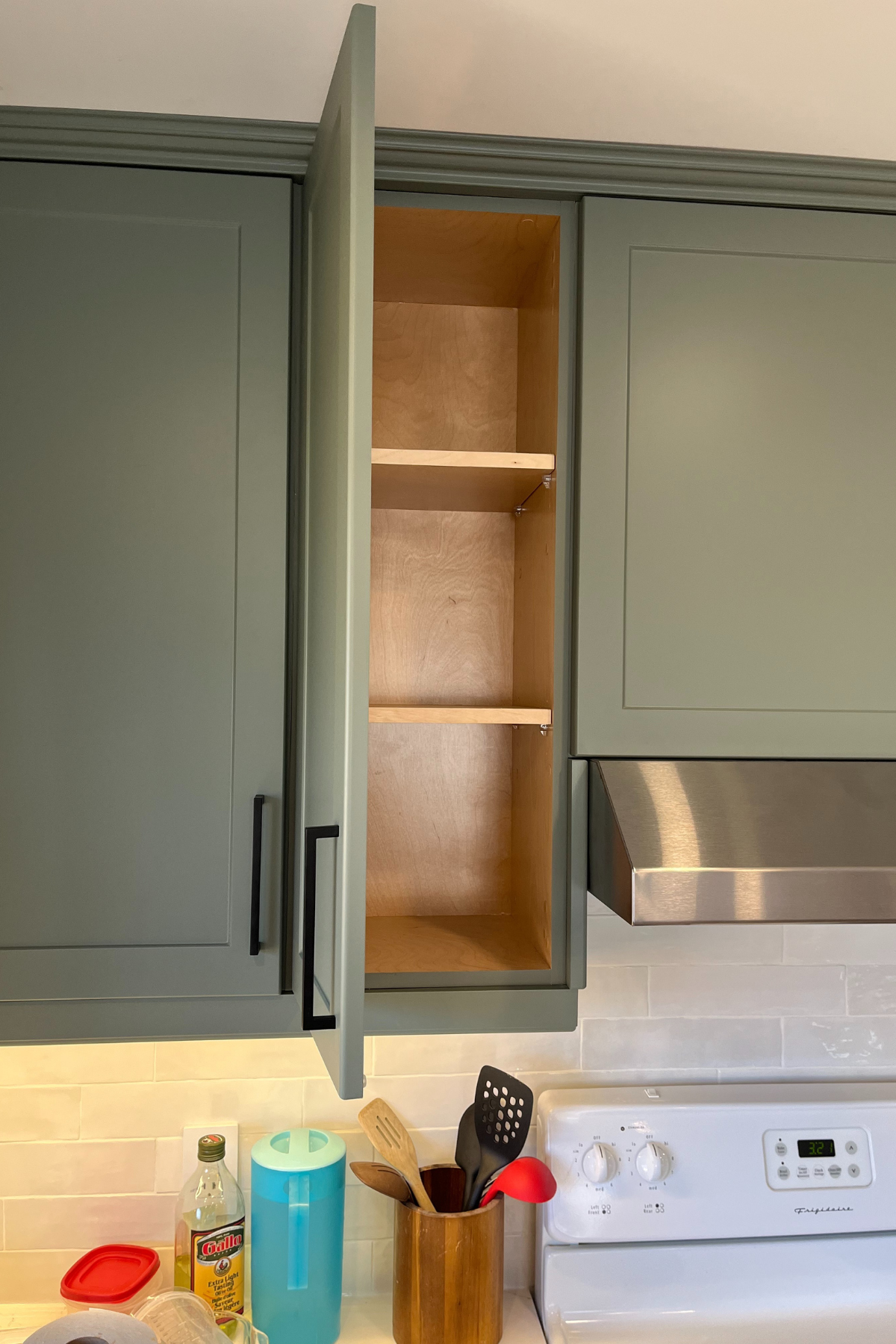
Framed cabinets have a face frame on the front of the cabinet box. They are common in many American homes, especially older kitchens. With framed cabinets, you will usually order doors based on the opening size plus your chosen overlay.
Frameless cabinets do not have that front frame. The door sizing is based more directly on the cabinet box dimensions and the hardware setup. If you are replacing doors on frameless cabinets, precision matters even more because reveals tend to be tighter.
If you are not sure which type you have, look closely at the cabinet front with the door open. A visible frame around the opening means framed construction.
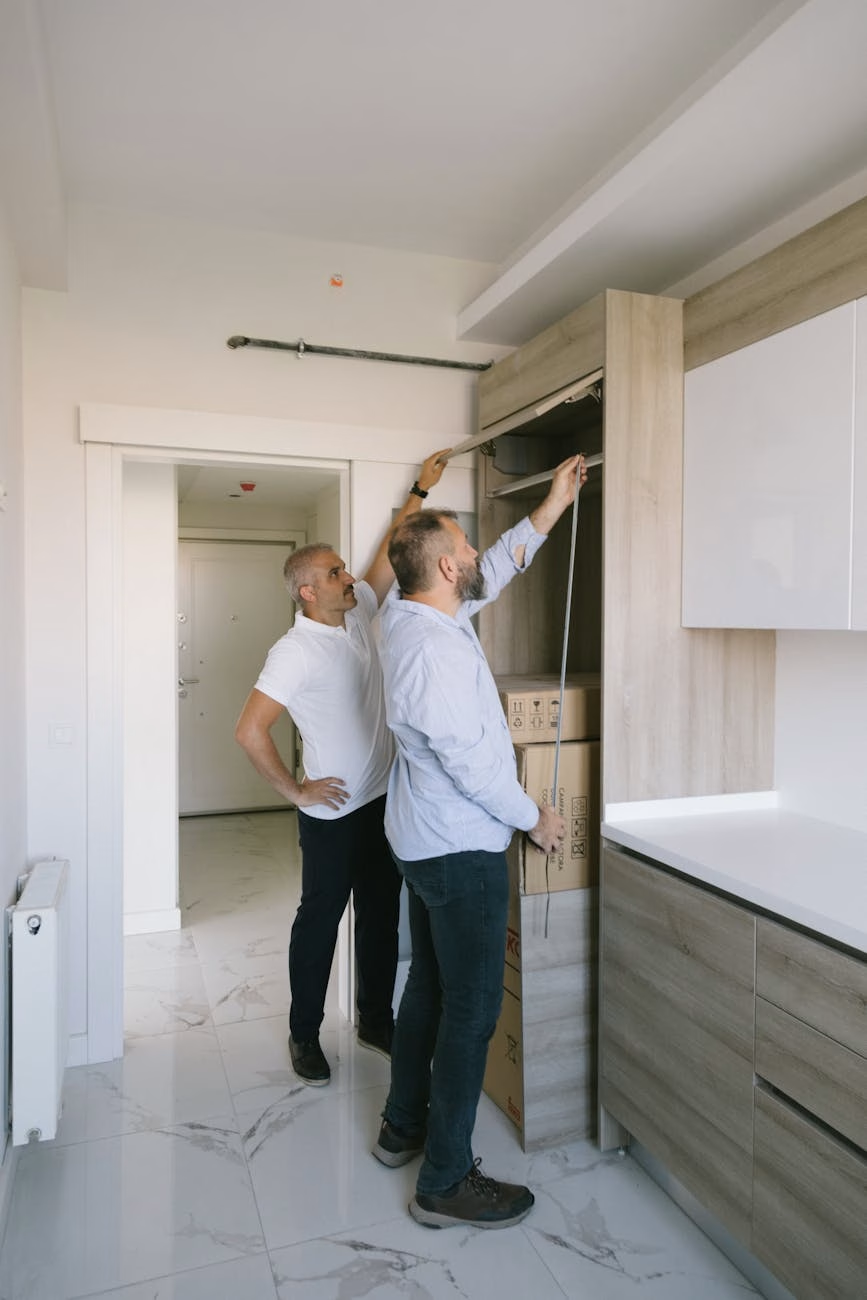
Measure the opening, not just the old door
One of the most common DIY mistakes is measuring an existing door and assuming that number is enough. Sometimes it is close, but old doors are not always the best source of truth. Hinges, past adjustments, warping, and previous replacement work can all throw things off.
For framed cabinets, measure the width and height of the cabinet opening itself. Then determine the overlay you want on each side. For example, if you want a 1/2-inch overlay on all four sides, you add 1 inch to the opening width and 1 inch to the opening height.
For frameless cabinets, measure the cabinet box opening or use the existing door size only if you are confident the fit is correct and the reveals are consistent.
Measure each opening individually. Even in the same kitchen, cabinets can vary. Never assume two side-by-side doors are exactly the same size because they look the same.
A few practical habits make this easier. Measure to the nearest 1/16 inch. Write every dimension down immediately. Label each cabinet location so you know which door goes where. If you are ordering drawer fronts too, measure those separately rather than estimating from the doors.
Choose the right style for the cabinet and the room
Once measurements are handled, the fun part starts. This is where the project begins to feel real.
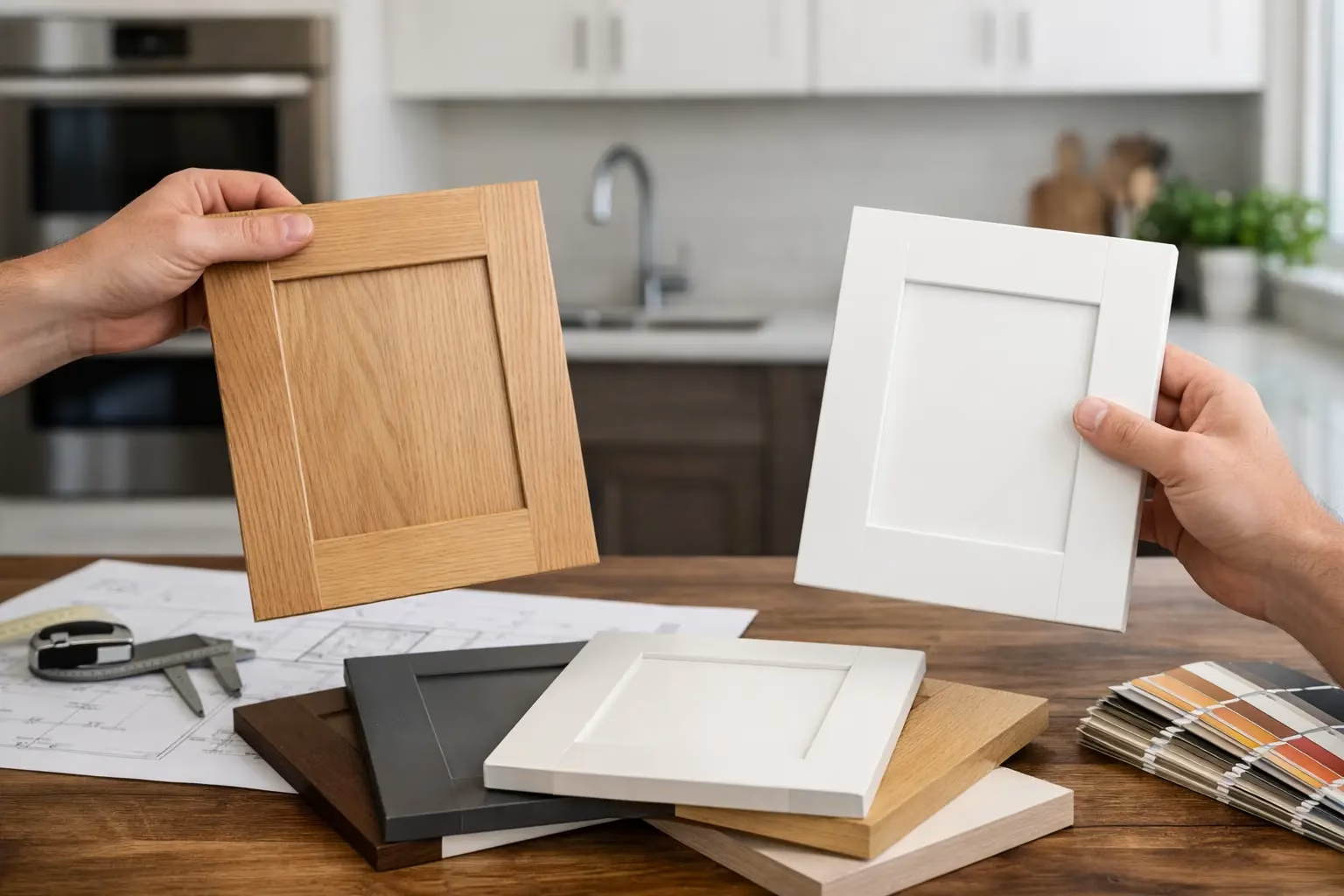
Door style should match both the cabinet structure and the look you want in the room. Shaker styles remain popular because they work in almost any setting, from a simple white kitchen to a warmer, more traditional office built-in. Raised panel doors add more detail and a classic look. Flat slab doors can feel clean and modern, especially in contemporary spaces.
This decision is partly aesthetic and partly practical. More detailed profiles create a richer look, but they also create more edges and grooves to clean. Simpler doors are easier to maintain and often fit best in smaller rooms where heavy detail can feel busy.
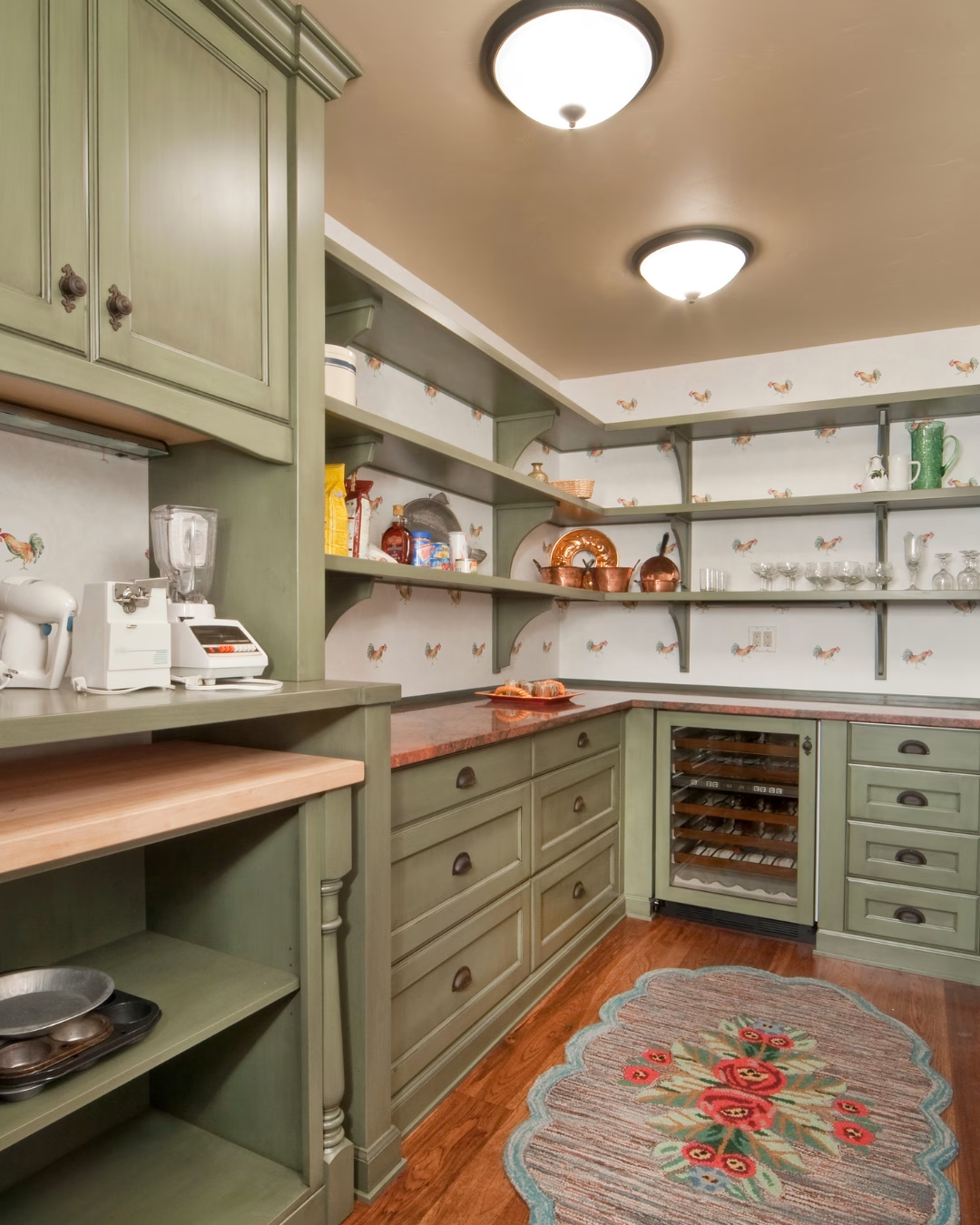
If you are updating only the doors and not doing a full room redesign, work with what is already in the space. Countertops, flooring, wall color, and trim all influence which style will feel right. Samples can help a lot here because color and texture are hard to judge on a screen alone.
Material and finish matter more than many buyers expect
The look of a cabinet door gets attention, but the material determines a lot about performance and value.
Solid wood, MDF, and various engineered options each have strengths. Painted projects often benefit from materials that provide a smoother painted finish. Stained wood projects highlight grain and natural variation, which many homeowners want. PVC and other durable surface options can be a strong fit when you want color consistency and easy maintenance.
There is no single best material for every order. It depends on the room, the finish, your budget, and the look you want. A bathroom with higher moisture exposure may call for different priorities than a built-in office wall. A busy family kitchen may benefit from durable, easy-clean surfaces over a more delicate decorative choice.
Don’t overlook hinge boring and hardware setup
A custom-sized door still will not work if the hinge prep is wrong. This is one of those details that sounds small until it stops installation cold.
If you are reusing existing hinges, confirm that the new doors are compatible with your hardware. Pay attention to hinge boring diameter, boring depth, and the distance from the edge of the door to the bore location. You also need to know how many hinges each door requires.
If you are changing hinge types, be sure the cabinet and door setup support that change. Some homeowners use refacing as a good time to upgrade to concealed hinges with soft-close features, but that choice needs to line up with the door construction and cabinet layout.
When in doubt, slow down and verify. Hardware assumptions create more problems than style decisions ever do.
Review the full order like it is a blueprint
This is the stage where careful buyers protect themselves. Before you place the order, review every line.
Check door sizes, drawer front sizes, quantities, hinge boring details, style selections, material choices, finish colors, and grain direction if applicable. Confirm whether any cabinets need matching accessories such as panels, valances, mullions, or decorative trim pieces.
It also helps to think through the project as an installation, not just a purchase. Are you replacing all visible fronts in the room, or only some? Will your new doors make old end panels or moldings look out of place? Sometimes ordering one or two additional coordinating pieces creates a much more finished result.
This is also where an online tool can make the process easier. A builder that walks you through sizing, style, and options step by step removes a lot of uncertainty. At https://www.tdm-thedoormaker.com, the process is built around that kind of clarity, which is especially helpful for first-time refacing customers.
What to expect on timeline, price, and fit
Custom means made to your specifications, not pulled from warehouse stock. That is the advantage, but it also means production time matters. Build lead times, finishing schedules, and shipping windows should all be part of your project planning, especially if your kitchen or bathroom is mid-renovation.
Price depends on size, material, style complexity, finish choice, and quantity. Stock doors from big-box stores may seem easier at first glance, but they often force compromises on fit, style, or color. Custom doors usually make more sense when your cabinet boxes are worth keeping and you want the final result to look intentional rather than patched together.
As for fit, precision ordering gives you the best chance at a smooth install, but custom manufacturing still depends on the information you provide. That is why accurate measurement matters so much. A well-made door cannot correct a wrong number.
Common mistakes to avoid when ordering custom doors
Most ordering issues are preventable. Buyers run into trouble when they round measurements too aggressively, copy old door sizes without checking the opening, forget to account for overlay, or skip hardware details.
Another common issue is choosing style before solving function. A door may look great online, but if it does not fit the cabinet construction or your hardware plan, it is the wrong choice for the project.
It also helps to resist the urge to “ballpark” anything. Custom work rewards exactness. If one cabinet seems odd-sized, measure it again rather than forcing it into the nearest standard dimension.
The best cabinet refacing projects look effortless when they are done. What makes them successful is not luck. It is a careful order built on real measurements, smart design choices, and a little patience up front. Get that part right, and your old cabinet boxes can carry a completely new room with them.