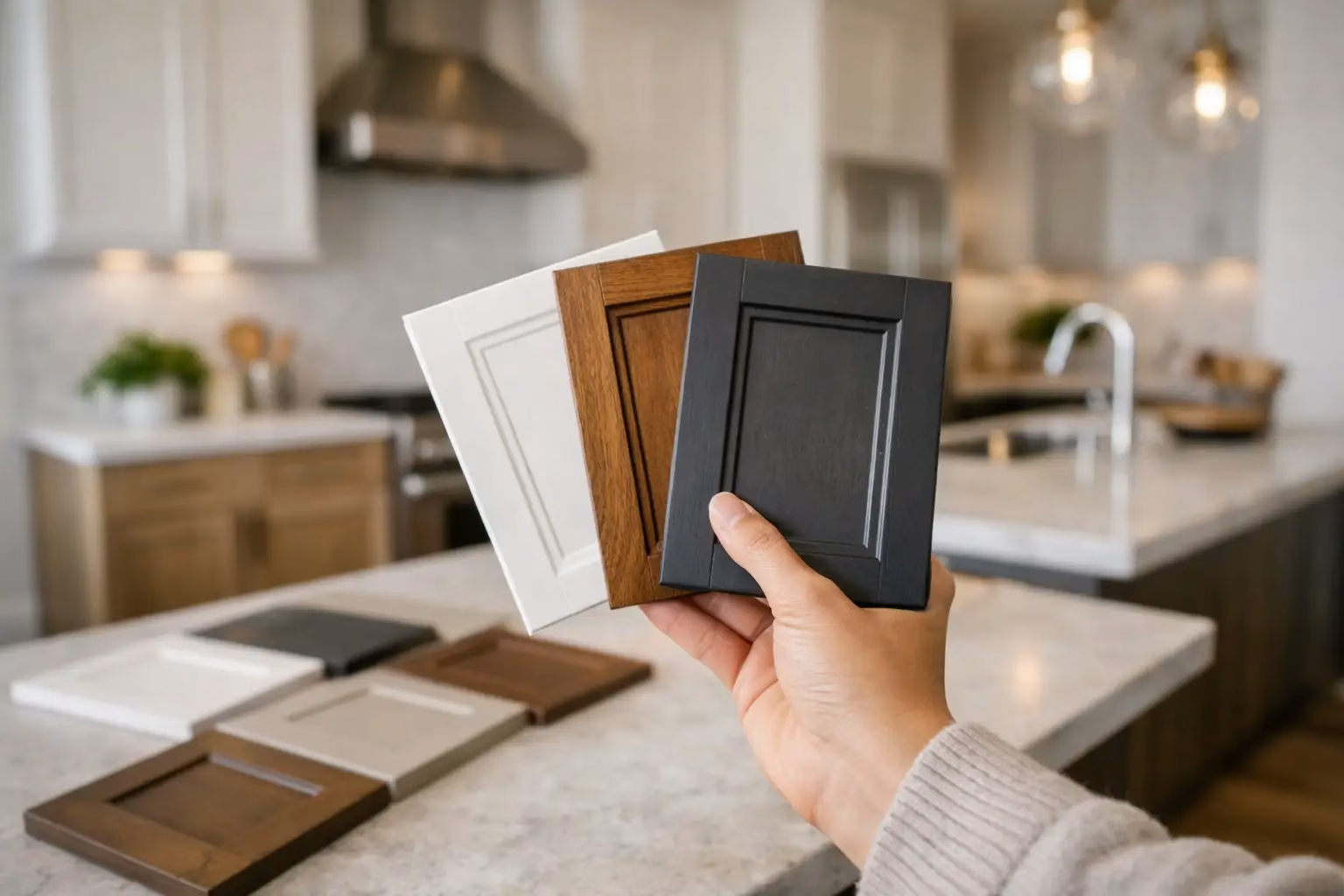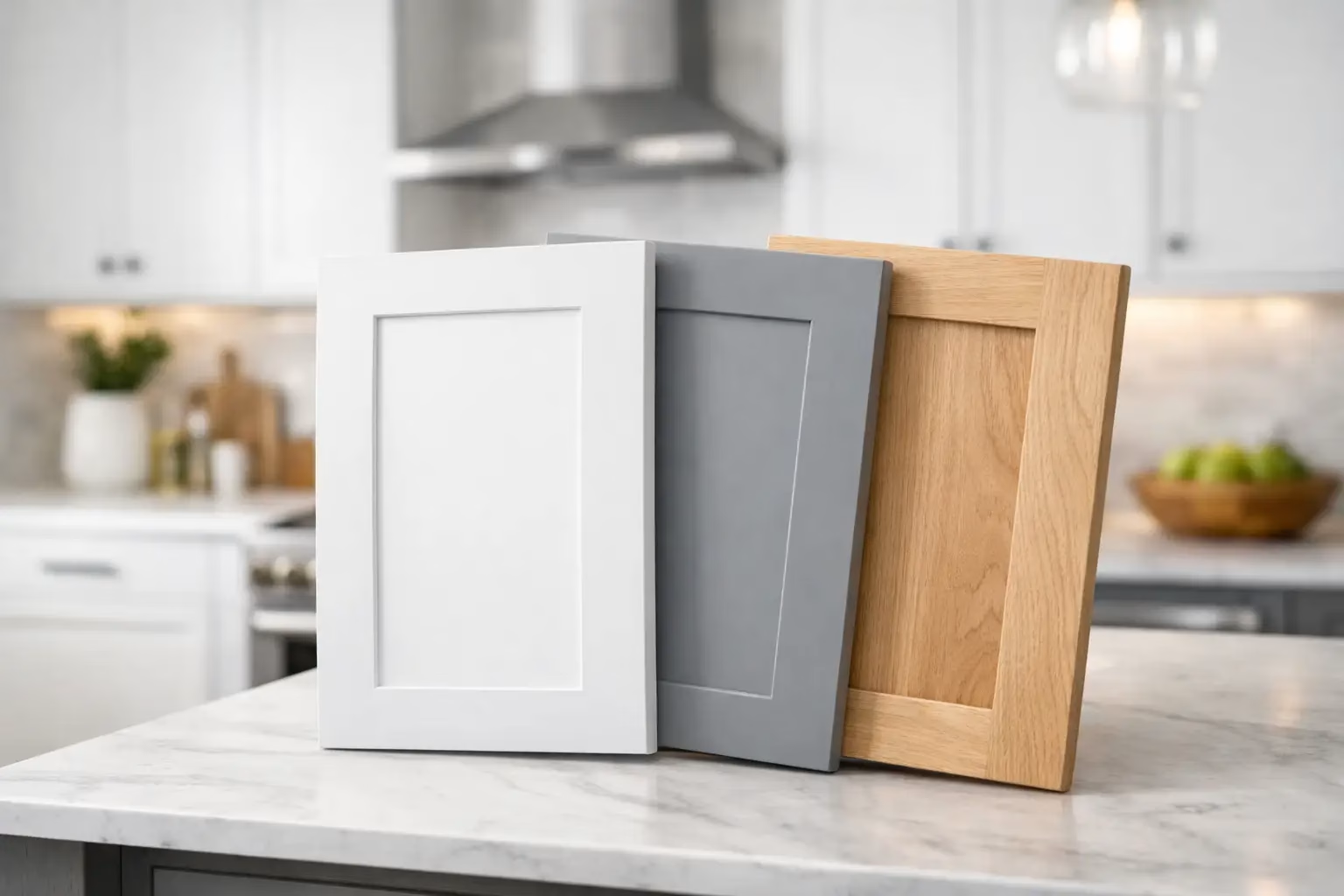
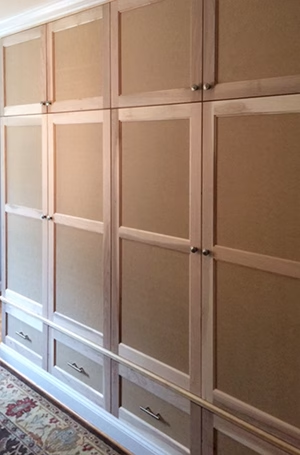
If your cabinet boxes are still solid but the fronts look dated, unfinished cabinet doors can be the difference between a full gut remodel and a smart, high-impact upgrade. They give you a clean slate – custom-sized doors you can paint or stain yourself – without paying for brand-new cabinetry you may not need.
That flexibility is exactly why so many homeowners consider them during a kitchen, bath, office, or built-in refresh. But they are not the right choice for every project. The value is real, especially in refacing, yet the best result depends on your finish goals, your timeline, and how comfortable you are with prep work.
What unfinished cabinet doors actually offer
Unfinished doors arrive sanded and ready for the next step, but not coated with paint, stain, or clear finish. In practical terms, that means you control the final look. If you want a specific white that matches trim elsewhere in the house, a custom stain that works with existing flooring, or a furniture-style painted finish, unfinished doors give you room to make those decisions yourself.
For DIY renovators, that control matters. Stock products often force you into a handful of standard sizes and a small color palette. Older homes rarely cooperate with standard sizing, and even newer homes can have cabinet openings that vary enough to make off-the-shelf replacements frustrating. Custom unfinished doors solve the fit problem first, then let you handle color on your terms.
There is also a cost conversation here. When you buy a door unfinished, you are typically not paying for factory finishing. That can reduce upfront cost, although the total project cost depends on the materials, tools, and time you invest to finish them properly. If you already paint or stain with confidence, the savings can be meaningful. If you need to buy spray equipment, workspace protection, primers, and topcoats from scratch, the math can shift.
When unfinished cabinet doors make the most sense
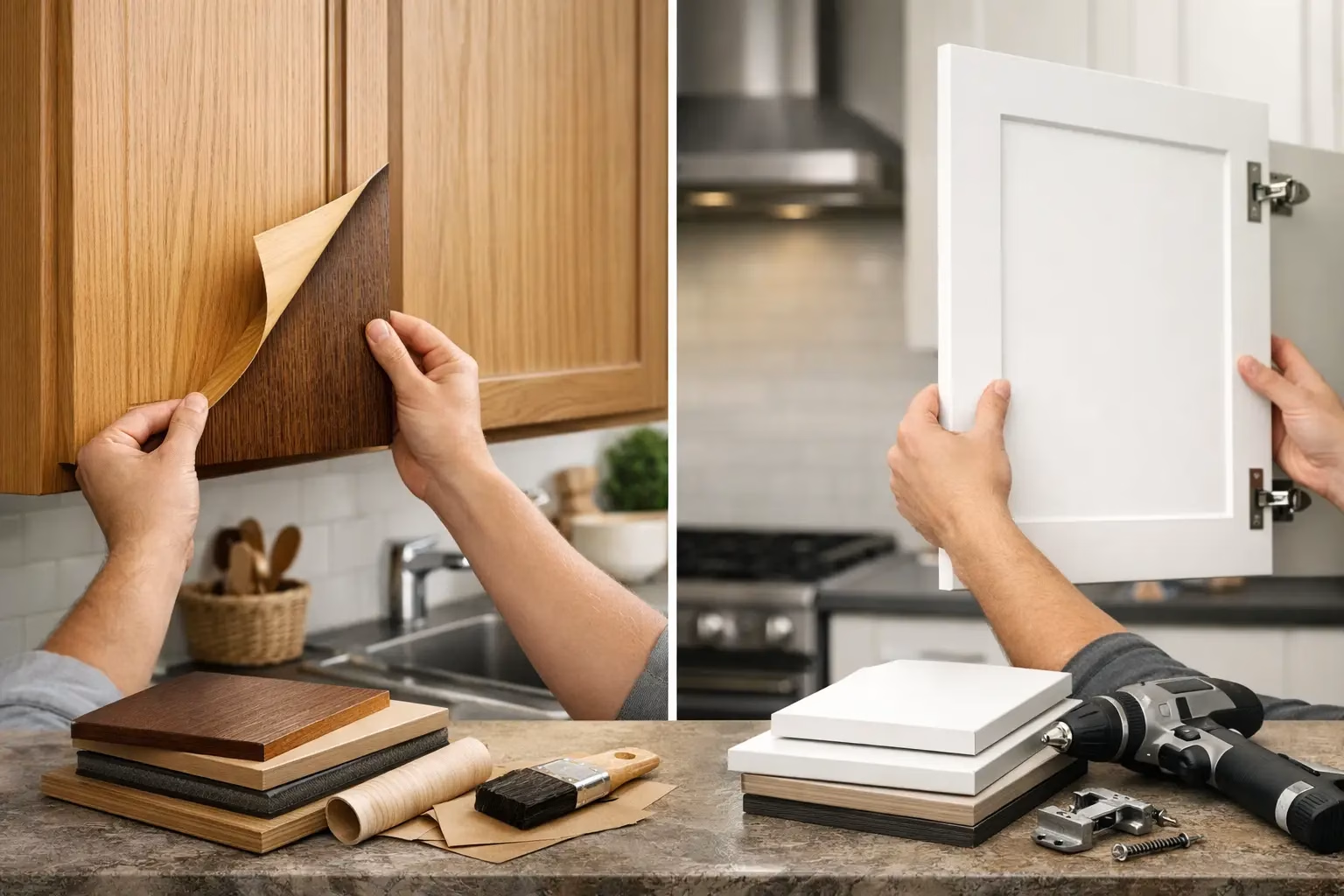
The strongest case for unfinished doors is a cabinet refacing project where the boxes are in good shape and the goal is visual transformation, not layout change. Maybe your oak kitchen screams 1996, but the cabinets are structurally sound. Maybe your bathroom vanity has builder-grade doors that never looked right. Maybe your office built-ins need a cleaner, more tailored style. In those situations, replacing only the doors and drawer fronts can produce a dramatic change for far less than full replacement.
They also make sense when color matching is non-negotiable. Factory-finished options are convenient, but they may not line up with surrounding trim, island cabinetry, or a design palette you already committed to. Unfinished doors let you work backward from the exact finish you want.
Another good fit is when you want more customization than a big-box store can offer. If your project includes mullion doors, a specific panel profile, or non-standard dimensions, custom manufacturing matters. A precise fit is what makes refacing look intentional rather than patched together.
Where unfinished doors can be the wrong choice
The biggest trade-off is labor. Unfinished means unfinished. You still need to inspect, prep, prime if painting, apply finish evenly, and allow proper cure time before daily use. If your schedule is tight or your space cannot be out of commission for long, a prefinished option may be the better path.
Skill level matters too, especially with darker paints, smooth modern styles, and stain-grade wood. A shaker door painted navy or black will show flaws more readily than a softer neutral. Stain can be even less forgiving because wood grain, species variation, and sanding technique all affect the final appearance. If you want a flawless furniture-grade finish and do not enjoy finish work, outsourcing that part or ordering finished products may save frustration.
Humidity, dust, and workspace can also work against you. A garage project in the middle of summer or winter may not give you ideal finishing conditions. Good results are possible, but conditions matter more than many first-time DIYers expect.
How to choose the right unfinished cabinet doors
Start with fit, not style. Before you fall in love with a profile, make sure you have accurate measurements for each opening. Refacing succeeds on precision. A beautiful door with the wrong overlay or hinge bore setup will slow the whole project down.
Next, think honestly about the final finish. Paint-grade and stain-grade are not interchangeable decisions. If you plan to paint, choose a door and wood option suited to painted finishes. If you want stain, pay close attention to wood species and grain character. Maple, red oak, and other species do not absorb stain the same way or deliver the same look.
Style should support the house and the room, not just current trends. A slim shaker door can modernize a kitchen quickly, while a raised panel may better fit a more traditional home. Neither is automatically right. The better question is what will still feel correct after the excitement of the remodel wears off.
Finishing unfinished cabinet doors without regret
A good finish starts before the first coat. Even if the doors arrive well prepared, inspect every surface in good light. Light sanding, careful dust removal, and patience during prep often make the difference between an average result and a professional-looking one.
For paint, primer matters. Use one that bonds well and creates a smooth base, especially if the doors will live in kitchens or bathrooms where moisture and cleaning are part of daily life. Apply thin, even coats and respect dry and cure times. Rushing recoat windows is one of the fastest ways to create a finish that chips, gums up, or prints under normal use.
For stain, test first on a sample or hidden area if possible. The same stain color can look dramatically different depending on wood species and application method. A pre-stain conditioner may help in some cases, but not every species needs it. What matters most is consistency from door to door.
Spraying usually delivers the smoothest painted finish, but high-quality brushing and rolling can still work when done carefully. If you are painting shaker doors, a small foam roller and quality brush may be enough. If you are finishing a whole kitchen and want a factory-smooth appearance, spraying becomes more attractive.
Why custom sizing changes the whole outcome
This is where many DIY projects either look custom or look compromised. Cabinets in real homes are not always built to stock assumptions. Openings can vary by fractions of an inch, hinge requirements can differ, and decorative details need proportion to feel right.
Custom unfinished cabinet doors let you solve those issues before finishing starts. That is especially important if you are updating older cabinetry, adding decorative components, or trying to carry one style across a kitchen and nearby built-ins. Precision in the order stage reduces headaches later, and it protects the investment you make in finishing.
At The Door Maker, the strongest advantage for homeowners is not just product choice. It is the ability to configure doors to your exact measurements and design preferences so the finished project looks intentional from every angle. That is what separates a simple parts swap from a real transformation.
Cost, value, and the DIY reality check
Unfinished cabinet doors can absolutely be a better value than replacing entire cabinets, but value is not just the product price. It includes your time, your confidence with finishing, and the result you are aiming for.
If you enjoy hands-on projects, already have basic tools, and want control over color and sheen, unfinished doors are often a smart buy. If you are trying to minimize labor and finish uncertainty, paying more upfront for a finished option may be worth every dollar.
The middle ground is common too. Some homeowners order custom doors and drawer fronts, then hire out only the painting or staining. That hybrid approach can still save money compared with full cabinet replacement while protecting the final look.
What matters most is choosing a path that matches your project, not someone else’s. A budget kitchen can still look high-end when the measurements are right, the door style fits the space, and the finish is handled with care.
Unfinished cabinet doors are not just a product choice. They are a project choice – one that rewards precision, patience, and a clear plan. If you want to keep your existing cabinet boxes, control the final color, and create a more custom look without taking on a full replacement, they can be one of the smartest upgrades in the room. Start with accurate measurements, be honest about your finishing skills, and give yourself enough time to do it right. The payoff shows every time you open the door.