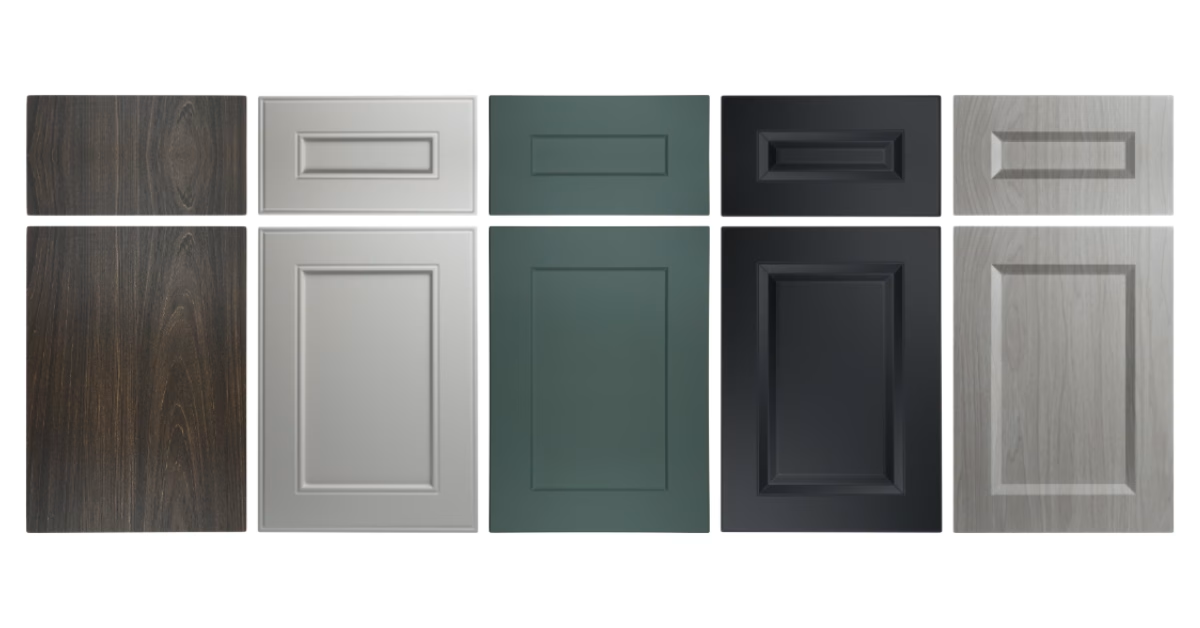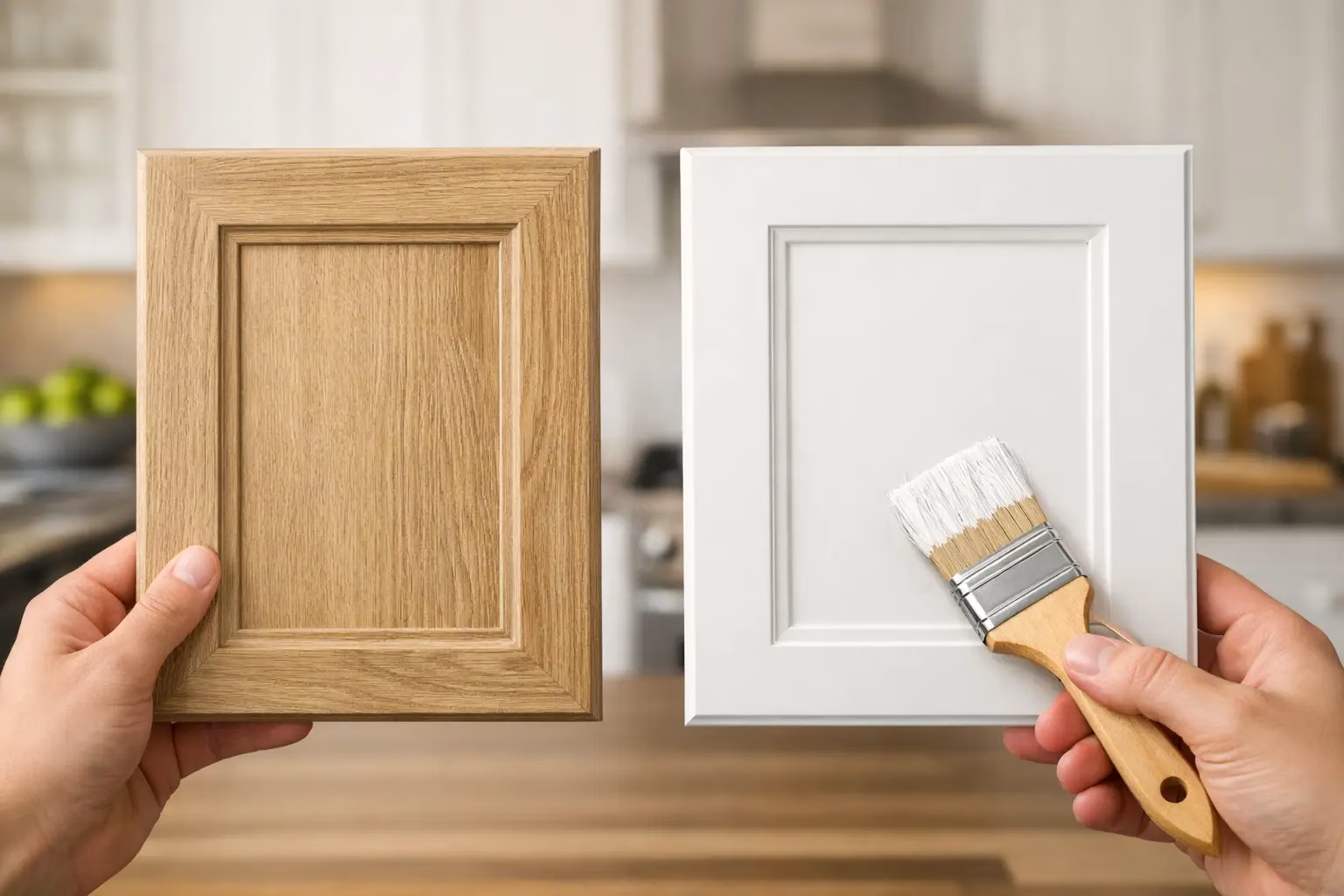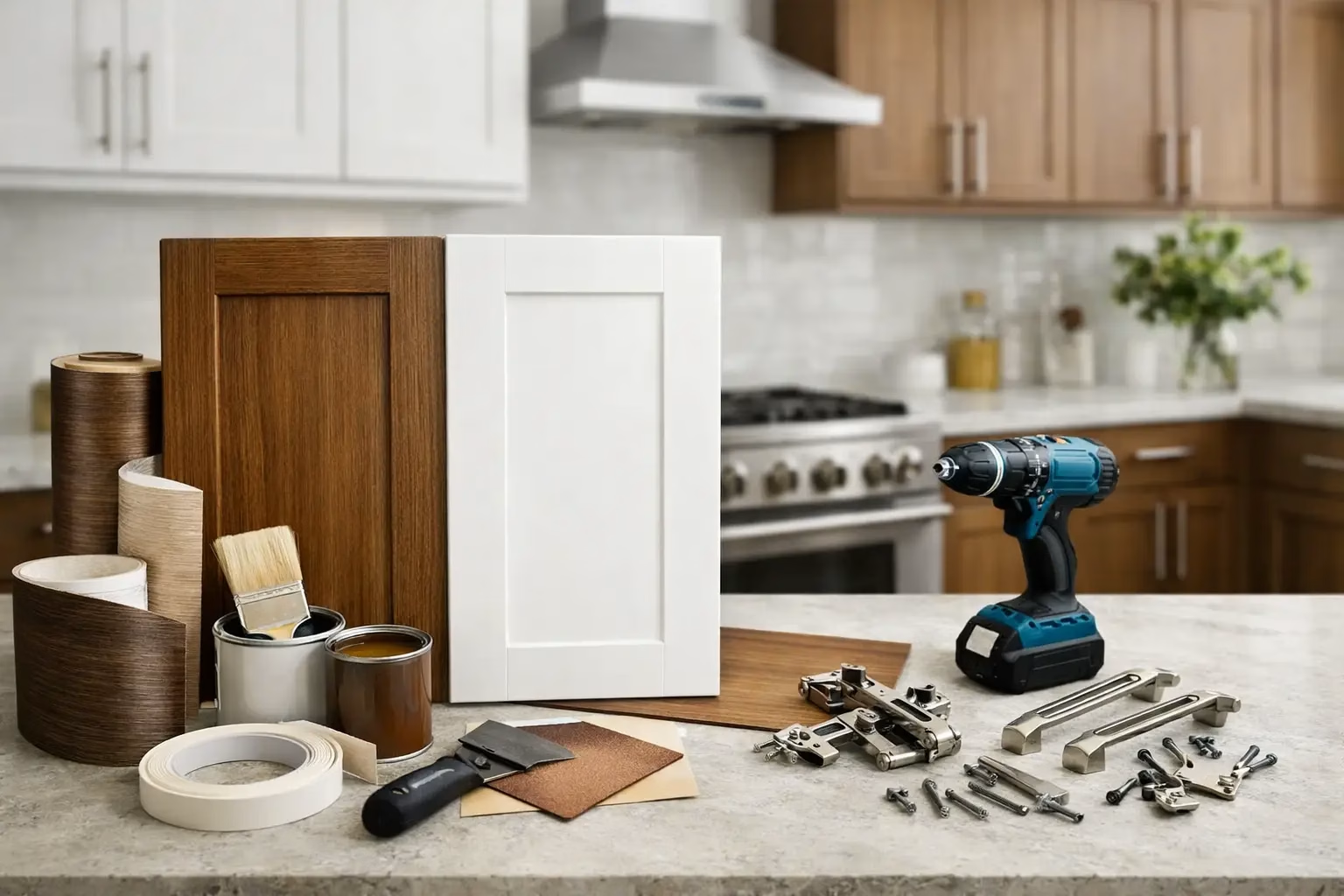
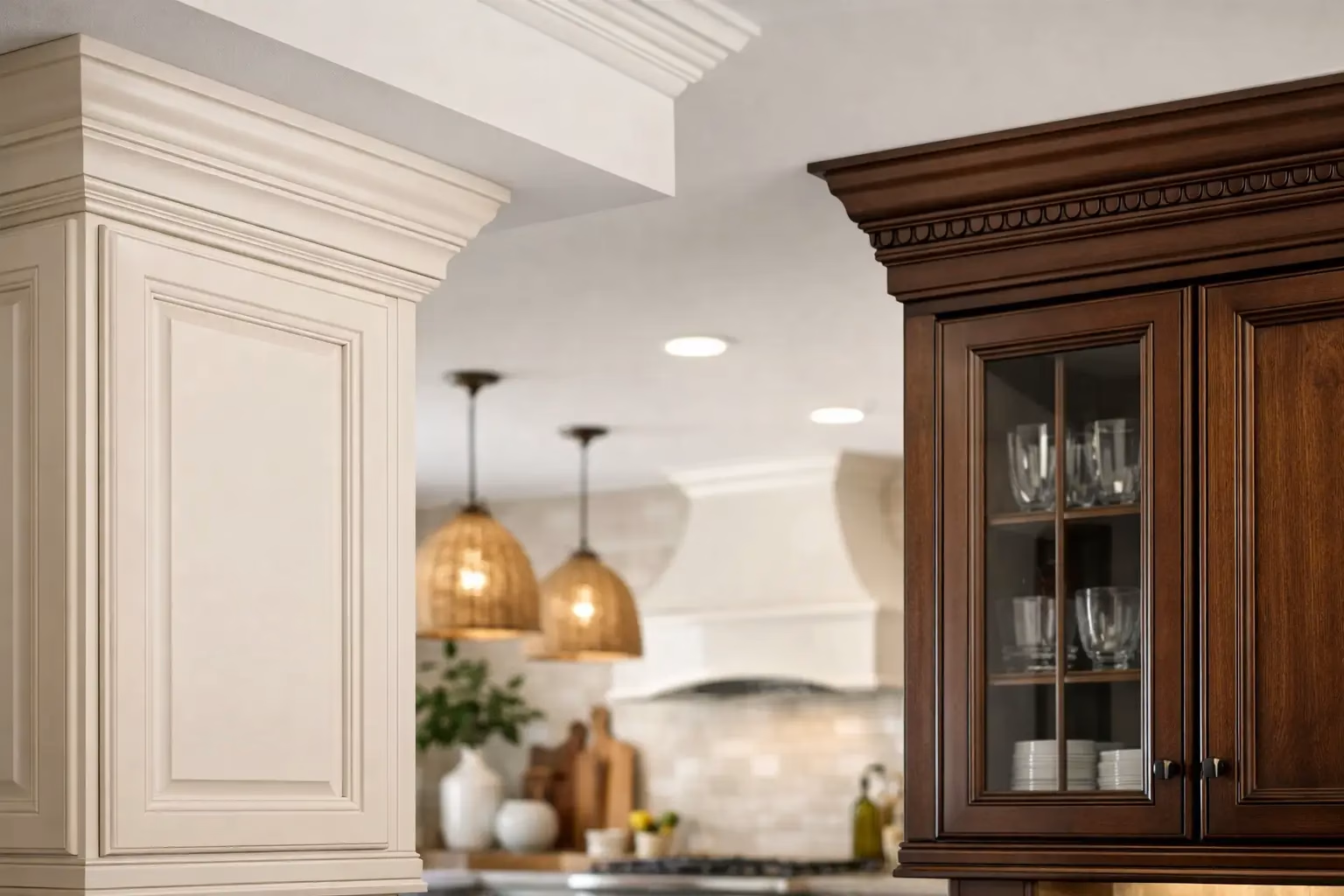
A kitchen can have beautiful cabinet doors, fresh paint, and updated hardware, yet still feel slightly unfinished. That last 5 percent often comes down to the top line of the cabinetry. The right cabinet crown molding ideas can make standard cabinets look taller, custom, and far more intentional without changing the cabinet boxes.
Crown molding is one of those details that does a lot of visual work. It closes the gap between cabinets and ceiling, adds shape where flat runs feel plain, and helps a refacing project look like a complete renovation instead of a partial update. The key is choosing a style that fits your cabinet design, your ceiling height, and the level of detail in the room.
Why cabinet crown molding changes the whole look
When upper cabinets stop short of the ceiling, the room can read as boxy or top-heavy. Crown molding softens that transition. It gives the cabinetry a finished edge and creates a stronger architectural presence, especially in kitchens with long wall runs or large focal points like range hoods and refrigerator surrounds.
It also helps tie old and new elements together. If you are refacing existing cabinet boxes, adding crown can bridge the gap between the structure you already have and the upgraded style you want. That matters in older homes, where cabinet sizes are rarely standard and where small finishing details often make the difference between “good enough” and “built for the space.”
Cabinet crown molding ideas for different styles
1. Simple crown for a clean, updated look
If your cabinet doors are shaker, slab, or otherwise minimal, a simple crown profile usually looks best. A modest curve or stepped edge adds dimension without competing with the door style. This approach works especially well in transitional kitchens where you want the room to feel fresh and tailored, not overly formal.
The trade-off is subtlety. Simple crown will not create the dramatic custom effect of a larger layered build-up, but it is easier to live with across changing trends. If you want a finish that feels timeless and works with most hardware and paint colors, this is a strong place to start.
2. Stacked crown for taller, custom-looking cabinetry
Stacked crown uses more than one molding component to build height and depth at the top of the cabinets. This is one of the most effective cabinet crown molding ideas when you want stock-height cabinetry to look more substantial.
In rooms with higher ceilings, stacked crown helps fill visual space so the cabinets do not look undersized. It can also add weight to a large kitchen island wall or a full bank of pantry cabinets. The main consideration is proportion. Too much build-up in a kitchen with 8-foot ceilings can make the space feel crowded, so this style works best when there is enough vertical room to support it.
3. Crown with a riser for full-height impact
If your cabinets do not reach the ceiling but you want that full-height appearance, crown paired with a riser is a smart solution. The riser is a flat extension above the cabinet, and the crown sits on top of it. This gives the molding room to project properly and creates the look of taller cabinetry.
This is a practical option for refacing projects because it allows you to improve the silhouette of existing cabinets without replacing the boxes. It is especially useful when there is an awkward gap above the uppers that collects dust and dates the room.
4. Traditional crown for raised panel doors
Raised panel doors and more decorative cabinet fronts usually benefit from a fuller, more classic crown profile. In these kitchens, ornate or traditional molding feels consistent with the door style rather than excessive.
You do want some restraint here. If the doors, light fixtures, backsplash, and molding all carry heavy detail, the room can start to feel busy. Traditional crown looks best when it echoes the cabinet style and supports the design instead of trying to become the main feature.
5. Flat crown for a modern or craftsman feel
Not every crown molding idea needs curves and layered profiles. Flat crown, sometimes paired with a simple top trim, creates a squared-off look that works well in modern, craftsman, and understated transitional spaces.
This style is particularly useful when you want a clean top line but still need a finished transition at the ceiling. It tends to pair well with shaker doors and painted finishes. It is also more forgiving in rooms where highly decorative profiles would feel out of place.
6. Crown around a range hood for a focal point
One of the best ways to make crown molding feel intentional is to carry it into a focal area. A range hood surround with matching crown can anchor the whole kitchen and give the cabinetry a more custom-built appearance.
This works best when the hood area already has some visual weight. If the hood is very small or the surrounding cabinetry is minimal, too much molding can overwhelm it. But in kitchens with a centered cooking wall, this detail often makes the whole design feel more cohesive.
7. Continuous crown across cabinets and panels
If your kitchen includes tall pantry cabinets, refrigerator panels, or decorative end panels, running the crown continuously across all of them creates a more furniture-like result. Instead of treating each section separately, the entire wall reads as one unified installation.
This is a strong choice for larger kitchens and open-concept layouts, where cabinetry is visible from living or dining areas. It creates cleaner sightlines and a more polished finish. It does take planning, though, especially when different cabinet heights meet in one area.
8. Crown that stops short in low-ceiling rooms
Sometimes the best cabinet crown molding ideas are the ones that respect the room. In kitchens with soffits, low ceilings, or uneven ceiling lines, full projecting crown may not be the right answer. A smaller profile or a crown that dies into the wall before a tight area can look far better than forcing a larger molding where it does not fit.
This is one of those situations where “custom” really matters. Homes are full of quirks, and good finishing work accounts for them instead of pretending they are not there.
9. Matching crown and light rail for a complete finish
Top trim gets most of the attention, but the bottom edge of upper cabinets matters too. Pairing crown molding at the top with light rail underneath gives cabinets a more complete, balanced look.
This combination is especially effective in refacing projects, because it helps upgraded doors feel fully integrated into the cabinet structure. If you are already investing in custom fronts, finishing both the top and bottom edges can make the result feel much more deliberate.
How to choose the right cabinet crown molding ideas for your space
Start with the cabinet door style. Shaker and slab doors usually look best with simpler crown profiles, while raised panel and more traditional door styles can support additional detail. The molding should feel related to the door, not disconnected from it.
Then look at ceiling height. In an 8-foot room, oversized stacked crown can eat up too much space. In a 9-foot or taller room, small crown may look skimpy. Scale matters more than people expect.
Paint color also affects the outcome. White or light-painted cabinets can handle a bit more profile because shadows help define the shape. Dark finishes tend to hide small details, so if you want the crown to stand out, the profile needs enough depth to be visible.
Finally, think about how much transformation you are really after. If you want a subtle finish, simple crown may be enough. If you are trying to make older cabinet boxes feel fully custom, a riser with stacked molding often gives you more impact.
Installation details that affect the final result
Even the best molding choice can fall flat if the fit is off. Ceiling lines are not always level, corners are not always square, and older cabinets may have slight variations that become obvious once trim is installed. Precision matters here.
That is why planning the entire top section before ordering is worth the effort. Measure cabinet height, note the gap to the ceiling, and decide whether the crown will sit directly on the cabinet or on a riser. If your layout includes corners, refrigerator panels, or a range hood, those transitions need to be considered from the start.
For DIY homeowners, this is also the stage where custom components can save a lot of frustration. A made-to-order approach helps the decorative pieces work with your existing cabinetry instead of forcing your project into stock dimensions. Companies like TDM – The Door Maker serve this kind of project well because the goal is not just replacing doors. It is creating a finished, fitted result that looks intentional from every angle.
When crown molding may not be the right move
Crown is a great finishing detail, but it is not mandatory in every space. In very modern kitchens, especially those using slab fronts and horizontal lines, no crown at all may be the cleaner choice. The same can be true in utility rooms, garages, or laundry spaces where a streamlined and functional look makes more sense.
You may also want to skip crown if your ceilings are highly uneven and you are not prepared to scribe or adjust the trim carefully. Poorly fitted crown draws attention for the wrong reasons. In that case, a smaller top trim or flat finished edge may give you a better result.
The best cabinet crown molding ideas are the ones that match the room you actually have, not the one in a showroom photo. When the style, scale, and fit all work together, crown molding does more than decorate the cabinets – it helps the whole project feel complete.