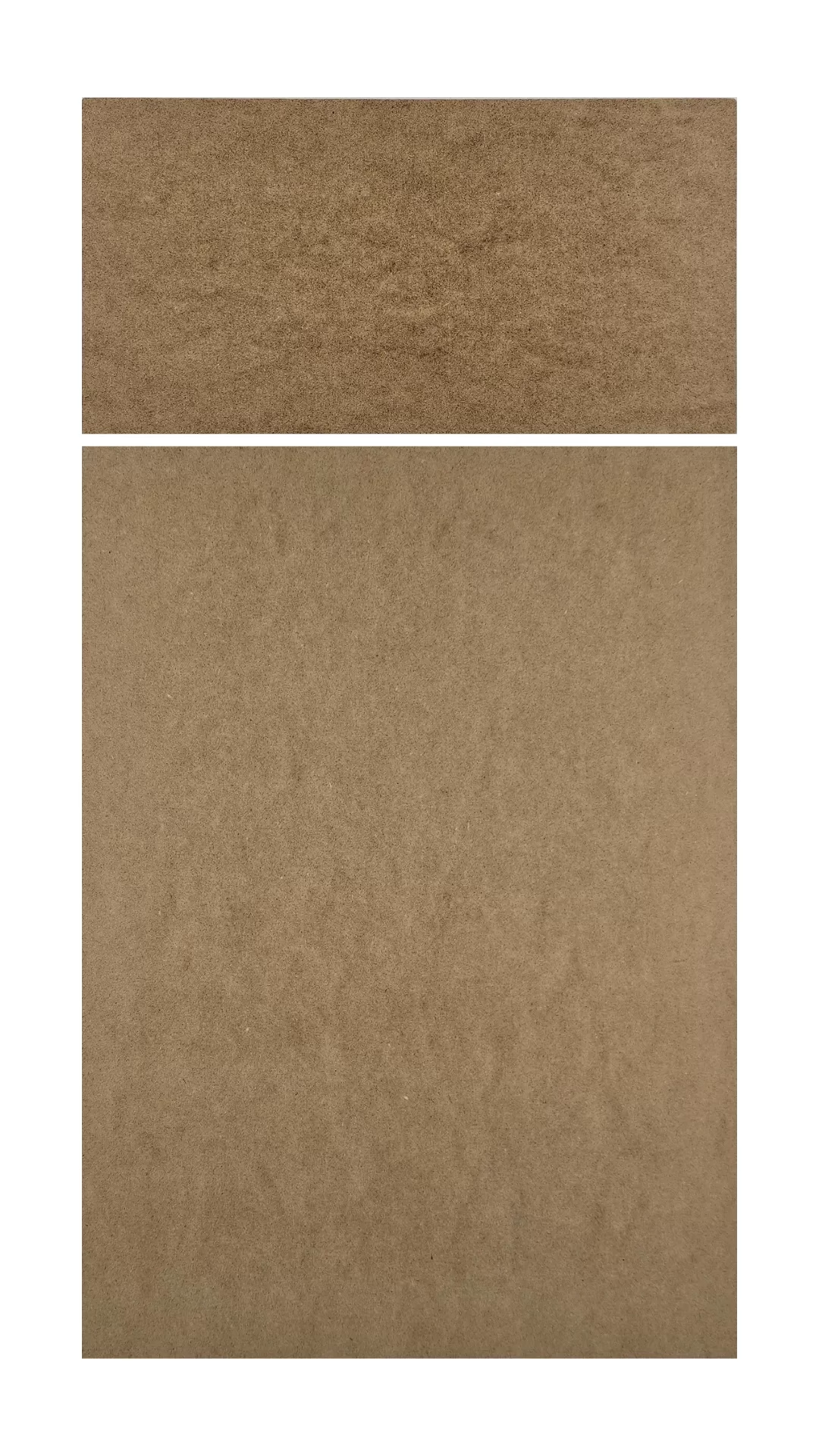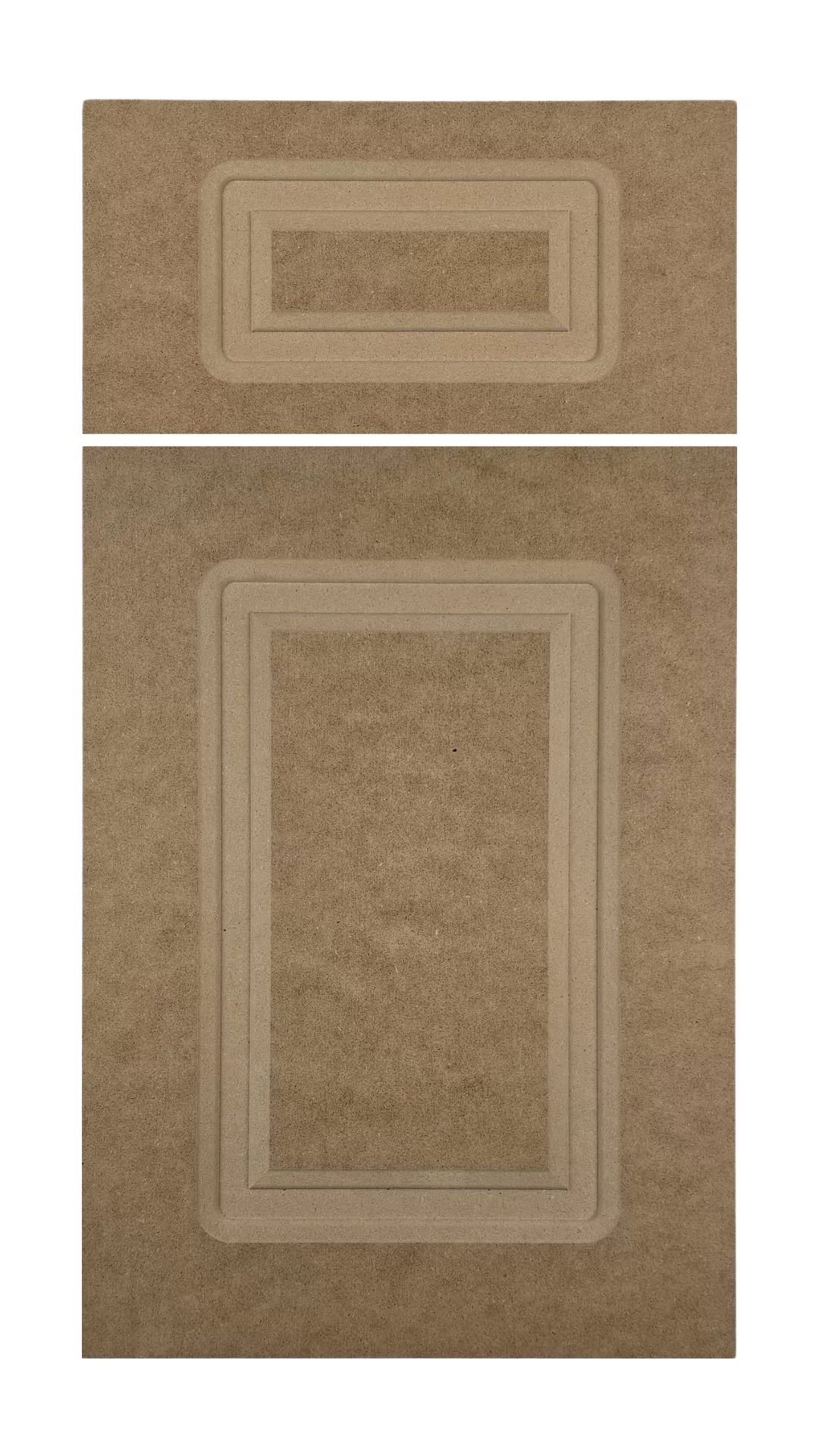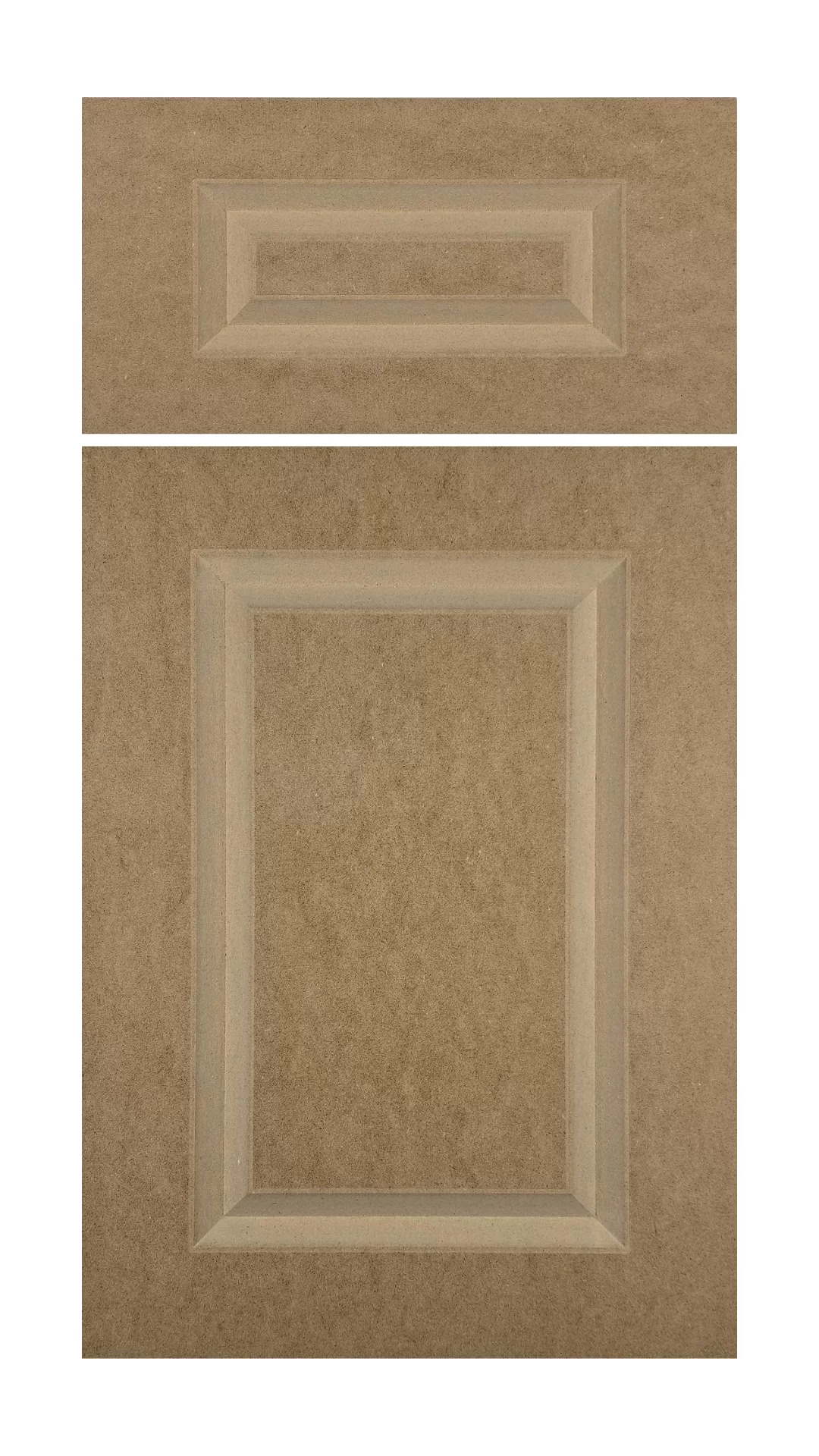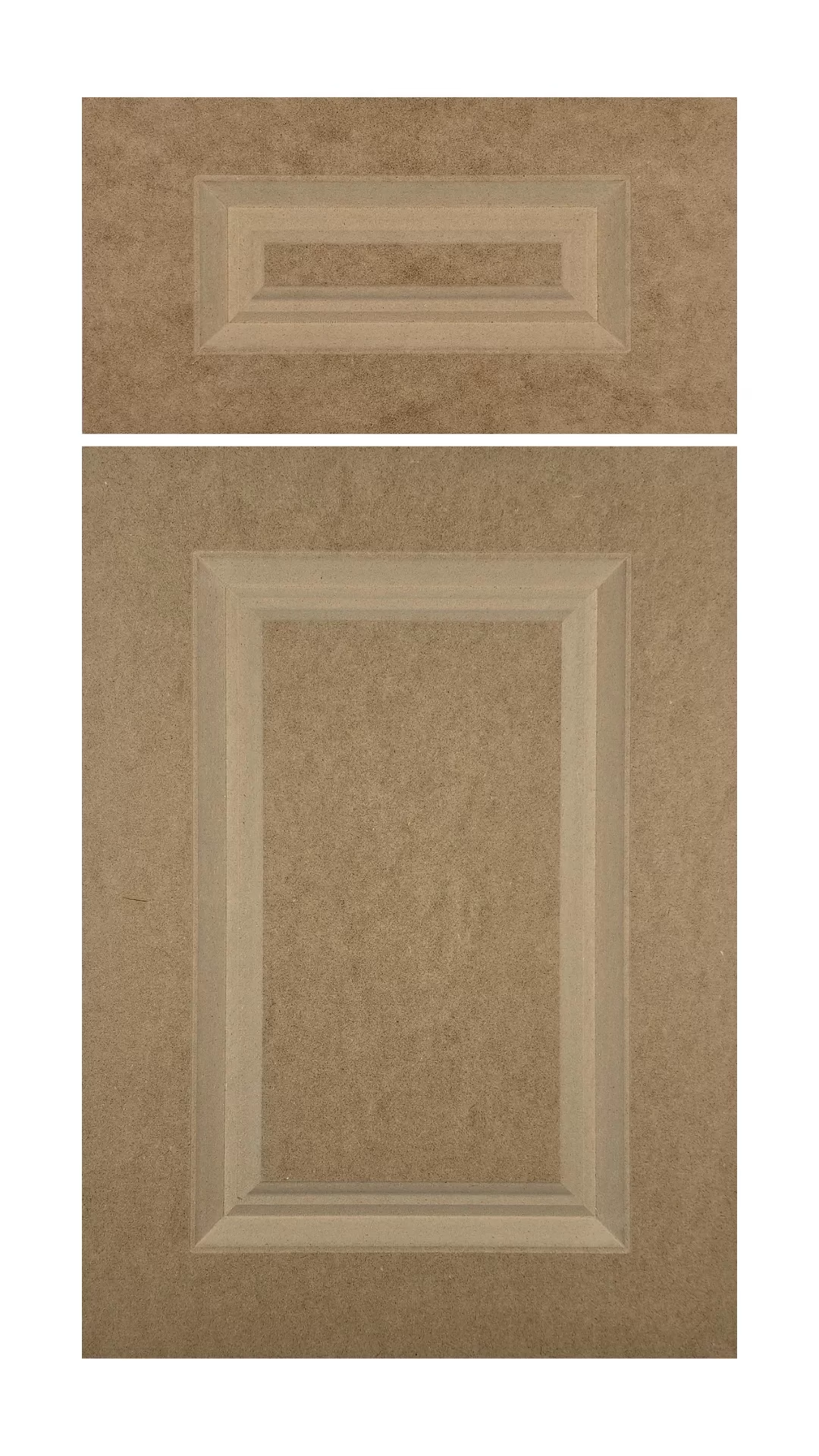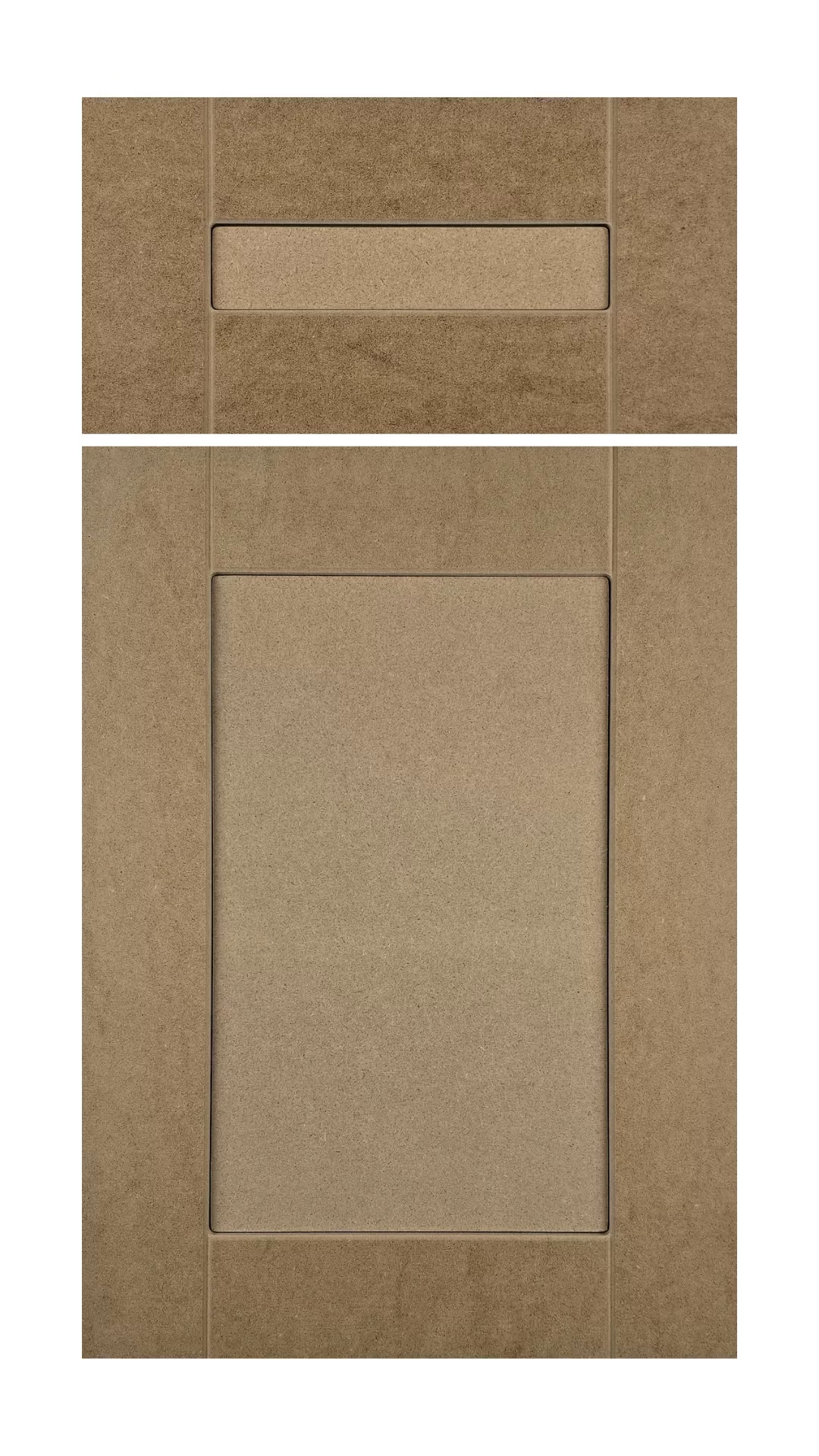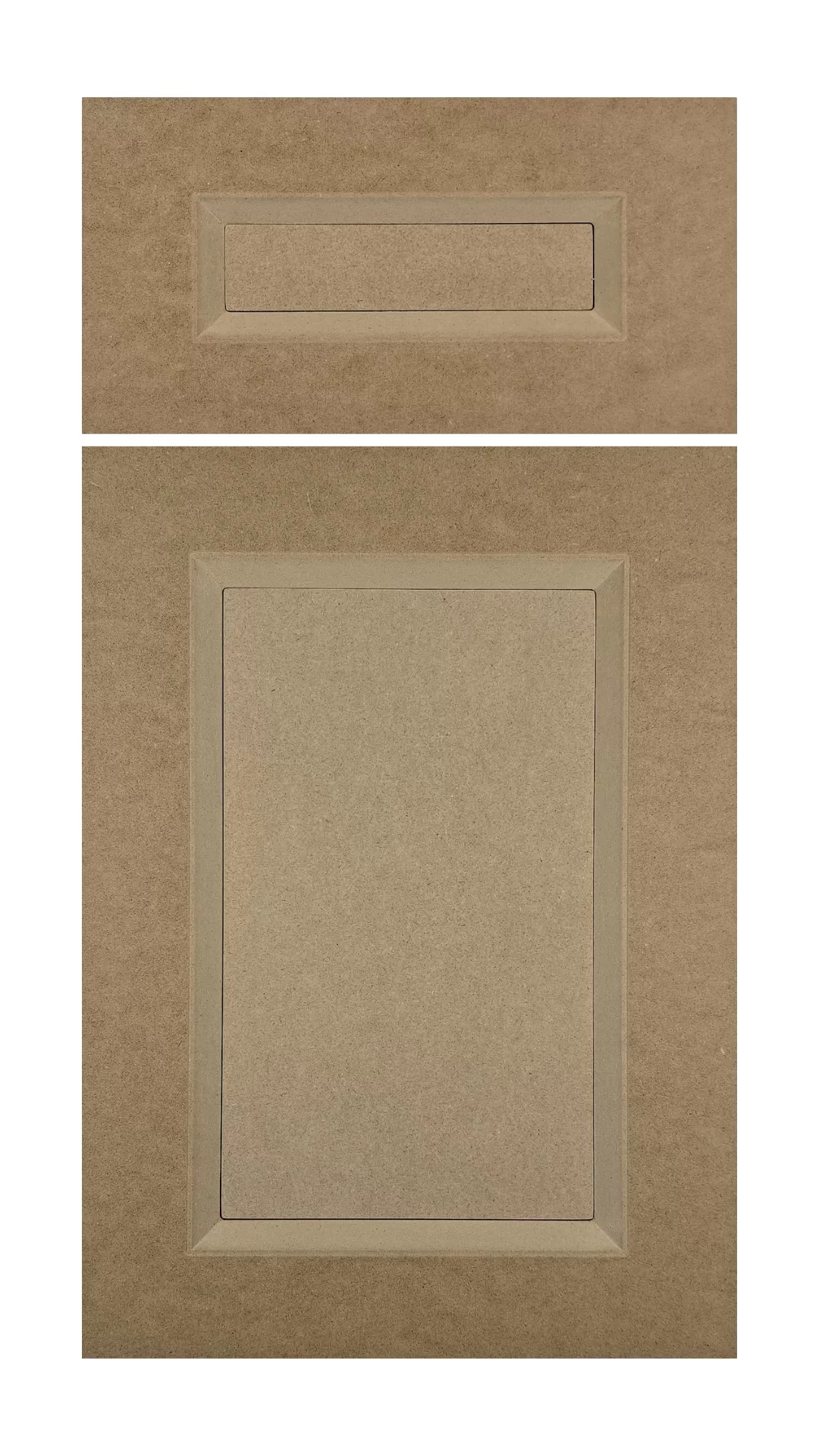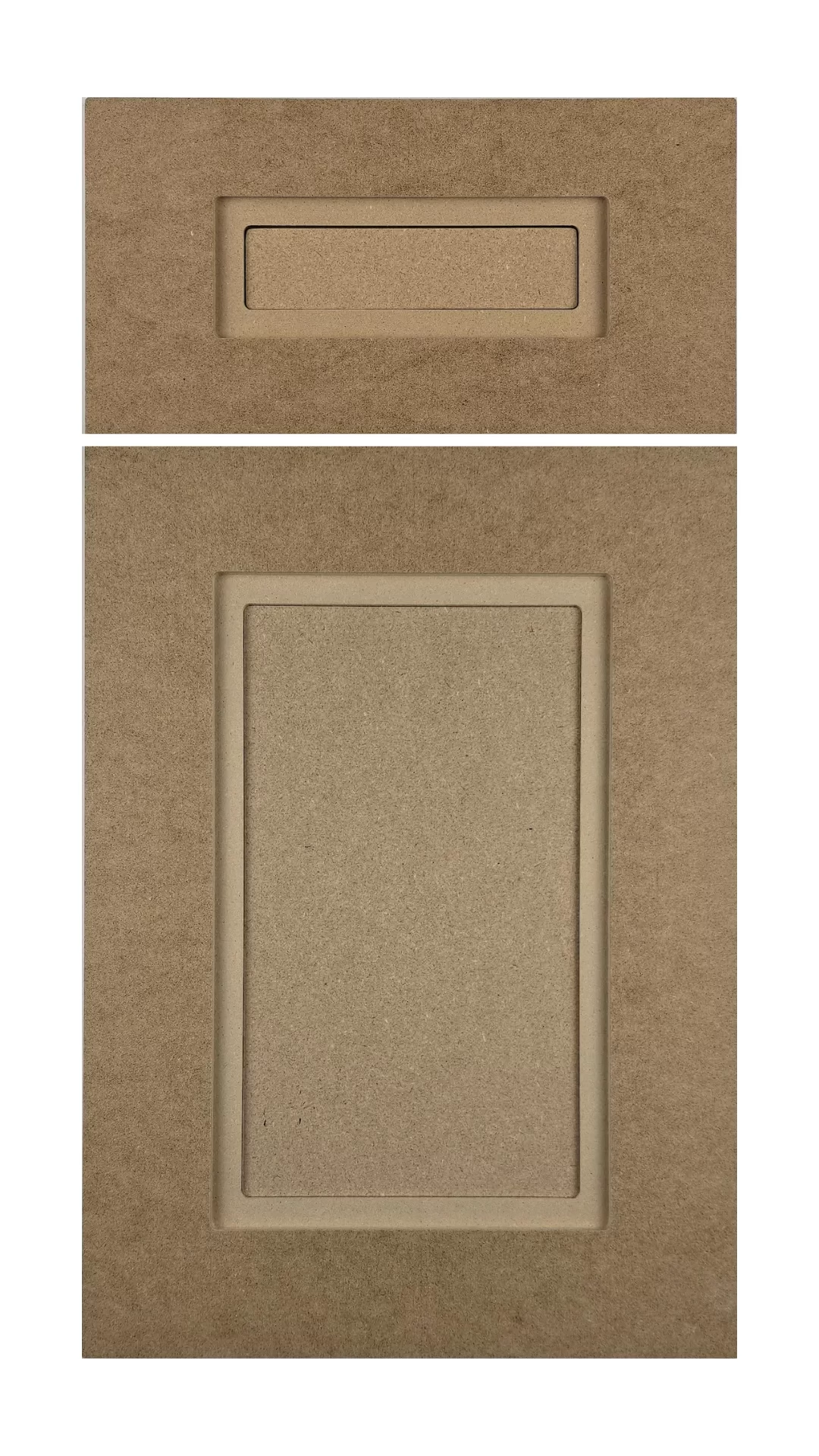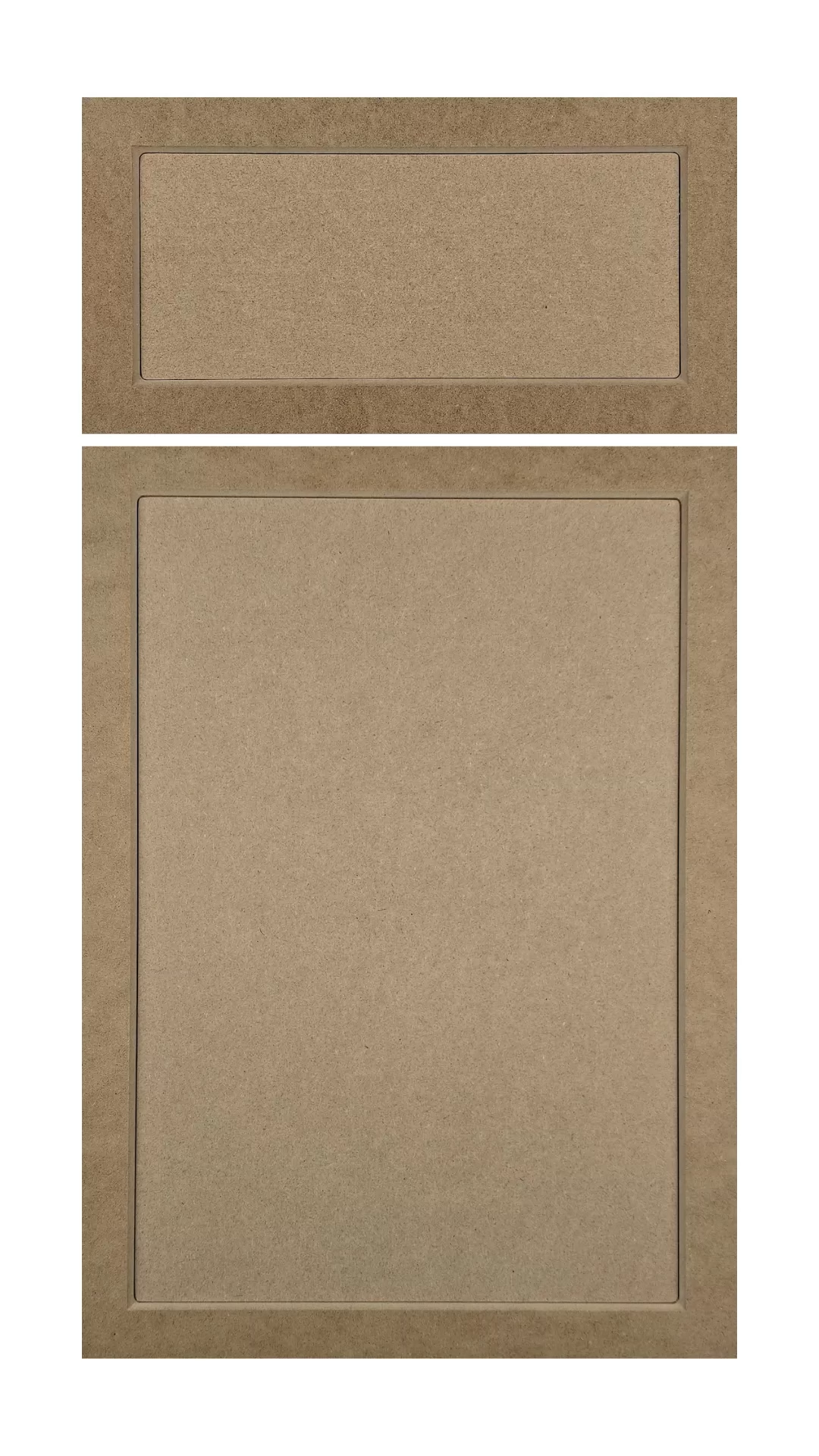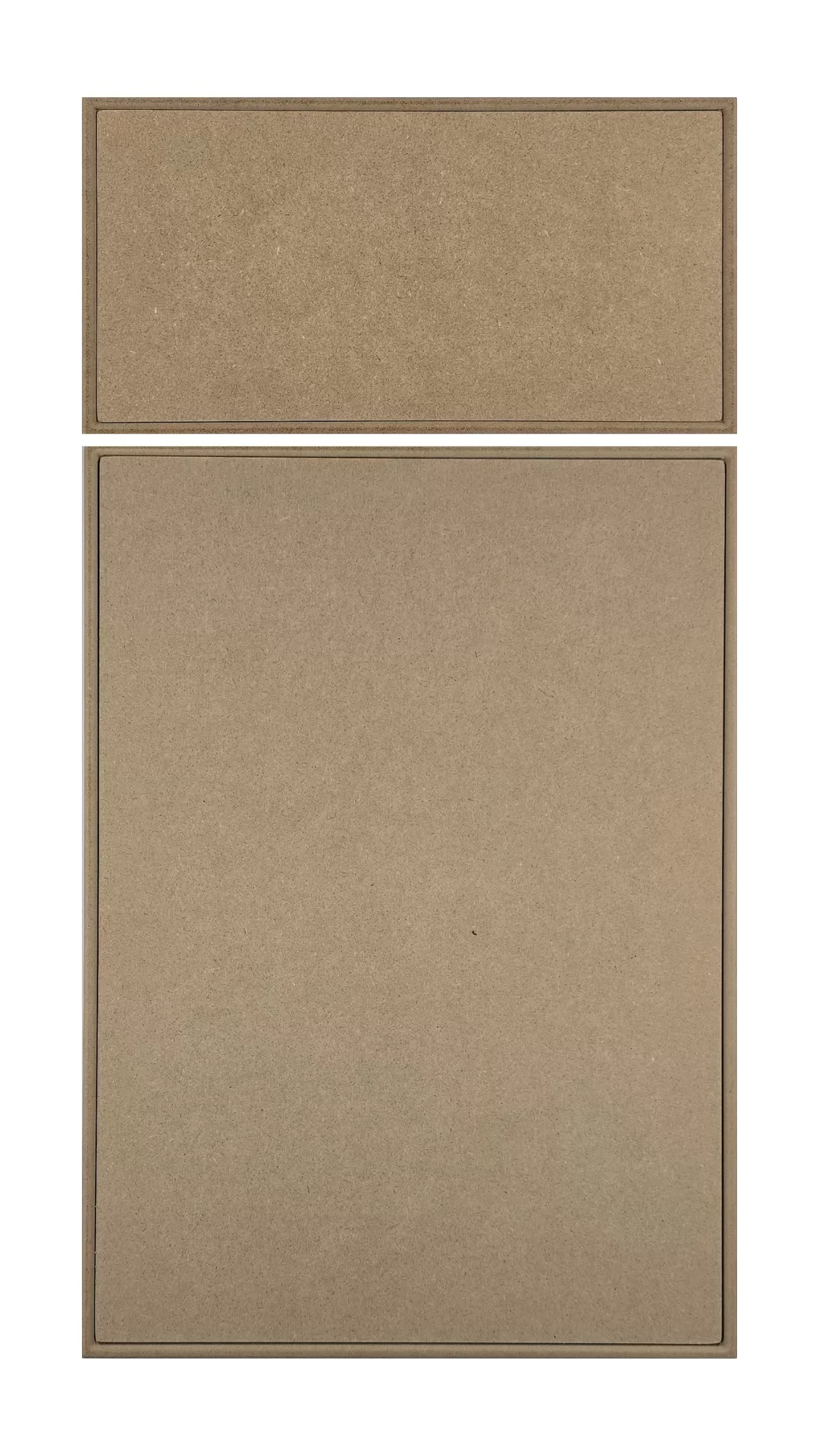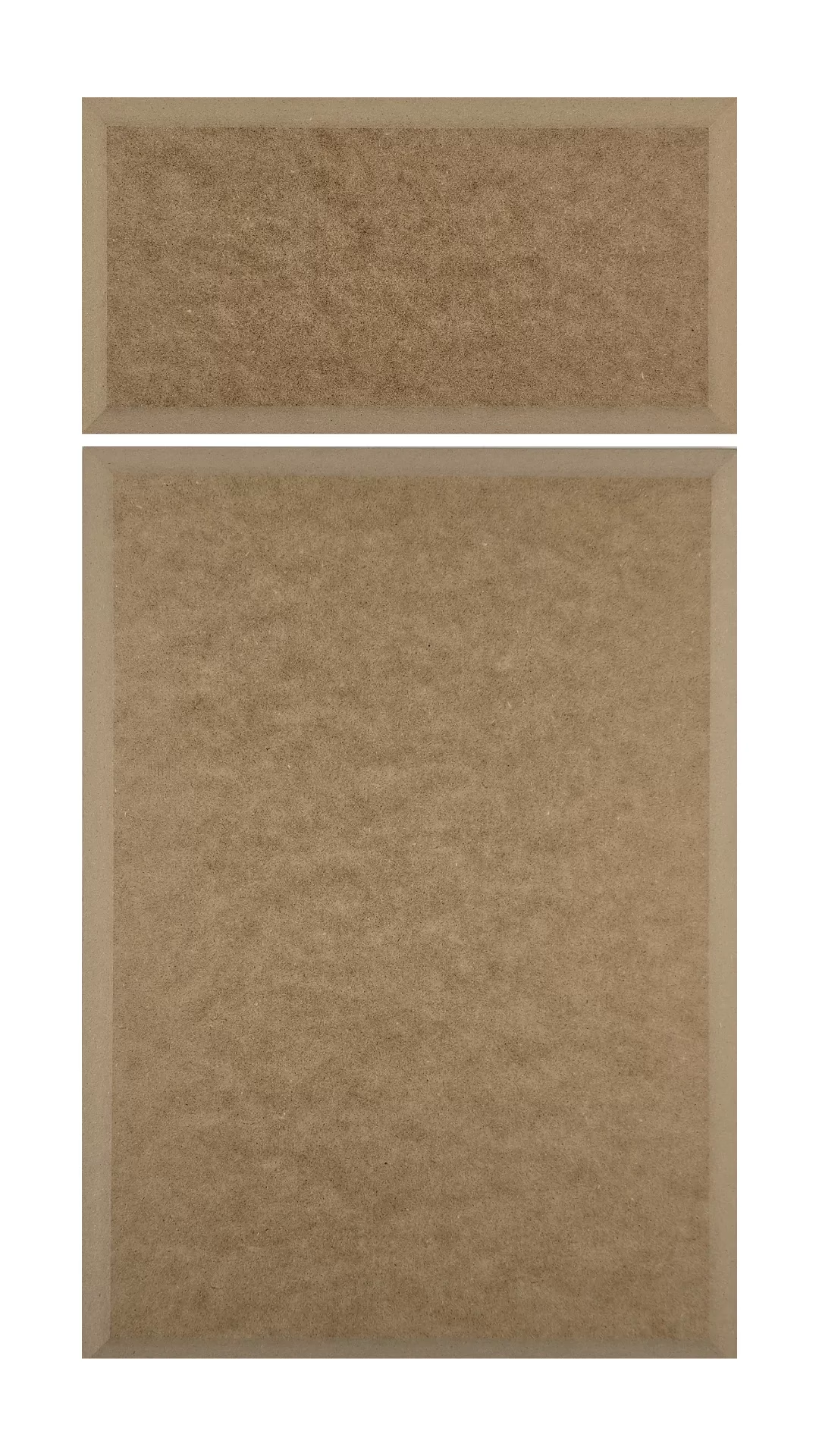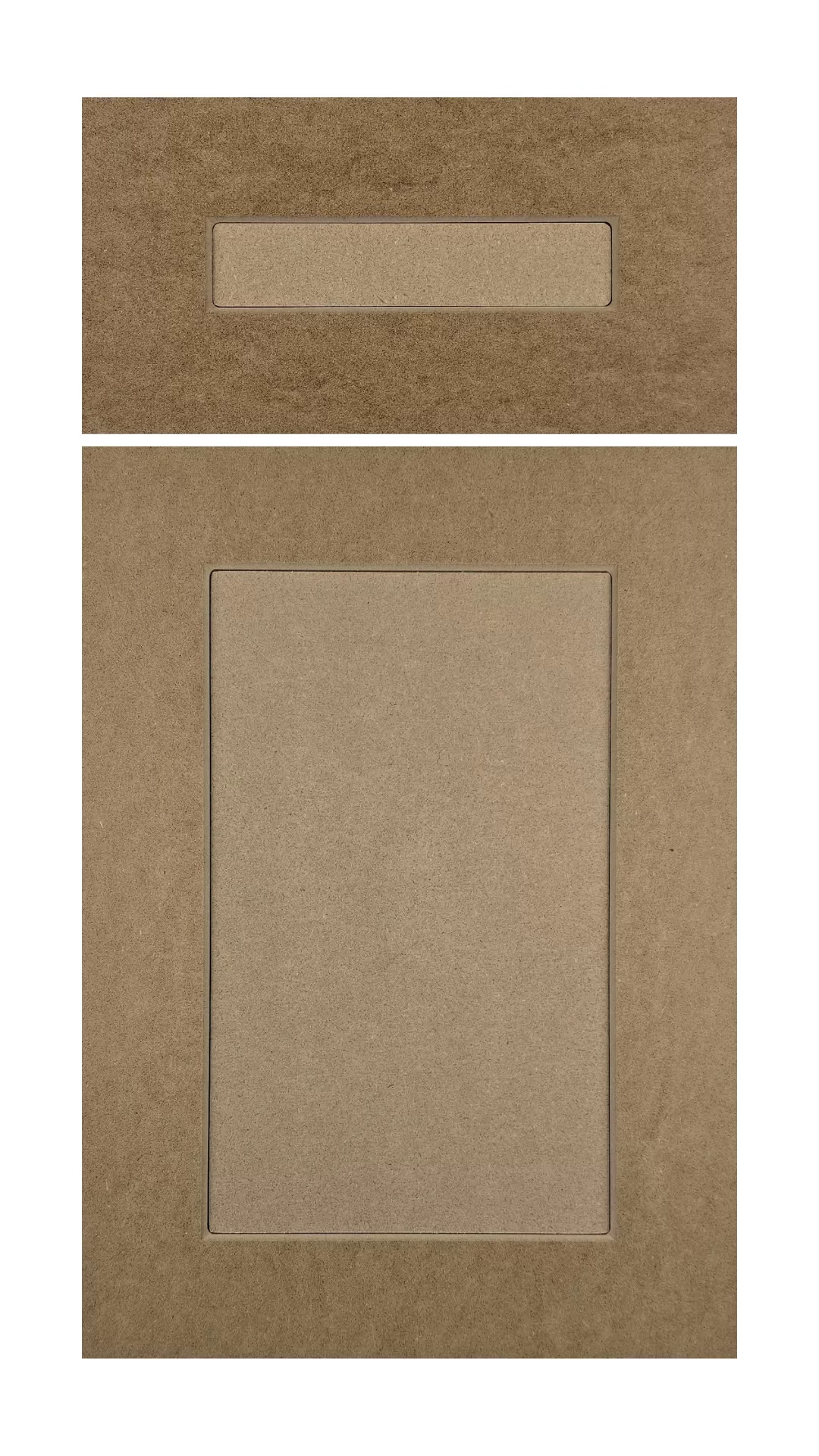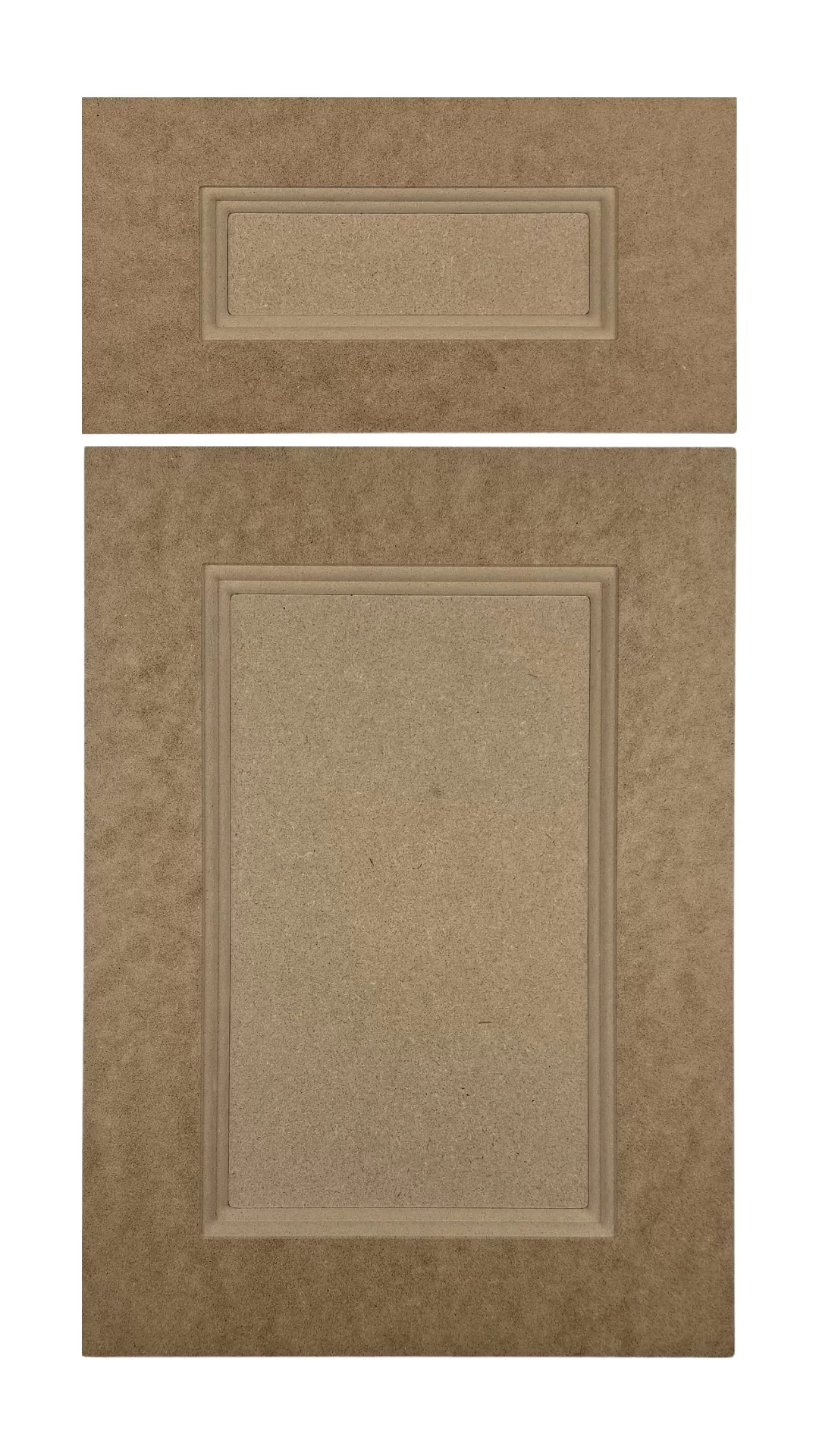
If you have solid cabinet boxes but dated doors, a cabinet refacing kit review matters a lot more than glossy before-and-after photos. The real test is simpler: does the kit give you a clean, lasting finish without turning your kitchen into a weekslong correction project? That comes down to fit, material quality, color consistency, and how forgiving the system is when real-world cabinets are not perfectly square.
For most homeowners, cabinet refacing sits in the sweet spot between a cosmetic patch and a full remodel. You keep the existing cabinet structure, replace visible fronts, cover exposed cabinet frames, and update hardware for a new look at a lower cost than replacing everything. But not every kit gets you there with the same level of precision.
Cabinet refacing kit review: what actually matters
A lot of refacing kits look similar at first glance. They promise a fresh finish, easy installation, and savings over new cabinets. Those claims can be true, but the differences show up fast once you start measuring and installing.
The first thing to look at is whether the kit is based on stock sizing or made-to-order components. Stock kits can work in straightforward kitchens, especially if your cabinet openings match common dimensions. In older homes, custom layouts, or kitchens with filler strips and uneven reveals, stock sizing often creates the kind of small mismatches your eye catches immediately. Gaps that look minor on paper can make the whole project feel off.
Material quality is the next big separator. Thin veneers can look good on day one and disappoint later if edges lift, colors vary, or the surface scratches too easily. Better refacing systems use durable finishes, stable core materials, and components designed to stand up to normal kitchen wear. If you’re investing time into the project yourself, the finish needs to feel worth that effort.
Then there is installation realism. Some kits market themselves as beginner-friendly, but they assume accurate measuring, clean prep work, and a cabinet layout with very few surprises. If the product only works well under perfect conditions, that is not really a forgiving DIY system.
Where cabinet refacing kits perform well
A good kit can deliver a dramatic transformation without the cost, demolition, and downtime of a full replacement. If your cabinet boxes are structurally sound, refacing is often the smarter spend. You are paying for the visible upgrade rather than rebuilding what still works.
This is especially attractive in kitchens, bathrooms, offices, and laundry rooms where the layout already functions well. You may not need new cabinet boxes. You may just need cleaner lines, updated door styles, better color choices, and a finish that feels current.
Well-designed kits also help homeowners stay in control of the project. You can phase hardware updates, choose your style direction, and avoid the disruption that comes with tearing out a working kitchen. For budget-conscious remodels, that flexibility is a real advantage.
Where many refacing kits fall short
The biggest weak point in many kits is the assumption that cabinet refacing is mainly a materials problem. In practice, it is a precision problem. If your measurements are off, if the doors are generic instead of built for your openings, or if the finish materials are inconsistent, the project can quickly shift from upgrade to compromise.
Peel-and-stick surfaces are one example. Some work reasonably well on smooth, well-prepped frames. Others struggle around corners, near sinks, or in high-use areas where moisture and repeated contact test the adhesive over time. If the surface prep is not perfect, the results usually show.
Another issue is limited design flexibility. Some kits offer only a narrow range of sizes, profiles, and colors. That may be fine if your goal is basic refresh. It is less appealing if you want a tailored look that matches the style of your home. Kitchens are visual spaces. Small design limitations can have a big impact on the final result.
What to check before you buy
The best cabinet refacing kit review is the one you do against your own kitchen before ordering. Start by looking at your cabinet boxes honestly. Are they level enough, square enough, and in good condition? Refacing improves appearance, but it does not fix structural problems.
Next, consider whether your kitchen has standard dimensions. Many homes do not. If your cabinets were site-built, modified over time, or installed decades ago, custom sizing may save you frustration later. That is where made-to-order doors and drawer fronts have a clear advantage over boxed kits built around standard assumptions.
Pay close attention to finish options. The color on a website can be helpful, but samples tell the truth. In a kitchen, lighting changes everything. White can turn creamy, gray can read blue, and wood tones can shift dramatically between morning and evening light. A finish that looks right online may not feel right in your space.
You should also look at what support is available. Clear measuring help, installation guidance, and responsive customer service are not extras. For DIY homeowners, they are part of the product. A kit with limited support may cost less upfront and more in mistakes.
Stock kit vs. custom refacing components
This is where many shoppers end up making the real decision. A stock kit usually wins on speed and apparent simplicity. If your layout is predictable and you are comfortable adapting around limitations, it can be a workable path.
Custom refacing components usually win on fit, finish, and design control. Instead of forcing your cabinets to match a preset range, the doors and drawer fronts are built to your measurements. That matters if you want tighter reveals, cleaner alignment, and a more professional final look.
For homeowners comparing big-box options to custom ordering, the trade-off is straightforward. Stock products may feel easier at the start. Custom products tend to look better at the end. If your goal is a result that feels high-end rather than just updated, precision matters more than convenience marketing.
That is one reason many DIY renovators move toward custom-sized solutions from specialists such as The Door Maker. When the cabinet boxes are worth keeping, custom-built doors and matching components often produce the strongest value because they solve the fit problem instead of working around it.
How we would rate a cabinet refacing kit
In a practical cabinet refacing kit review, we would score products on five areas: accuracy, finish quality, install difficulty, design flexibility, and long-term value.
Accuracy is first because fit affects everything else. Even a beautiful door style loses impact if spacing is inconsistent or drawer fronts do not sit cleanly.
Finish quality comes next. You want surfaces that feel durable, edges that look intentional, and color consistency across all visible components. A kitchen upgrade should hold up to traffic, cleaning, and daily use.
Install difficulty should be judged honestly, not by marketing copy. A truly DIY-friendly solution gives clear measuring guidance, reasonable tolerances, and a process that does not collapse over one minor cabinet irregularity.
Design flexibility matters because homeowners are not all trying to build the same kitchen. Shaker, raised panel, slab, glass-ready options, decorative components, and color choices all affect whether the project feels customized or generic.
Long-term value is the final score, and it usually decides the winner. The cheapest route is not always the best buy if it leads to visible shortcuts or earlier replacement.
Who should buy a cabinet refacing kit
If your cabinet boxes are in good condition, your layout works, and you want a major visual upgrade without a full remodel, a refacing kit can be a very smart move. It is especially appealing for homeowners who want to control costs while still making meaningful design improvements.
If your kitchen has unusual dimensions, though, the better choice may not be a one-size-fits-most kit. It may be a custom refacing approach built around your exact measurements. That path usually asks for a little more care upfront and rewards you with a cleaner result.
If the cabinet boxes are damaged, poorly installed, or no longer functional for your storage needs, refacing may not go far enough. In that case, replacement deserves a serious look. The right choice depends on whether you are solving an appearance issue or a layout problem.
Final take
Most cabinet refacing kits deliver what they promise only when the kitchen is simple and the expectations are modest. If you want a finish that looks intentional, fits correctly, and holds up over time, the strongest results usually come from precise measurements, durable materials, and customization that respects the realities of your space.
A good project starts with honest measuring and clear priorities. If you get those right, cabinet refacing can be one of the most satisfying upgrades you make to your home.