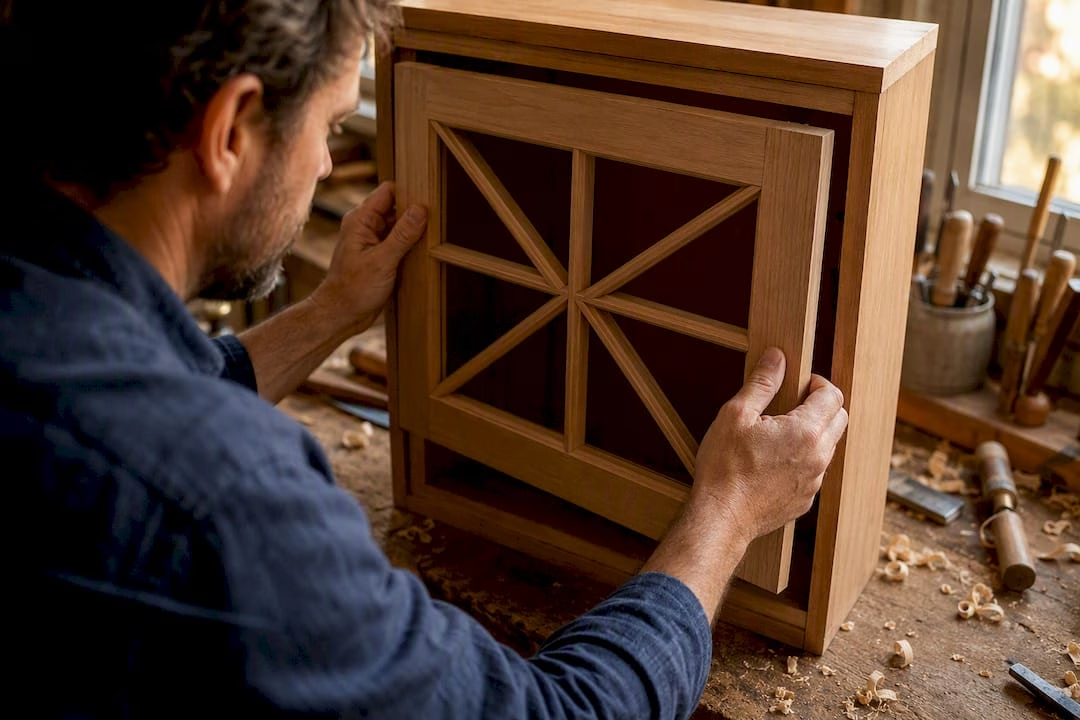
Mullion door designs are multi-lite cabinet doors where decorative bars, called mullions, divide a glass or panel insert into a grid or pattern. They work best as accent pieces: think glass-front upper cabinets flanking a range hood, a display hutch, or a run of cabinets over a coffee bar, rather than every door in the kitchen.
Before you pick a look, you need three decisions settled:
- Pattern family (grid, prairie, mission, arched, diamond, or a slim modern layout)
- Material and finish (solid wood, painted MDF, or metal)
- Insert type (clear glass, frosted, mirror, or a non-glass alternative)
Everything else, from cost to lead time, follows from those three choices. Get them right and the rest of the specification process is straightforward.
Key Takeaways
Choosing a mullion door design comes down to matching pattern family and material to your cabinet style, then verifying half-lap construction before you order.
| Point | Details |
|---|---|
| Pick pattern by style | Match grid or prairie patterns to Shaker/flat-panel doors, arched or diamond to raised-panel doors. |
| Prioritize half-lap joinery | Ask manufacturers whether mullions are half-lap joined, not glued, for lasting durability. |
| Use mullions selectively | Reserve mullion doors for upper cabinets and focal points; avoid high-wear lower cabinets. |
| Order a sample first | Test finish and insert combinations on a real sample door before committing to a full run. |
| Order through Tdm-thedoormaker | Use the measure, design, and order configurator for precision sizing and retainer options built to your opening. |
Further Reading on Mullion Patterns and Glazing
- Mullion vs Muntin: The Cabinet Refacing Guide
- Glass Doors with Mullions: Styles, Benefits, and Ideas
- WalzCraft mullion pattern gallery on Houzz
Table of Contents
- What Are the Main Mullion Door Styles?
- Which Materials and Finishes Work Best for Mullions?
- What Glass and Insert Options Are Available?
- How Are Mullion Doors Constructed?
- Where Should You Use Mullion Cabinet Doors?
- How Do You Choose and Specify a Mullion Pattern?
- How Does The Door Maker Handle Mullion Door Orders?
What Are the Main Mullion Door Styles?
Three pattern families cover most kitchens. Frame or grid patterns space lites evenly, four, six, or nine panes in a symmetrical layout, and read as classic or transitional depending on the cabinet profile around them. Prairie patterns put small lites in the corners around one large central pane, a look borrowed from Frank Lloyd Wright era casework that pairs naturally with Craftsman and Mission cabinetry. Mission patterns use short horizontal lites across the top with taller panes below, echoing Mission-style furniture lines.
From those three bases, manufacturers build custom variants: arched tops for a softer, more traditional feel, diamond lites for a formal or European look, and X-lite or double-X configurations that add a diagonal accent to an otherwise plain grid.
Style pairing matters more than pattern choice alone. Grid and prairie mullions sit comfortably on Shaker or flat-panel doors, since both share clean, rectilinear lines. Arched and diamond mullions tend to look better against raised-panel or slightly ornamented door styles, where the extra detail doesn’t clash. Slim, modern mullion layouts, thin bars, minimal grid divisions, pair almost exclusively with flat-panel or slab-adjacent doors for a contemporary kitchen.
If you’re working with a designer or ordering samples, ask for photos of each pattern installed on the same door style you’re considering. A mullion pattern that looks striking in a manufacturer’s catalog can read completely differently once it’s scaled to your actual door dimensions.
Which Materials and Finishes Work Best for Mullions?
Material changes both the mood and the maintenance schedule of a mullion door. Solid oak or maple mullions bring warmth and a traditional feel, and they take stain well if you’re matching existing wood cabinetry. Painted MDF is the more common choice for modern kitchens, since it gives crisp, consistent lines and hides grain variation that would otherwise show through paint. Metal or aluminum mullions, still less common but growing in availability, produce a slim, contemporary profile that reads almost architectural against a glass panel.
A few practical points to weigh:
- Stained wood mullions need grain-matching across the whole door run, which raises scrutiny during quality checks.
- Painted finishes hide seams and joints better than stain, making them more forgiving on complex patterns like diamond or X-lite.
- Metal mullions resist warping over time but cost more and offer fewer color options than wood or MDF.
Pro Tip: Order a sample door in your chosen mullion pattern and finish before committing to a full kitchen run. Paint and stain both look different under cabinet lighting than they do on a swatch card.
What Glass and Insert Options Are Available?
The insert is doing as much visual work as the mullion pattern itself. Clear glass shows off dishware and glassware and makes small kitchens feel more open, while frosted or textured glass hides clutter but keeps some light transfer. Back-painted glass adds solid color behind the mullion grid, a popular way to introduce an accent color without painting the whole door.
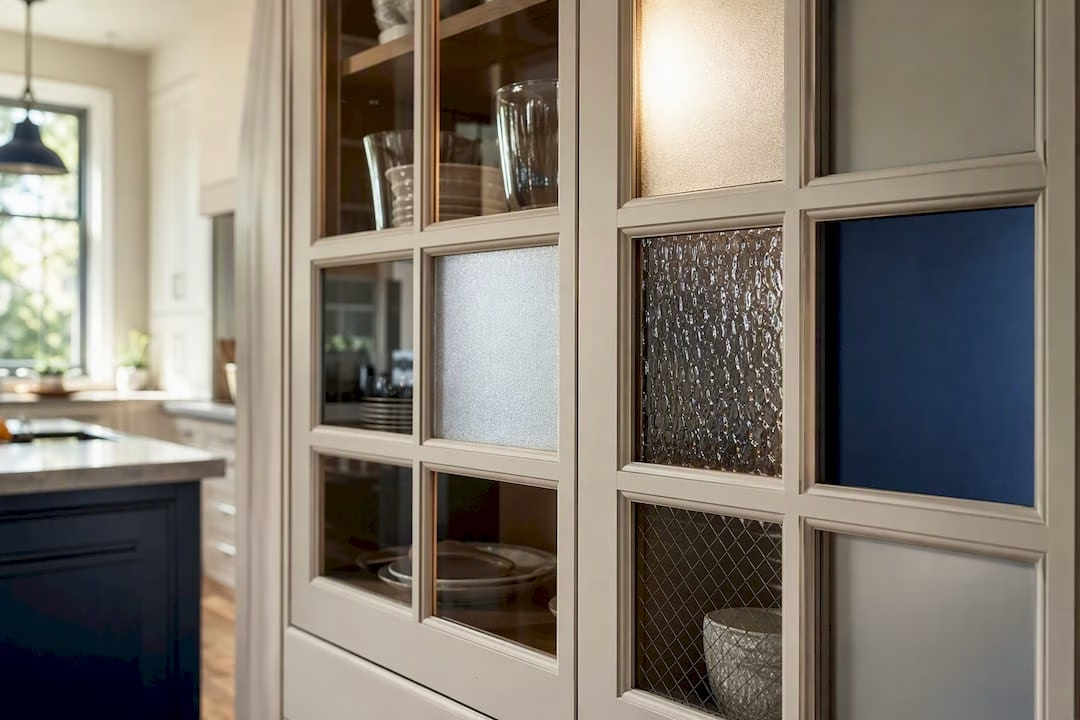
Beyond glass, several non-glass inserts create distinct effects: mirror inserts bounce light around a dim kitchen corner, wire mesh gives a farmhouse or industrial look with full ventilation, and tin panels bring a vintage, almost pantry-door character. Acrylic is a practical substitute for tempered glass in households with young kids, since it won’t shatter.
Weigh visibility against upkeep before you choose. Clear glass shows fingerprints and dust fastest. Frosted and textured options hide daily grime but cost more to keep spotless in tight grid patterns, since cleaning a nine-lite grid takes longer than wiping one flat pane.
How Are Mullion Doors Constructed?
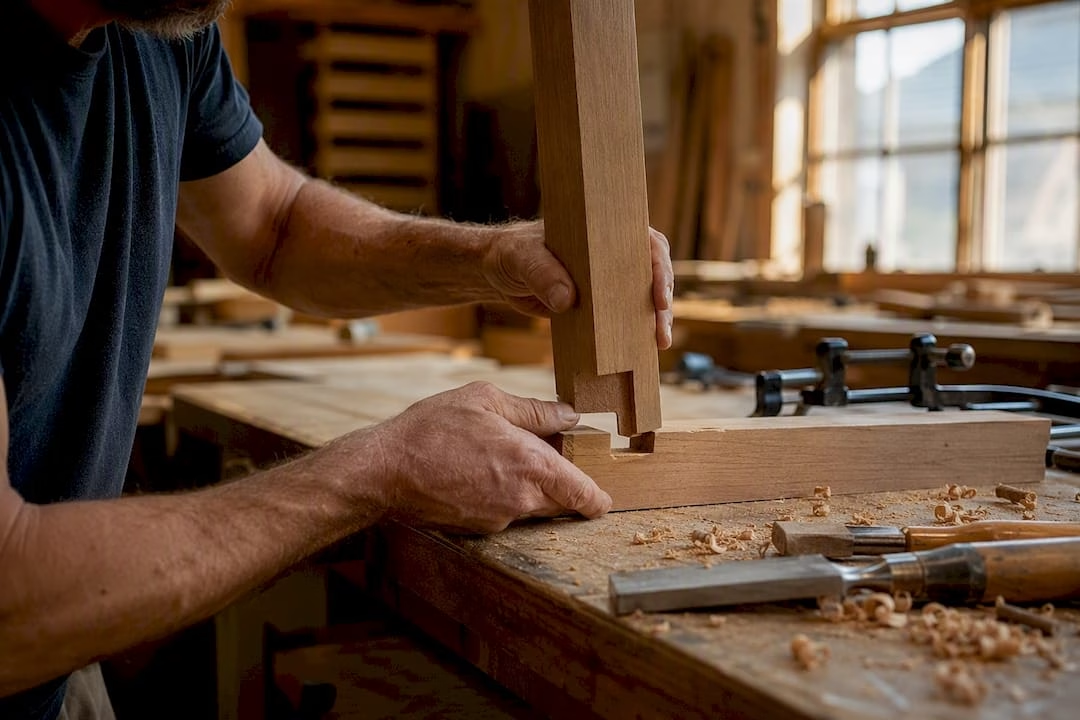
Build quality comes down to how the mullions attach to the frame, not how the pattern looks in a photo. Some manufacturers glue or staple thin mullion strips onto a single pane of glass; it’s inexpensive but tends to loosen over time with kitchen humidity and temperature swings. Half-lap joinery, where mullion strips are notched and interlocked at each intersection, produces a noticeably stronger and cleaner joint, and it’s what most reputable cabinet door makers use for anything beyond a basic grid.
Glazing method matters too. Most doors use integrated retainer slots machined into the stile and rail, holding glass between 1/8" and 1/4" thick with a rubber or wood retainer strip. True divided lites, separate small panes of glass set into individual openings, exist but are uncommon in modern kitchens. Most current mullion doors use one full sheet of glass behind a decorative overlay, which is easier to clean and less expensive than managing multiple small panes.
Pro Tip: Ask any manufacturer whether their mullions are half-lap joined or simply glued to the glass. It’s a five-second question that tells you a lot about how the door will hold up after a few years of kitchen heat and steam.
Where Should You Use Mullion Cabinet Doors?
Upper cabinets and display zones are where mullion doors earn their keep. Designers generally steer clear of installing them on lower cabinets, where daily bumps, spills, and heavier use put more stress on glass and joinery. Mixing solid doors with mullion doors, rather than using mullions throughout, keeps a kitchen from feeling busy while still creating a clear focal point above the range or beside a window.
A few pairings tend to work reliably:
- Farmhouse kitchens: painted wood mullions with wire mesh or textured glass inserts.
- Modern kitchens: slim metal or thin painted mullions with clear or back-painted glass.
- Transitional kitchens: grid or prairie patterns in a stained wood finish, mixed with flat-panel solid doors elsewhere.
Symmetry also matters more than most homeowners expect. Two matching mullion doors flanking a range hood read as intentional; one mullion door tucked into an otherwise solid run can look like an afterthought.
How Do You Choose and Specify a Mullion Pattern?
Work through the decision in order rather than picking a pattern first and working backward. Match the pattern to your existing cabinet style, settle on material and finish, choose the insert, then confirm hinge and hardware prep before you finalize an order.
- Identify your cabinet door style (Shaker, raised-panel, flat-panel) and shortlist compatible patterns.
- Choose material and finish based on existing cabinetry and maintenance tolerance.
- Select the insert type based on privacy, light, and cleaning preferences.
- Confirm hinge boring and any hardware prep needed before ordering.
Measuring accurately prevents most ordering headaches. Measure width and height at three points on each opening (top, middle, bottom) since older cabinet boxes are rarely perfectly square, and record the smallest of the three measurements for each dimension. Note existing hinge type and boring pattern if you’re replacing doors on cabinets you’re keeping.
Cost and lead time both scale with pattern complexity. Standard grid patterns in common sizes ship fastest and cost least. Diamond, arched, and X-lite patterns often carry design charges and minimum size requirements, and unusually small or oversized doors typically need custom drawings before a manufacturer will quote them, which adds time to the process.
How Does The Door Maker Handle Mullion Door Orders?
Tdm-thedoormaker built its ordering process around three steps: measure, design, and order, all through an online configurator that walks you through pattern selection, sizing, and finish choices with video guidance at each stage.
Mullion orders through Tdm-thedoormaker include a range of material and color options, precision sizing down to 1/10,000 of an inch, and integrated retainer options sized to your chosen glass or insert. You can also request hinge boring, sample doors, and color swatches as add-ons before committing to a full order, which matters given how differently paint and stain colors can look once they’re on an actual door front instead of a swatch card.
Trust signals worth noting if you’re comparing manufacturers:
- Precision sizing to 1/10,000", which reduces gap and reveal problems during installation.
- Sample doors and swatches available before full production.
- A documented, step-by-step configurator process rather than a phone-quote system.
A trade perspective on mullion door quality
Good joinery and finish quality matter more over five years than they do on installation day. If you’re unsure which pattern fits your kitchen, order a sample door before committing to a full run. It’s a small cost against a full cabinet order.
Order Your Custom Mullion Doors With Confidence
Big box retailers sell mullion doors in a handful of fixed sizes and limited patterns, which forces you to compromise on either fit or style. Tdm-thedoormaker solves that by building every mullion door to your exact opening, with over 30 styles and 130+ colors and finishes to choose from, so you’re not squeezing a stock pattern into a custom kitchen.
Whether you’re leaning toward a classic grid pattern or a slim modern mullion with back-painted glass, the online configurator lets you measure, design, and price your doors before you commit to anything. If you’re still deciding on insert material, the glass alternatives guide is worth a look before you finalize your order. Start your configuration today and get a precise quote based on your actual cabinet openings, not a generic size chart.