
Older homes have a way of exposing every shortcut. A door opening that looks square may be off by a quarter inch. One cabinet run may sit slightly proud of the next. And the moment you try to replace worn fronts with stock sizes, the project stops feeling simple. That is exactly why cabinet doors for older homes need a different approach – one that respects the house you have and the finish you want.
If your cabinet boxes are still solid, replacing the doors and drawer fronts is often the smarter move than tearing everything out. You keep the structure, avoid unnecessary demolition, and get a major visual upgrade without paying for a full custom cabinet install. The key is choosing doors that fit the realities of an older space, not forcing the space to fit modern stock options.
Why cabinet doors for older homes need a custom mindset
In newer homes, cabinetry is more likely to follow standard dimensions. In older homes, that consistency is never guaranteed. Openings can vary from cabinet to cabinet, face frames may have shifted over time, and previous repairs can leave you with a mix of hinge locations, overlays, and reveals.
That does not mean your kitchen or built-ins are a lost cause. It means precision matters more. Custom cabinet doors let you order to the exact size you need, which is especially valuable when one opening measures differently from the one right beside it. For older homes, that level of accuracy is often what separates a polished refacing project from one that always looks slightly off.
There is also the style question. Many older homes have details worth preserving. A plain slab door can work beautifully in some spaces, but in others it may feel disconnected from the architecture. The best results usually come from balancing updated function with a door style that belongs in the room.
Start with the cabinet boxes, not the old doors
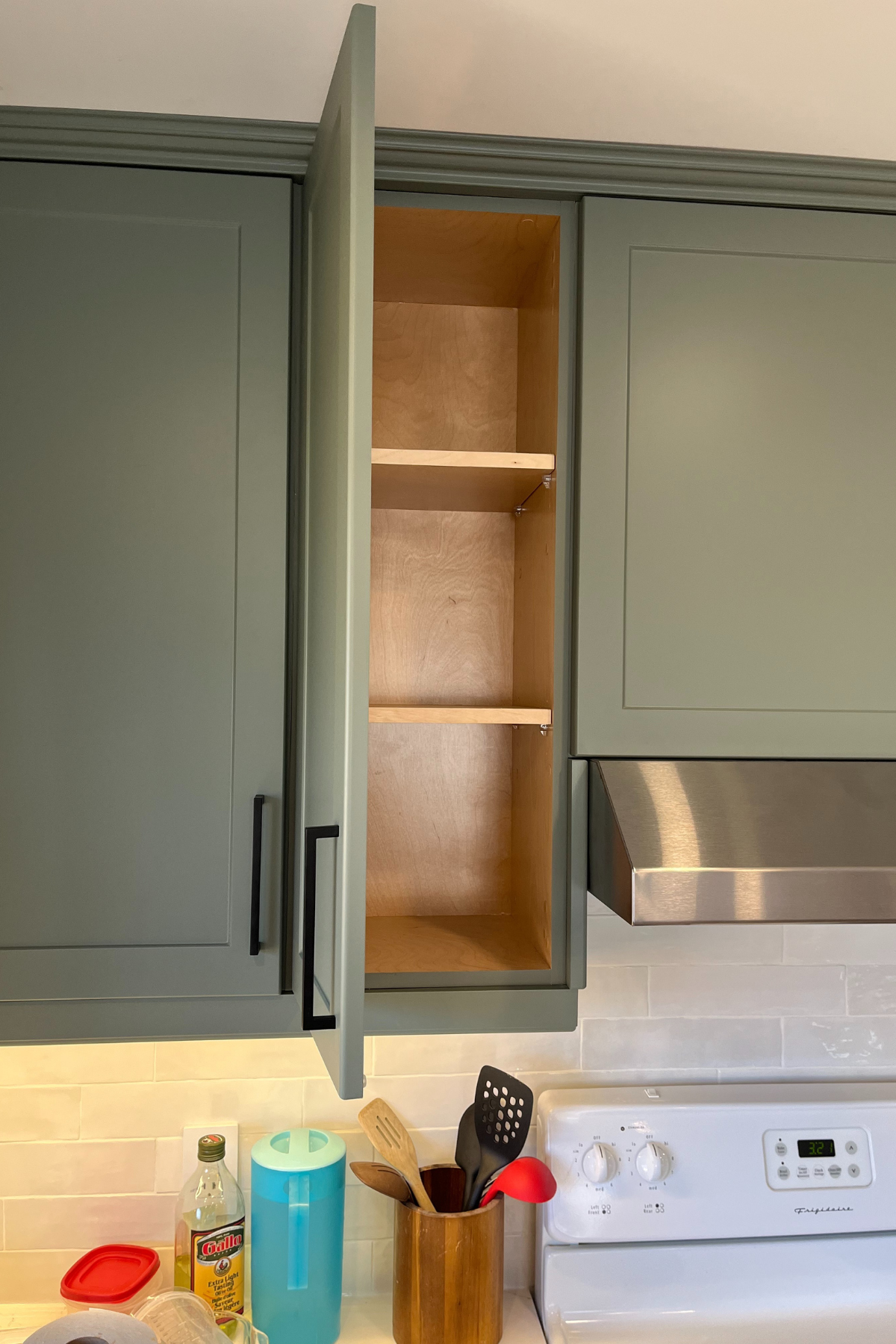
Homeowners often focus first on what they want the new doors to look like. That makes sense, but the better starting point is the condition of the cabinet boxes. If the boxes are structurally sound, securely mounted, and worth keeping, refacing is usually a strong investment.
Check for water damage, sagging bottoms, broken face frames, and major warping. Surface wear is one thing. Structural failure is another. If the boxes are stable, new doors, drawer fronts, panels, and matching trim pieces can transform the room at a fraction of full replacement cost.
This is where older homes often surprise people. Even cabinets that look dated can have strong bones. If the layout still works and the boxes are solid, replacing the visible components gives you the biggest visual impact for the money.
How to choose a door style that respects the home
The goal is not to turn every old kitchen into a museum piece. It is to make the cabinetry feel intentional in the house it lives in. Some homeowners want a faithful look that suits the age of the home. Others want a cleaner update that still does not feel out of place. Both approaches can work.
Raised panel doors can complement more traditional homes, especially where original trim, molding, or built-ins are part of the character. Shaker doors are popular for good reason – they are versatile, clean, and work well in homes that mix old architecture with updated finishes. Slim-profile styles can be a smart middle ground if you want something fresh without stripping away all traditional detail.
What matters most is proportion. In older homes, oversized profiles or highly contemporary finishes can sometimes fight the room. On the other hand, going too ornate can make the space feel heavy. Samples help here. Looking at a finish and profile in your actual lighting is more useful than guessing from a screen.
Sizing issues are where stock options usually fall short
One of the biggest frustrations in refacing older cabinetry is discovering that standard sizes are close, but not quite right. Close is not good enough for cabinet doors. An eighth of an inch can affect spacing, swing, and the overall look across a run of cabinets.
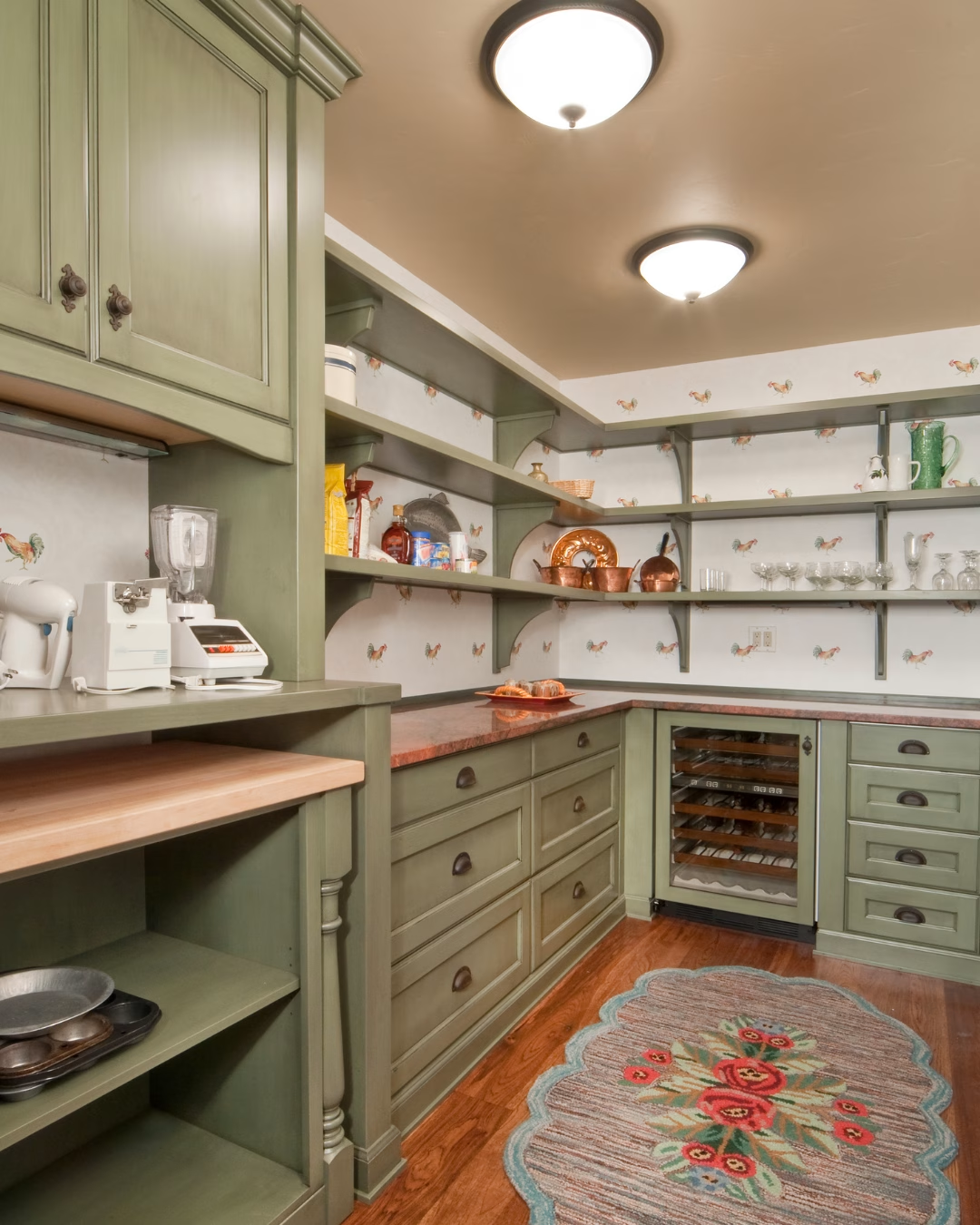
Custom sizing solves that problem directly. Instead of redesigning around stock inventory, you measure the cabinet openings, determine your overlay, and order doors built for those dimensions. That matters even more if you are working with older built-ins, butler’s pantries, laundry cabinetry, or bathroom vanities that were never designed around today’s standard modules.
It is also worth checking hinge compatibility before ordering. Older cabinets may use exposed hinges, partial overlay hinges, or hardware locations that do not match current drilling patterns. Sometimes you will want to preserve the existing look. Other times it makes sense to update the hinges along with the doors for better function and a cleaner finish. Neither choice is universally right – it depends on your style goals and the cabinet construction.
Material and finish choices matter in older spaces
Older homes can be less forgiving when materials expand, contract, or show wear quickly. Kitchens and baths still need durability, but they also need finishes that look at home with the rest of the house.
Wood doors remain a strong choice when you want warmth, paintability, and a more furniture-like feel. MDF can be a good option for painted projects where a smooth, consistent surface is a priority. Rigid thermofoil and other wrapped finishes may appeal if you want low maintenance and a broad range of color choices. The best material depends on the room, your budget, and the look you want.
Paint color also carries more weight in older homes. Bright white can sharpen a dark, dated kitchen, but in some homes a softer white, warm greige, or muted tone sits better with original floors, trim, or wall color. Wood tones can be beautiful too, especially if the home already has natural millwork worth complementing rather than competing with.
Matching period character without copying every old detail
One common mistake is assuming you have only two choices: make everything look exactly old, or make everything look completely new. Most successful refacing projects land somewhere in between.
You might keep the warmth and proportion of traditional doors while introducing a cleaner paint color and updated hardware. You might choose a classic profile for perimeter cabinets and use glass mullion doors in a hutch or built-in to bring in a little contrast. Decorative components like crown molding, valances, or fluted details can help bridge the gap between old architecture and refreshed cabinetry when used with restraint.
Restraint is the important part. Older homes usually already have visual character. Cabinet details should support that, not pile on top of it.
The measuring step deserves your full attention
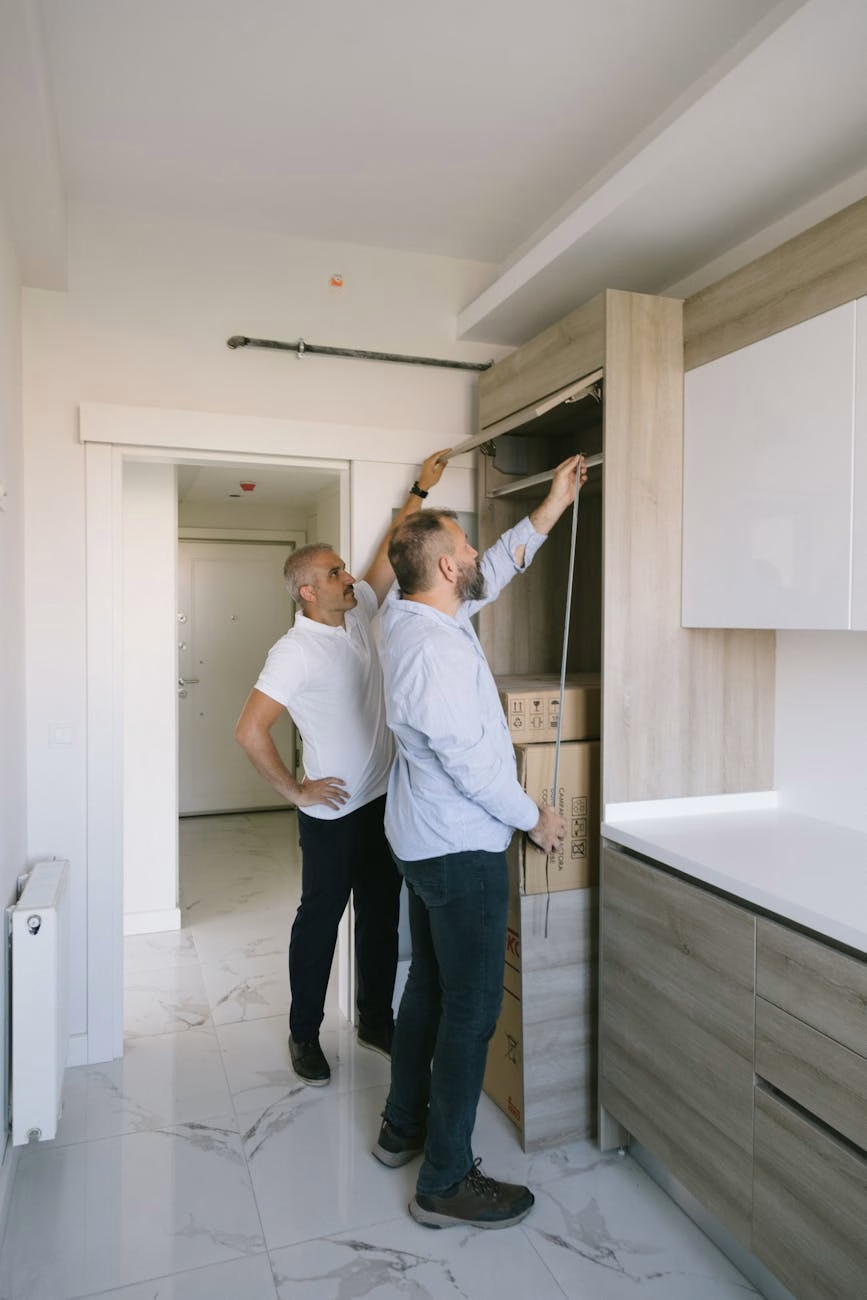
If there is one place not to rush, it is measuring. Older homes reward patience and punish assumptions. Measure each opening individually. Do not assume the cabinet on the left matches the one on the right. Check width and height more than once, and confirm whether your doors will be inset, partial overlay, or full overlay.
For many DIY homeowners, the process feels much more manageable once it is broken into clear steps: measure carefully, choose the style and finish, then order with confidence. That is the value of using a system designed around customization rather than trying to make a shelf product work in a non-standard space. At TDM – The Door Maker, that is exactly the point of the online Build a Door process. It gives homeowners a straightforward path to made-to-order doors without losing control of the details.
Why refacing older homes is often the better renovation value
Full cabinet replacement has its place. If the layout is broken, the boxes are failing, or you are doing a complete redesign, replacement may be the right move. But many homeowners with older homes do not need new boxes. They need better-looking, better-fitting fronts.
That distinction matters for cost, timeline, and disruption. Refacing avoids the mess of ripping out usable cabinetry. It can preserve the charm of built-in elements that would be expensive to recreate. And because custom doors can be made to your measurements, you are not boxed into the compromises that come with stock products.
There is also a less obvious benefit: older homes tend to reward thoughtful updates. When a renovation keeps what is solid and upgrades what is visible, the result often feels more authentic than a full replacement that erases every original proportion in the room.
The best cabinet project for an older home is rarely the flashiest one. It is the one that fits correctly, looks like it belongs there, and makes the room feel cared for again. If your cabinet boxes still have life left in them, new doors may be all it takes to bring that character back into focus.