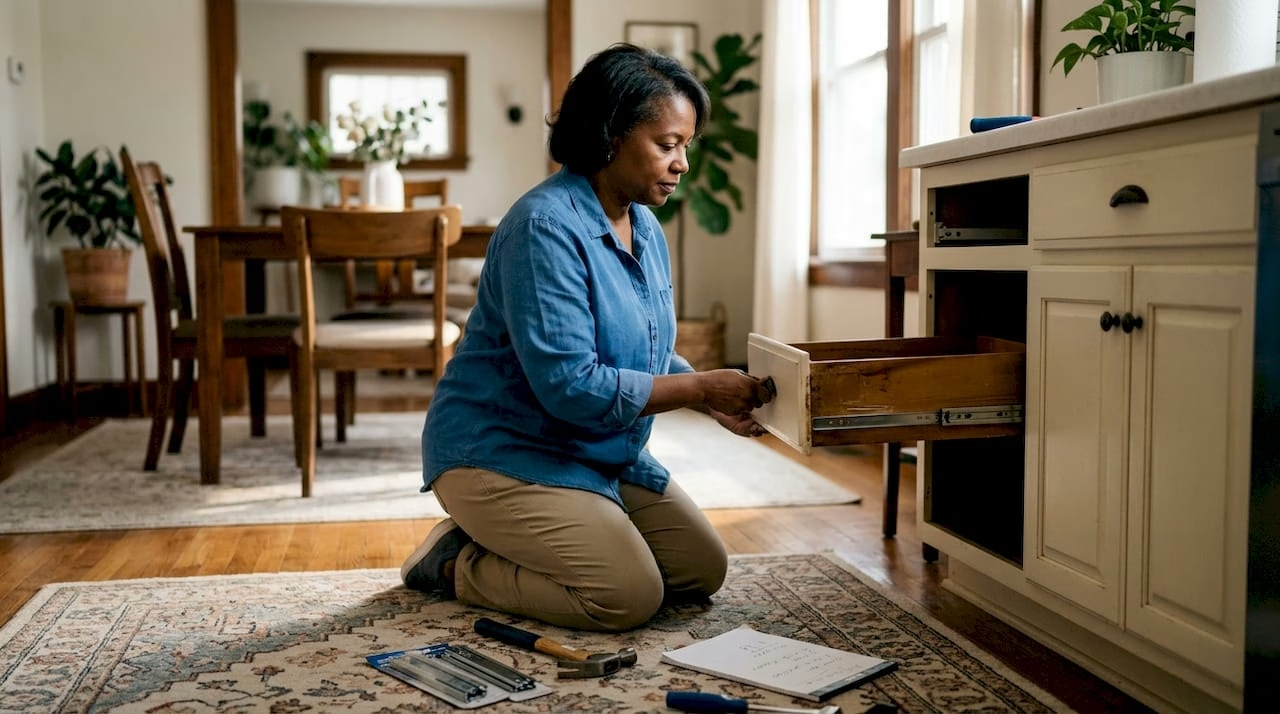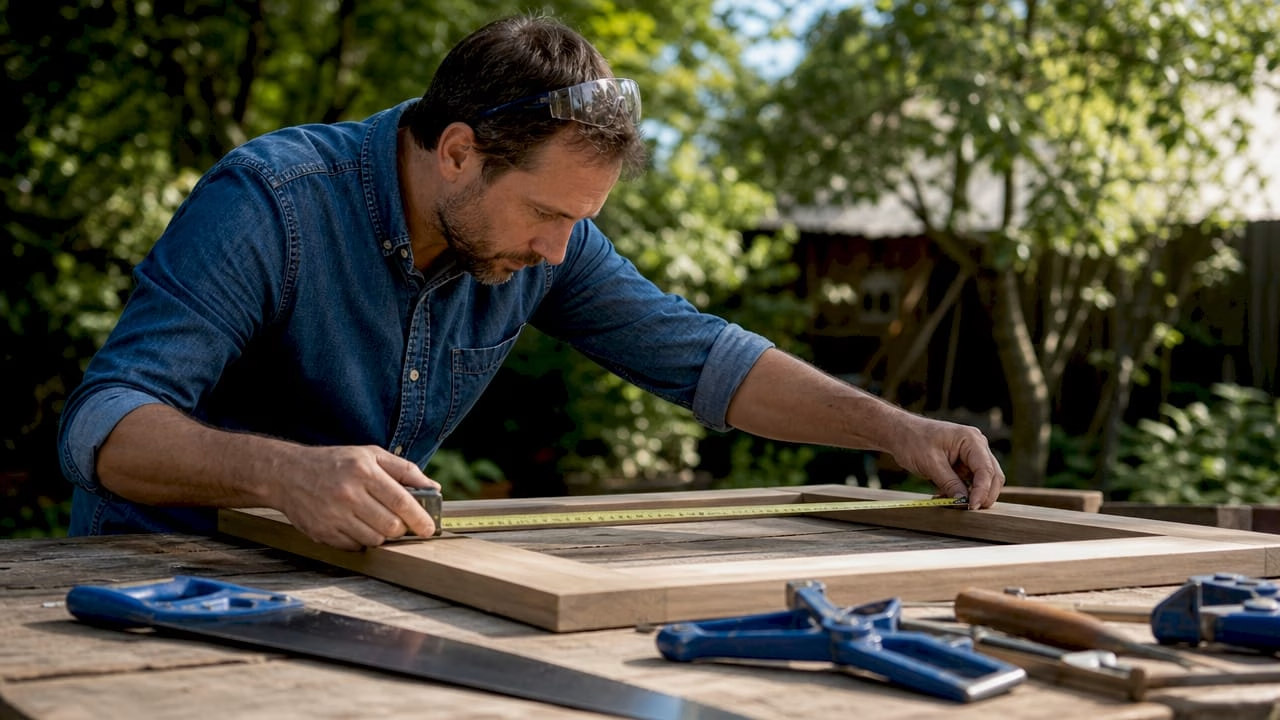
A kitchen can look ten years newer without moving a single wall. In many remodels, the biggest visual shift comes from the cabinet fronts, which is why cabinet door design trends matter so much for homeowners planning a reface instead of a full replacement. If your cabinet boxes are still solid, updating the doors is often the smarter move – you get a custom look, keep the layout that already works, and avoid paying for a complete tear-out.
The trick is knowing which trends actually have staying power. Some looks photograph well and fade fast. Others feel current because they solve real design problems: making a small kitchen feel lighter, helping a traditional home feel cleaner, or adding character without making the room harder to live with. The best trend for your project is the one that fits your home, your budget, and how long you want to love the result.
Cabinet door design trends are getting cleaner
The strongest shift right now is toward simpler door profiles. That does not mean every kitchen is turning stark or flat. It means homeowners are moving away from overly busy detailing and choosing styles with better proportion, cleaner lines, and a more tailored finish.
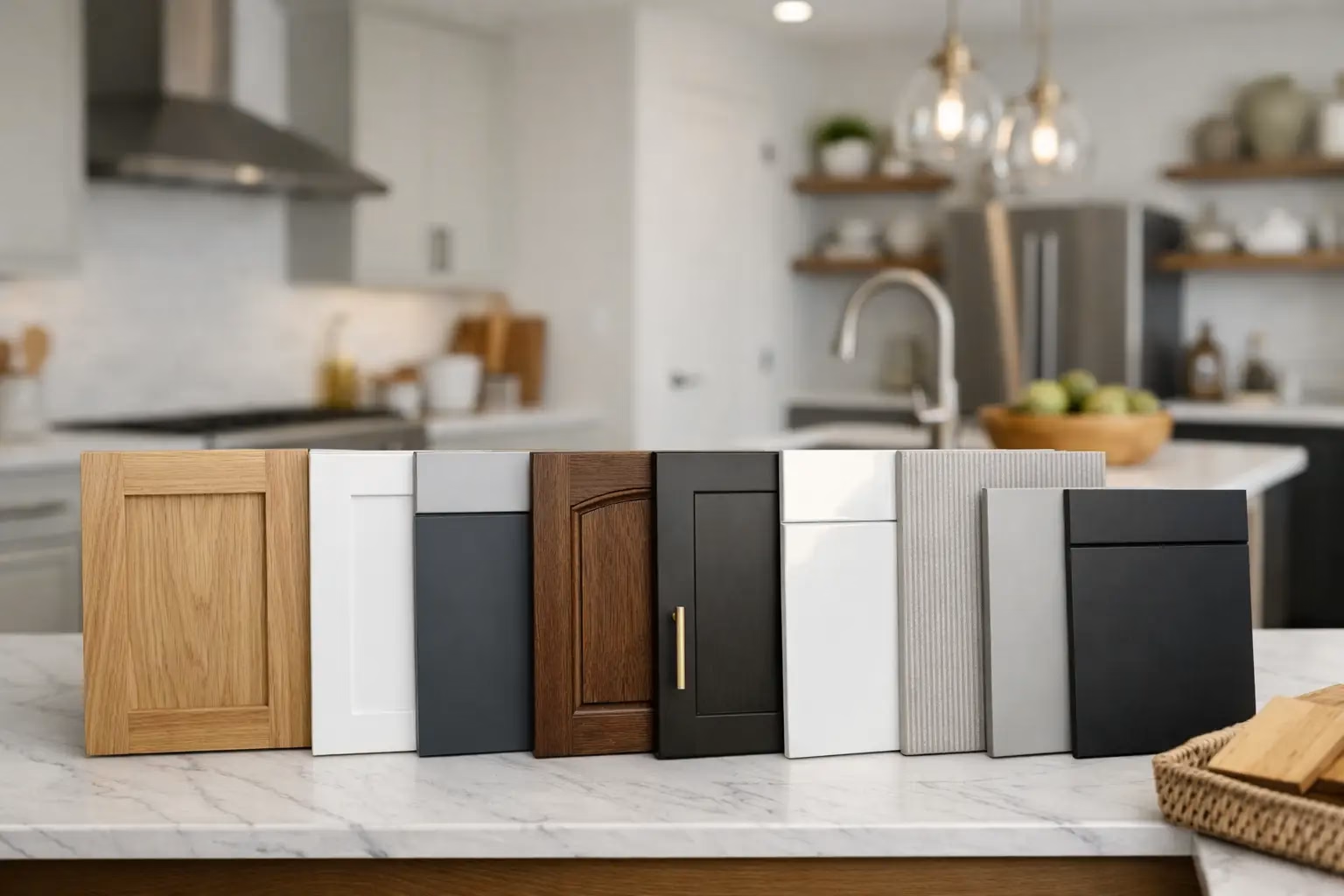
Shaker remains a leading choice for a reason. It bridges old and new better than almost any other cabinet style. In a painted finish, it can feel crisp and modern. In a warm wood tone, it reads timeless and grounded. Slim-shaker variations are especially popular because they keep the familiar framed look but reduce visual weight.
This is where restraint pays off. A heavy profile with ornate edges can make a medium-sized kitchen feel crowded. A narrower frame opens things up and lets color, hardware, and countertop materials do more of the work. For homeowners refacing existing cabinets, that cleaner profile also helps older kitchens feel updated without looking out of place.
Warm wood is back, but with a different attitude
One of the biggest changes in cabinet door design trends is the return of wood looks with warmth and texture. The all-gray era has cooled off. Homeowners still want clean design, but many are bringing back natural character through oak-inspired tones, walnut looks, and finishes that show subtle grain rather than hiding everything under thick paint.
The difference is in how wood is being used. This is not a return to orange-toned cabinets or heavily glazed finishes. Today’s warmer woods are quieter, more natural, and often paired with simple door styles. A flat panel or slim shaker in a medium wood tone feels current because the form stays clean even as the finish adds depth.
For a DIY reface project, this can be a practical decision as much as a design one. Wood tones tend to be forgiving in busy households. They are less likely to show every smudge, and they can bring balance to rooms with a lot of stone, metal, or white surfaces. If your space already feels cold, warmer cabinet fronts can fix that faster than changing the flooring or lighting.
Painted finishes are moving deeper and softer
White cabinets are still very much in play, especially for smaller kitchens and homeowners who want a bright, versatile backdrop. But the color story is expanding. More projects now lean into deeper greens, soft taupes, muted blues, and off-whites that feel less stark.
This matters because cabinet color is doing more of the design work than it used to. Instead of relying on ornate door details to create interest, many homeowners are choosing a simpler door and a more intentional color. That combination often looks more expensive because it feels custom rather than generic.
There is a trade-off, though. Darker finishes create drama, but they can also highlight dust and reduce reflectivity in rooms with limited natural light. Lighter painted doors help a kitchen feel open, but bright white can sometimes look flat if the rest of the room lacks contrast. The best choice depends on your lighting, your wall color, and whether you want the cabinets to lead the room or quietly support it.
Mixed materials make spaces feel more designed
Matching every cabinet door in every section of a room is no longer the automatic goal. One of the more useful cabinet door design trends is intentional contrast. That might mean painted perimeter cabinets with a wood island, a darker vanity with lighter linen storage, or glass-ready upper sections paired with solid lower doors.
This approach works because it adds structure to the room. It helps define focal points and prevents a wall of cabinetry from feeling too uniform. In kitchens with islands, a second finish can make the layout feel more furniture-like and less boxy.
The key is not overdoing it. Contrast works best when there is still a thread connecting the choices – similar door profiles, coordinated hardware, or a shared undertone in the finishes. If everything changes at once, the room can start to feel pieced together instead of planned.
Vertical texture is showing up in more places
Homeowners are also looking for ways to add character without going back to heavy ornament. That is one reason fluted and reeded details are getting attention. Used selectively, these details bring movement and texture to cabinetry-heavy spaces.
This trend tends to work best as an accent rather than a full-room treatment. A fluted end panel, decorative column, island detail, or furniture-style built-in can add depth without overwhelming the space. In a bathroom vanity or home office, that little bit of texture can make standard cabinetry feel far more finished.
If you like this look, placement matters. Vertical texture needs room to be noticed. In a small kitchen packed with upper cabinets and visual clutter, too much of it can compete with backsplash tile, hardware, and appliances. But in the right spot, it adds a custom touch that feels current and architectural.
Glass and open-style details are becoming more selective
A few years ago, open shelving was everywhere. Now homeowners are getting more realistic about maintenance and storage. The newer direction is selective display – using glass-ready cabinet doors, mullion frames, or a small showcase section where it adds function and polish.
That shift makes sense for real homes. Most people still need hidden storage for pantry items, plastic containers, and everyday clutter. A few glass-front doors can lighten the look of a kitchen or built-in without forcing everything to be perfectly styled.
This is a smart area for balance. Glass features can break up a run of solid doors and make cabinetry feel less heavy, especially in dark finishes. But too much glass can make a room feel busy and put pressure on you to keep everything inside neat. If your goal is a cleaner-looking space, a little display goes a long way.
Custom sizing is part of the trend, too
Not every design trend is visual. One of the biggest shifts among homeowners is the expectation that cabinet updates should actually fit. Older homes, builder-grade layouts, and past remodels often leave people with odd measurements that stock doors simply do not solve well.
That is why made-to-order cabinet doors have become such an important part of modern refacing projects. When the proportions are right, the entire room looks better. Gaps look intentional. Hardware placement feels more balanced. Tall pantry doors, vanity fronts, office built-ins, and replacement drawer fronts all read as part of one finished design instead of a patchwork fix.
For homeowners weighing stock versus custom, this is often where value becomes clear. A cheaper off-the-shelf option can cost less upfront, but if it forces design compromises, filler work, or awkward sizing, the result may still look unfinished. Custom sizing gives you more control, and in refacing, control is what turns a good idea into a polished result.
Trendy is not always right for your home
The smartest projects do not chase every trend at once. A modern slab door may look great in one home and feel too severe in another. A classic raised panel can still work beautifully in a traditional setting, especially when the profile is kept refined and the finish is updated.
Start with the style of your house and the fixed elements you are keeping. Flooring, counters, wall color, and backsplash all affect which cabinet door style will feel natural. Then think about maintenance. High-gloss finishes, very dark colors, and delicate display features can look great, but they may not suit a household with kids, pets, or a kitchen that gets used hard every day.
This is also where confidence matters. A well-made, custom-sized shaker in the right color often outperforms a more dramatic trend piece because it works with the room, not against it. Good design is not about picking the newest option. It is about choosing the one that will still feel right after the excitement of the remodel wears off.
What to take from today’s cabinet door design trends
The best cabinet updates right now share a few qualities: cleaner lines, warmer finishes, thoughtful contrast, and details that feel intentional instead of excessive. They are less about chasing a showroom look and more about creating a space that feels tailored, functional, and worth the effort.
For homeowners planning a reface, that is good news. You do not need to replace everything to get a major transformation. With the right door style, finish, and fit, even an older kitchen or bath can look custom-built. If you are comparing options, use trends as direction, not rules – then choose the cabinet doors that make your space feel finished, current, and truly yours.