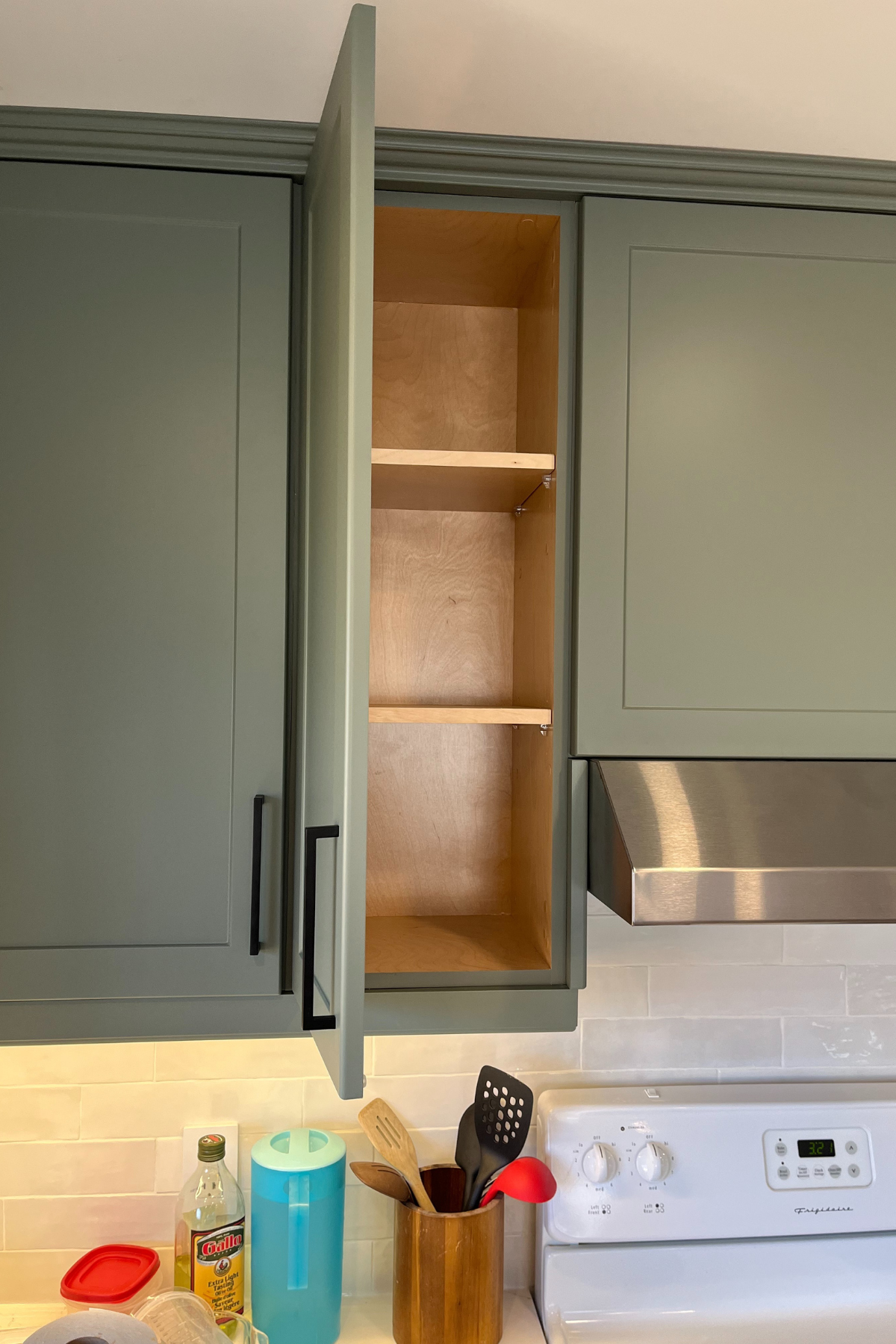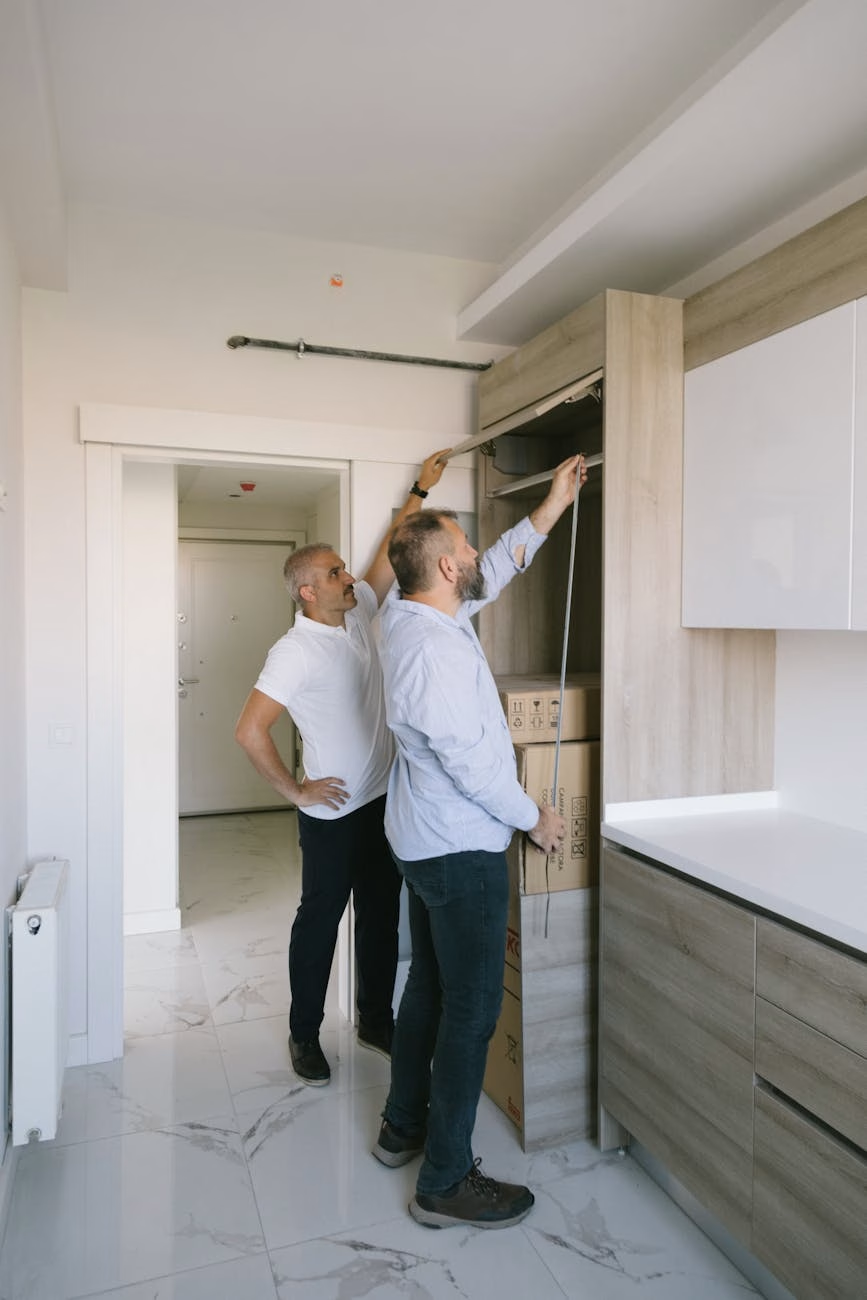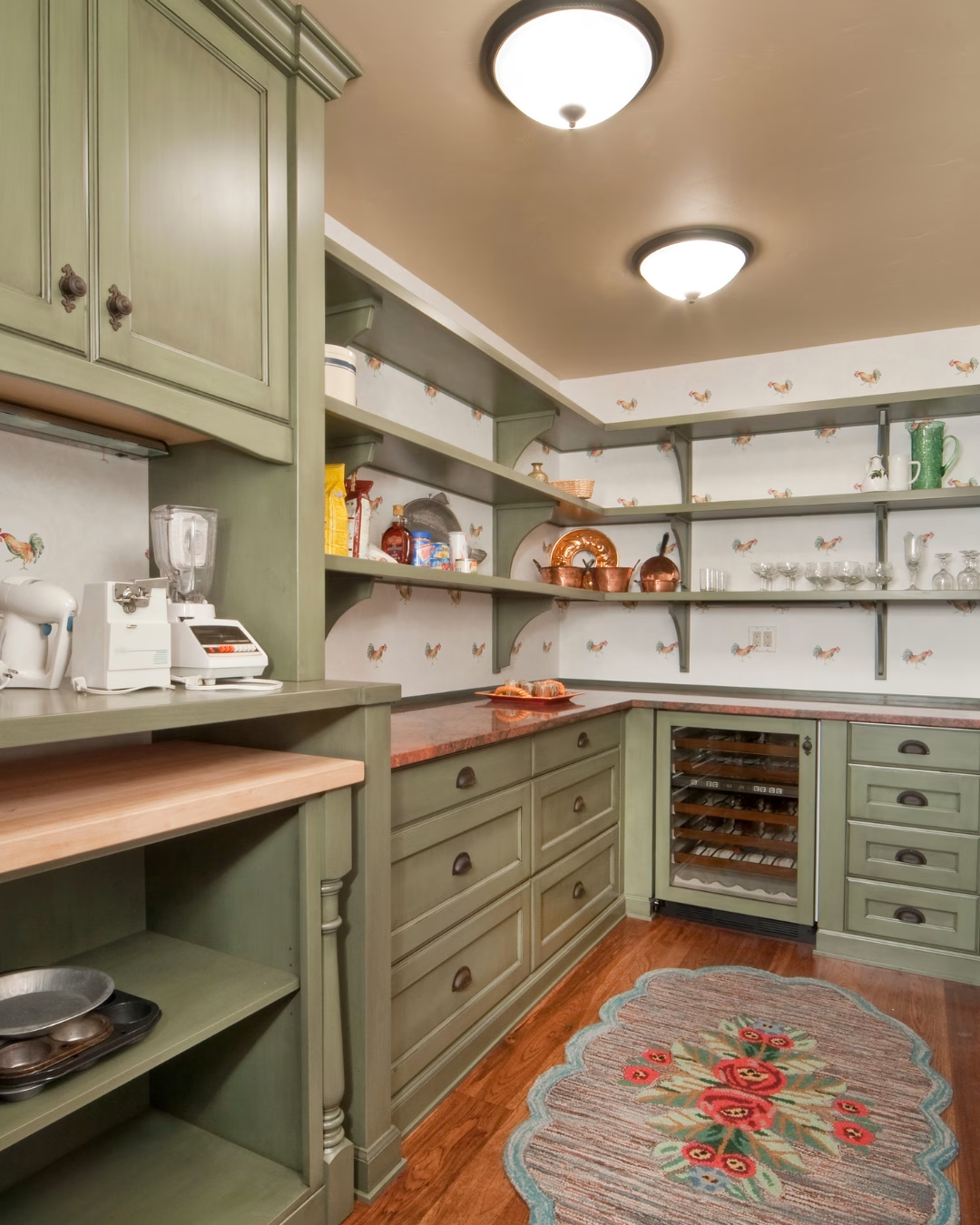
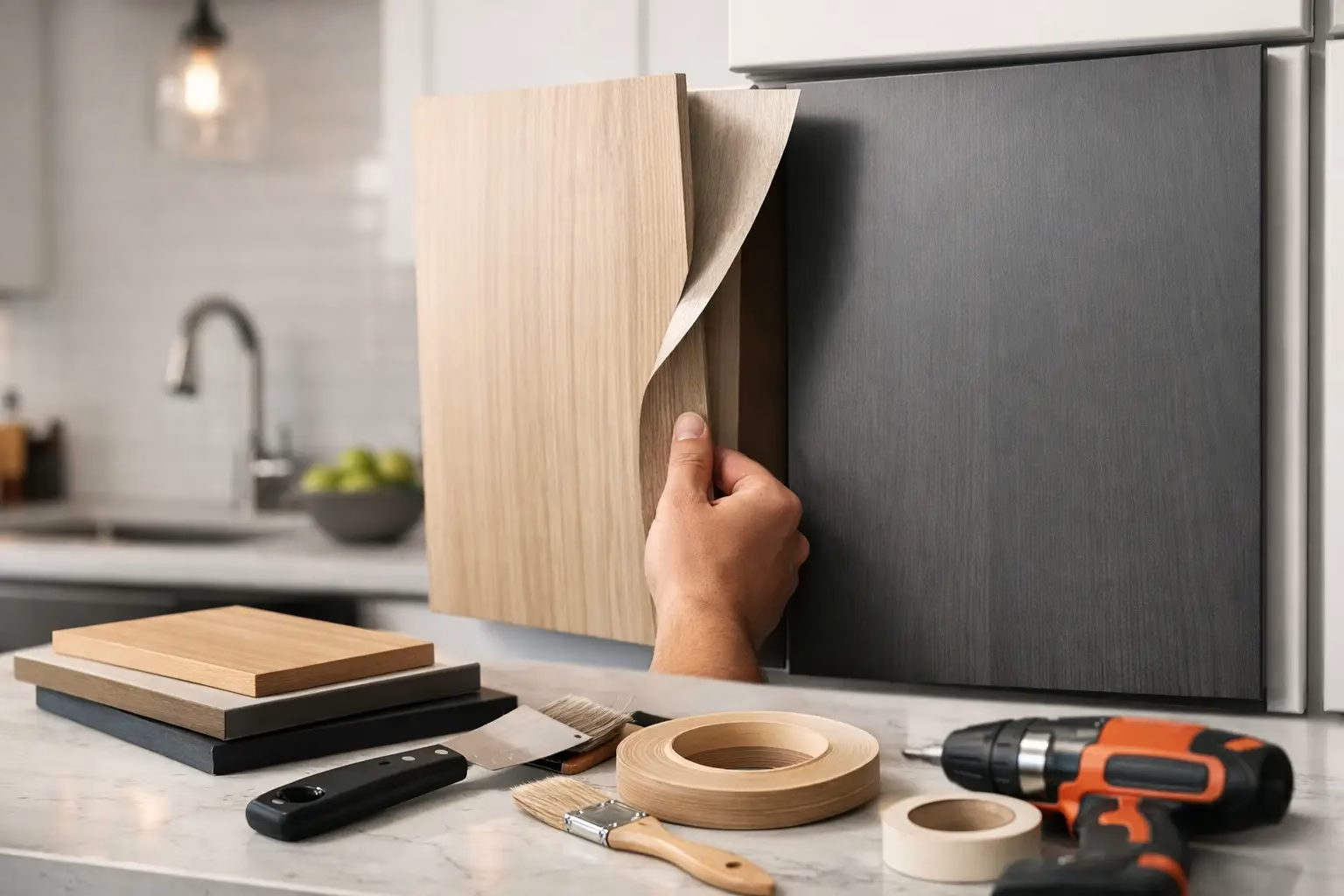
If your kitchen cabinets are laminate and still structurally solid, the question usually is not whether you need a full tear-out. It is simpler than that: can you reface laminate cabinets and get a result that actually looks worth the effort? In many cases, yes. But the quality of the outcome depends on what is on your cabinets now, how well the boxes have held up, and whether you approach the project as a surface update or a true refacing job.
For many homeowners, laminate cabinets sit in that frustrating middle ground. The layout still works. The cabinet boxes are doing their job. But the doors look dated, the finish feels tired, and the room is stuck in another decade. That is exactly where refacing can make sense.
Can you reface laminate cabinets successfully?
Yes, you can reface laminate cabinets if the cabinet boxes are in good shape and the existing laminate is still firmly bonded. Refacing does not require you to replace the entire cabinet system. Instead, you keep the cabinet boxes, update the visible exterior surfaces, and install new doors, drawer fronts, and hardware for a completely different look.
That said, laminate is not always the easiest surface to work with. If it is peeling, swollen from moisture, cracked at the corners, or separating from particleboard underneath, you may need repairs before refacing even starts. In the worst cases, replacement is the smarter investment.
A good rule is this: if the cabinet boxes are level, sturdy, and dry, refacing is usually on the table. If the boxes are failing, no new door style will fix that.
What refacing laminate cabinets actually means
Some homeowners use the word refacing to mean painting the cabinets. Others mean applying a new veneer over the cabinet frames and then swapping out the doors. Those are not the same project.
True cabinet refacing usually involves covering the exposed cabinet frames with a matching material and replacing the doors and drawer fronts. On laminate cabinets, that often means adding a new rigid thermofoil, wood veneer, or laminate-compatible facing material to the cabinet face frames or exposed ends, then installing custom-sized replacement doors.
This matters because the final look comes from all those pieces working together. New doors alone can help, but if the cabinet frames still show worn almond laminate from the 1990s, the kitchen will still feel half-finished.
When laminate cabinets are good candidates for refacing
Laminate cabinets are usually good candidates when the cabinet boxes are square, the interiors are still useful, and the layout works for your space. If you are happy with where everything is but unhappy with how it looks, refacing is often the most practical path.
Older homes are a great example. You may have non-standard cabinet sizes that make stock replacements frustrating. A full remodel can quickly turn into a much bigger project once walls, flooring, countertops, and plumbing enter the picture. Refacing lets you improve the visible finish without opening that entire chain reaction.
It also makes sense when you want a more custom appearance for less money than replacing all cabinetry. New custom doors and drawer fronts can dramatically change the style of the room, especially when paired with updated hinges, pulls, and moldings.
When refacing laminate cabinets may not be worth it
There are situations where refacing is not the right answer. If water damage has caused the particleboard to swell, if the sides of the cabinets are delaminating, or if the boxes feel weak when the doors open and close, you may be spending money on cosmetics over a failing structure.
You should also think carefully if you plan to change the kitchen layout. Refacing keeps the existing footprint. If your real goal is to add drawers, move appliances, or create a better workflow, replacement or partial replacement may give you more value.
Then there is the issue of expectations. Refacing can make cabinets look dramatically better, but it does not magically turn low-quality boxes into furniture-grade construction. The result can look polished and high-end, but the foundation still matters.
The biggest challenge with laminate surfaces
The reason people hesitate over laminate is adhesion. Smooth laminate is less forgiving than raw wood. Anything applied over it has to be compatible, and the surface has to be cleaned and prepared correctly.
Grease is another common problem, especially around ranges and sink bases. What looks like a solid cabinet face may actually have years of residue that can interfere with bonding. That is why prep is not the boring part of the project. On laminate, prep is the project.
If you are adding new veneer or facing material, every exposed surface has to be clean, sound, and properly prepared. Shortcuts show up later as lifting edges, bubbles, or uneven finish lines.
A smarter way to update laminate cabinets
For many DIY homeowners, the most reliable approach is to keep the existing cabinet boxes, refresh the exposed framework, and upgrade the parts that define the look most – the doors, drawer fronts, end panels, and trim details.
This is where custom sizing makes a real difference. Laminate cabinets, especially in older kitchens, do not always match modern stock dimensions. Doors that are even slightly off can make the whole project feel homemade in the wrong way. Custom-made replacement doors give you cleaner reveals, better alignment, and a finished look that feels intentional.
That is also why many refacing projects look better when homeowners stop trying to salvage old doors. New doors provide the visual reset. Once those are paired with matching surface materials and updated hardware, the cabinet boxes recede into the background, which is exactly what you want.
Can you reface laminate cabinets yourself?
Yes, many homeowners can handle this project themselves, especially if they are comfortable measuring carefully and working methodically. But this is not a weekend shortcut if you want strong results.
The DIY-friendly part is that you are not rebuilding cabinet boxes or installing an entire new kitchen. The demanding part is precision. Measurements need to be right. Surfaces need to be prepped correctly. Door ordering needs to match overlay style, hinge choice, and opening direction.
If you can follow a process, refacing can be very manageable. If you tend to rush finish work, this project will test your patience.
What kind of finish can you expect?
A good laminate refacing job can make a kitchen, bathroom, or office feel completely updated. Clean slab doors create a modern look. Shaker-style doors can soften an older space and bring it closer to current design preferences. New drawer fronts and matching end treatments help everything read as one cohesive installation rather than a patchwork update.
The finish quality depends on consistency. If the door style, frame covering, side panels, and moldings all work together, the result can look far more expensive than it was. If the tones are close but not quite right, or the measurements are off, the project can lose that tailored appearance.
This is one reason many homeowners choose made-to-order components rather than trying to piece together replacements from multiple retail sources. Precision matters more than people think.
Cost vs. replacement
Refacing laminate cabinets is usually more affordable than full cabinet replacement, especially when your existing boxes are still serviceable. You avoid demolition, disposal, and the collateral costs that often come with removing cabinets entirely.
You also keep more control over the project. You can focus your budget on the parts people actually see every day. That often delivers a stronger visual return than spending heavily on new boxes you did not really need.
Still, cheaper is not the only reason to reface. The better reason is value. If your cabinets are structurally sound, replacing them can be unnecessary. A well-planned refacing project respects the parts of the kitchen that still work while transforming the parts that do not.
Before you start measuring
Take an honest look at your cabinets first. Check for moisture damage under the sink. Look at the cabinet sides near the dishwasher. Inspect edges for peeling laminate and corners for swelling. Open and close every door and drawer. If the boxes pass that test, refacing becomes a much stronger option.
Then think about the finished style you want, not just the immediate fix. Door profile, color, hardware, and trim details should all be part of the plan before you order anything. The most successful projects start with a clear design direction and accurate measurements. That is where a company like TDM – The Door Maker can help DIY homeowners move from “maybe” to a finished result that looks custom, fits correctly, and feels worth the investment.
If your cabinet boxes are solid, laminate does not have to be the reason you settle for an outdated room. Sometimes the smartest renovation is the one that keeps what still works and upgrades what everyone actually sees.