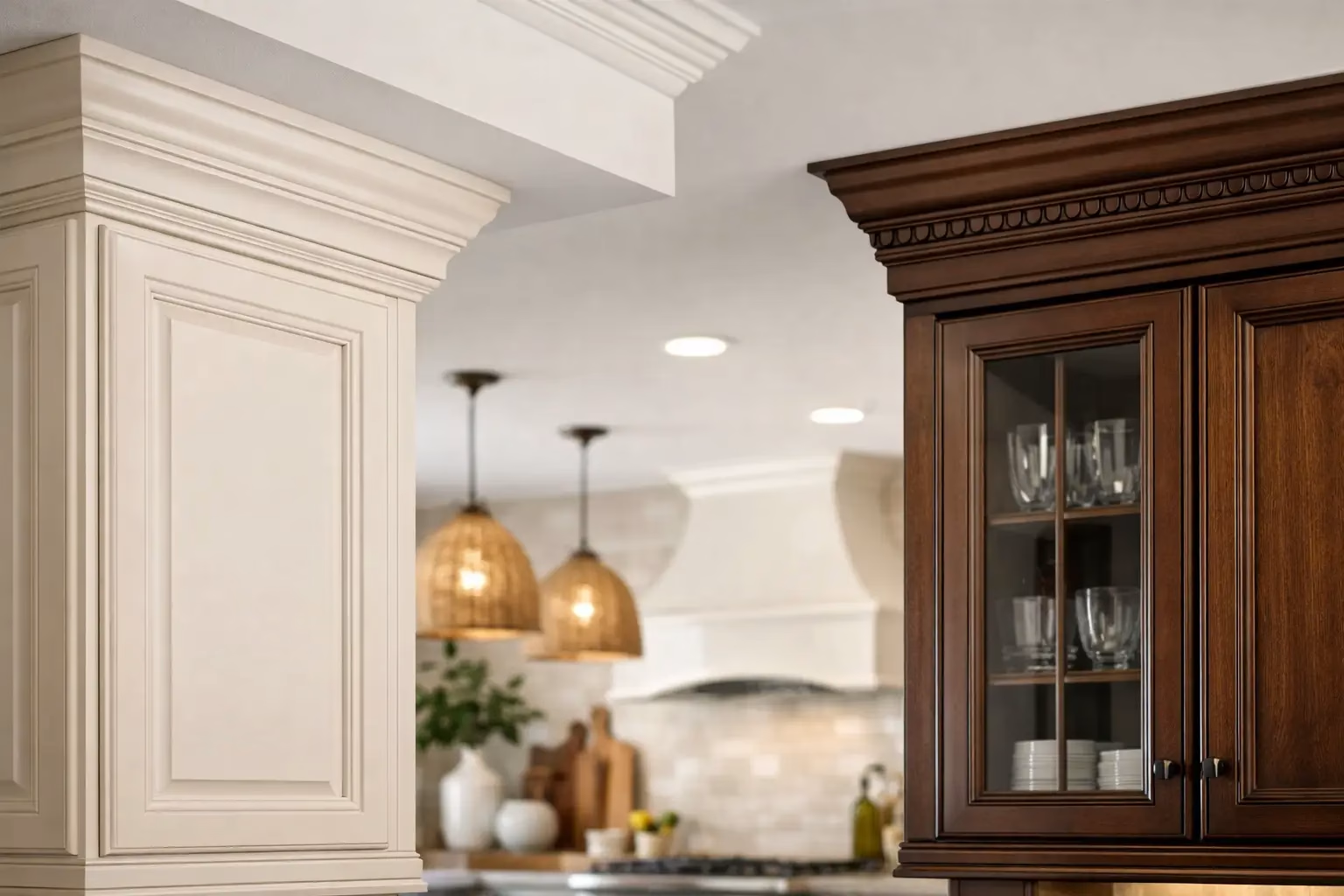
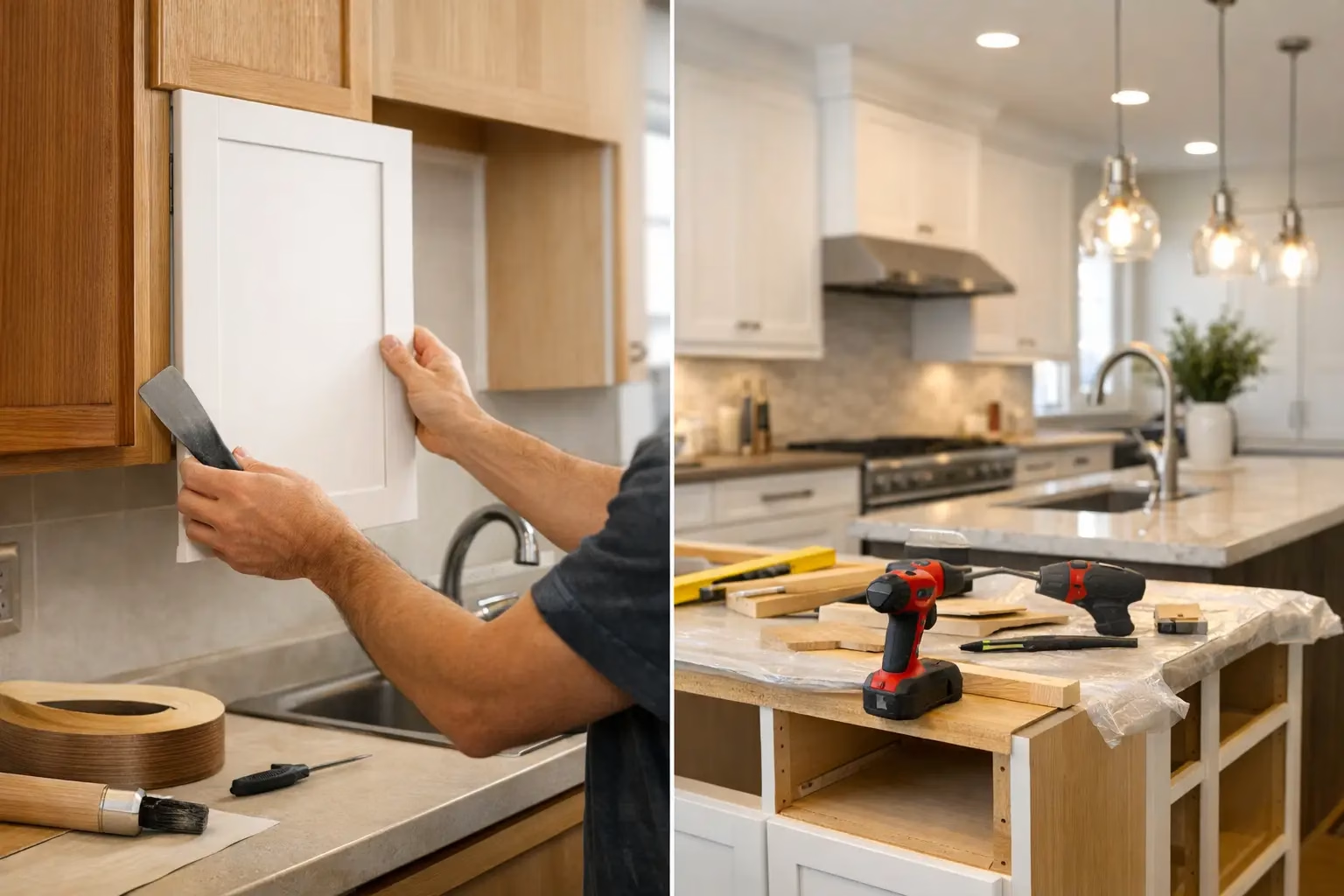
If your kitchen feels dated but your cabinet boxes are still solid, the biggest decision often comes down to cabinet refacing versus full remodel. That choice affects your budget, your timeline, the amount of demolition in your home, and how much of your existing layout you can keep. For many homeowners, the right answer is not the most dramatic option. It is the one that gives you the look you want without paying to replace parts of the kitchen that are still doing their job.
Cabinet refacing versus full remodel: what changes?
Cabinet refacing keeps your existing cabinet boxes in place and updates the visible surfaces. That usually means replacing cabinet doors and drawer fronts, covering exposed cabinet face frames or side panels, and finishing the look with matching accessories, trim, or moldings where needed. If the cabinet structure is sound, refacing can create a major visual transformation without tearing out the entire system.
A full remodel is a much broader project. It can include replacing cabinets completely, changing the kitchen layout, updating plumbing and electrical, installing new countertops, and often reworking flooring, lighting, or wall finishes. New cabinets are only one part of the scope. Once you remove the boxes, the project tends to expand.
That is the first practical difference. Refacing is a finish-driven upgrade. A full remodel is a construction project.
When refacing makes the most sense
Refacing is usually the better fit when your cabinet boxes are level, secure, and worth keeping. If the layout already works for how you cook and move through the room, replacing the fronts can give you the modernized look you want without rebuilding the whole kitchen around it.
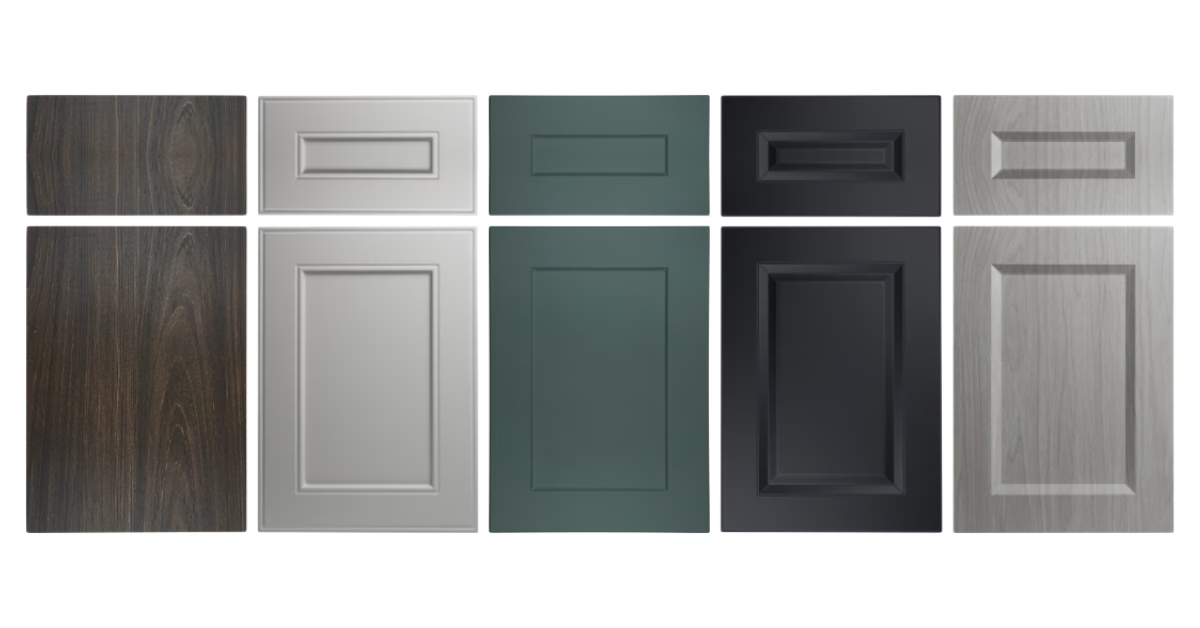
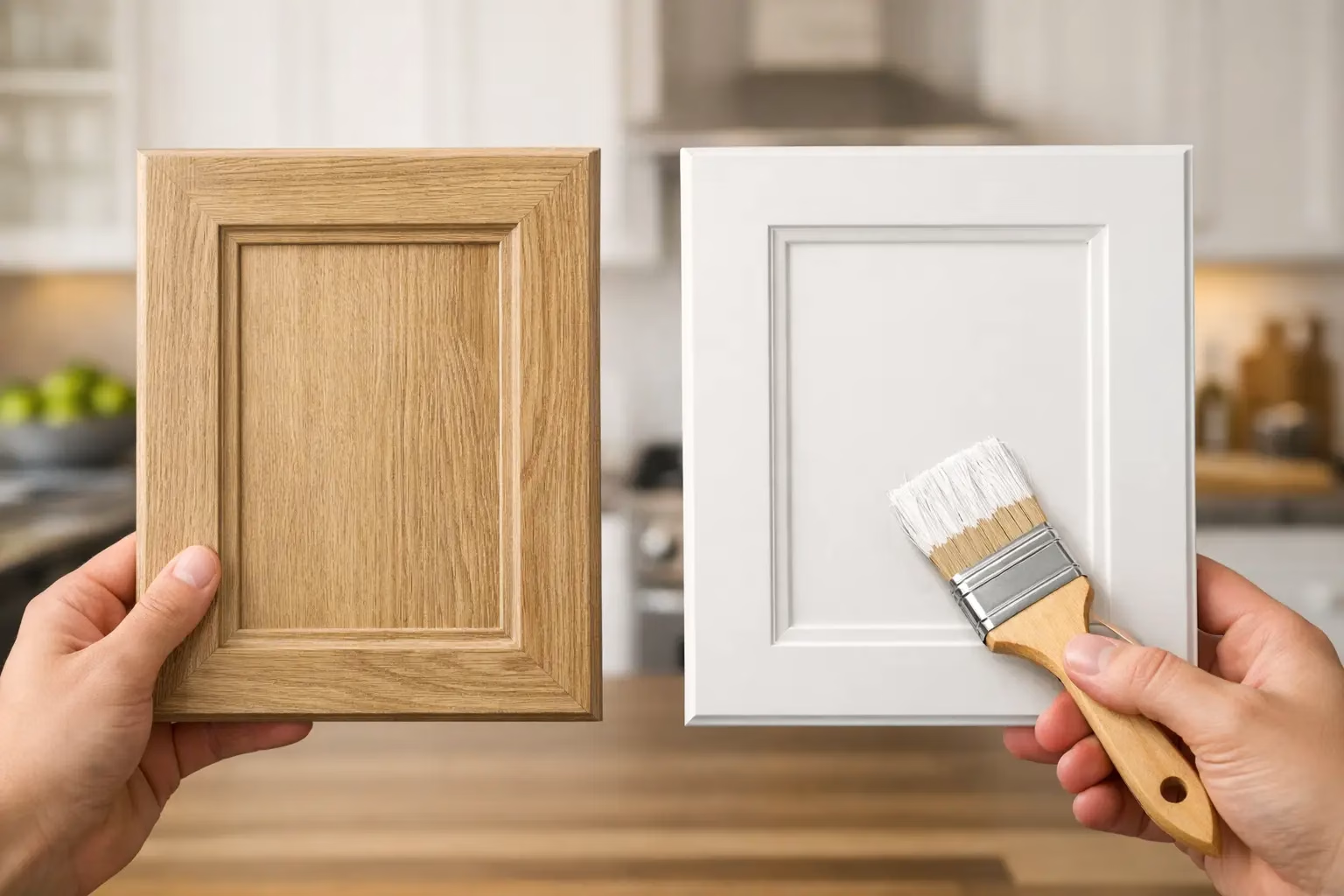
This option is especially appealing in homes with older cabinet boxes that were built well but now look tired. Many homeowners have sturdy cabinets with dated oak doors, worn finishes, or styles that make the whole room feel stuck in another decade. In that situation, custom-sized replacement doors and drawer fronts can change the appearance far more than people expect.
Refacing also makes sense when you want more control over cost. Instead of paying for demolition, disposal, new boxes, and labor-heavy installation, you are investing in the surfaces people actually see every day. That can free up budget for better hardware, upgraded countertops, fresh paint, or finishing details that make the room feel custom.
For DIY-minded homeowners, refacing offers another major advantage. It is a manageable project compared with a full cabinet replacement. Measuring carefully, choosing a door style, selecting a color or finish, and installing components in stages is a very different experience from coordinating a full renovation. If you like hands-on projects and want a high-end look without turning your house into a job site for weeks, refacing deserves a serious look.
When a full remodel is the better choice
Refacing is not the answer for every kitchen. If your cabinet boxes are damaged, poorly built, or badly laid out, covering them with new fronts will not solve the core problem. Cabinets with water damage, sagging bottoms, failing joinery, or major structural issues are usually better candidates for replacement.
A full remodel also makes more sense when the room itself is not functioning well. Maybe you need to move appliances, add more storage, create a larger island, or open the kitchen to another living area. If your goal is to change the footprint or fix a layout that frustrates you daily, refacing can only do so much. It improves the look, but it does not reinvent the structure.
There is also the question of consistency. If you are already replacing floors, moving plumbing, updating electrical, and changing countertops, a full remodel may be the cleaner path. Once the project reaches that scale, keeping old cabinet boxes may not save enough to justify working around them.
Cost is not just about the cabinets
Homeowners often compare prices too narrowly. They look at the cost of new cabinet doors versus new cabinets and stop there. But cabinet refacing versus full remodel is really a comparison between two very different spending patterns.
Refacing tends to keep costs concentrated on visible upgrades. You pay for custom doors, drawer fronts, matching components, hardware, and finishing materials. If you install them yourself, you can save even more. The value comes from avoiding the chain reaction that starts when cabinets are removed.
A full remodel includes many hidden costs that show up after demolition begins. Walls may need repair. Plumbing lines may need to move. Electrical may need to be brought up to code. Countertops often have to be replaced to fit a new cabinet layout. Flooring transitions become part of the discussion. Even if your original plan was cabinet replacement, the final bill usually reflects much more.
That does not mean a full remodel is a bad investment. It means you should compare total project cost, not just cabinet line items. If your boxes are in good shape and your layout works, refacing often delivers the strongest visual return for the money.
Timeline, disruption, and daily life
A kitchen remodel is not only a budget decision. It is a lifestyle decision.
Refacing is typically faster and less disruptive because the cabinet boxes stay in place. You are not gutting the room. There is less demolition debris, less noise, and fewer trades moving through the house. In many cases, homeowners can keep their routines far more intact while the project moves forward.
A full remodel demands more patience. Even a well-planned project can create weeks of inconvenience, and larger projects can stretch longer. If your kitchen is your home’s central workspace, family hub, or everyday gathering spot, that downtime matters. The cost of takeout meals, temporary setups, and schedule disruptions adds up quickly, even if it does not appear on the contractor estimate.
For homeowners who want a noticeable upgrade without living through a full renovation cycle, refacing has a clear practical edge.
Appearance: can refacing really look high-end?
Yes, if the work is done well and the materials are chosen carefully.
The quality of a refacing project depends heavily on precision. Custom sizing matters. Clean alignment matters. Matching components matter. When doors, drawer fronts, panels, moldings, and decorative elements are selected intentionally, the finished room can look polished and fully updated rather than patched together.
This is where made-to-order components make a real difference. Stock sizes can create awkward reveals and uneven spacing, especially in older homes where cabinets are rarely perfectly standard. Custom doors allow you to work with the cabinets you have while still achieving a tailored look. If you are trying to create a fresh style without replacing your cabinet boxes, that level of fit is what separates a budget shortcut from a result you are proud to show off.
At TDM – The Door Maker, that is exactly why the process starts with accurate measuring and design choices that fit your space rather than forcing your space to fit a stock option.
The decision usually comes down to three questions
If you are stuck between the two paths, ask yourself three things.
First, are the cabinet boxes worth keeping? If they are strong, level, and functional, refacing stays on the table. If not, replacement is usually smarter.
Second, do you like your current layout? If your workflow works and the problem is mainly appearance, refacing can be the efficient answer. If the room needs to function differently, a full remodel may be worth the added cost.
Third, what kind of project do you actually want to live through? Some homeowners are ready for a major renovation. Others want a better-looking space with less waste, less expense, and less disruption. Being honest about your tolerance for time, mess, and moving parts can make the decision much easier.
Which option gives better value?
Value depends on what you are trying to fix.
If your cabinets are structurally sound and you want a dramatic style upgrade, refacing often gives better value because it focuses spending where it shows. You can achieve a fresh, custom look without paying to replace cabinet boxes that still have years of life left.
If your kitchen has deeper problems such as poor layout, weak storage, or damaged cabinetry, a full remodel may offer better long-term value because it solves the right problem the first time. Spending less on refacing does not help if you still dislike how the room works.
The smartest projects are not always the biggest ones. They are the ones that match the condition of the space, the goals of the homeowner, and the budget available.
A good kitchen upgrade should leave you feeling like you improved your home, not like you overbought the solution. If your cabinet boxes are solid, custom refacing can be a very sharp way to get the transformation you want while keeping the project practical.