If you are weighing custom doors versus IKEA fronts, you are probably trying to solve a very specific problem: you want the room to look new without paying for a full cabinet replacement. That is where this comparison matters. Both options can improve the look of a kitchen, bathroom, office, or built-in storage, but they serve different kinds of projects and different expectations.
For some homeowners, IKEA fronts are a fast, familiar choice tied to a modular cabinet system. For others, custom cabinet doors are the smarter path because the existing cabinet boxes are still solid, the sizes are not standard, or the goal is a more tailored finished look. The right answer depends on what you are starting with, how exact the fit needs to be, and how much freedom you want in the final design.
Custom doors versus IKEA fronts: the real difference
The biggest difference is simple. IKEA fronts are designed around IKEA cabinet dimensions and system compatibility. Custom doors are made to your measurements.
That sounds obvious, but it changes almost everything about the project. If your cabinets are already IKEA boxes and you like working within that system, IKEA fronts can be a practical fit. If your cabinets are older, builder-grade, site-built, or from another manufacturer, IKEA fronts may not fit at all without compromise. Custom doors are built for the cabinet you have, not the cabinet system a retailer sells.
That matters in real homes because many kitchens are not perfectly standard. Older homes especially tend to include odd widths, fillers, drawer stacks, soffits, or cabinet runs that were built around the room instead of around a catalog. In those cases, custom doors let you refinish the space without forcing a redesign just to make stock sizing work.
Fit is where many projects are won or lost
Cabinet refacing looks expensive when it is done well because the details line up. Reveals are even. Drawer fronts sit consistently. Corners look intentional. The finish reads as a complete upgrade, not a patchwork fix.
That level of result comes down to fit. IKEA fronts work best when the cabinets themselves were built for IKEA front sizes. Outside that setup, trying to adapt stock fronts can create visible spacing issues or require filler decisions that weaken the final appearance.
Custom doors give you control over exact width and height, which is especially helpful when replacing fronts on existing cabinet boxes. You are not trying to make the room match the product. The product is made to match the room.
For DIY homeowners, that usually means less compromise and a cleaner end result. Measuring still needs to be done carefully, but accurate measurements allow the finished doors and drawer fronts to look intentional from the start.
When standard sizing is enough
There are cases where standard sizing is perfectly reasonable. If the cabinet system is already standardized, the layout is simple, and your goal is a basic refresh, IKEA fronts may check the box. That is especially true for secondary spaces or projects where speed matters more than exact tailoring.
But if one cabinet run is off by even a little, or if your home includes non-standard sections, that is where custom starts to earn its value quickly.
Style freedom is not the same thing as style selection
A lot of homeowners assume that having several finish and door-style choices means they are getting a custom look. That is not always true.
IKEA fronts offer a defined style range within a retail system. That can work well if one of those looks fits your taste and your cabinet sizes align with their dimensions. The limitation is that you are choosing from preset combinations.
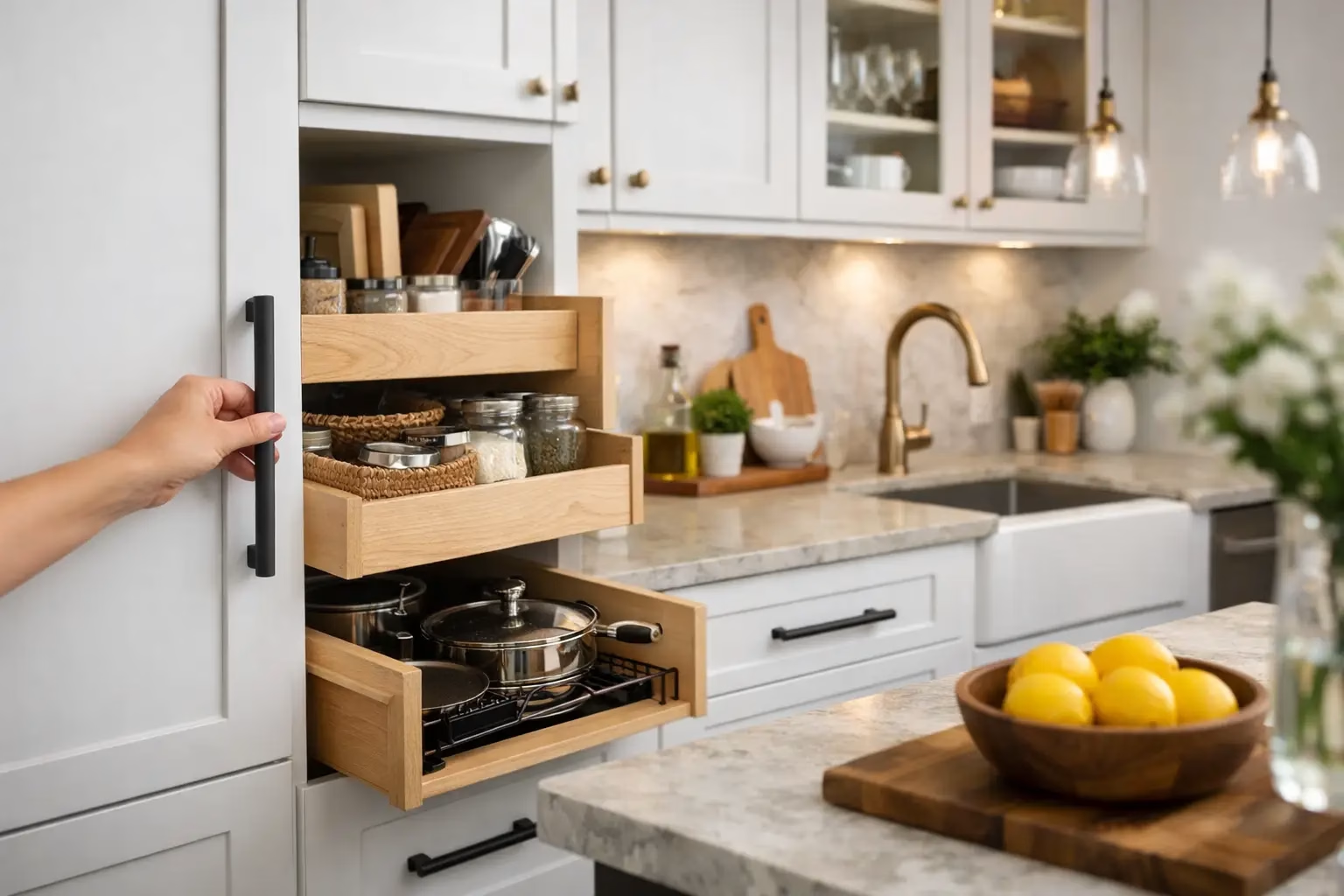
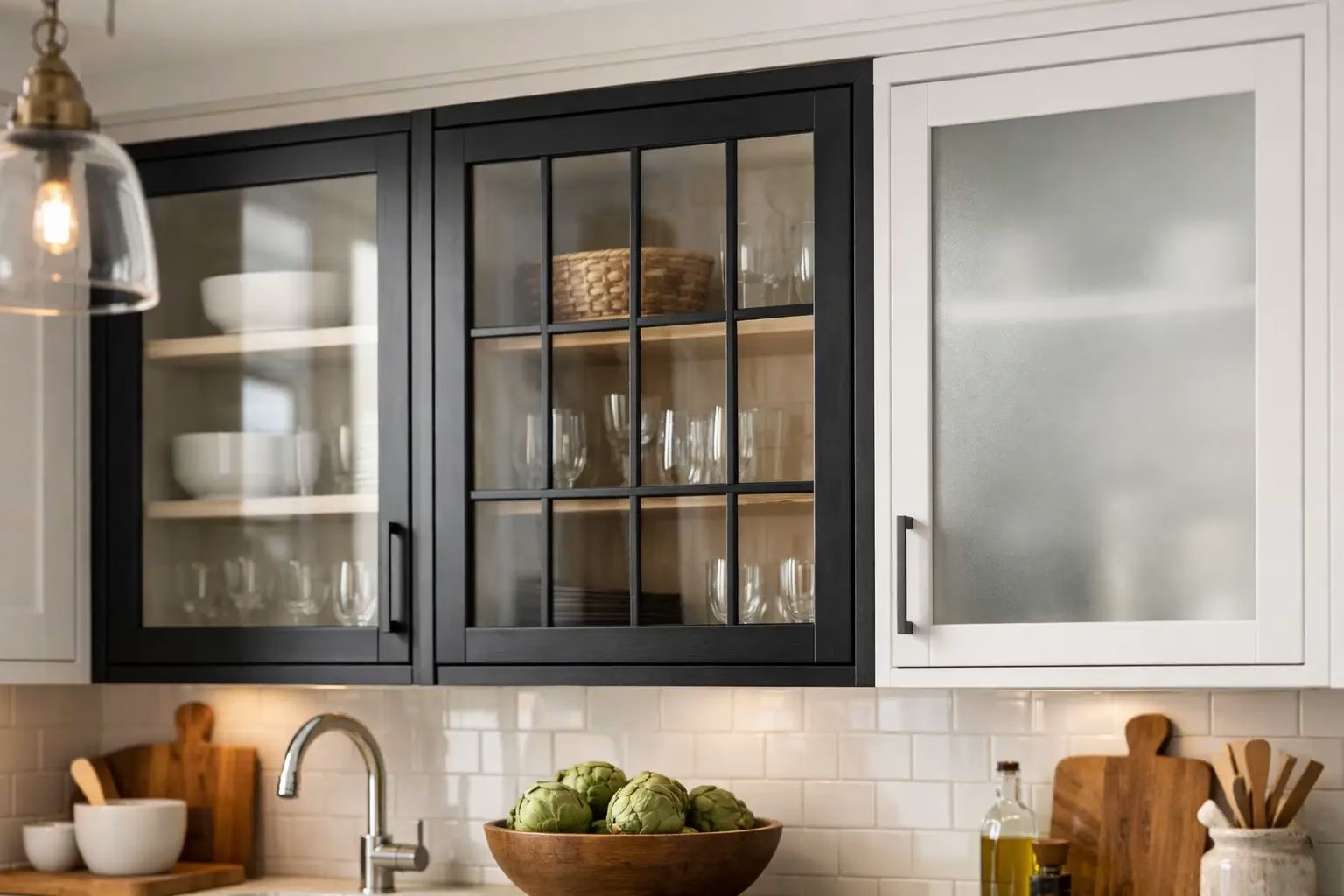
Custom doors open up a different level of control. You can choose the door style, panel profile, sizing, and often material or color options based on the look you actually want for the room. That flexibility is valuable when you are trying to match architectural details, update a dated kitchen without replacing every component, or create a built-in look that feels specific to your home.
This is one reason custom refacing often looks more high-end than a simple retail refresh. The project feels designed instead of selected.
Cost depends on what you are comparing
Price is where this conversation gets more nuanced.
At first glance, IKEA fronts may look like the budget winner because stock products often carry a lower starting price. If your entire project fits neatly into that system, the numbers may work in its favor.
But homeowners do not renovate spreadsheets. They renovate rooms. Once you factor in what actually has to happen to complete the project, the comparison shifts.
If IKEA fronts require replacing cabinet boxes, reworking the layout, adjusting fillers, buying into an entire cabinet system, or accepting compromises in fit, the value changes. What looked cheaper at the product level may become more expensive at the project level.
Custom doors can be a better value when your cabinet boxes are still structurally sound and only the visible fronts are dated. In that situation, refacing with made-to-order doors and drawer fronts lets you keep the cabinet framework, avoid a full tear-out, and invest your budget where the visual impact is highest.
That is often the sweet spot for homeowners who want a major transformation without the mess, waste, and cost of full cabinet replacement.
Quality is about more than the finish color
When homeowners compare cabinet fronts, they often focus first on appearance. That makes sense. Style is what you see every day. But quality shows up in other ways too: how the door feels, how the edges hold up, how consistent the construction is, and how finished the overall installation looks.
Stock systems are built for broad retail demand. Custom manufacturing is built around the individual order. That difference can show up in precision, finish options, and the way the final room comes together.
For refacing projects, precision matters because the doors are not floating on a showroom wall. They are being installed across a real set of cabinet boxes with their own quirks, hinge placements, and spacing needs. A made-to-order approach gives you the ability to account for those details rather than ignore them.
That does not mean every project needs the highest level of customization. It means homeowners should be honest about the finish they expect. If you want the room to look custom, custom sizing usually plays a major role in getting there.
Project difficulty: simple system versus tailored result
One reason IKEA fronts appeal to DIY buyers is familiarity. The system is recognizable, the process is straightforward, and many homeowners feel comfortable buying from a known retail format.
Custom ordering can feel more intimidating at first because it requires measurements and decisions. But that does not mean it is harder in practice. In many refacing projects, custom doors actually simplify the job because they are built around the cabinets already in place.
You are not trying to retrofit your room to a stock offering. You are measuring what exists, choosing the style you want, and ordering to match.
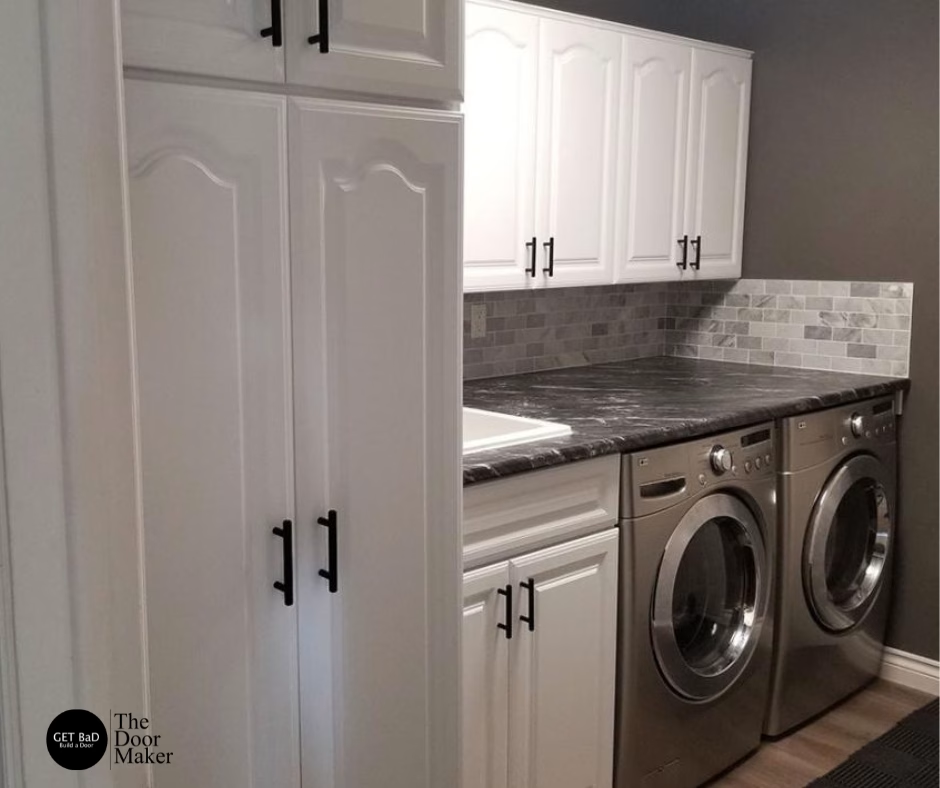
That is especially helpful in older kitchens, home offices, laundry rooms, and built-ins where cabinet sizing rarely follows one predictable retail pattern. A well-supported custom process makes DIY more approachable because it turns a potentially messy remodel into a focused upgrade.
At TDM – The Door Maker, that idea is central to the process: measure, design, and order with confidence, instead of replacing more than the project actually requires.
Who should choose IKEA fronts?
IKEA fronts make sense when you already have IKEA cabinet boxes, want to stay inside that system, and are comfortable with the available styles and sizes. They can also work for straightforward projects where flexibility is less important than convenience.
If your space is modular, your expectations are moderate, and your main goal is a clean retail refresh, IKEA fronts may be enough.
Who should choose custom cabinet doors?
Custom cabinet doors are the stronger choice when your existing cabinet boxes are worth keeping, your measurements are not standard, or you want the finished room to look more tailored. They are also ideal when you are updating older cabinetry, trying to match a specific style, or making over built-ins outside the kitchen.
For many homeowners, custom is not about going extravagant. It is about getting the right fit, the right look, and the right value from cabinets they already own.
That is the practical heart of custom doors versus IKEA fronts. One option is built around a retail system. The other is built around your home. If your project needs precision more than it needs standardization, custom doors usually give you a better path to a finished space that looks intentional, feels upgraded, and holds up to everyday use.
Before you choose, look at the cabinet boxes you already have. If they are solid, the smartest upgrade may not be replacing everything. It may be giving those cabinets the fronts they should have had all along.