One cabinet door that is slightly off can make the whole room look unfinished. The reveal looks uneven, the profile does not line up, and suddenly a simple upgrade feels more complicated than it should. If you are figuring out how to match cabinet doors exactly, the good news is that it is usually very doable – but only if you pay attention to more than width and height.
Matching a cabinet door is really about recreating the full look of the original door. That includes the style, edge detail, panel shape, overlay, thickness, finish, and hinge setup. When one of those elements is overlooked, the replacement can fit the opening but still look wrong once it is installed.
What it really means to match cabinet doors exactly
Most homeowners start with measurements, and that makes sense. Size is the first checkpoint. But an exact match is part measurement job and part visual inspection. Two doors can both be 14 by 24 inches and still look noticeably different if the frame width changes, the center panel profile is flatter, or the outside edge has a different routing.
That is why matching cabinet doors exactly works best when you treat the old door like a specification sheet. You are not just replacing a rectangle. You are identifying every visible and functional detail that makes that door belong to the cabinet run around it.
If you are refacing a full kitchen, consistency matters even more. A near match may be acceptable on a utility cabinet in the laundry room. In a kitchen with bright lighting and long sight lines, small differences stand out fast.
Start with the cabinet door style
Before you measure anything, identify the style you are trying to match. Is it a raised panel, recessed panel, slab, shaker, beadboard, or something more decorative? Look closely at the center panel and the frame around it. The proportions matter just as much as the category.
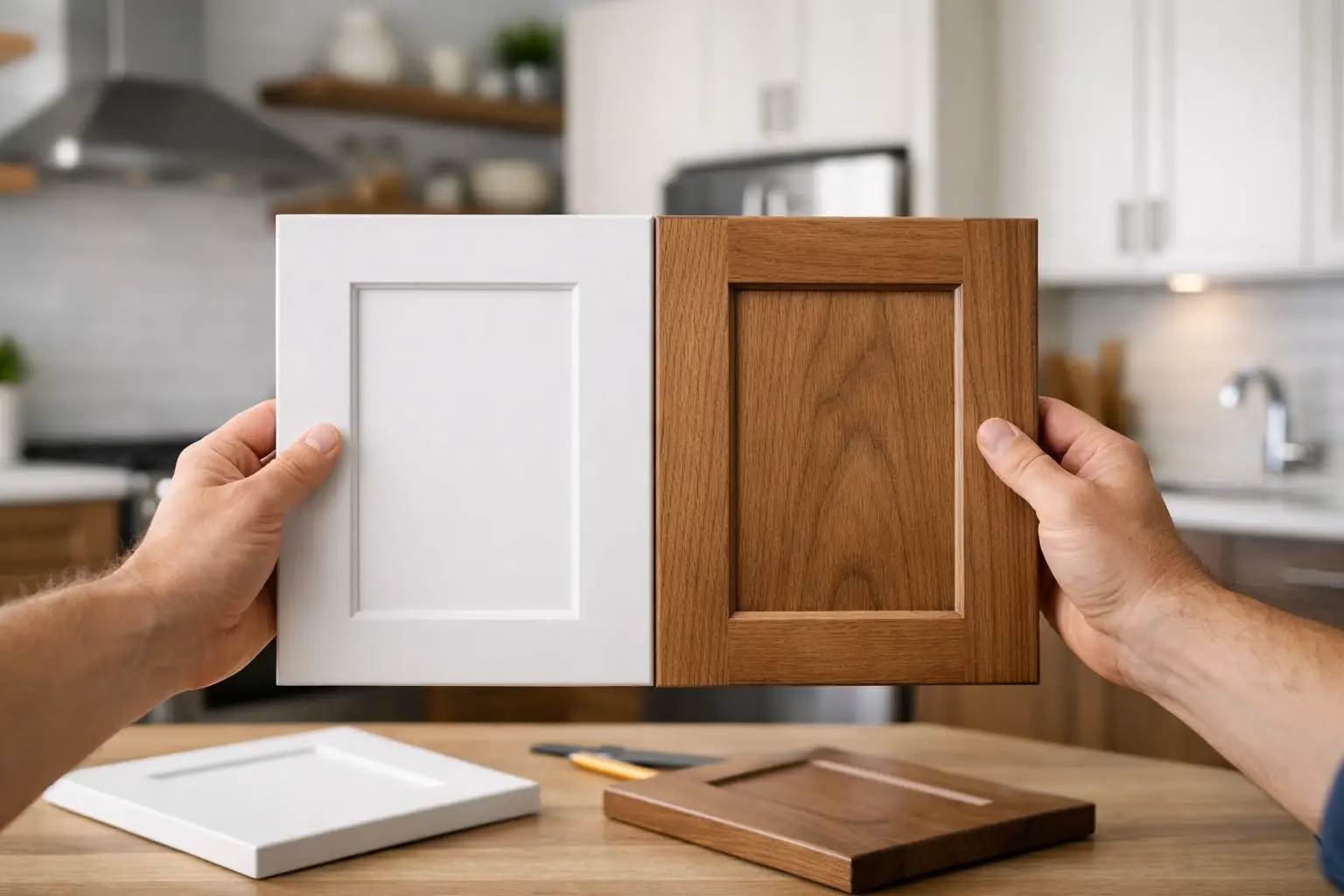
A classic shaker door, for example, can still vary quite a bit from one manufacturer to another. Some have narrow rails and stiles. Others use a wider frame. Some center panels sit perfectly flat, while others have a slight recess detail that changes the look in certain light.
If your cabinets are older, the style may not match a current stock option at a big-box store. That does not mean you are stuck. It usually means you need a custom-sized, custom-styled replacement rather than a close-enough substitute.
Pay attention to edge profiles
The outside edge of the door is one of the easiest details to miss and one of the first things your eye catches. A square edge, eased edge, ogee edge, or bevel edge will change the appearance of the door face, even if the rest of the design is close.
Run your fingers along the outer edge and compare it to any sample photos or profile options you are considering. If the profile is different, the new door may look like it came from a different kitchen.
Measure the door the right way
If you want to know how to match cabinet doors exactly, accurate measuring is non-negotiable. Measure the existing door itself, not just the cabinet opening. Use a tape measure you trust, and write everything down to the nearest 1/16 inch.
You need the width, height, and thickness of the existing door. Then measure the rail and stile width if the door has a frame. These dimensions help confirm whether the proportions of the replacement will match the original.
It also helps to check for squareness. Older doors and older homes are not always perfectly consistent. If one corner has shifted over time, you want to know whether the issue is the door, the hinge, or the cabinet box before ordering a replacement.
Do not guess the overlay
Overlay is the amount the door covers the cabinet opening or face frame. This is one of the most common places DIY orders go wrong. A door can be the correct height and width overall but still look off if the overlay does not match the surrounding cabinets.
If you have partial overlay cabinets, measure how much the door overlaps the frame on all sides. If you have full overlay cabinets, check the reveal between adjacent doors and drawers. Those spacing relationships affect the finished result more than many people expect.
If you are replacing only one or two doors, matching the overlay is critical. If you are replacing every door in the room, you have more flexibility to choose a new overlay style as long as it works with the cabinet boxes and hinges.
Match the hinge setup and boring
A cabinet door is not complete until it works correctly on the cabinet. That means hinge compatibility matters just as much as appearance. Look at the back of the existing door and identify whether it has concealed hinge boring, surface-mount hinges, or another hardware setup.
For concealed hinges, measure the diameter of the cup hole, the distance from the edge of the door to the cup, and the spacing between hinge locations. If the boring pattern is off, the door may require rework during installation or fail to line up with the rest of the run.
This is where custom ordering can save a lot of frustration. When hinge boring is done to the right specifications, installation is cleaner and the finished reveal is easier to fine-tune.
Finish and color are where exact gets tricky
Style and sizing can be matched with precision. Finish is sometimes a different story. If your current cabinets have aged for 10 or 15 years, the original paint or stain may have shifted from sunlight, grease, cleaning products, and normal wear. Even a new door made in the original color may not be a perfect visual match on day one.
That does not mean you should give up on matching. It means you should be realistic about what exact means in a lived-in home. White is not always just white. Natural maple can amber over time. Painted finishes can vary by sheen level, not just by color.
Samples help more than screen images
If finish matters, and it usually does, work from physical samples whenever possible. Photos on a screen are useful for narrowing options, but they are not reliable enough for final color decisions. Lighting changes everything.
Compare the sample to your existing cabinetry in daylight, evening light, and under your kitchen fixtures. That extra step can prevent an expensive mismatch.
If an exact finish match is unlikely because your cabinets are older, think through whether repainting or refinishing the full set makes more sense than trying to blend one new door into a heavily aged group.
Material matters more than people expect
The species or material used in the original door affects both the look and the finish result. A painted MDF door and a painted hardwood door can both look good, but they may not wear the same way over time. A stained oak door will never look identical to a stained maple door because the grain pattern is part of the design.
If your goal is an exact match, identify the original material first. Look at the grain, weight, and back side of the door. If you are not sure, take clear photos and compare carefully before ordering.
This is especially important in kitchens where some doors may be solid wood and others may be thermofoil or laminate. A quick visual match from the front can fall apart once texture and sheen come into play.
When replacing one door versus all doors
The strategy changes depending on how many doors you are replacing. If you are replacing one damaged door, your job is strict matching. Every detail should be driven by the existing cabinetry.
If you are replacing all the doors for a refacing project, you have more room to improve the overall design. You still need accurate sizing and hinge prep, but you can choose a more current profile, cleaner finish, or updated overlay while keeping the cabinet boxes in place. That is often where refacing delivers the biggest visual upgrade for the money.
For many homeowners, this is the point where custom manufacturing makes more sense than searching shelf after shelf for a stock size that almost works. The Door Maker helps DIY customers take that step with made-to-order sizing and style options designed around the cabinets they already have.
How to avoid the most common matching mistakes
Most mismatches happen because of one of three problems: incomplete measurements, overlooked profile details, or finish assumptions. Homeowners often measure the opening instead of the door, forget to check overlay, or choose a style that is similar but not proportioned the same way.
Slow the process down. Take multiple measurements. Photograph the front, side, and back of the existing door. Note the hinge style, panel shape, edge profile, and thickness. If you are ordering multiple doors, label each cabinet opening so nothing gets mixed up.
Precision at the ordering stage is what creates that clean, built-for-the-space look once everything is installed. That is the difference between a refacing project that looks custom and one that looks like a compromise.
Matching cabinet doors exactly is not about chasing perfection for its own sake. It is about respecting the lines of the room so the finished result looks intentional, polished, and worth the effort. When you take the time to match the details that matter, your cabinets stop looking pieced together and start looking like they were made that way from the start.