If your cabinet boxes are still solid but the room looks dated, the real decision often is not whether to remodel. It is custom doors versus stock cabinetry. That choice affects how your finished space looks, how much you spend, how much waste you create, and whether the project feels tailored or temporary.
For many homeowners, stock cabinetry sounds simpler at first. You walk into a store, pick a style, and replace what you have. But once measurements, filler panels, layout compromises, and installation costs start piling up, the picture changes. In a lot of kitchens, bathrooms, offices, and built-ins, replacing only the visible components with custom-sized cabinet doors and drawer fronts delivers the better result.
Custom doors versus stock cabinetry: what is the real difference?
Stock cabinetry is built around standard sizes, limited configurations, and preselected style options. It is made to fit the average project, not your exact one. That works well when you are building from scratch with a standard layout and are comfortable designing around what is available.
Custom cabinet doors take a different path. Instead of replacing your cabinet boxes, you keep the existing structure and order doors and drawer fronts made to your exact measurements. That matters more than people expect, especially in older homes where openings may not align perfectly with modern standard sizes.
The difference is not just custom versus off-the-shelf. It is precision versus approximation. If you want a refaced kitchen to look intentional, exact sizing is usually what gets you there.
Why fit matters more than most homeowners expect
Cabinet refacing lives or dies on proportions. A door that is slightly off can make reveals look uneven, gaps feel distracting, and the whole project read as a compromise. Stock options often force you to work around preset dimensions. Sometimes that means fillers, unusual spacing, or changing more of the layout than you planned.
With custom doors, you size for the cabinets you actually have. That is especially useful when your cabinet boxes are structurally sound but were built decades ago, installed by a local carpenter, or adjusted over time. Non-standard openings are common. So are small variations from one cabinet run to the next.
That is where custom work pays off. You are not trying to make your room fit the product. The product fits the room.
The cost question is more nuanced than it sounds
A lot of people assume stock cabinetry is always the budget option. Sometimes it is, but not always in the way that matters most.
If your existing cabinet boxes are in good shape, replacing them can be the expensive part of the project. Full cabinet replacement often means demolition, disposal, possible countertop disruption, plumbing or electrical adjustments, touch-up work, and more installation labor. The cabinet price on the shelf is only one piece of the total.
Custom doors and drawer fronts can lower the overall project cost because you are upgrading the visible surfaces instead of tearing out the entire cabinet system. That gives you a fresh look without paying for new boxes you may not need.
There are trade-offs. If your cabinets are damaged, poorly laid out, or simply not worth saving, stock or fully custom cabinetry may make more sense. But when the bones are good, refacing with custom components is often the smarter value.
Style options: where stock starts to feel limiting
Most homeowners do not want their kitchen to look like a compromise between what they wanted and what happened to be in stock that week. They want the right panel style, the right color, the right finish direction, and proportions that suit the room.
Stock cabinetry usually narrows those choices. You may get a few door styles, a small finish range, and fixed dimensions. If your taste lines up with that offering, great. If not, you either settle or spend more changing the whole plan.
Custom doors give you more control where it counts. You can choose a style that fits your home, whether that means a clean modern slab, a timeless Shaker profile, or something more detailed. You can coordinate drawer fronts, mullions, panels, and decorative components so the room looks finished rather than pieced together.
That freedom is one reason refacing has become such a strong option for design-conscious DIY homeowners. You are not boxed into a retail display version of your project.
Custom doors versus stock cabinetry in older homes
Older homes are where this comparison gets very practical. Standard products are built for standard assumptions, and older homes rarely cooperate.
Cabinet openings may vary by fractions of an inch. Walls may be out of square. Existing layouts may include details that are hard to recreate with stock replacements. In these situations, stock cabinetry can trigger a chain reaction of adjustments. One size issue leads to fillers, then trim work, then more compromise.
Custom-sized doors are often the cleaner answer because they work with what is already there. Instead of rebuilding the room to fit new cabinets, you preserve the cabinet boxes and update the appearance with components made for that exact project.
That does not mean every older kitchen should be refaced. If the cabinet boxes are failing or the layout truly does not work, replacement may still be the better path. But when the issue is appearance, not structure, custom doors are usually the more efficient fix.
The DIY factor
For homeowners doing the work themselves, stock cabinetry can seem less intimidating because it is familiar. But DIY success is not only about what feels easy at the store. It is about what creates the least disruption and the most predictable result.
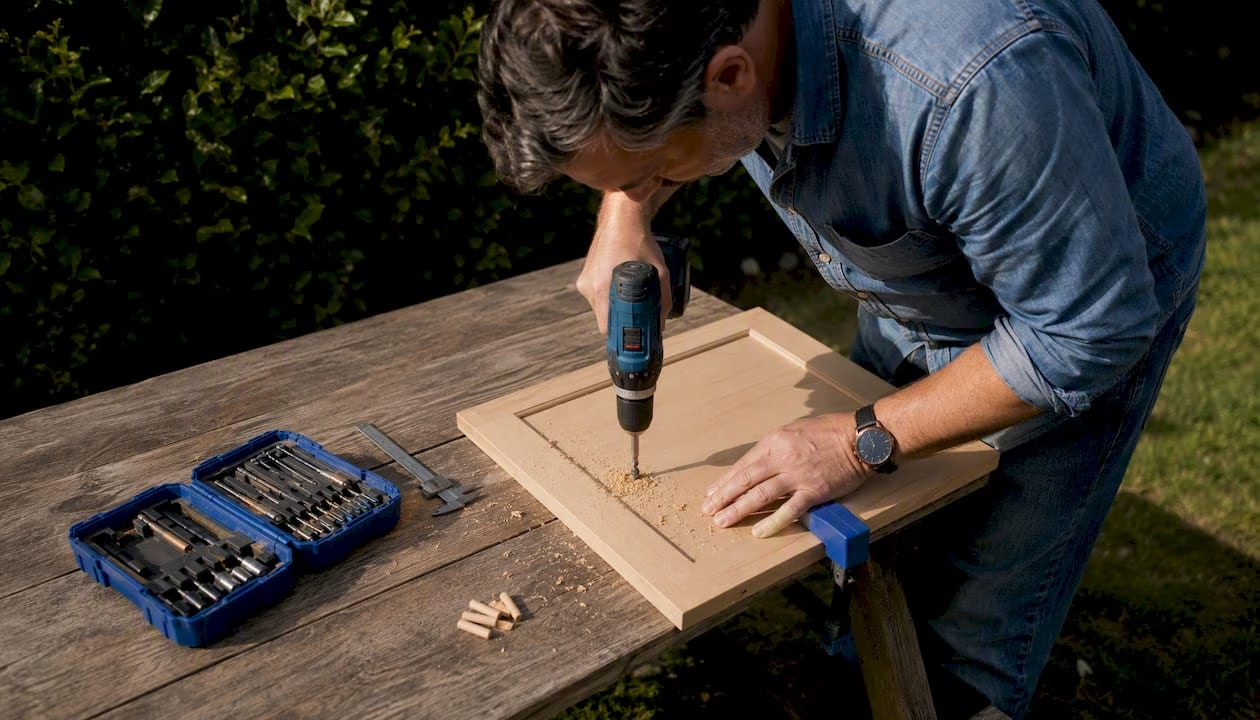
Full cabinet replacement is a bigger project. You are removing boxes, leveling new ones, dealing with alignment across runs, and often coordinating more moving parts. Refacing with custom doors is typically more manageable because the cabinet boxes stay in place. You focus on measuring carefully, selecting the right design, preparing surfaces, and installing new doors and drawer fronts.
That process rewards precision, but it avoids a lot of the mess and complexity of a full rip-out. For hands-on homeowners who want a major visual upgrade without taking the whole room apart, custom doors are often the better match.
Where stock cabinetry still makes sense
There are times when stock cabinetry is absolutely the right choice. If you are remodeling a room from the ground up, changing the layout completely, or replacing cabinet boxes that are damaged beyond saving, stock cabinets can offer a practical starting point. They can also work well in utility spaces where exact style matching is less important.
The key is knowing what problem you are solving. If you need a whole new cabinet system, custom doors alone will not solve that. But if you already have usable cabinets and want them to look dramatically better, replacing everything may be more project than you need.
This is where many homeowners overspend. They think a better look requires a full replacement, when what they really need is a better front face.
What delivers the better finished look?
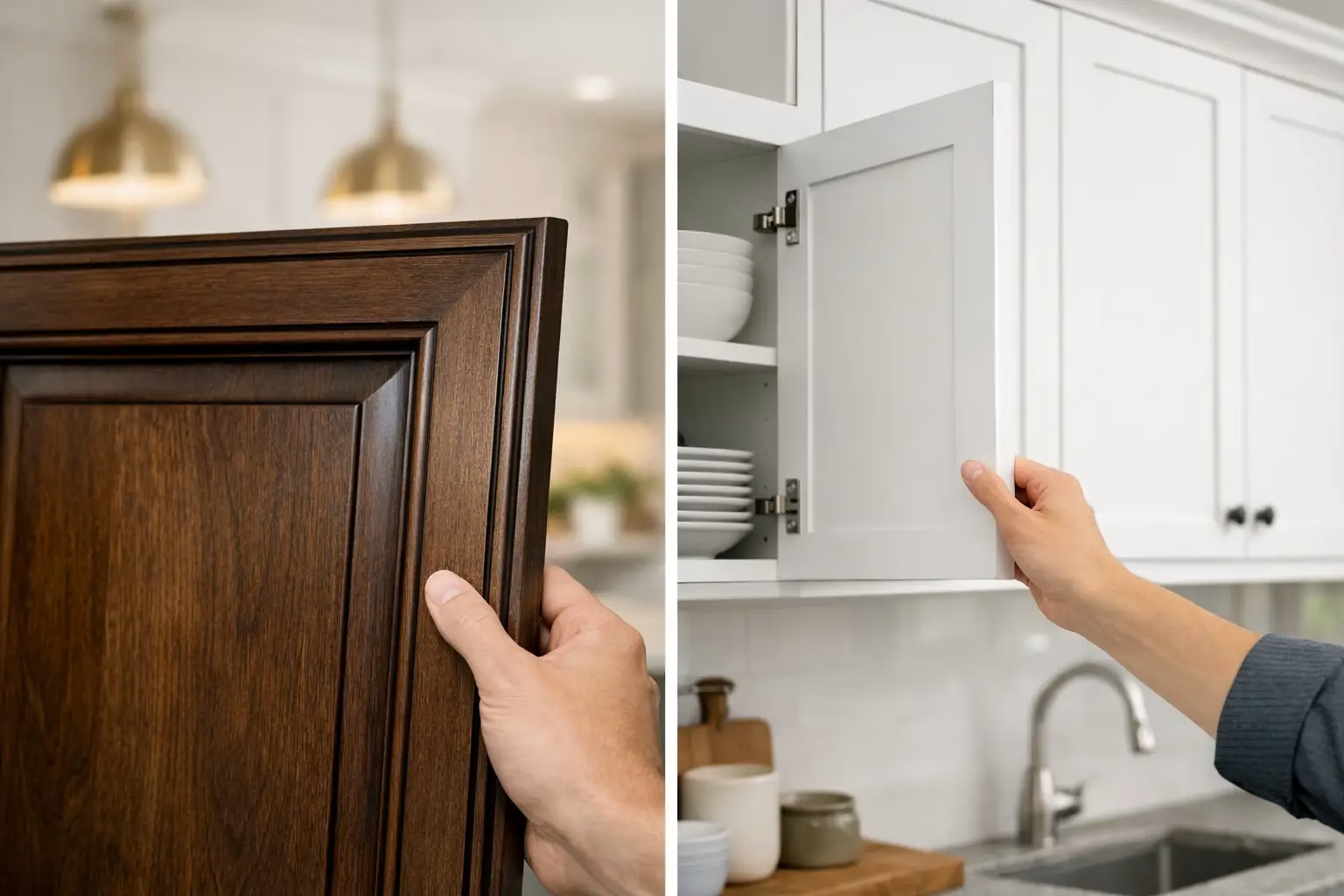
In many side-by-side comparisons, custom doors win on finish quality because they remove the visual clues that make a project feel generic. Better fit, more intentional proportions, and style flexibility create a result that looks built for the space.
Stock cabinetry can still look good, especially in a straightforward installation. But it tends to show its limitations when the room is unusual, the homeowner wants a more tailored design, or the existing layout is worth preserving.
A well-executed reface can surprise people. When the sizing is right and the details are coordinated, the cabinets do not look patched together. They look renewed.
That is why so many homeowners compare custom doors versus stock cabinetry and end up choosing the option that upgrades what they already have. It respects the budget, reduces waste, and gives them more design control.
If your cabinet boxes are solid, your layout still works, and your goal is a high-end look without a full tear-out, custom doors are often the strongest move. A company like TDM – The Door Maker makes that path even more approachable by helping homeowners measure accurately, choose the right style, and order doors built for the project they actually have.
The best renovation choice is usually the one that solves the real problem, not the one that replaces the most materials. When your cabinets need a new look more than a new structure, precision-made doors can take you much farther than stock ever will.