A cabinet refacing project can look high-end or look like a shortcut, and the material choice is usually the reason why. This guide to cabinet refacing materials is built to help you avoid that mistake. If you’re updating cabinet doors, drawer fronts, and exposed cabinet surfaces, the right material affects not just the final look, but also durability, maintenance, cost, and how forgiving the project will be during installation.
For most homeowners, the goal is simple: keep the cabinet boxes, replace what shows, and end up with a finished space that feels custom without paying for a full tear-out. That is exactly where material decisions matter. Some options give you the warmth of real wood. Others are easier to clean, more budget-friendly, or better suited to humid spaces like kitchens and bathrooms. There is no single best choice for every project. There is only the best fit for your cabinet style, room conditions, and renovation budget.
What this guide to cabinet refacing materials should help you decide
When people compare refacing options, they often focus on color first. Color matters, but it is only one part of the decision. You also want to think about whether you want a painted finish or a woodgrain look, how much wear the cabinets will take, and whether you are matching an existing design or changing the room completely.
If you are refacing a busy family kitchen, durability and cleanability may matter more than subtle grain variation. If you are upgrading a home office, built-in bar, or laundry room, you may have more flexibility to prioritize style. And if your home has older cabinets with non-standard sizing, custom-made components become even more valuable because the material needs to work with precise measurements, not just stock dimensions.
The main cabinet refacing materials
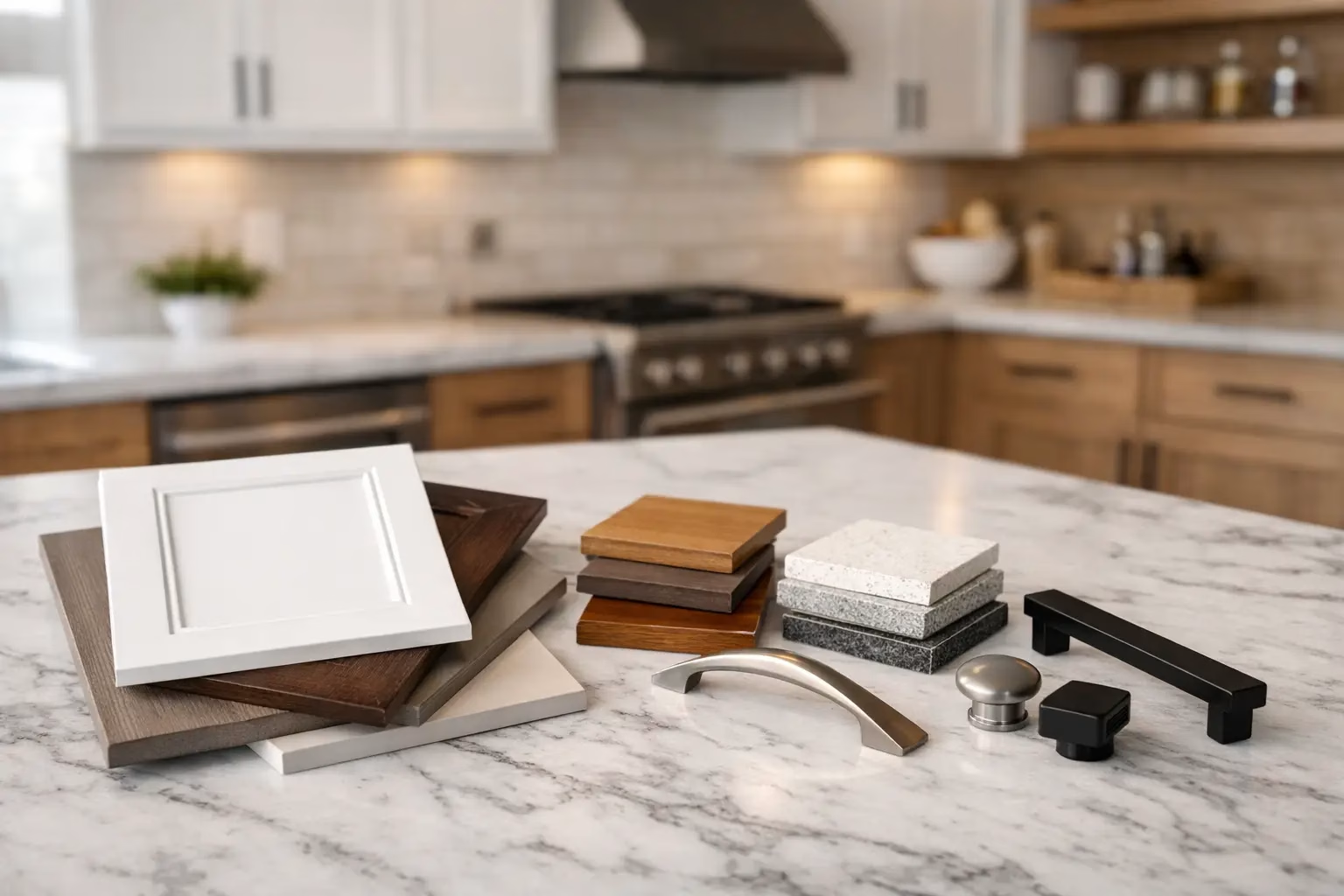
Most refacing projects center around a few core material categories: solid wood, wood veneer, laminate, and rigid thermofoil or PVC-based finishes. Each one has strengths, and each one comes with trade-offs.
Solid wood
Solid wood remains the classic choice for homeowners who want authentic texture, depth, and a furniture-quality appearance. It works especially well for cabinet doors and drawer fronts, where profile detail and craftsmanship are easy to see. Wood can be stained to highlight grain or painted for a more tailored look.
The big advantage is character. Wood looks natural because it is natural, and that matters when you want a warm, custom finish. It also gives you flexibility in style, from shaker doors to raised panel designs and more decorative profiles.
The trade-off is movement. Wood expands and contracts with humidity, and certain species show grain and variation more than others. Painted wood can be beautiful, but over time it may show hairline joints or seasonal movement in ways manufactured surfaces do not. For many homeowners, that is a fair trade for the quality and richness wood delivers.
Wood veneer
Wood veneer is a thin layer of real wood applied over a stable core or used on exposed cabinet surfaces during refacing. It is often chosen when homeowners want the appearance of real wood without the cost of using solid wood everywhere.
A good veneer can look excellent, especially on flat surfaces like cabinet ends and face frames. It helps create a consistent, coordinated look across the kitchen when paired with matching doors and drawer fronts. It is also useful for wrapping visible cabinet boxes so the finished project looks complete rather than pieced together.
Its downside is that it is less forgiving if damaged. Deep chips or peeling edges are harder to repair than solid wood. Installation quality matters a lot here. If veneer is applied carefully and matched well, it can be a smart middle ground between value and appearance.
Laminate
Laminate is a practical option for homeowners who want a clean, durable, and often more affordable finish. It comes in a wide range of colors and patterns, including wood-look designs, and it tends to resist stains and wipe clean easily.
For utility-focused spaces or contemporary styles, laminate can make a lot of sense. It offers consistency, which some homeowners prefer over the natural variation of wood. If your design goal is a sleek, uniform appearance, laminate can deliver that well.
The trade-off is feel. Even when laminate looks good, it does not have the same natural depth as real wood. Edge treatment also matters. Poorly finished laminate edges can make a project look budget-driven, while well-made custom components help the result look intentional and polished.
Thermofoil and PVC finishes
Thermofoil and PVC-based materials are popular in refacing because they offer a smooth, low-maintenance surface and excellent color consistency. They are often used for slab doors, shaker-style doors, and modern profiles where a crisp painted look is the goal.
One reason these materials appeal to DIY renovators is predictability. You know what color and finish you are getting, and the surface is generally easy to maintain. In the right application, they can provide a clean, updated look at a strong value.
The main caution is heat and impact resistance, which can vary by product and placement. Areas near ovens, dishwashers, or other heat sources deserve extra attention. Not every PVC or thermofoil option performs the same way, so product quality matters. When you are ordering custom-made pieces, it helps to work with a manufacturer that is precise about material specs, color options, and fit.
How to choose the right material for your project
The best material choice usually comes down to three questions: what look do you want, how hard will the cabinets be used, and how much maintenance are you comfortable with?
<p>If you want timeless character and a more custom furniture feel, real wood is usually the strongest contender. If you want to stretch your budget while keeping an authentic wood appearance on visible surfaces, veneer may be the better path. If you care most about easy cleaning and a uniform finish, laminate or PVC-based options may be a better fit.
You should also think about the room itself. Kitchens deal with grease, moisture, and daily wear. Bathrooms bring humidity. Home offices and built-ins often see lighter use, which can open the door to more style-first decisions. There is nothing wrong with choosing a material for looks, as long as it matches the space.
Matching doors, drawer fronts, and cabinet surfaces
One of the biggest differences between an average refacing job and a professional-looking one is consistency. Cabinet doors may get most of the attention, but exposed ends, face frames, toe kicks, moldings, and trim pieces all need to work together.
That is why material coordination matters so much. A beautiful new door can still look out of place if the surrounding surfaces do not match in color, texture, or sheen. This is especially true in older homes, where cabinet boxes may have unusual dimensions or layouts that make off-the-shelf replacements look obvious.
Custom sizing helps solve that problem. It gives you the ability to match the material and style across the full project instead of settling for near enough. For homeowners doing their own remodel, that can be the difference between a cosmetic upgrade and a finished transformation.
Budget, value, and where to spend more
Not every part of the project needs the most expensive material available. If your budget has limits, focus first on the most visible pieces: cabinet doors, drawer fronts, and exposed panels. Those surfaces shape the look of the room.
It often makes sense to spend more on precision-made fronts and choose cost-conscious solutions for less visible areas. That approach helps protect the finished look without pushing the project into full cabinet replacement territory. A well-planned refacing job should feel like a smart investment, not a compromise.
That is also why customization has real value. When materials are cut and built to your cabinet dimensions, you reduce the patchwork look that can happen with stock products. For a DIY homeowner, that means less forcing, less filler, and a cleaner final result.
Common mistakes to avoid when comparing cabinet refacing materials
The most common mistake is choosing based on color alone. The second is underestimating how much wear the cabinets will take. A finish that looks great on a sample may not be the best choice next to a range, under a sink, or in a high-traffic kitchen.
Another mistake is mixing materials without thinking through sheen, texture, and edge details. Even small differences can show once everything is installed under real lighting. Samples help, but so does thinking about the whole room rather than one door style in isolation.
Finally, do not ignore measurement accuracy. The best material in the world will not save a project if the doors and drawer fronts do not fit correctly. That is where a custom process and clear ordering support can make the project much less stressful.
If you are trying to create a kitchen or built-in space that looks upgraded rather than replaced, material choice is where the project takes shape. Take the extra time to compare how each option looks, feels, and performs in your space. When the material fits the job, cabinet refacing stops looking like a budget workaround and starts looking like exactly what it should be – a smart, high-impact upgrade built to last.