A bathroom vanity can make the whole room feel dated faster than almost anything else. If the cabinet boxes are still solid but the doors look worn, warped, or stuck in another decade, learning how to reface bathroom vanity doors is one of the smartest upgrades you can make.
The reason this project works so well is simple. In most bathrooms, the vanity takes up a lot of visual space, but replacing the entire cabinet often means more cost, more mess, and more disruption than you really need. Refacing gives you the finished look of a major update while keeping the existing structure in place.
What refacing bathroom vanity doors actually means
When people talk about refacing, they sometimes mean different things. In the most complete sense, refacing a vanity means replacing the old doors and drawer fronts, updating the visible cabinet surfaces, and finishing everything so the vanity looks cohesive and new.
That is different from repainting the old doors. Paint can help if the doors are in good shape and you like the current style. But if the doors have swollen edges, chipped corners, dated profiles, or poor fit, paint only covers the problem. New custom-sized doors and drawer fronts change the look far more effectively.
In a bathroom, that distinction matters. Moisture, heat, and daily use are hard on cabinet fronts. If your vanity doors have started to delaminate or feel soft near the bottom edge, replacement is usually the better investment.
Is your vanity a good candidate for refacing?
Before you order anything, inspect the cabinet boxes closely. If the cabinet sides are stable, the face frame is sound, and the vanity is still level, refacing is usually a strong option. Minor cosmetic wear is fine. Loose hinges, faded finishes, and old hardware are all fixable.
If the sink base has severe water damage, the floor under the vanity is compromised, or the cabinet structure is coming apart, refacing may not be enough. In that case, full replacement could save time and frustration.
Most homeowners fall somewhere in the middle. The vanity box is often perfectly usable, but the exterior is what makes the room feel old. That is exactly where refacing shines.
How to reface bathroom vanity doors: start with accurate measuring
The most important part of this job happens before any installation begins. Accurate measurements determine whether your new doors look custom or look like a workaround.
Start by measuring each existing door and drawer front separately. Do not assume matching openings are identical, especially in older homes. Measure width and height carefully, and write everything down clearly. If you are replacing overlay doors, you also need to know how much overlay you want on the cabinet frame.
Next, check hinge style. Many bathroom vanities use concealed hinges, but older cabinets may have exposed hinges or partial inset doors. Your hinge choice affects boring requirements, door sizing, and the final look.
This is also the point where you should decide whether you are keeping the current drawer layout, adding matching drawer fronts, or changing the style entirely. Consistency matters more in a small bathroom because every detail is easier to see.
Choose materials with the bathroom in mind
Bathrooms are not kitchens. The humidity level is different, the storage is different, and the wear pattern is different too. That means your door material and finish should be selected with moisture resistance and easy maintenance in mind.
A painted or rigid thermofoil-style surface can be a good fit if you want a clean, durable look that is easy to wipe down. A stained wood door can look beautiful in a powder room or lower-moisture bathroom, but in a heavily used primary bath, the finish quality matters a lot. You want a door built for longevity, not just appearance.
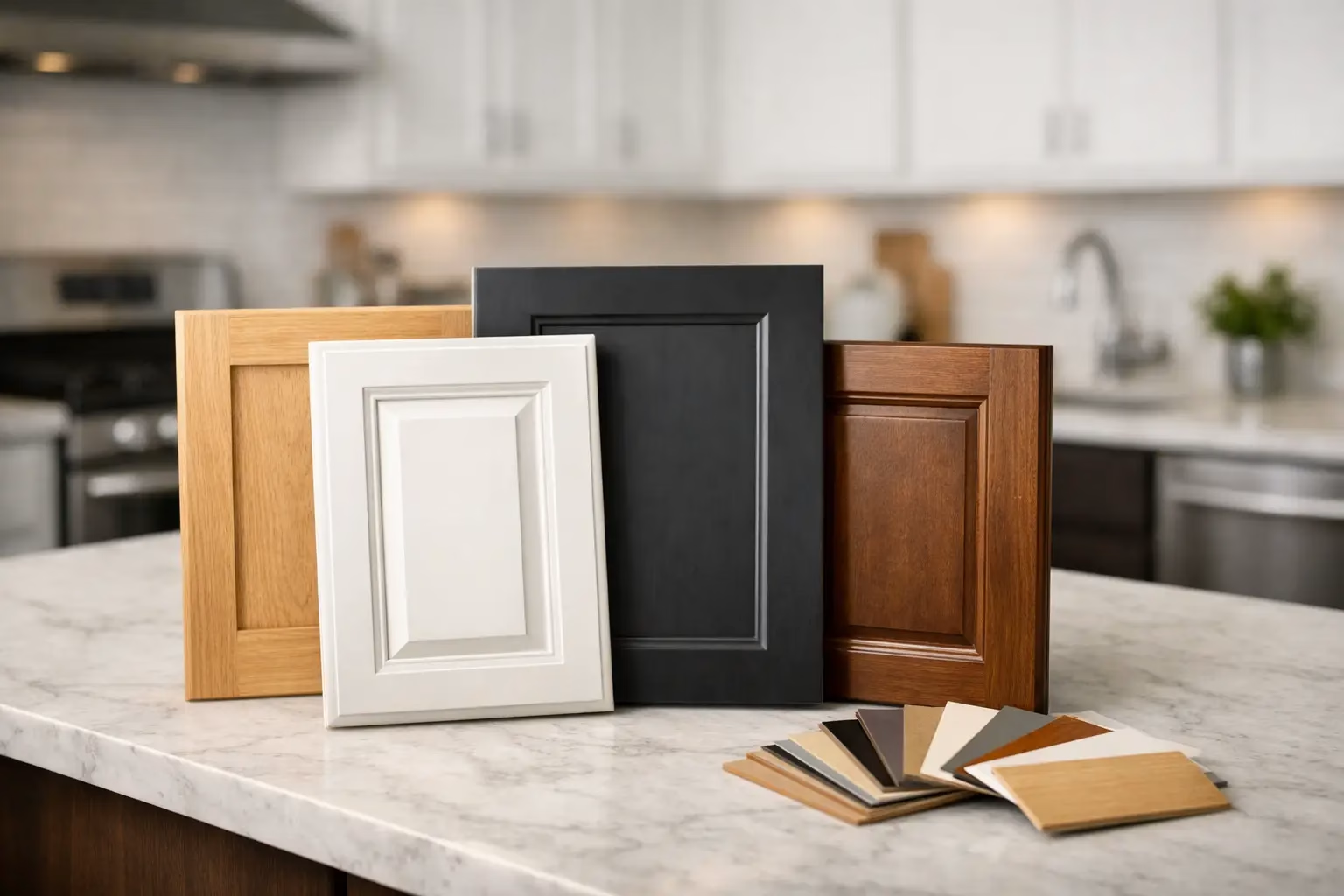
Style choice matters too. Shaker doors remain a favorite because they look current without feeling trendy, and they work well in both modern and transitional bathrooms. Raised panel doors can suit a more traditional space, while slab doors create a simpler, more contemporary finish.
If you are ordering custom fronts, this is where precision really pays off. A made-to-order approach gives you better fit on older or non-standard vanity sizes than trying to force stock options into place.
Don’t overlook the cabinet face and end panels
Replacing the doors alone can improve the vanity, but it will not always complete the transformation. If the face frame, exposed ends, or front edges are scratched, yellowed, or finished in a completely different color, the project may still look unfinished.
That is why many refacing projects also include covering or refinishing visible cabinet surfaces. Depending on the vanity construction, that may mean applying matching veneer, painting the frame, replacing side panels, or adding decorative skin panels to exposed ends.
The right approach depends on the vanity style. A framed cabinet often needs attention on the front frame. A more contemporary vanity may need cleaner treatment on the side panels. Either way, the goal is simple: when the project is done, the eye should read the vanity as one unified piece.
Installation basics that make the finished look better
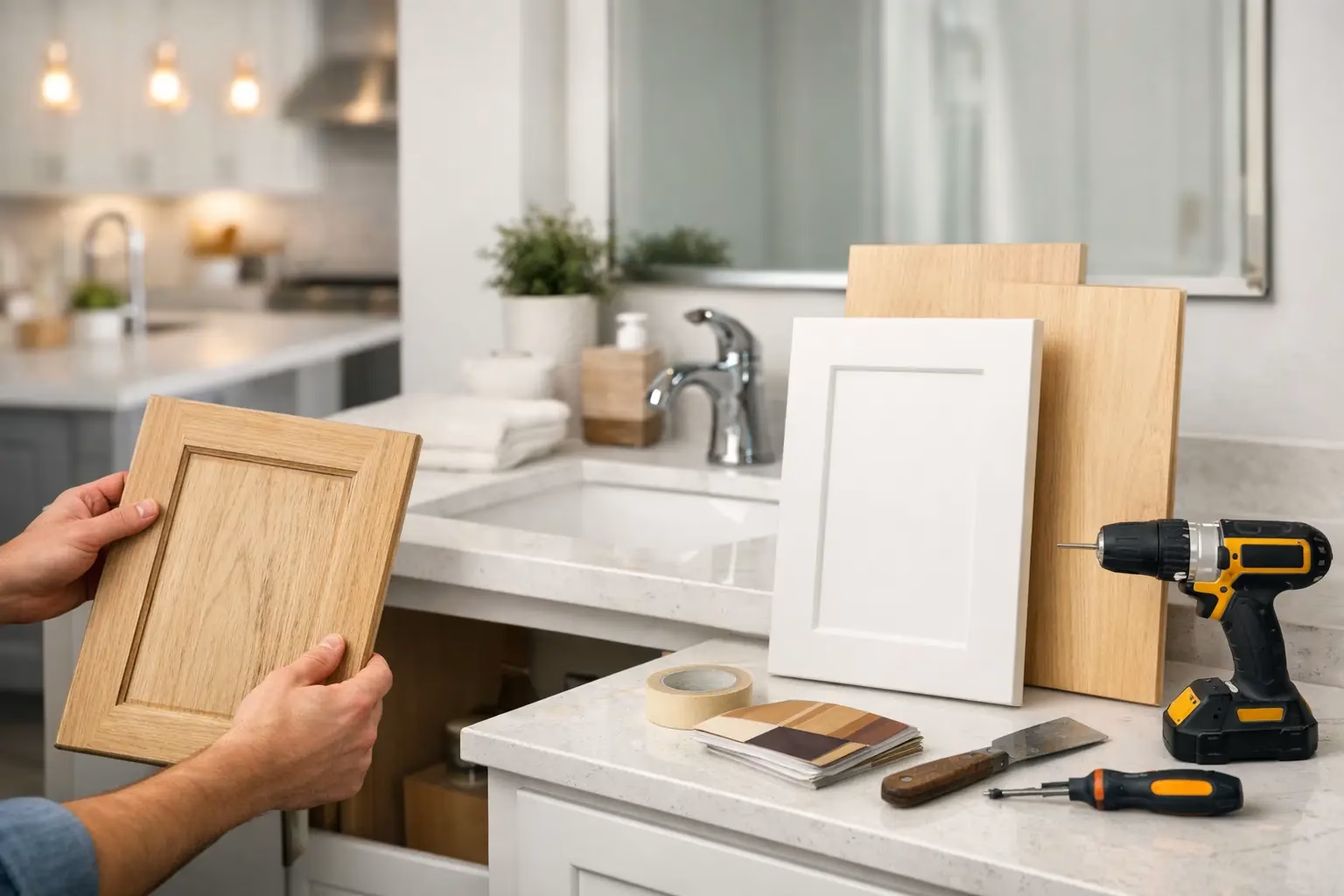
Once your new doors and drawer fronts arrive, dry fit everything before final installation. Check reveal lines, hinge placement, and drawer alignment. Small adjustments at this stage make a big difference later.
If you are installing concealed hinges, use the correct screws and make sure the hinge plates are mounted evenly. Then hang the doors and adjust them until the spacing is consistent. Most modern hinges allow fine-tuning side to side, up and down, and in or out. Take advantage of that. Good alignment is what gives refaced cabinetry a professional appearance.
Drawer fronts should be centered carefully and attached securely. Temporary spacers can help you maintain even gaps while fastening them in place. After that, install knobs or pulls using a template so hardware placement stays consistent.
This is one of those projects where patience shows. Rushing the alignment is the fastest way to make quality materials look average.
Common mistakes when refacing a bathroom vanity
The biggest mistake is treating the vanity like a standard stock cabinet when it is not. Bathroom cabinetry varies more than many people expect, especially in remodels, builder-grade homes, and older houses. Measuring casually and hoping for the best rarely ends well.
Another common issue is ignoring moisture damage. If the bottom edges of the cabinet are already swollen from leaks or standing water, replacing doors without fixing the source of the problem will only give you a short-term improvement.
Finish mismatch is another one. New doors paired with an old yellowed frame can make the contrast more obvious, not less. And finally, some homeowners choose door styles that look great online but feel too heavy or too ornate once installed in a small bathroom. The tighter the space, the more important proportion becomes.
What kind of budget should you expect?
This depends on size, door style, material, finish, and how much of the vanity exterior you plan to update. A simple refacing project with new doors, drawer fronts, hinges, and hardware will cost far less than full vanity replacement, especially when you avoid plumbing changes and countertop removal.
That said, not every refacing project is equally priced. Custom sizing costs more than buying whatever is on the shelf, but it often saves you from awkward gaps, filler pieces, and a less polished result. For many homeowners, that trade-off is worth it.
You should also factor in the value of keeping a solid cabinet box out of the landfill and avoiding the chain reaction that often comes with full replacement. Once a vanity comes out, flooring, wall paint, trim, and plumbing connections often become part of the job too.
When custom doors make the most sense
If your vanity is an unusual width, has older hinge placement, or needs a very specific style match, custom doors are usually the cleanest path forward. They also make sense when you want the room to look intentionally upgraded rather than pieced together from stock components.
For DIY renovators who want a better fit and a more finished result, this is where a company focused on custom cabinet refacing can really help. The Door Maker, for example, is built around the idea that homeowners can get made-to-order doors and drawer fronts sized correctly for the cabinets they already have, without stepping into a full replacement project.
That kind of precision matters in bathrooms because there is less room to hide mistakes. A quarter-inch problem on a vanity is a very visible problem.
How to know if the project is worth doing
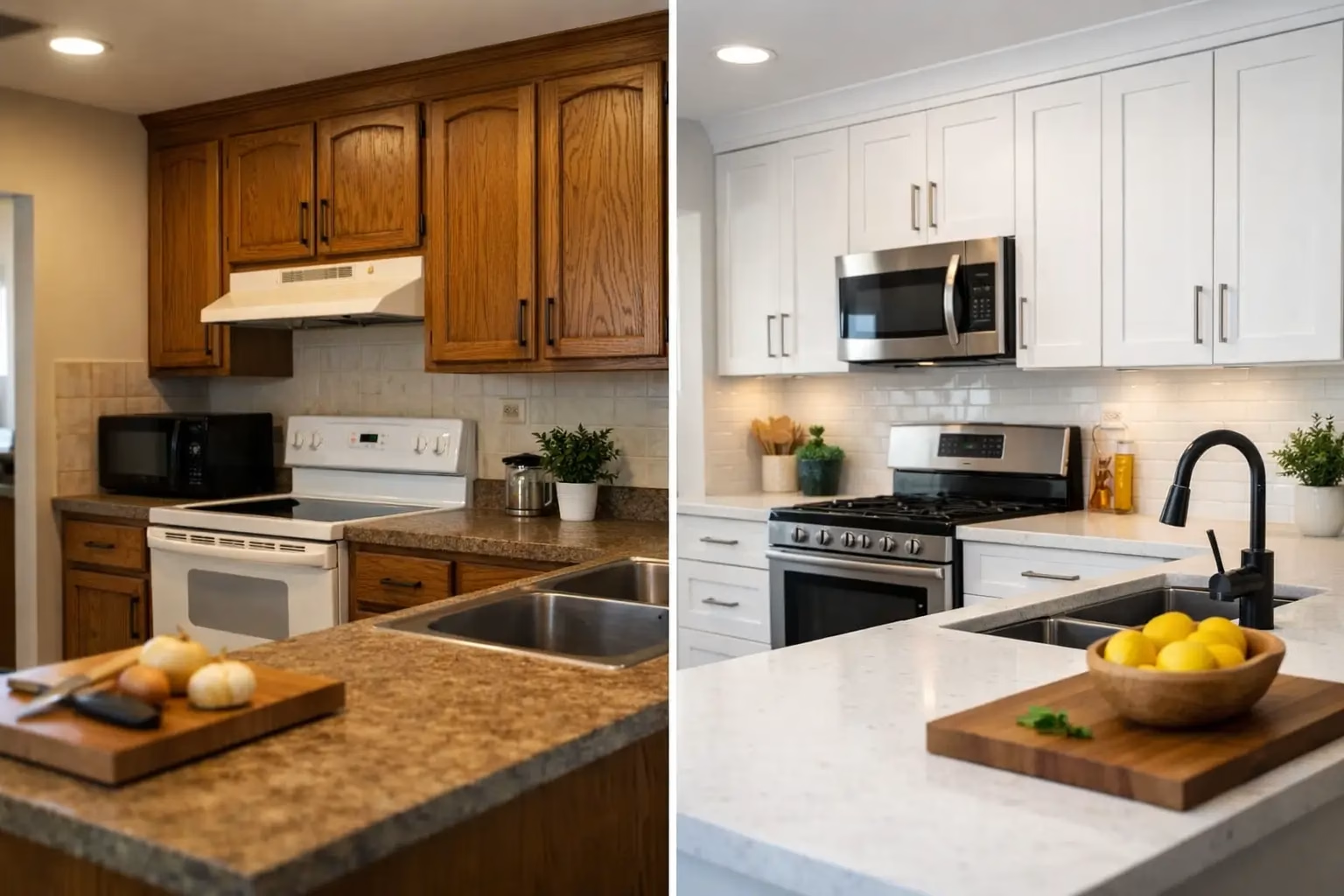
If you like your bathroom layout, your vanity box is still solid, and the room simply needs a cleaner, more current look, refacing is usually worth it. You get a visual upgrade where it counts most, and you stay in control of the project scope.
And if you are wondering how to reface bathroom vanity doors without turning it into a full remodel, that is really the point. Measure carefully, choose materials that suit a bathroom environment, and invest in fronts that fit the cabinet you already own. A well-planned reface does not just save money – it makes the whole room feel more intentional.
The best bathroom updates are the ones that solve the real problem, not the ones that replace everything just because it is there.