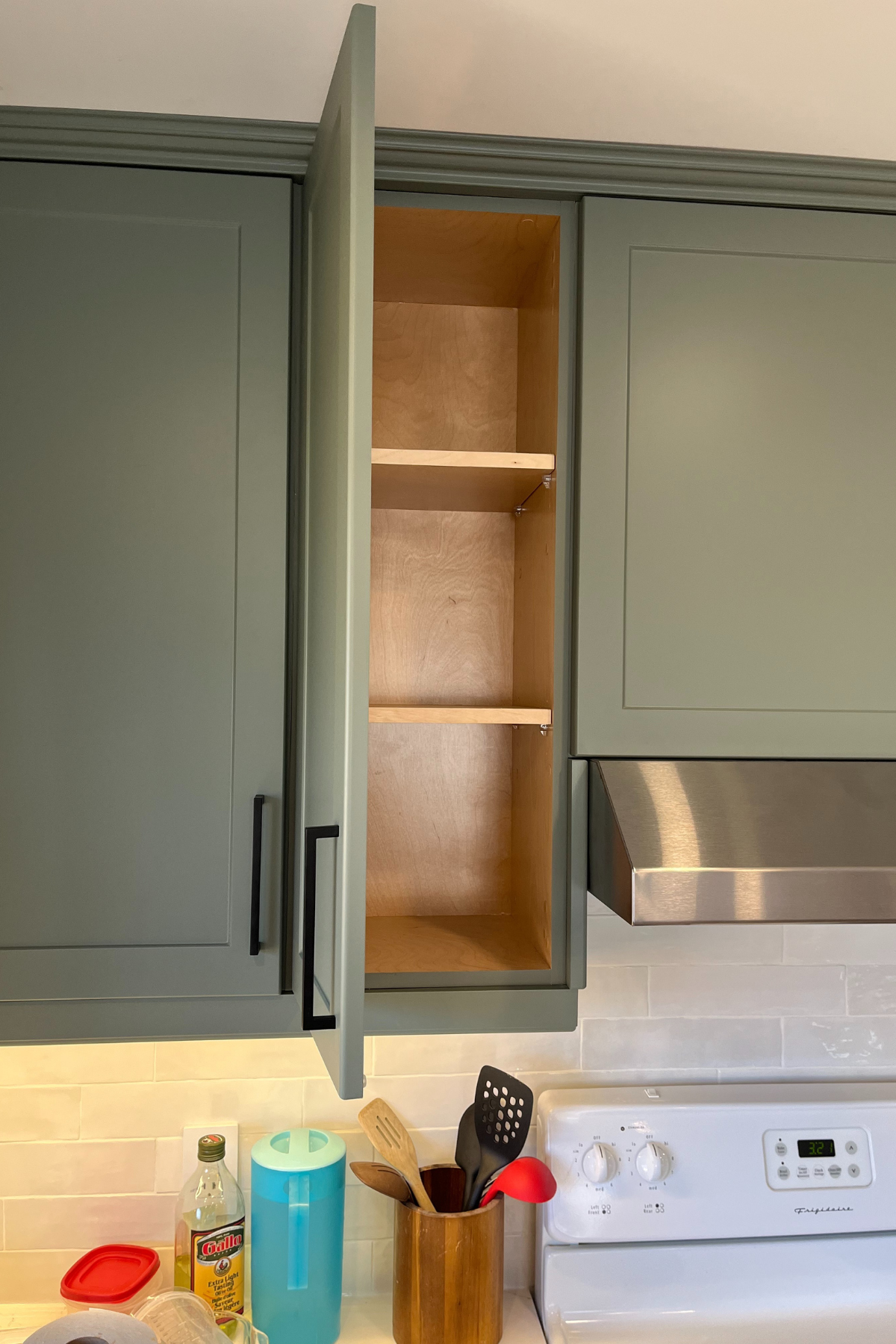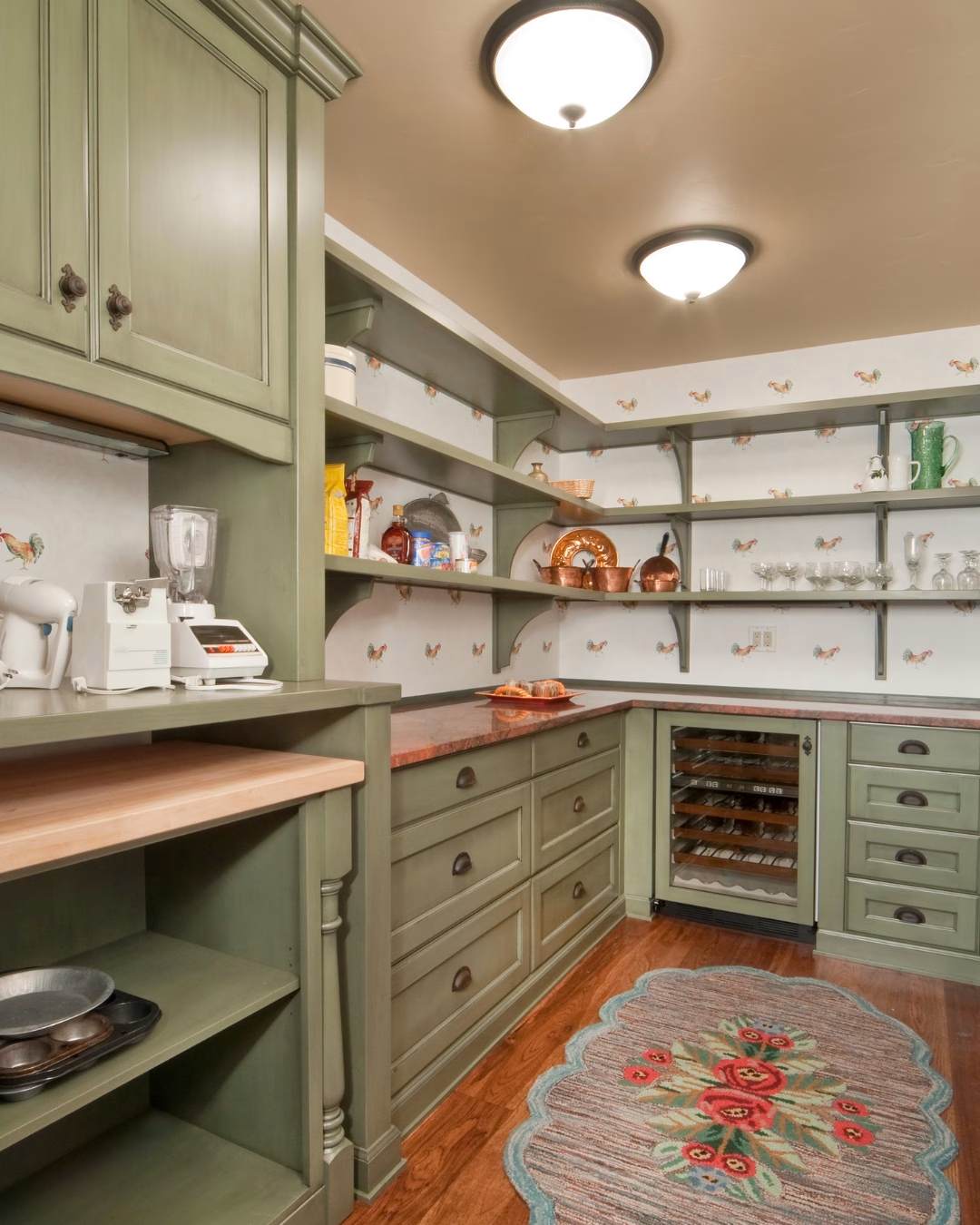
A dated kitchen usually gives itself away in seconds – heavy door profiles, worn finishes, mismatched drawer fronts, and that color that looked fine 20 years ago but now makes the whole room feel darker than it is. A good kitchen refacing before and after example shows something homeowners often miss at first: the cabinet boxes may still be perfectly usable. If the layout works and the boxes are solid, replacing the visible components can create a dramatic transformation without the mess and cost of a full tear-out.
A real kitchen refacing before and after example
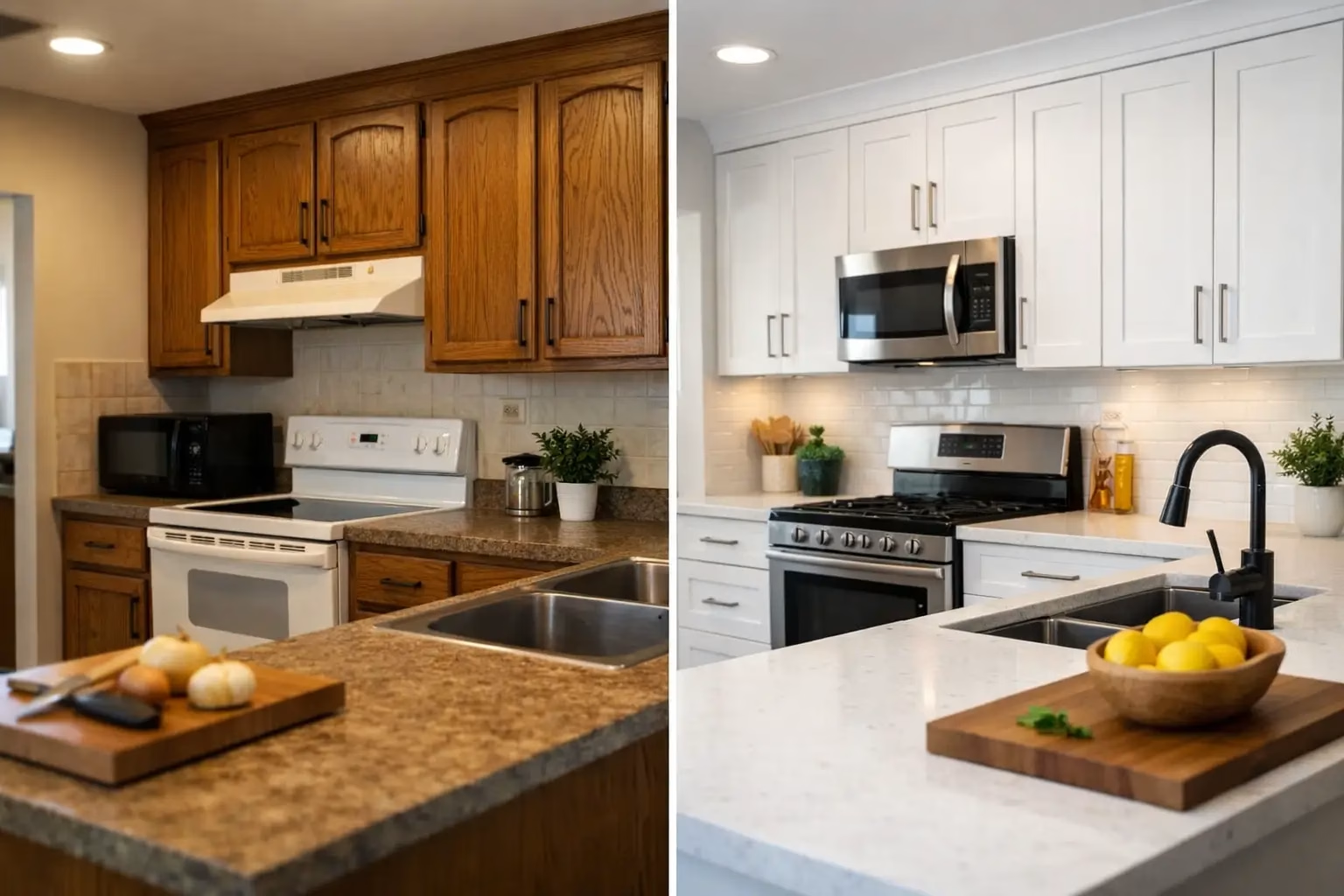
Picture a typical early-2000s kitchen. The cabinet boxes are structurally sound, but the doors are arched oak with an orange-toned finish, the drawer fronts are scuffed, the hinges are visible, and the decorative trim feels bulky. The homeowner likes the footprint of the kitchen, does not want to move plumbing or appliances, and wants a cleaner, brighter style without spending on all-new cabinetry.
Before refacing, the room feels smaller than it really is. The old door style pulls attention to the age of the kitchen. Even if the counters and flooring are serviceable, outdated cabinet faces can make the entire room read as worn.
After refacing, the same kitchen can look almost entirely new. The cabinet boxes stay in place, but the doors and drawer fronts are replaced with custom-made shaker fronts in a painted white or warm neutral finish. Exposed cabinet ends are covered with matching veneer or panels. New concealed hinges tighten up the lines. Updated crown molding, light rail, or valances give the kitchen a more finished look. Add modern hardware, and suddenly the room feels brighter, more current, and far more intentional.
That is the power of refacing. The bones of the kitchen stay put, but the visual story changes completely.
What changes most in a before and after refacing project
The biggest shift is usually not one single item. It is the combination of cleaner lines, better color choices, and precise fit. Old cabinet doors often have uneven gaps, chipped corners, or styles that date the entire room. When those are replaced with well-made custom doors sized specifically for the existing openings, the kitchen starts to look custom again.
Color does a lot of heavy lifting. A medium or dark wood kitchen can become lighter and more open with painted fronts or a contemporary PVC finish. On the other hand, some homeowners want the opposite effect. A plain builder-grade kitchen may gain warmth and depth with a richer wood tone and more architectural door profile. The right choice depends on the room, the amount of natural light, and whether you want the kitchen to feel airy, classic, or bold.
Trim details also matter more than many DIYers expect. Decorative panels, crown moldings, valances, and matching end treatments help the refacing job look complete rather than pieced together. This is often the difference between a kitchen that looks refreshed and one that looks professionally transformed.
Why the layout staying the same is not a drawback
Some homeowners worry that if the cabinet boxes remain, the result will still feel like a compromise. In practice, that depends on the kitchen. If your current layout functions well, keeping it is often a smart decision. You avoid demolition, keep labor manageable, and focus your budget on the parts you see every day.
A before and after project is most impressive when the original kitchen has good structure but poor style. In that case, refacing solves the real problem. You are not paying to rebuild what is already working.
Where refacing shows its limits
Refacing is not the right answer for every kitchen. If cabinet boxes are water-damaged, badly warped, poorly installed, or no longer meet your storage needs, a full replacement may make more sense. The same is true if you want to reconfigure the room, add a large island, or move appliances significantly.
That trade-off matters. Refacing gives excellent visual value, but it does not magically fix a bad layout. It works best when the structure is sound and the goal is appearance, finish quality, and updated style.
The details behind a strong before and after result
A successful refacing project depends on more than choosing a pretty door style. Measurements have to be accurate. Overlay choices need to match the cabinet setup. Hinge boring must align with the hardware you plan to use. Drawer front sizes should be consistent and balanced across the kitchen.
This is where custom sizing makes such a difference. Stock options can force awkward compromises, especially in older homes where cabinet openings are not perfectly standard. Custom cabinet doors and drawer fronts give you a much cleaner finished look because they are built to the actual dimensions of your existing cabinetry.
For DIY homeowners, that precision is reassuring. It means you are not trying to force a big-box solution onto cabinets that were never designed for it.
Design choices that change the after photo
When homeowners compare before and after images, they often focus first on color. That makes sense, but style and proportion matter just as much.
A shaker door is a popular choice because it works in many homes. It can read modern, transitional, or classic depending on the finish and hardware. Slimmer rails can create a cleaner, more updated look. More detailed profiles can lean traditional. If your kitchen is small, a simpler door style usually helps the space feel less busy.
Finish selection also depends on how the kitchen is used. Painted finishes brighten a space and photograph beautifully, but they can show wear more readily in high-traffic homes. Textured or woodgrain-look surfaces can be forgiving and practical while still looking upscale. If you cook often, have kids, or simply want low maintenance, that should factor into the decision.
Hardware is the finishing touch, not an afterthought. New pulls or knobs can push the kitchen in a distinctly modern, farmhouse, or classic direction. You do not need oversized statement hardware unless that suits the room. Often, simple and proportional looks best.
Cost value in a before and after kitchen refacing example
One reason homeowners search for a kitchen refacing before and after example is simple: they want to know if the visual difference is big enough to justify the spend. In many cases, it is.
Refacing generally costs less than replacing all the cabinetry because you are keeping the existing boxes and avoiding a larger construction project. The exact savings depend on kitchen size, material choices, and how much of the finishing work you handle yourself. But the value is not only in dollars. You also save time, reduce disruption, and avoid sending usable cabinet boxes to the landfill.
That said, the cheapest path is not always the best one. Poorly made doors, limited sizes, or inconsistent finishes can weaken the result. If the goal is a true before-and-after transformation, quality matters. Crisp profiles, durable finishes, and exact dimensions are what make the kitchen look upgraded instead of simply patched.
How DIY homeowners can get a better after result
The strongest refacing projects usually begin with honest planning. Check every cabinet box for square, level, and damage. Decide whether your hinges, drawer glides, and end panels also need updating. Think about the room as a whole, not just the doors.
It also helps to order with confidence instead of guessing. Samples can clarify finish and color. Clear measuring steps reduce expensive mistakes. A made-to-order approach gives you more control over the final look, especially if your kitchen includes non-standard sizes or decorative elements that stock products cannot match.
For homeowners doing the project themselves, support matters. Educational resources, accurate manufacturing, and a straightforward ordering process make the job more manageable. That is one reason many DIY renovators turn to custom suppliers like TDM – The Door Maker when they want a polished result without paying for full cabinet replacement.
What to expect emotionally from the transformation
There is a practical side to refacing, but the emotional payoff is real too. A tired kitchen can make the whole house feel overdue for work. Once the doors, drawer fronts, and finishing details are updated, the room often feels cleaner, brighter, and easier to enjoy day to day.
That is why before-and-after examples resonate so strongly. They show that transformation does not always require demolition. Sometimes the smartest renovation is the one that keeps what is still good and upgrades what is holding the room back.
If your kitchen layout works and your cabinet boxes are still solid, refacing can be the kind of project that changes how your home feels every single morning.