A cabinet door that won’t sit flat is hard to ignore. It catches the light differently, leaves uneven gaps, and can make an otherwise solid kitchen look tired. If you need to replace warped cabinet doors, the good news is you usually do not need to tear out your cabinet boxes to fix the problem.
In many kitchens, the boxes are still structurally sound even when the doors are not. That is what makes door replacement such a smart upgrade. You can correct the fit, update the style, and improve the overall finish of the room without taking on the cost and disruption of a full remodel.
When it makes sense to replace warped cabinet doors
Warping is more than a cosmetic issue. A twisted or bowed door can rub against adjacent doors, fail to close cleanly, and put extra stress on hinges over time. In humid rooms like kitchens, bathrooms, and laundry areas, those small alignment problems tend to get worse, not better.
Sometimes homeowners try to solve the issue by tightening hinges or adjusting hardware. That is worth checking first, because a sagging door is not always a warped one. But if the door itself has changed shape, hinge adjustments only go so far. You may be able to reduce the problem for a while, but you will not truly correct a door that no longer sits flat.
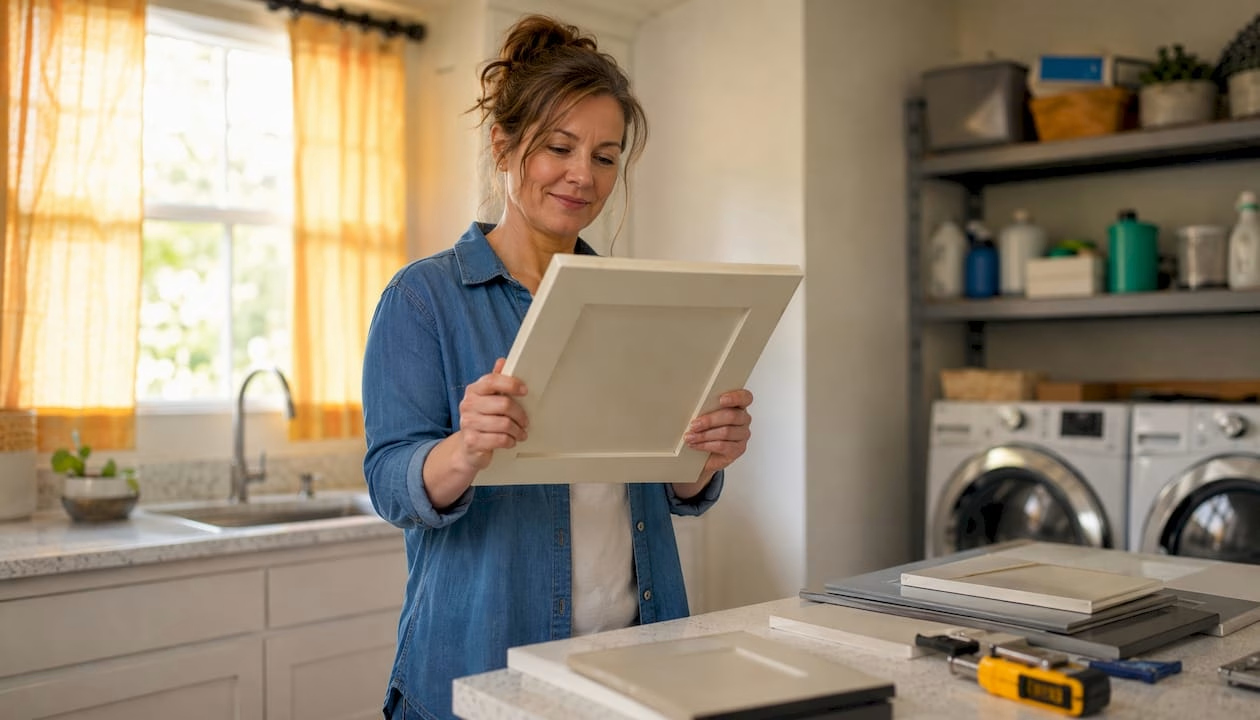
Replacing only the doors is often the right move when the cabinet frames are in good condition, the layout still works, and you want a more cost-effective update. It is especially useful in older homes where cabinet openings are not perfectly standard. A custom-fit replacement gives you a cleaner result than trying to force a stock-size solution onto cabinets that were never built to match big-box dimensions.
How to tell if a cabinet door is actually warped
Before you order anything, confirm the problem. Open the door and inspect the hinges, screws, and mounting plates. If hardware is loose, stripped, or misaligned, the door may appear crooked even if the panel is still straight.
If the hardware looks fine, remove the door and place it on a known flat surface. A warped door will usually rock, lift at one corner, or show a visible twist. You may also notice that the center bows outward or inward. That shape change is the sign that replacement is the better long-term fix.
Material matters here. Lower-quality doors, thin construction, or prolonged exposure to moisture can all contribute to warping. That does not mean every painted or wood-based door will fail, but it does mean quality construction and proper sizing matter more than many homeowners realize.
Replace warped cabinet doors or replace the whole cabinet?
This is where a lot of remodel budgets get pushed further than they need to go. If your cabinet boxes are sturdy, level, and attached well, replacing the full cabinet system is often unnecessary. Door replacement can give you the visual impact people associate with a remodel while keeping the project far more manageable.
The trade-off is that refacing or replacing doors will not solve structural issues in the cabinet boxes themselves. If the boxes are swollen, crumbling, or badly out of square, new doors alone will not hide that for long. But when the framework is sound, replacing doors is usually the more efficient path.
For many homeowners, this approach also keeps the project under control. You avoid demolition, reduce downtime in the kitchen, and focus your budget on the parts of the cabinetry people actually see and use every day.
Measuring correctly before you replace warped cabinet doors
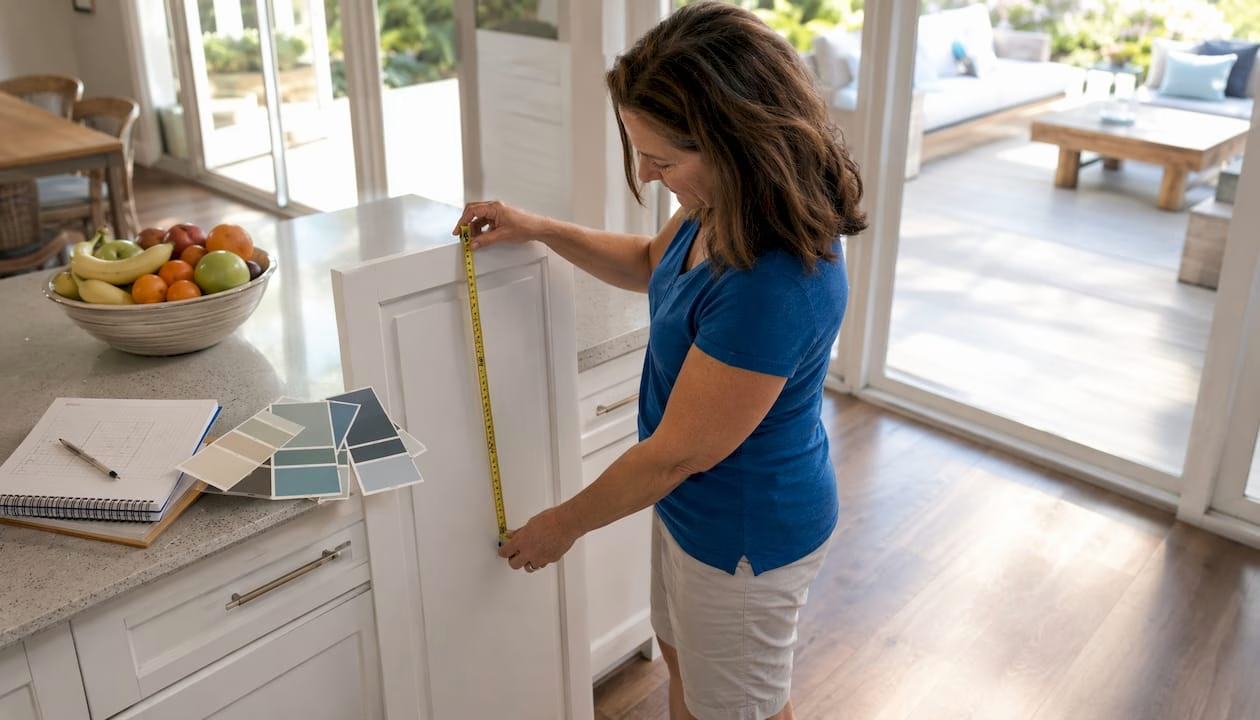
Precision is what separates a clean finished look from a project that feels almost right. When you replace warped cabinet doors, do not measure the old door and assume those numbers are still reliable. If the door has twisted or bowed, it may not reflect the true opening accurately.
Instead, measure the cabinet opening itself. For overlay doors, you will need to determine how much overlay you want on each side. For inset applications, measurements need to be even more exact because the door sits within the frame and reveals are tighter.
Take width and height measurements carefully, and measure twice. It also helps to note hinge type, hinge boring requirements, and whether your doors are left or right hinged, even if the new doors can be drilled to your specifications. Details like this save time later and help you avoid workarounds during installation.
If your cabinets are older or custom built, expect some variation from one opening to the next. That is normal. It is also one of the biggest reasons custom cabinet doors make sense. A made-to-order fit gives you a better result than trying to modify stock pieces to accommodate openings that vary by fractions of an inch.
Choosing the right replacement door style and material
Once you know replacement is the right move, think beyond simply matching what is there now. Warped doors give you a chance to improve both performance and appearance.
If you want a cleaner, more current kitchen, shaker styles remain a strong choice because they fit a wide range of homes and design directions. Raised panel doors can suit more traditional spaces, while slab fronts create a simpler, modern look. The right style depends on the room, the home, and how much change you want to see.
Material and finish matter just as much as style. If moisture contributed to the original problem, choose a well-built replacement with stable construction and a finish suited to the environment. In many cases, homeowners also use the opportunity to coordinate drawer fronts, end panels, or decorative details so the finished project feels cohesive instead of pieced together.
This is where customization has real value. A custom replacement door is not just about unusual sizing. It is about getting the profile, panel style, color, and drilling options that make the project look intentional from every angle.
What installation usually involves
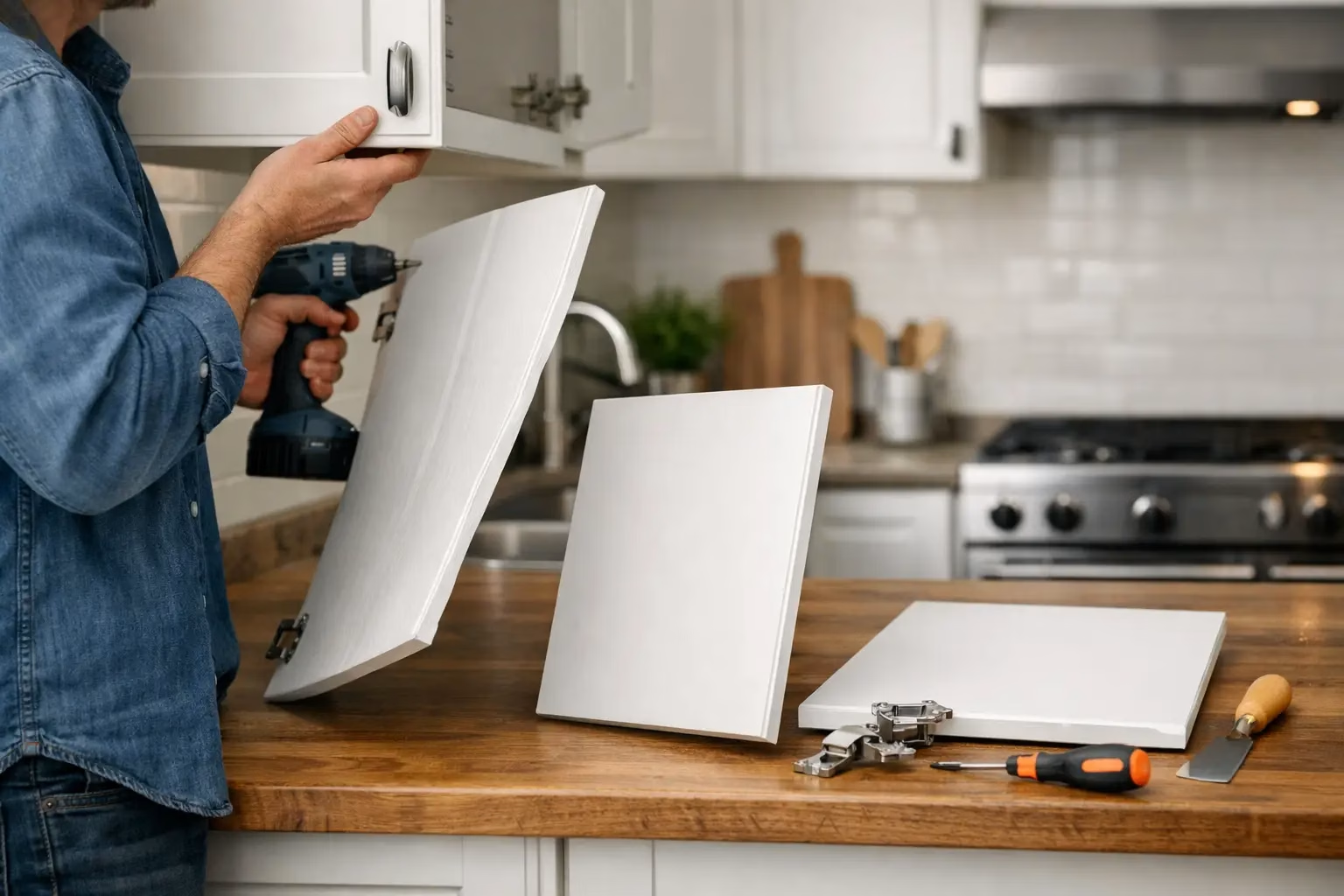
Replacing cabinet doors is a manageable DIY project for many homeowners, especially if the cabinet boxes stay in place. The process usually starts with labeling each opening, removing the old doors, and confirming your measurements one more time before installation begins.
If your new doors arrive hinge-bored to your specifications, installation tends to move quickly. Attach the hinges, mount each door, and make final adjustments for alignment and reveal. Most modern concealed hinges allow for small left-right, up-down, and in-out adjustments, which helps you fine-tune the fit.
Take your time here. Even a precisely made door can look off if adjacent doors are not adjusted consistently. Work section by section and step back often to check the overall lines across the run of cabinets.
If you are also replacing drawer fronts or adding matching accessories, install those after the main door alignment is complete. It is easier to maintain a consistent look when the primary doors are already set where they belong.
Common mistakes to avoid
The biggest mistake is treating door replacement like a shortcut that does not require careful planning. Good results still depend on accurate measuring, proper hinge selection, and realistic assessment of the cabinet boxes.
Another mistake is assuming every crooked door is warped. Sometimes the issue is worn hardware, stripped screws, or a face frame that has shifted slightly over time. Replacing a door will not solve those problems unless you address them during installation.
It is also easy to focus only on one damaged door when the rest of the kitchen is showing its age. If several doors have finish wear, visible warping, or mismatched profiles from past repairs, replacing the full set often gives you better value than fixing one piece at a time.
Why custom replacement often looks better than stock
Stock cabinet doors can work in very limited situations, but they are rarely the best answer for older homes or non-standard cabinetry. Small sizing differences create uneven gaps, inconsistent overlays, and the kind of finish that always looks a little improvised.
Custom replacement doors are built for your actual openings and your design choices. That means better fit, more style options, and fewer compromises during installation. For homeowners who want the kitchen to look updated rather than patched, that difference is easy to see.
At TDM – The Door Maker, this is the value of a made-to-order approach. You keep the parts of the cabinetry that still work, replace what no longer performs, and end up with a finished look that feels intentional, polished, and worth the effort.
A warped cabinet door can make the whole room feel off balance, but fixing it does not have to turn into a full renovation. When the boxes are solid and the measurements are right, replacing the doors is one of the most practical ways to bring a kitchen back into line and make it feel custom again.