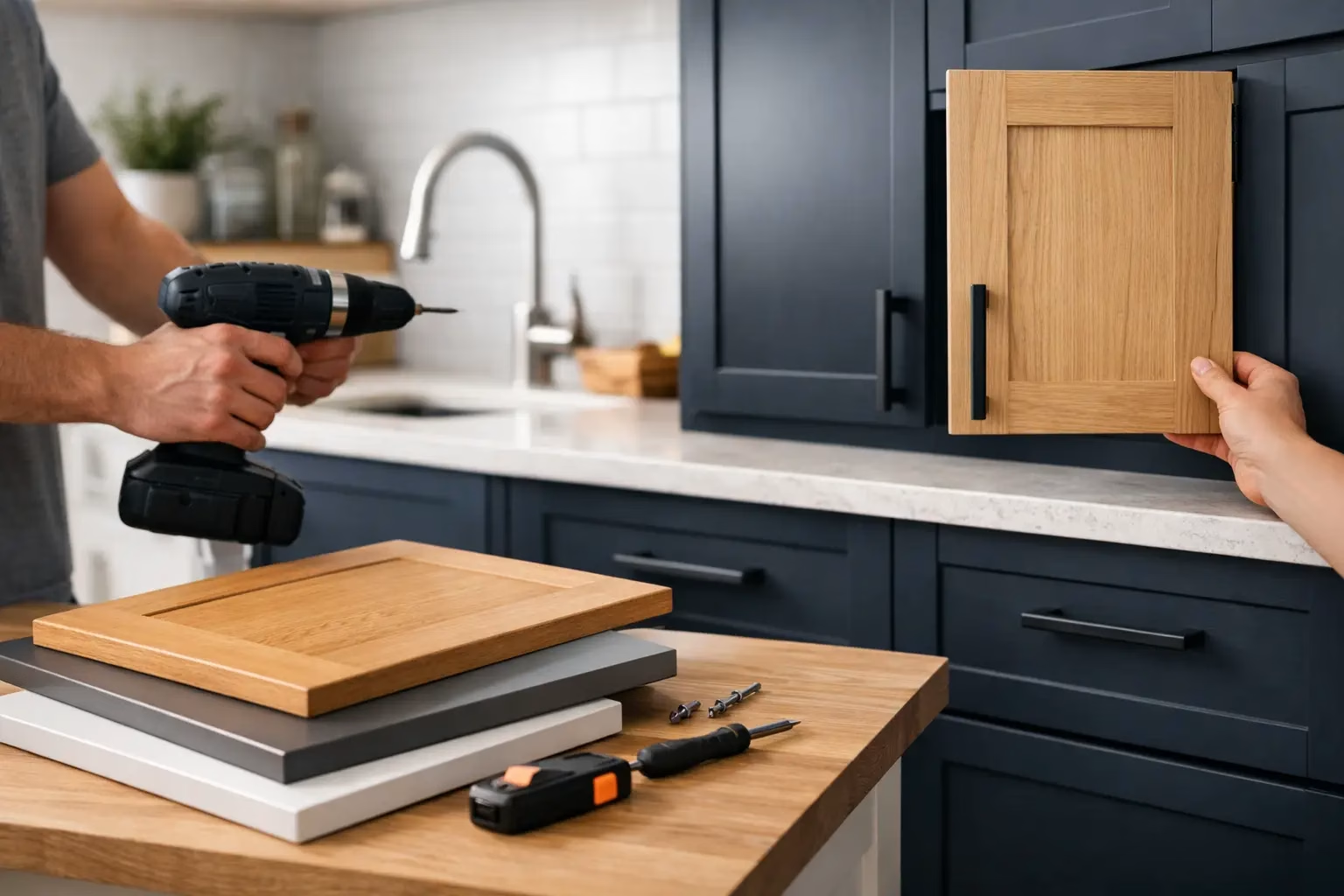
If your kitchen feels dated every time you walk into it, the problem often is not the cabinet boxes. It is the faces you see every day. Knowing how to upgrade kitchen cabinet fronts can give you a cleaner, more custom look without the cost, mess, and downtime of a full cabinet replacement.
For many homeowners, that is the sweet spot. You keep the existing layout that already works, avoid tearing out usable cabinetry, and put your budget where the visual impact actually happens. New doors and drawer fronts can make an older kitchen look sharper, brighter, and far more intentional, especially when the original cabinets are structurally sound.
Why upgrading cabinet fronts works so well
Cabinet refacing is one of the most efficient cosmetic upgrades in a kitchen because the front of the cabinet does most of the visual heavy lifting. Style, color, edge profile, panel design, and hardware all live on the surface. When those pieces change, the entire room reads differently.
This approach also makes sense when you have older cabinets in non-standard sizes. Stock replacements from a big-box store may not fit correctly, and forcing standard sizes into an older kitchen can create gaps, alignment problems, or a pieced-together look. Custom cabinet fronts solve that issue by matching the cabinet openings you already have.
That said, refacing is not the right move for every project. If your cabinet boxes are warped, water-damaged, poorly installed, or the layout no longer functions for your household, replacing fronts alone may not go far enough. The best results happen when the cabinet structure is solid and you want a major style update without a full demolition.
How to upgrade kitchen cabinet fronts the right way
The process is straightforward, but precision matters. A good-looking result starts before you choose a style or color.
Step 1: Check whether your cabinet boxes are worth keeping
Open every door and drawer. Look for sagging shelves, broken drawer slides, soft spots from water damage, loose face frames, and cabinets that are out of square. Minor wear is normal and usually manageable. Structural damage is a different story.
If the boxes are sturdy and securely attached, replacing the fronts is usually a smart investment. If the boxes are failing, new fronts will not fix the underlying problem.
Step 2: Decide what level of change you want
Some homeowners want a simple refresh with the same door style in a new color. Others want a full design shift, such as moving from arched raised panel doors to a cleaner Shaker profile. There is no single correct choice. It depends on your kitchen, your budget, and how long you plan to stay in the home.
A more dramatic change can make the kitchen feel fully renovated, but even a subtle upgrade can look high-end if the fit is precise and the finish is consistent. Matching drawer fronts, end panels, and trim details can make the difference between a basic facelift and a finished custom look.
Step 3: Measure carefully
This is the part that deserves your full attention. Accurate measurements are what separate a smooth DIY project from a frustrating one.
For each door and drawer front, measure width and height exactly as needed for the replacement style you are ordering. Do not assume every opening is identical, even if two cabinets appear to match. Older homes and hand-built cabinetry often vary more than expected.
Measure twice, write everything down clearly, and label each opening. A quick sketch of the kitchen with cabinet numbers can save a lot of confusion later. If you are ordering custom fronts, precision gives you the fit and alignment that stock products often cannot.
Step 4: Choose a door style that fits the room
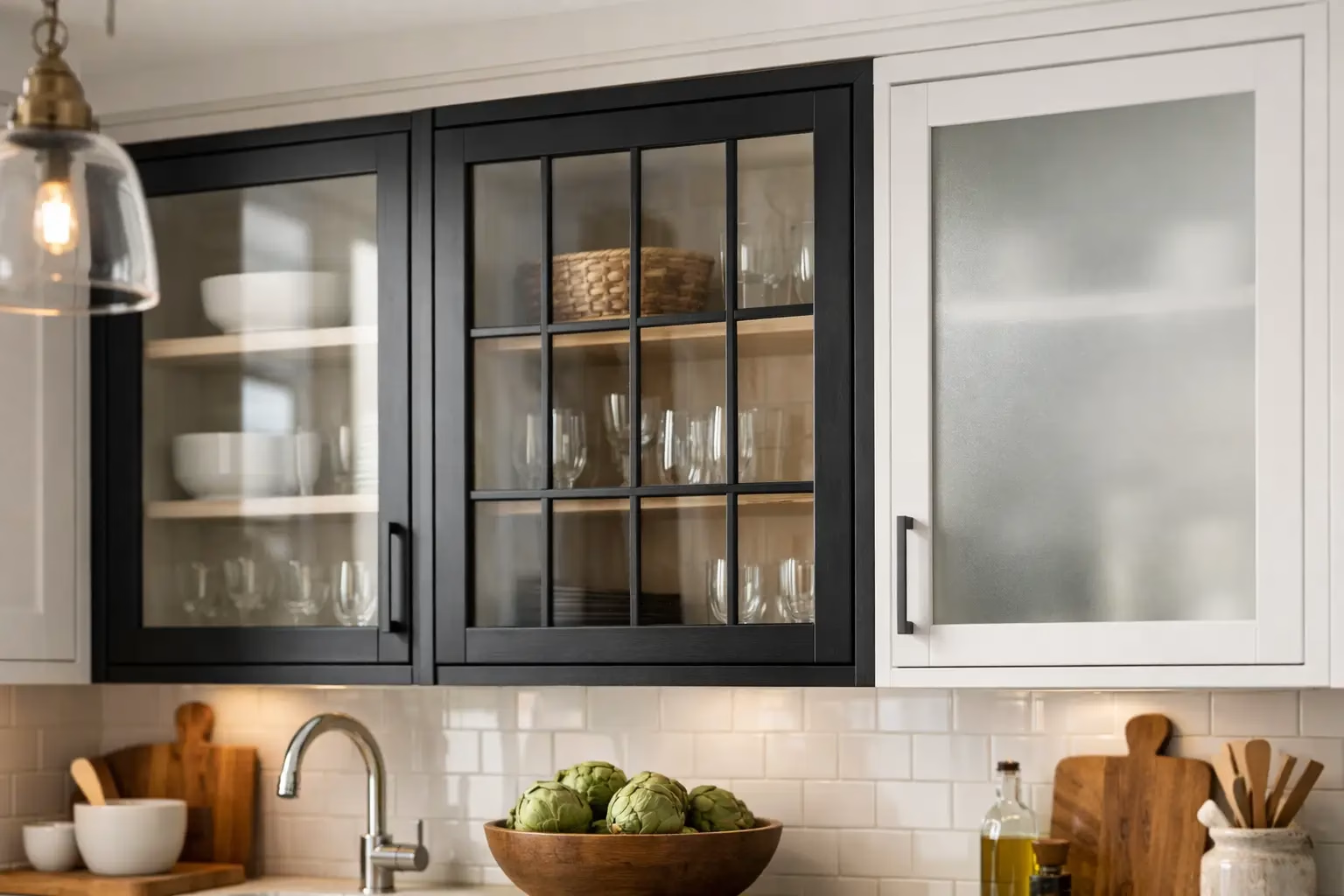
Door style has a bigger effect than most people expect. A flat slab door creates a modern, minimal look. Shaker doors are versatile and work in traditional, transitional, and modern farmhouse kitchens. Raised panel doors feel more classic and decorative.
This is also where you should think about the age of your home and the surrounding finishes. If the countertops, backsplash, and flooring are staying, your new cabinet fronts should work with them rather than fight them. A very ornate door in a simple kitchen can feel out of place. On the other hand, a sleek slab front may look too stark in a warm, traditional space.
Material and finish choices matter
When people think about how to upgrade kitchen cabinet fronts, they often focus first on style. Material and finish deserve just as much attention because they affect durability, maintenance, and overall value.
Solid wood and quality wood-based cabinet fronts offer a classic, furniture-grade look and can suit a wide range of designs. Thermofoil or PVC options can be a good fit when you want a smooth, consistent finish and easy maintenance. Painted finishes create a clean, updated feel, while stained wood highlights natural grain and can add warmth.
There are trade-offs. Painted doors can show chips more readily in high-traffic homes. Dark finishes can reveal dust and fingerprints. Some highly detailed door styles collect grease and require more cleaning. Lighter, simpler designs tend to feel fresher and are often easier to live with day to day.
If you are unsure, samples can help you compare colors and textures in your own kitchen lighting. That step is worth it, especially if your kitchen gets a lot of natural light or shifts dramatically from morning to evening.
Don’t overlook hinges, hardware, and finishing details
New cabinet fronts installed with old, worn hardware can limit the final result. If your hinges are visible, tarnished, or inconsistent, replacing them can instantly sharpen the look. The same goes for handles and knobs.
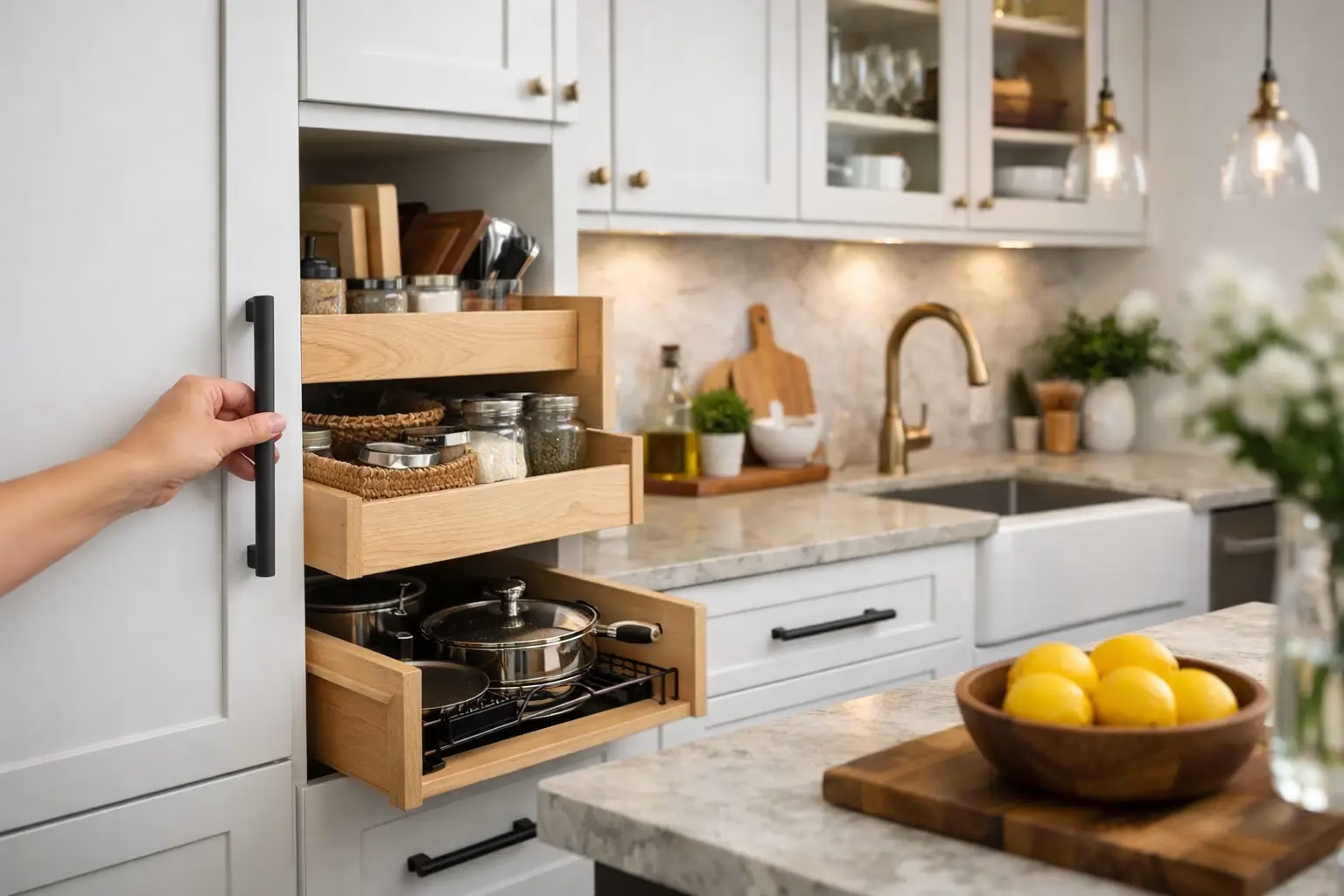
Hardware is one of the easiest ways to push the style in a specific direction. Brushed finishes tend to feel current and forgiving. Matte black can add contrast. Traditional pulls can support a classic design. Just make sure the hardware choice fits the door style instead of competing with it.
Finishing details matter too. If your cabinet sides are exposed, you may want matching end panels. If there is a gap between the cabinets and ceiling, adding crown molding can make the kitchen feel more built-in. Decorative components are not mandatory, but in the right kitchen they can elevate the entire project.
Paint the boxes or reface them to match
A common mistake is installing beautiful new doors on cabinet boxes that still look tired. If the visible cabinet frames and sides are scratched, yellowed, or mismatched, address them as part of the project.
In some kitchens, painting the cabinet boxes to coordinate with the new fronts is enough. In others, especially with laminate or damaged surfaces, applying a matching veneer or refacing material creates a more complete transformation. The right choice depends on your cabinet construction, your skill level, and how polished you want the final look to be.
Consistency is what makes the kitchen feel intentional. Even excellent doors can look off if the surrounding surfaces do not support them.
Installation is manageable if you stay organized
Most DIY homeowners can handle cabinet front replacement successfully, but organization matters more than speed. Label every old door before removal. Keep screws and hinges sorted. Install one section at a time rather than scattering parts across the kitchen.
Drawer fronts usually go quickly. Doors take a little more adjustment to get reveals even and alignment clean. Soft-close hinges can improve the feel of the kitchen right away, but they still need careful setup.
Do not rush the final tweaks. Small adjustments in hinge position can make a major difference in how professional the kitchen looks. This is one of those jobs where patience shows.
Where custom fronts make the biggest difference
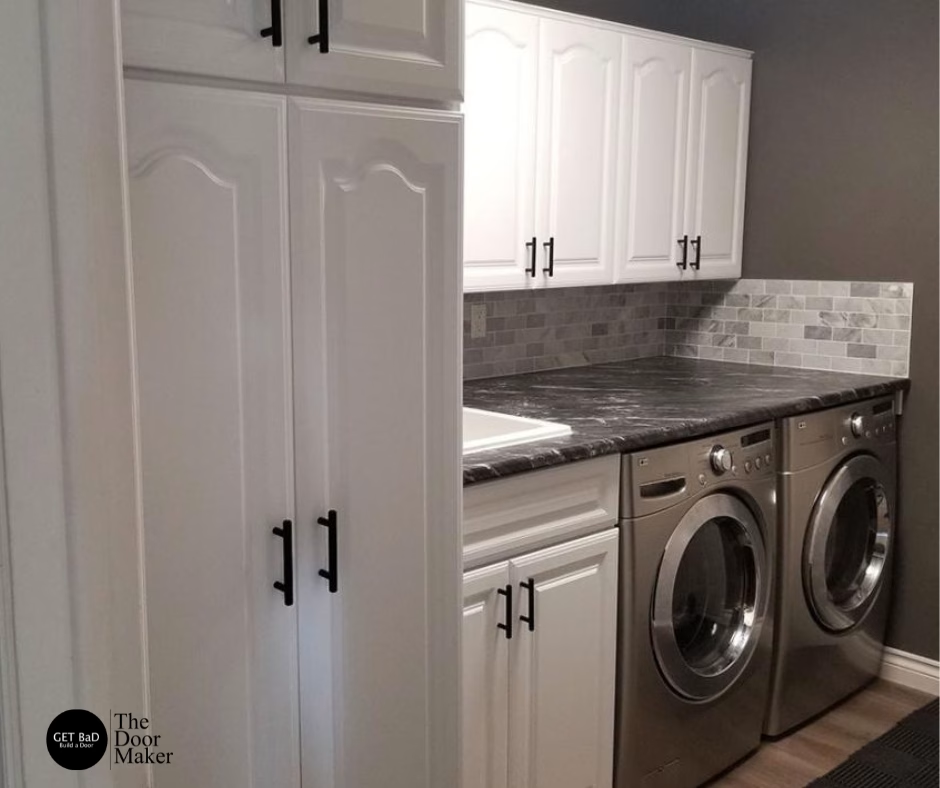
Custom sizing is especially valuable in older homes, semi-custom kitchens, built-ins, laundry rooms, and office cabinetry where stock options rarely fit quite right. It is also the better choice when you want a specific panel style, color, or overlay that supports the rest of the room.
That is where a made-to-order approach can save time and compromise. Instead of adapting your project to what is sitting on a shelf, you order fronts built for your exact openings and design goals. For homeowners who want the refacing route to look intentional rather than improvised, that precision matters.
At The Door Maker, that custom approach is designed to give DIY renovators more control without making the process harder. You measure, choose your style and options, and order fronts built for your project instead of settling for the closest match.
What kind of budget should you expect?
Upgrading cabinet fronts usually costs far less than replacing full cabinetry, but prices vary based on size, material, finish, and how many components you are replacing. A basic refresh with standard-looking profiles will naturally cost less than a whole-kitchen makeover with custom paint, matching end panels, new molding, and upgraded hardware.
The key is to compare the spend against the visual return. In many kitchens, replacing the doors and drawer fronts delivers most of the transformation at a fraction of full replacement cost. If the layout works and the boxes are solid, that value is hard to ignore.
A kitchen does not need to be gutted to feel new. When the bones are good, upgrading the fronts is often the smartest move – cleaner, faster, and far more custom-looking than most homeowners expect.