
The wrong cabinet color can make a clean refacing job feel off the minute it goes on the wall. The right one does the opposite – it makes the whole room look more current, more intentional, and more expensive than the project budget suggests. That is why choosing pvc cabinet door colors is not just a style decision. It is a practical one that affects how bright the room feels, how often you notice fingerprints, and how well your updated cabinets hold up visually over time.
If you are refacing instead of replacing cabinet boxes, color matters even more. You are not starting from scratch. You are working with existing flooring, counters, backsplash tile, wall paint, and lighting. A good color choice helps all those fixed elements work together. A bad one can make every old finish around it stand out for the wrong reason.
How to Choose PVC Cabinet Door Colors
Most homeowners start by asking which color is most popular. That is understandable, but it is rarely the best first question. The better question is what your room needs.
A small kitchen with limited natural light usually benefits from lighter pvc cabinet door colors because they help bounce light around the room and reduce visual heaviness. A larger kitchen with strong daylight can handle deeper tones without feeling closed in. Bathrooms and laundry rooms often need a similar approach, especially when square footage is tight and overhead lighting does most of the work.
The next thing to consider is how permanent your surrounding finishes are. If your countertops, flooring, or backsplash are staying put, your cabinet color needs to respect them. Warm-toned floors often pair better with creamy whites, taupes, and warmer grays. Cooler countertops and modern tile tend to work better with crisp whites, charcoal tones, and cleaner neutral shades.
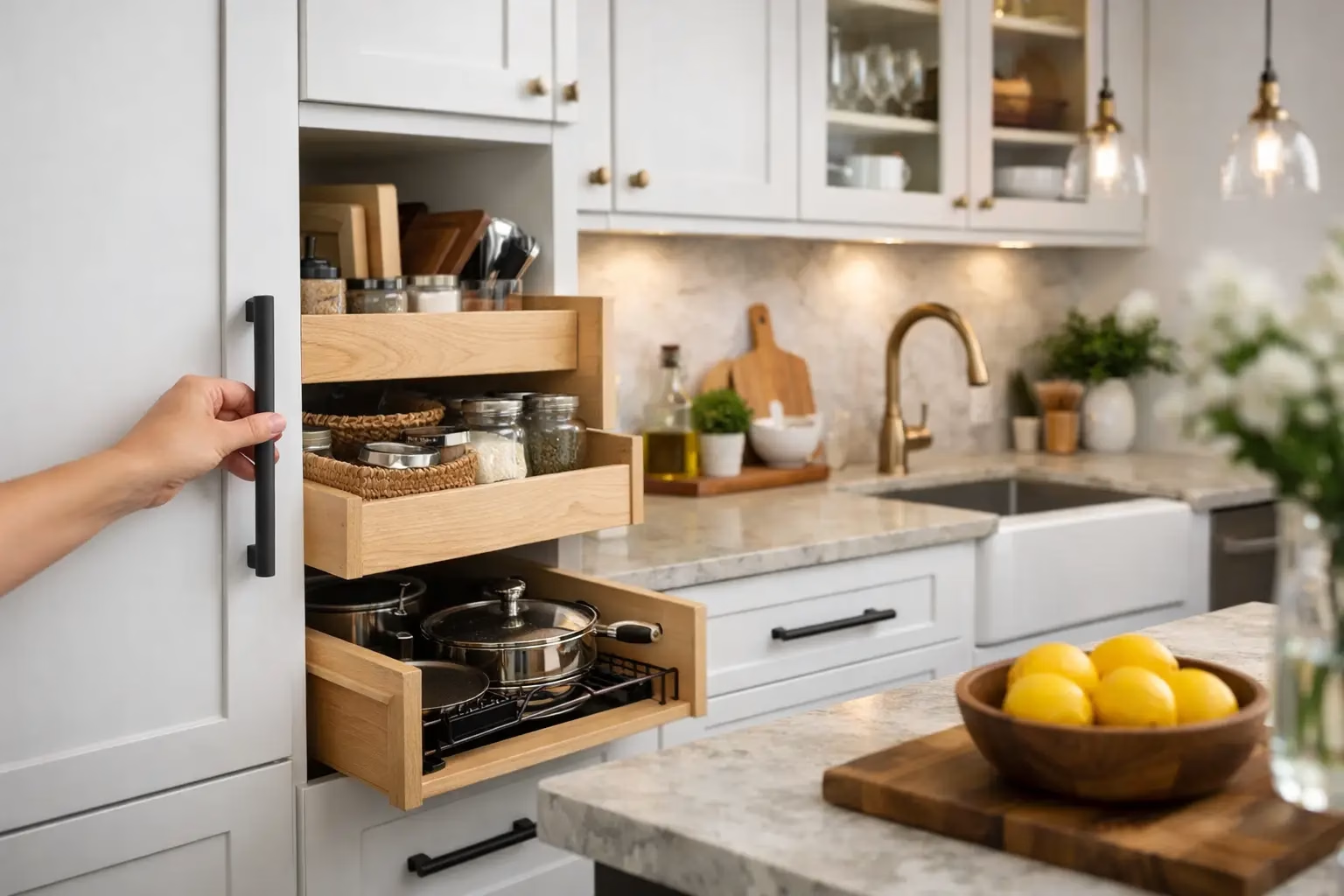
Then there is daily life. If your kitchen is busy, if kids are opening doors with snack-covered hands, or if the cabinets around the trash pullout get constant use, maintenance should influence your decision. Some colors hide smudges and dust better than others. Style matters, but so does living with the finished result.
The Most Reliable Color Families
There is no single best color for every project, but a few categories consistently work well because they solve common design problems.
White and Off-White
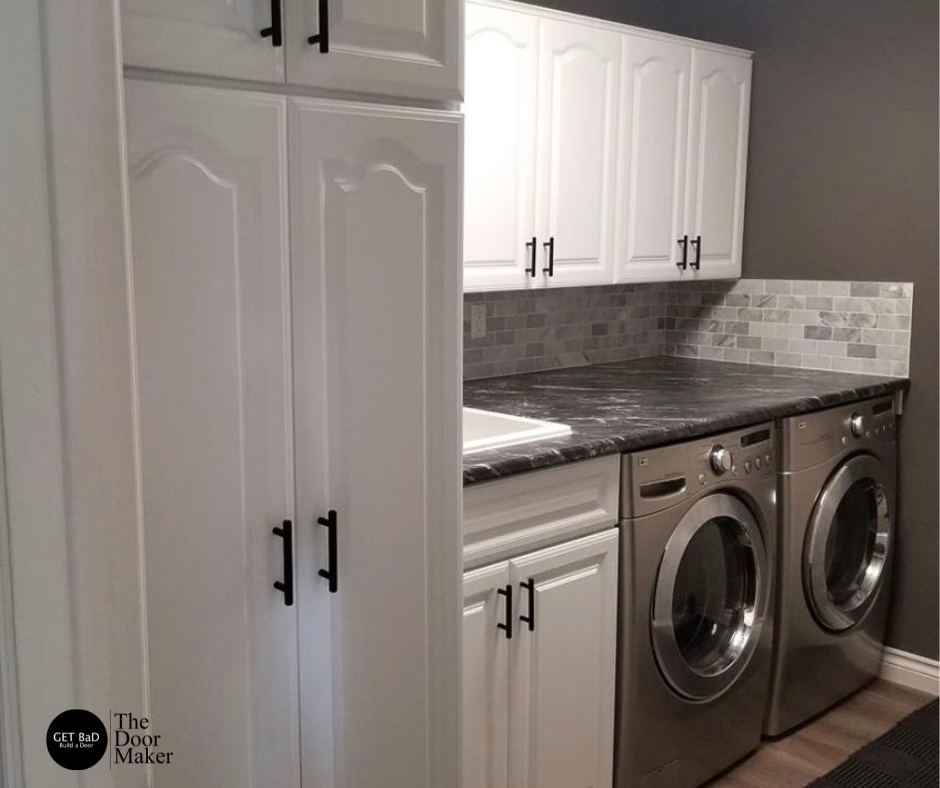
White remains one of the safest and strongest choices for cabinet refacing. It brightens older kitchens, helps compact rooms feel larger, and works with a wide range of countertop materials. If you are updating oak-era spaces or trying to make a dated kitchen feel cleaner and more current, white often gets you there fastest.
That said, not every white behaves the same way. A bright, cool white can look sharp and modern, but it may feel stark next to beige flooring or warmer granite. An off-white or soft cream usually feels more forgiving in homes with traditional finishes. If your fixed materials lean warm, a warmer white often produces a better result than a pure one.
Gray and Greige
Gray had a long moment in remodeling, and it is still useful when chosen carefully. In the right setting, it gives cabinets a tailored, updated look without going too dark. The catch is undertone. Some grays read blue, some green, some brown. That undertone needs to make sense with the rest of the room.
Greige often solves this problem. It sits between gray and beige, which makes it more flexible in homes that mix warm and cool finishes. If you are trying to bridge older flooring with newer counters, greige can be a smart middle ground.
Taupe and Warm Neutrals
Warm neutrals have become more appealing as homeowners move away from colder, overly stark interiors. Taupe, mushroom, and other soft earthy shades can make cabinetry feel custom without demanding attention. They work especially well in homes where natural wood accents, brushed brass, or warmer paint colors are part of the plan.
These shades are also practical. They tend to hide light dust, mild wear, and day-to-day smudging better than very bright whites or very dark finishes. If you want a color that feels current but less trend-sensitive, this family deserves a serious look.
Dark Colors
Charcoal, espresso-toned neutrals, and other dark cabinet colors can look striking, especially in larger kitchens, home offices, and built-ins. They add contrast and can create a furniture-like appearance that feels more custom.
But darker colors ask more from the room. They usually work best when there is enough natural or layered light to keep the space from feeling heavy. They can also show dust, fingerprints, and edge wear more quickly, especially in high-touch areas. If you love the look but want less upkeep, consider using dark tones on lower cabinets or in a larger room where the visual weight feels balanced.
Matching Color to Cabinet Style
Color never works alone. Door style changes how that color reads.
A simple shaker door in white or gray feels clean and versatile. It can lean modern, transitional, or classic depending on hardware and surrounding finishes. A raised panel door in the same color will usually feel more traditional. Slab or flat-panel doors often make bold or darker colors look more contemporary.
This matters because some homeowners choose a color they love in a photo, then feel disappointed when it looks different in their own project. Often the issue is not the color itself. It is the combination of color, door profile, room lighting, and hardware. A practical way to avoid that mismatch is to look at the whole package, not just the color chip.
What Lighting Changes
Lighting can shift cabinet color more than people expect. A warm bulb can make a neutral white look creamy. Cool daylight can make the same finish look sharper and cleaner. North-facing rooms often pull colors cooler, while strong afternoon sun can warm them up considerably.
That is why samples matter. Looking at a color online is a start, but it is not the same as seeing it in your actual room at 8 a.m., noon, and evening. If you are investing in custom doors, taking time to view color in your own space is one of the smartest steps you can take. It reduces guesswork and helps you feel confident before ordering.
When Two-Tone Cabinets Make Sense
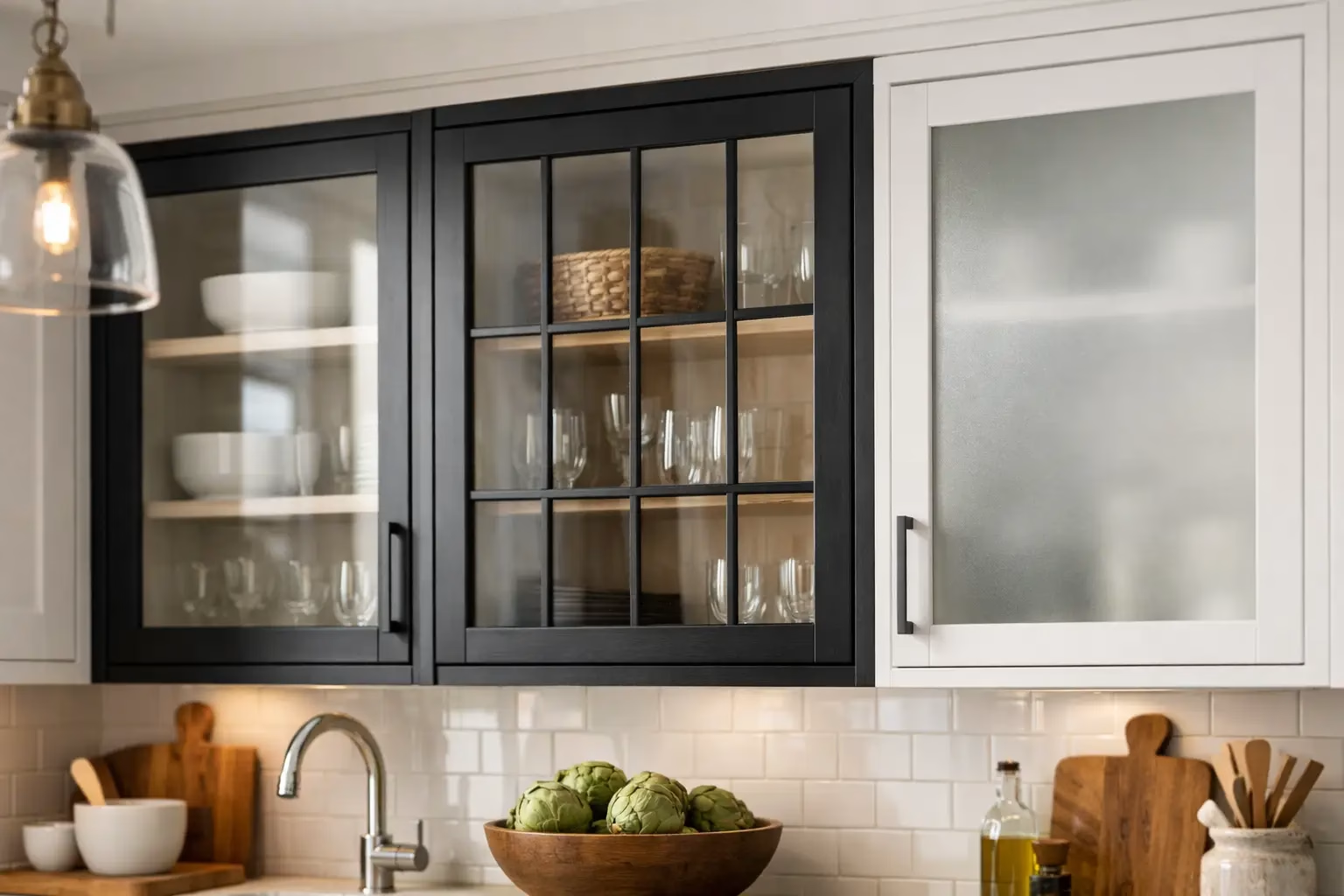
Not every project needs one cabinet color throughout. Two-tone kitchens can work very well, especially when you want contrast without making the space feel too dark.
A common approach is lighter uppers with darker lowers. This keeps the room open at eye level while giving the base cabinets more depth and durability from a visual standpoint. It can also help if your kitchen has a lot of upper cabinetry and you want to avoid a wall of color.
Two-tone designs are not always the best answer, though. In smaller spaces with lots of visual breaks already, they can feel busy. If your counters, backsplash, and flooring all have movement, one strong cabinet color may create a calmer result.
Practical Trade-Offs Homeowners Should Know
This is the part that often gets skipped, but it matters. The prettiest option is not always the easiest to live with.
Bright white shows grime around pulls and high-touch corners more quickly than mid-tone neutrals. Very dark finishes can highlight dust and fingerprints. Trend-driven shades may feel exciting now but harder to coordinate with later updates. Safer neutrals may have more staying power, but if they are too cautious, the final room can feel flat.
There is no perfect choice without compromise. The goal is to pick the compromise that fits your home and your habits. If you cook constantly, maintenance may rank higher. If you are updating for resale, broad appeal may matter more. If this is your long-term home, choosing the color that makes you happy every time you walk in might be the right call.
Getting the Look Right the First Time
Custom cabinet refacing gives you more control than stock replacements, which is a major advantage when color is part of the transformation. Precise sizing, the right door style, and a finish that works with your room can make existing cabinet boxes look entirely new. That is where planning pays off.
Before you order, step back and assess the fixed elements in the room, the amount of natural light, and how much maintenance you are willing to tolerate. Then narrow your options to the colors that genuinely support those conditions. If you are using a custom configuration tool like the one available at TDM – The Door Maker, that process becomes much easier because you can focus on fit, style, and finish together instead of treating them as separate decisions.
The best cabinet color is usually not the boldest or the trendiest. It is the one that makes your room feel finished, fits the way you live, and still looks right after the excitement of the remodel wears off. That is the kind of choice you will appreciate every single day.