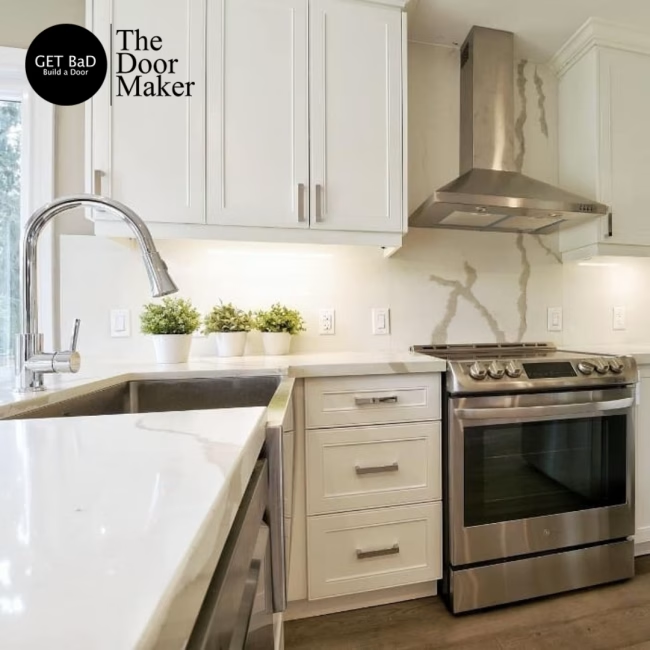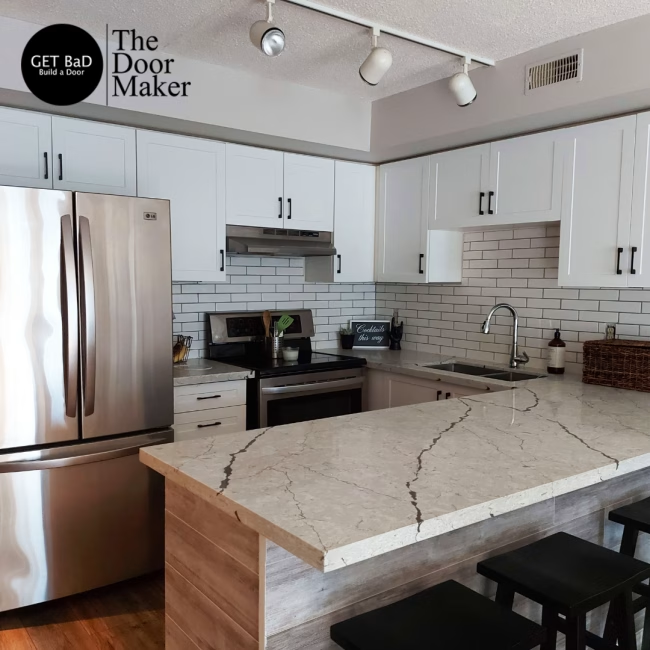
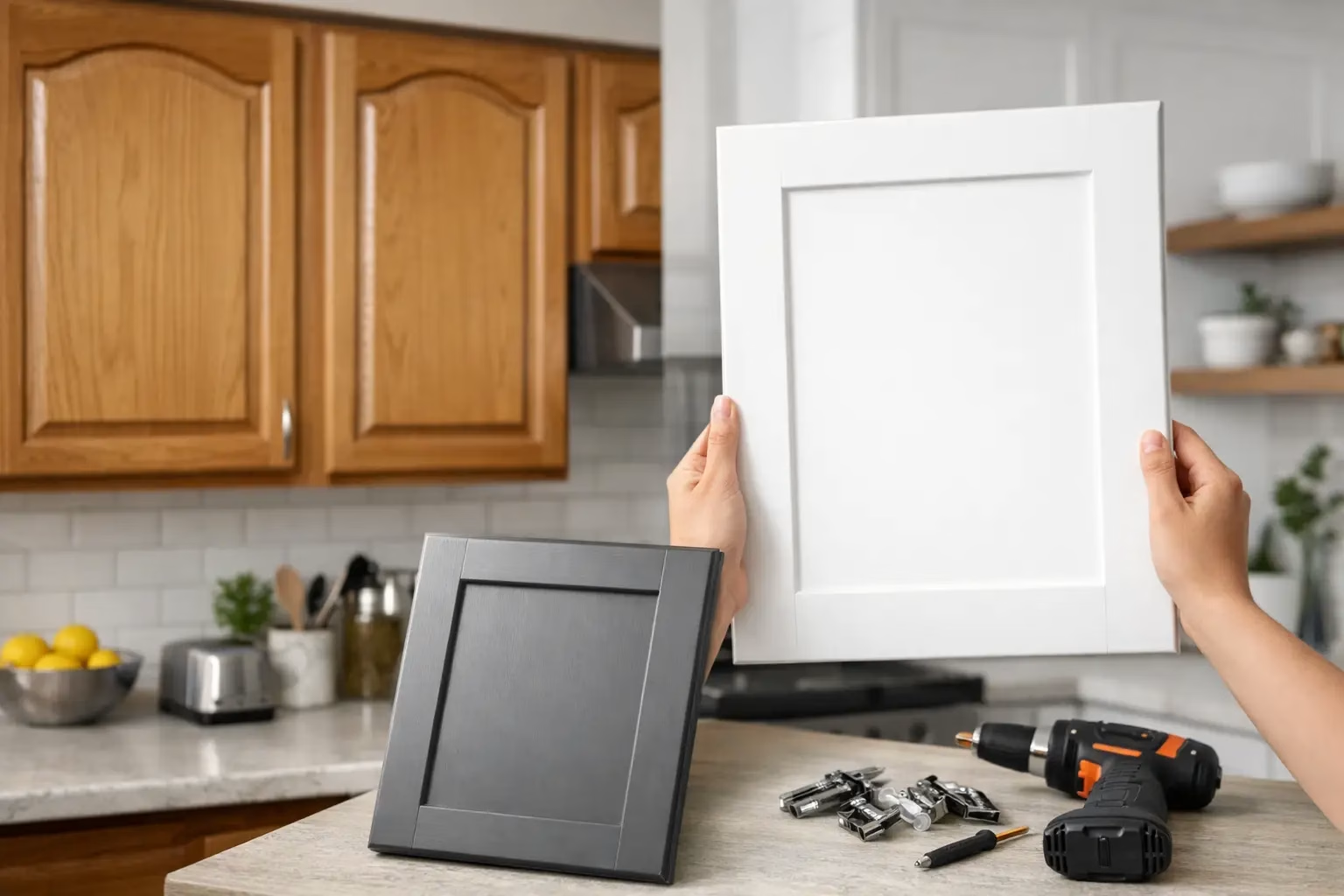
A full kitchen tear-out sounds dramatic until you look at the parts you actually dislike. In many homes, the cabinet boxes are still solid, the layout still works, and the biggest problem is right in front of you – worn, dated, or builder-grade doors. That is exactly why so many homeowners choose to replace cabinet doors only instead of paying for a full cabinet replacement.
If your cabinet frames are structurally sound, this approach can deliver one of the biggest visual upgrades in the room for a fraction of the cost and disruption. It is practical, design-friendly, and often much smarter than ripping out cabinetry that still has years of life left.
When it makes sense to replace cabinet doors only
This option works best when your cabinet boxes are in good shape. If the frames are level, firmly attached, and free from major water damage, replacing the fronts can completely change the look without changing the footprint of the room.
That matters more than many homeowners realize. Most kitchens do not feel outdated because the cabinet boxes are failing. They feel outdated because the door style, finish, or hardware no longer fits the home. Raised oak doors from the 1990s, chipped paint, or mismatched additions from previous remodels can make the whole room feel tired even when the underlying cabinetry is still doing its job.
Bathrooms, laundry rooms, offices, mudrooms, and built-ins are good candidates too. Anywhere you have a solid cabinet structure but want a cleaner, more current look, new custom doors can make the space feel intentional again.
When replacing only the doors is not the right move
There are cases where a full replacement makes more sense. If your cabinet boxes are warped, swollen from moisture, badly out of square, or poorly installed, new doors will not fix those underlying issues. The same is true if you want a totally different layout, need more storage function, or plan to move appliances and plumbing.
There is also a middle ground. Some homeowners want the savings of refacing but also need a few modifications, such as adding drawer fronts, replacing exposed end panels, or updating moldings and trim for a more complete finished look. That is often still far more affordable than replacing everything, but it requires a little more planning.
The real value of replacing cabinet doors only
The biggest advantage is not just price. It is the combination of cost control, customization, and visual impact.
A full cabinet replacement usually brings demolition, dust, countertop complications, plumbing disconnects, wall repair, and a longer timeline. Replacing doors keeps the project focused. You preserve what is working and improve what people actually see every day.
That can be especially valuable in older homes where cabinet openings are not standard sizes. Stock replacement doors often create more frustration than savings because they are built around standard dimensions. Custom-made doors solve that problem by fitting your existing cabinetry instead of forcing your cabinetry to fit the product.
Design is another reason homeowners go this route. You are not limited to whatever is sitting in a warehouse. You can choose the style, profile, panel design, and color that fit your home, whether you want a simple Shaker kitchen, a more traditional raised-panel look, or a clean slab door for a modern space.
How to know if your cabinets are good candidates
Before you order anything, inspect the cabinet boxes closely. Open every door. Check the hinges, face frames, side panels, and shelves. Look for sagging, soft spots, major cracks, or signs of repeated water exposure under sinks and around dishwashers.
Then check alignment. If doors are currently rubbing because the cabinet opening is twisted or the box has shifted, replacing the door alone may not solve the problem. On the other hand, if the issue is just old hinges, bad finish wear, or an outdated style, new doors can be an excellent fix.
You should also think about whether you like the current layout. Replacing cabinet doors only makes sense when the layout already serves your needs. If you have never had enough drawers, your corner cabinet is unusable, or the room needs a complete redesign, it may be time to consider a larger project.
Measure carefully or the whole project gets harder
This is the step that deserves the most attention. Even the best-looking cabinet door will disappoint if the measurements are off.
For overlay cabinet doors, the exact opening size and desired overlay determine the final door dimensions. Inset applications are even less forgiving because the fit has to be precise inside the opening. Drawer fronts also need to be measured with the final reveal and spacing in mind.
That sounds technical, but it is manageable when you approach it methodically. Measure each opening individually, even if cabinets appear identical. Older homes often prove otherwise. Write everything down clearly, label each opening, and double-check before ordering. A good configuration process should make this easier, not more confusing.
Style choices matter more than people expect
Once measurements are set, the style decision becomes the fun part. This is where the room starts to take shape.
Shaker remains popular because it works with almost any home style and does not date quickly. Slim shaker profiles feel more contemporary, while wider rails and stiles lean more traditional. Raised panels add formality. Slab doors create a cleaner, simpler look. Mullion doors can break up a run of solid fronts and add visual interest in kitchens, bars, or built-ins.
Color and finish also change the mood dramatically. Bright PVC finishes can make a small kitchen feel more open, while rich wood tones or darker colors create contrast and depth. Hardware should be considered at the same time, because door style and pull selection need to work together rather than compete.
Replacing cabinet doors only can still look fully custom
One common concern is whether the project will look pieced together. It can, if you stop at doors and ignore the surrounding details. But when the project is planned well, it can look remarkably polished.
Matching drawer fronts, coordinating end panels, updated hinges, fresh hardware, and the right trim pieces go a long way. In many spaces, adding crown molding, valances, or decorative components creates the difference between a basic refresh and a finished custom look.
This is where made-to-order products have a clear advantage. You are not trying to compromise with the closest available option. You are building a coordinated result around your exact cabinet sizes and your design goals.
DIY-friendly does not mean careless
Homeowners often choose this route because they want control over budget and timeline, but good DIY results come from patience and precision. That means confirming measurements, understanding your hinge type, planning your finish choices, and laying out the installation before the first door goes on.
The installation itself is often very manageable. Remove old doors, prep the surfaces, install the new hardware, and hang the new fronts carefully. Fine adjustments are normal. You may need to tweak hinge alignment or spacing to get consistent reveals.
What makes the project feel easier is working with a supplier that supports the process clearly. Tools that help you design the door, order the correct size, and understand your options remove a lot of the uncertainty that usually slows DIY projects down.
Why custom often beats big-box convenience
Big-box stores can be useful for certain renovation supplies, but cabinet refacing is one of those projects where standard options often fall short. Many homes simply do not have standard openings, and even when they do, style choices may be limited.
Custom doors give you more control over fit and appearance. That usually leads to a better finished result and fewer workarounds. It also helps you avoid a common renovation mistake: spending less up front, then spending more time and money trying to make an almost-right product work.
For homeowners who want a more tailored result without moving into full custom cabinetry pricing, that balance matters. Companies such as The Door Maker are built around that exact need, combining made-to-order sizing with a process that is still approachable for DIY renovators.
Is it worth it?
If your cabinet boxes are solid and your main frustration is the look of the room, the answer is often yes. Few upgrades change a kitchen or bathroom this dramatically without changing the entire structure. You keep what still works, improve what does not, and put your budget where it shows.
The key is being honest about the condition of your cabinets and disciplined about measurements. Do that well, and replacing cabinet doors can feel less like a compromise and more like the smartest version of a remodel.
A room does not need to be gutted to feel new. Sometimes the better renovation decision is the one that respects the bones of the space and upgrades it with precision.