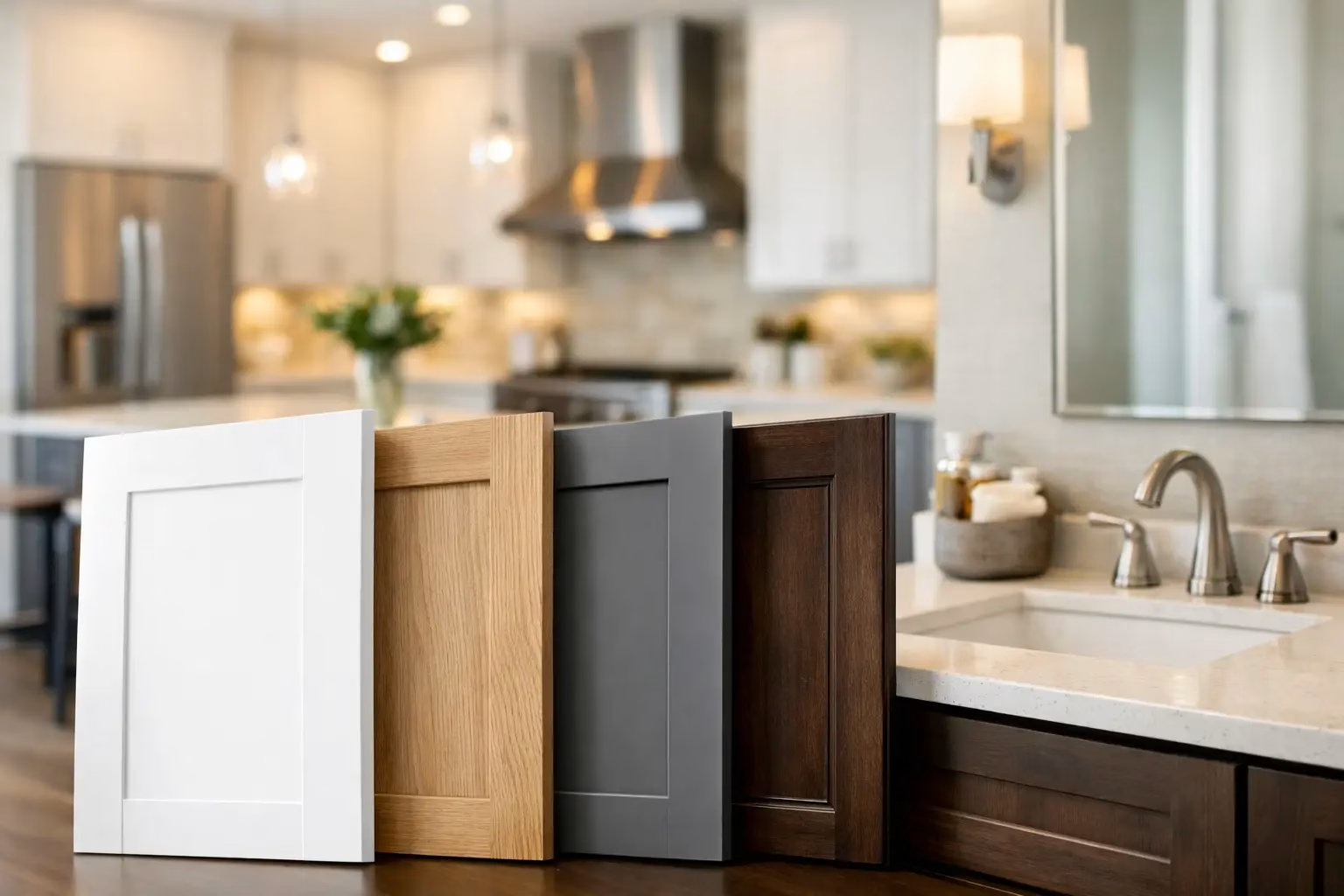
If you are planning a cabinet refacing project, the material choice matters more than most people expect. Solid wood cabinet doors versus MDF is not just a style question – it affects durability, finish quality, maintenance, cost, and how your cabinets will look a few years from now.
For many homeowners, this decision comes up right after measuring. You know the look you want. You may even know the color. But choosing between wood and MDF is where the project starts to feel real, because each material performs differently in everyday use. The best option depends on where the cabinets are going, what kind of finish you want, and how much wear the space gets.
Solid wood cabinet doors versus MDF: what changes in real life?
On paper, both materials can produce attractive cabinet doors. In real life, they behave very differently.
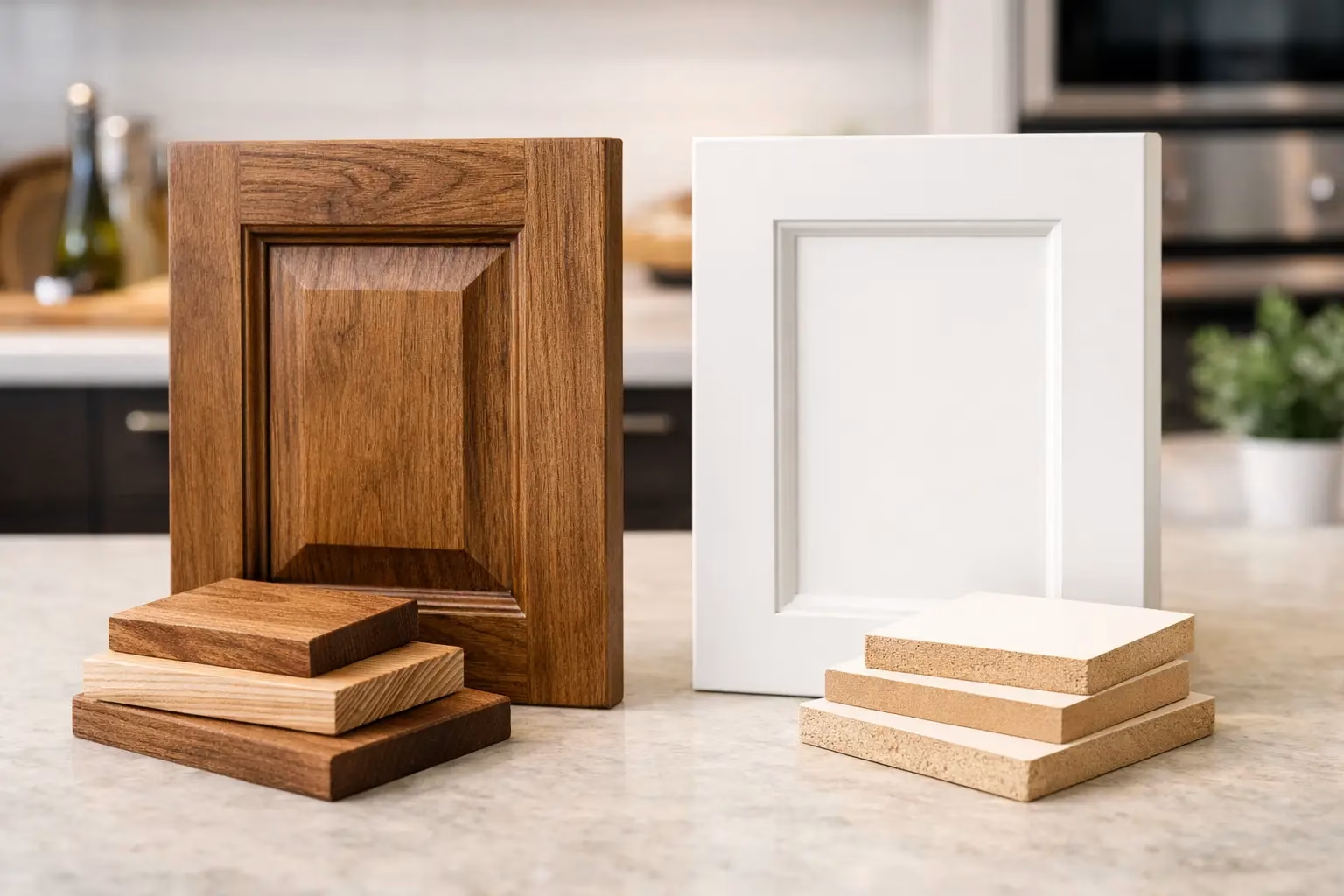
Solid wood is exactly what it sounds like – doors made from natural hardwood components. It has grain, character, and variation from piece to piece. That natural movement is part of what makes wood feel premium, but it also means wood expands and contracts with humidity changes.
MDF, or medium-density fiberboard, is an engineered wood product made from wood fibers and resin compressed into a dense, smooth panel. It does not have a visible grain pattern, and it stays more uniform across the surface. That consistency is one reason MDF is popular for painted cabinet doors.
If your goal is a stained finish that shows off natural grain, solid wood is the clear choice. If your goal is a smooth painted finish with minimal texture, MDF often has the advantage.
Appearance: painted versus stained makes a big difference
This is usually the first fork in the road. A lot of the wood-versus-MDF debate gets settled by your finish choice.
Solid wood brings warmth and natural variation that many homeowners want in kitchens, offices, and built-ins. Even when painted, wood can show some grain texture over time. Some people like that because it looks authentic and classic. Others want a cleaner, more uniform painted surface.
MDF is especially strong when the design calls for paint/thermofoil. Because the surface is smooth and free from grain, painted MDF doors can deliver a crisp, even look. That can be a great fit for modern kitchens, transitional styles, and projects where a sleek finish matters.
The trade-off is that MDF does not offer the visual depth of real wood. It is not the material for a stained, natural, or wood-tone finish. If you want the character of maple, oak, cherry, or another species, MDF will not give you that result.
Why painted shaker doors often start the MDF conversation
Many refacing customers are updating older raised-panel kitchens to a painted shaker style. That is exactly where MDF enters the discussion, because shaker doors in paint-grade applications often benefit from a smoother face and a more consistent finish.
Still, this is not an automatic win for MDF. If the kitchen gets heavy use, if the doors may take more impact, or if you simply prefer the substance and craftsmanship of real wood, solid wood remains a strong contender.
Durability and wear: strength depends on the kind of stress
Homeowners often assume solid wood is stronger in every way. That is not quite the full story.
Solid wood is durable, long-lasting, and better at resisting certain kinds of edge damage or impact. In busy kitchens, mudrooms, and family spaces, that matters. Wood can also be repaired more naturally in some cases, especially when the finish and species allow touch-ups.
MDF is dense and stable, but it can be more vulnerable at edges and corners if it takes a hard hit. A dent or chip in MDF may be harder to disguise. So if you have young kids, high-traffic cabinets, or doors that get a lot of rough handling, solid wood can feel more forgiving over time.
At the same time, MDF has one durability advantage that matters in painted applications. Because it does not have the same grain movement as wood, it is less prone to visible hairline cracking at joints on painted door styles. That is a real benefit if your top priority is a smooth, consistent painted finish.
Moisture and humidity: this part depends on the room
Kitchens and bathrooms are not identical environments, and material choice should reflect that.
Solid wood reacts to humidity. That does not make it a bad cabinet material – far from it. Quality wood doors have been used for generations. But wood is a natural material, and seasonal movement is normal. In spaces with fluctuating humidity, that movement can affect fit and finish over time.
MDF is dimensionally stable, which can be helpful in climate-controlled interiors. However, MDF is more vulnerable if exposed to significant water intrusion. If moisture gets into unfinished or damaged areas, the material can swell. That is why the quality of the finish and the environment both matter.
For a powder room or bathroom vanity, the better choice depends on ventilation and use. For a kitchen near a sink or dishwasher, careful finishing and proper maintenance are important no matter what material you choose. Neither material should be treated like it is immune to water damage.
Cost and value: cheaper upfront is not always better
Budget matters, especially when you are refacing an entire kitchen instead of replacing a few doors.
MDF is often more affordable than solid wood, particularly in painted door styles. If you are renovating on a budget and want a custom look without overspending, MDF can make sense. It gives homeowners access to a clean, finished appearance at a lower price point.
Solid wood typically costs more, but it also carries a different value proposition. You are paying for natural material, visible craftsmanship, and a look that many buyers still associate with higher-end cabinetry. If you plan to stay in your home for years, or if the room is a standout space where materials matter, the extra investment may feel worthwhile.
For many DIY renovators, the smartest move is not asking which material is best overall. It is asking which material gives the best return for this specific project.
Where each material tends to work best
Solid wood cabinet doors are often the better fit when you want a stained finish, a furniture-style look, more natural character, or stronger resistance to everyday bumps. They also appeal to homeowners who want a traditional or custom-built feel.
MDF tends to shine in painted applications, especially when the goal is a smooth surface and a more budget-conscious upgrade. It can be a practical choice for laundry rooms, offices, bathrooms, and kitchens where painted style is the priority.
This is why custom ordering matters. The right answer is not universal. One homeowner may want painted shaker doors for a bright kitchen refresh. Another may want warm wood tones for a built-in office wall. The material should support the finish, the room, and the long-term use.
How to choose without second-guessing yourself
A good decision usually comes down to four questions. Do you want paint or stain? How much wear will the doors get? How controlled is the room environment? And what matters more to you – the natural appeal of real wood or the smooth consistency of an engineered painted surface?
If you want stain, choose solid wood. If you want paint, compare the look you prefer with the level of use the cabinets will get. If you are after a sleek painted finish and want to manage costs, MDF may be the better fit. If you want natural character, stronger edge durability, and a more traditional cabinet feel, solid wood is hard to beat.
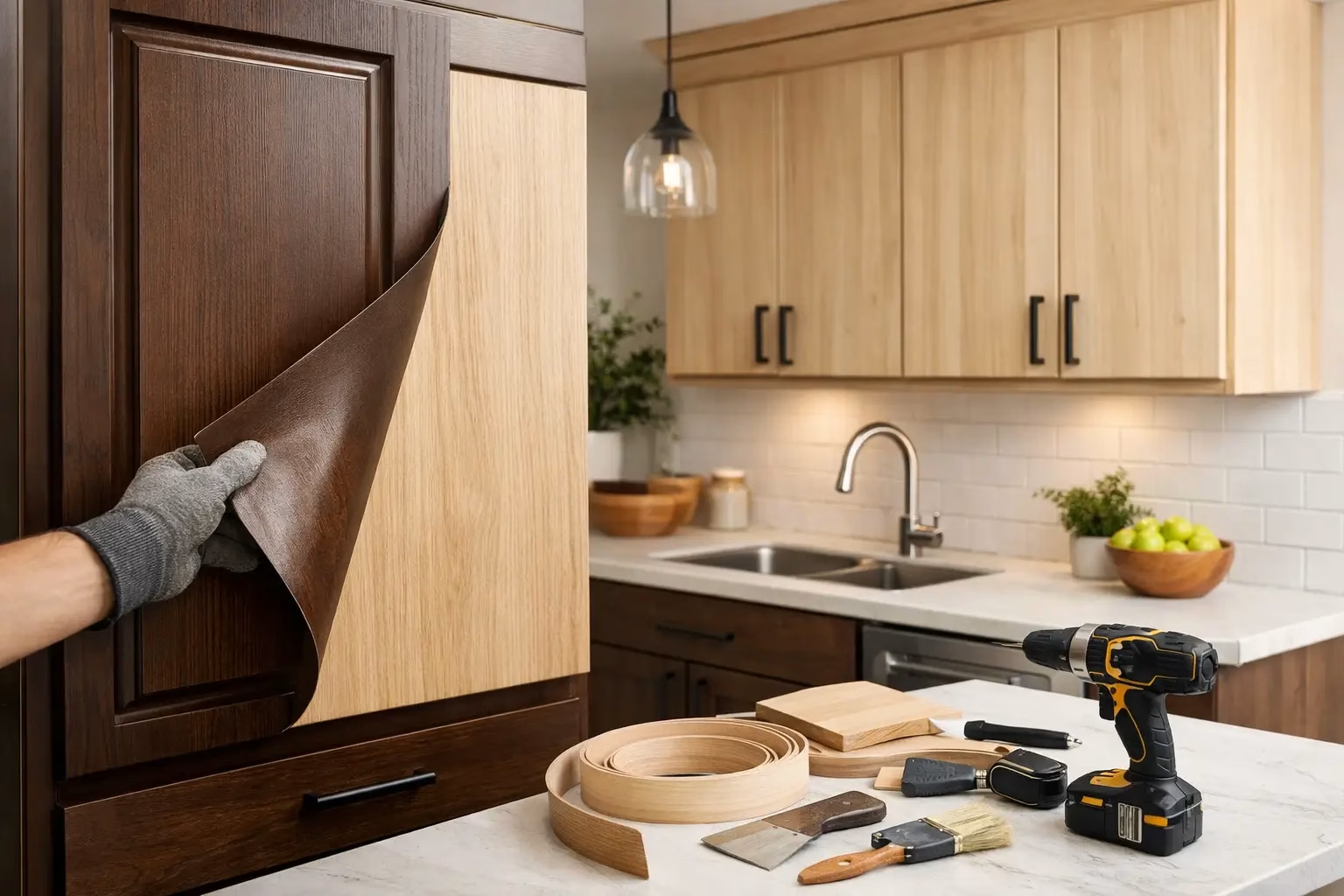
For many homeowners, cabinet refacing is about getting a custom result without replacing perfectly usable cabinet boxes. That makes material choice even more important, because the doors become the visible centerpiece of the project. At TDM – The Door Maker, that is why precision sizing and finish goals matter just as much as style selection.
The right cabinet door material should make your project feel better every time you open the room, not just better on order day. Choose the option that matches how you live, how you want the space to look, and how long you want that finish to keep working for you.