Sticker shock usually hits right after the first full kitchen remodel quote. If your cabinet boxes are still solid, refacing kitchen cabinets on budget is often the smarter move. You keep the existing cabinet structure, replace the visible parts that date the room, and put your money where it shows most – on doors, drawer fronts, finish details, and fit.
That approach matters because most kitchens do not need to be torn down to feel new. They need better proportions, cleaner lines, updated colors, and components that actually fit the openings correctly. For homeowners trying to improve the look of a kitchen without stepping into full custom-cabinet pricing, refacing can deliver a surprisingly high-end result.
Why refacing makes sense when the budget is tight
A full cabinet replacement includes demolition, disposal, new boxes, installation, and often plumbing, countertop, backsplash, or flooring complications that were never part of the original plan. Costs tend to expand fast once one change forces the next.
Refacing avoids much of that chain reaction. When the cabinet boxes are structurally sound and the layout works, there is no reason to pay for parts of the kitchen that are still doing their job. Instead, you focus on what your eye sees every day: cabinet doors, drawer fronts, exposed end panels, trim, and hardware.
This is where budget projects usually go right or wrong. If you cut corners on the visible pieces, the kitchen can still look like a compromise. If you invest in well-made, properly sized replacement fronts and coordinate the finish details carefully, the room can look custom without the full custom price.
What refacing kitchen cabinets on budget really includes
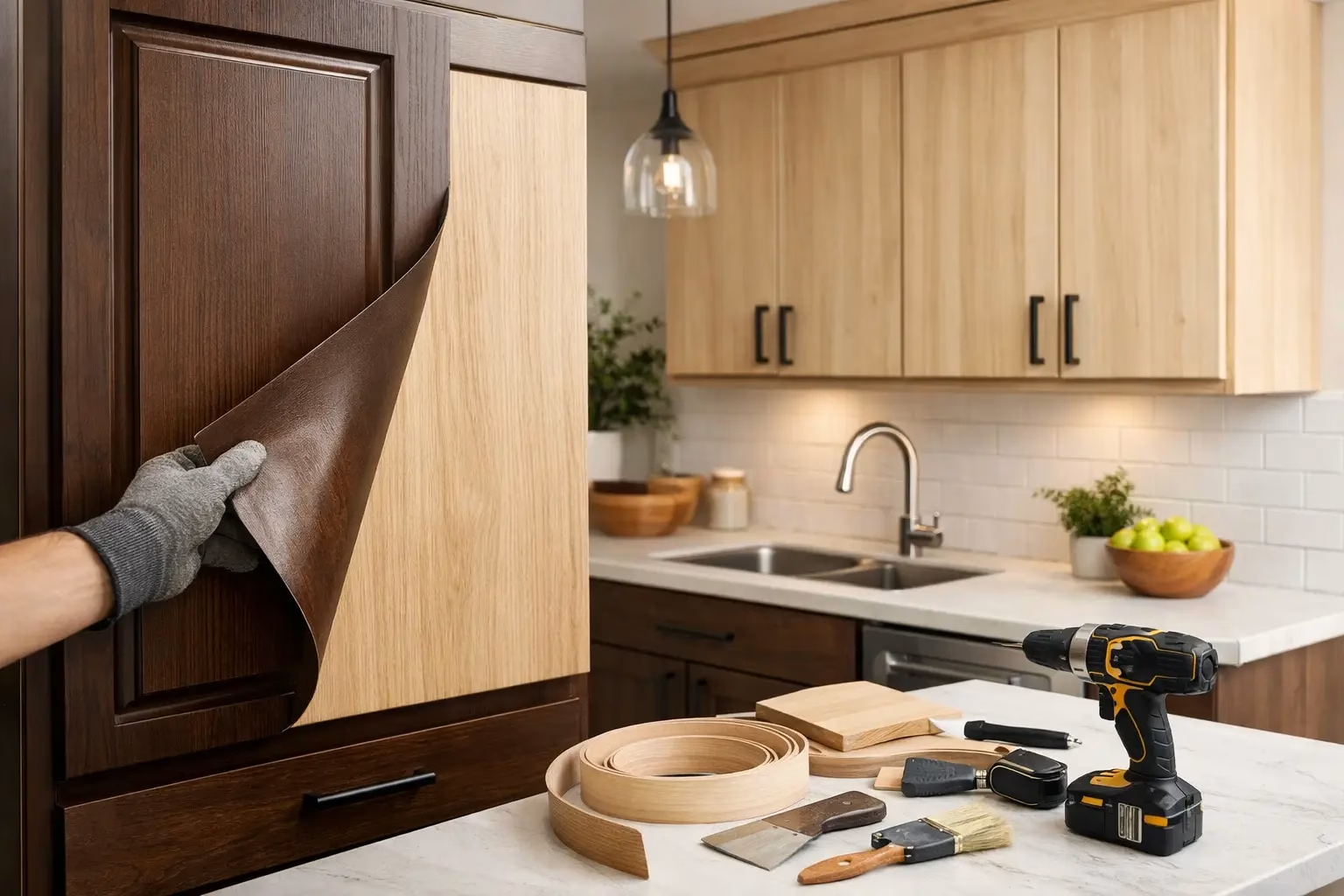
The basic idea is simple, but the execution is where value shows up. Cabinet refacing generally means replacing old doors and drawer fronts, covering exposed cabinet face frames or ends to match, updating hinges and pulls, and adding trim details where needed.
Some homeowners also take the opportunity to improve function. Soft-close hinges, better drawer hardware, glass-ready doors, or decorative components can make the kitchen feel more finished without crossing into full remodel territory. The key is choosing upgrades that change the daily experience, not just the shopping cart total.
If your cabinet layout is awkward, your boxes are damaged, or the interior storage is failing, refacing may not solve every problem. But if the structure is good and the goal is visual transformation, it is one of the most cost-effective upgrades available.
Where to spend and where to save
The best budget strategy is not buying the cheapest option across the board. It is knowing which choices create the biggest visual payoff.
Doors and drawer fronts are the first place to spend carefully. They define the style of the kitchen more than anything else. Shaker remains popular because it works in modern, transitional, and classic spaces, but slab, raised panel, and more detailed profiles can all work depending on the home. What matters most is getting the sizing right and choosing a style that fits the architecture of the space.
Finish is the next big decision. Painted looks are clean and current, while woodgrain and PVC options can offer durability and consistency, especially in high-use kitchens. If your budget is tight, it often makes more sense to simplify the door style and keep the finish quality strong rather than choosing a more elaborate profile with a lower-end look.
Hardware is an easy place to control cost without sacrificing impact. New pulls and knobs can dramatically update the kitchen, but they do not need to be the most expensive item in the project. Pick a finish that complements your cabinet color and stays consistent with your faucet and lighting.
Trim and decorative pieces should be chosen with restraint. Crown molding, valances, fluted columns, or glass accents can elevate the design, but too many extras can push a budget project into unnecessary spending. One or two well-placed details usually work better than trying to add every available feature.
Measuring well is what protects your budget
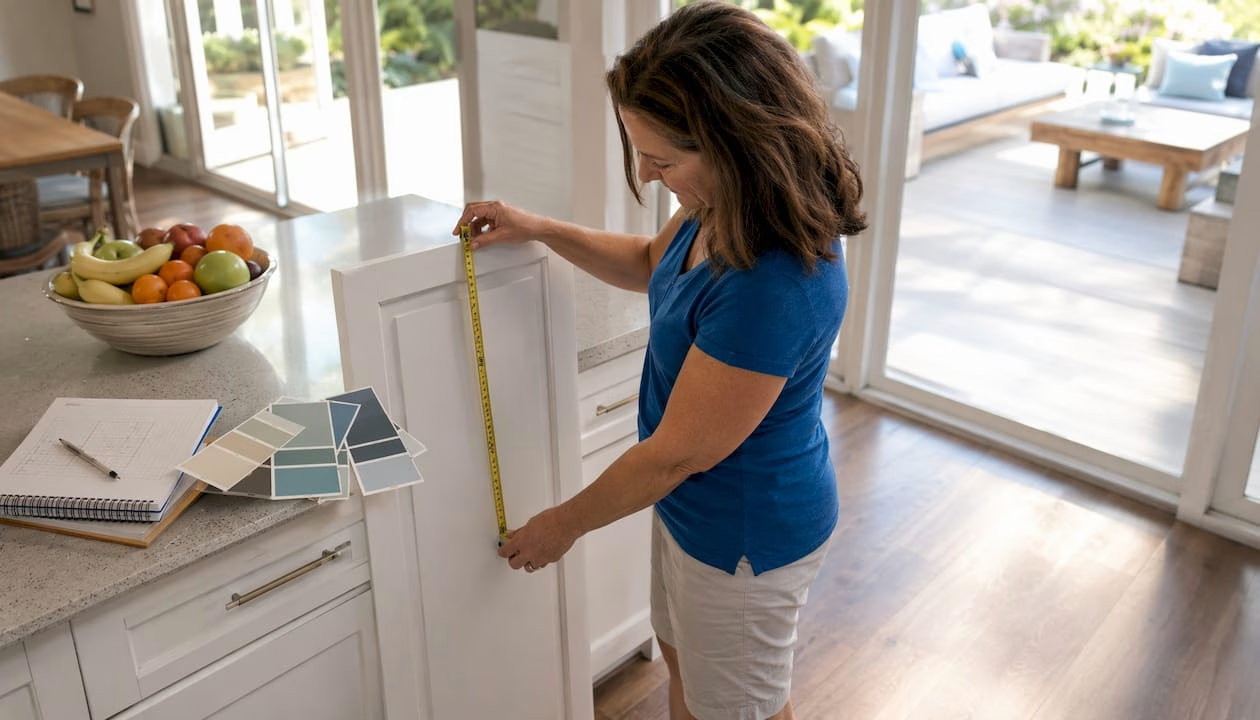
Nothing eats into savings faster than ordering the wrong size. Accurate measuring is not the glamorous part of the project, but it is the part that keeps your refacing plan affordable.
Measure each door and drawer opening carefully and record dimensions clearly. Do not assume every opening in an older kitchen is identical just because it looks close. Small differences matter, especially in homes where cabinets were installed years ago or built to non-standard sizes.
You also need to confirm overlay, hinge style, and how the doors function in corners or near appliances. A custom-sized replacement front can solve many fit problems that stock options cannot. That is one of the biggest advantages of ordering made-to-order cabinet components instead of trying to force a standard size into a kitchen that was never standard to begin with.
For DIY homeowners, this is often the difference between a project that feels professional and one that feels patched together. Precision is not just about appearance. It prevents rework, delays, and extra cost.
Choosing custom instead of stock can save money
At first glance, stock cabinet doors from a big-box source can seem like the cheaper route. Sometimes they are, but only if your kitchen happens to match their sizing and style limitations. Many do not.
When sizes are off, homeowners start improvising. They change hinge plans, adjust gaps, settle for a close-enough style, or replace more of the kitchen than they intended just to make stock parts fit. That is where an apparently cheap option gets expensive.
Custom cabinet doors and drawer fronts let you spend with more control. You order what your kitchen actually needs, not what a shelf happens to carry. That can be especially valuable in older homes, built-ins, office cabinetry, bathrooms, or any project where the existing layout is worth keeping but the visible surfaces are overdue for an update.
For homeowners who want the look of a higher-end renovation without paying for all-new cabinetry, a made-to-order approach often lands in the sweet spot. TDM – The Door Maker is built around that exact idea: helping DIY renovators measure, design, and order custom-sized components that upgrade the space without replacing everything behind them.
How to keep a budget reface from looking cheap
A budget kitchen can still look refined if the details are consistent. Problems usually happen when styles compete with each other or when old elements are left behind without a plan.
If you are replacing doors, look at the whole visual field. Old yellowed hinges, worn toe kicks, mismatched end panels, and faded trim can make new doors stand out in the wrong way. You do not need to replace every single component, but the finished space should feel coordinated.
Color choice also affects how expensive the kitchen feels. Warm whites, clean painted neutrals, natural wood tones, and well-chosen grays tend to age better than trendy shades that can quickly date the room. If resale matters, lean toward broad appeal. If this is your long-term home, choose what fits your style and the surrounding finishes.
Lighting helps too. Refacing transforms the cabinetry, but under-cabinet lighting or a better ceiling fixture can make those updates read more clearly. It is a small supporting upgrade that often improves the result more than another decorative add-on would.
When refacing is the right budget move – and when it is not
Refacing is a strong option when your cabinet boxes are level, secure, and worth keeping. It is ideal when the layout functions reasonably well and the biggest issue is appearance. In that scenario, replacing visible components gives you the highest design return for the money.
It is less effective if the cabinets are warped, water-damaged, poorly installed, or simply wrong for how you use the kitchen. If drawers barely function, storage is deeply inefficient, or the room needs a total reconfiguration, refacing may only delay a larger change.
There is also a middle ground. Some homeowners reface most of the kitchen and selectively replace one problem area, such as a sink base or damaged pantry cabinet. That hybrid approach can protect the budget while still correcting the spots that truly need more than a cosmetic update.
A smart budget plan starts with the visible transformation
When homeowners talk about wanting a new kitchen, they usually mean they want a kitchen that looks cleaner, more current, and more tailored to the home. They do not always need new boxes, new demolition, and a long construction timeline.
That is why refacing kitchen cabinets on budget continues to make sense for so many DIY renovation projects. It lets you preserve what still works, upgrade what people actually see, and choose custom details that create a finished look instead of a temporary fix.
If you take your time with measurements, choose quality fronts, and stay disciplined about where your dollars go, you can get a kitchen that feels dramatically different without spending like you started from scratch. The best budget projects are not the ones that look inexpensive. They are the ones that make every choice count.