For most homeowners, ordering custom mesh-front doors from a specialist like Tdm-thedoormaker is the most reliable route to wire mesh cabinet doors that fit correctly and stay looking sharp for years. If you’re comfortable measuring twice and cutting once, buying a mesh panel and fitting it into your existing door frame yourself is a legitimate second option.
- Custom mesh-front doors: exact sizing, finish matched to your kitchen, no cutting or sharp edges to manage yourself.
- DIY mesh insert: lower upfront cost, but you handle measuring, cutting, and edge finishing.
The tradeoff comes down to time and risk tolerance. Custom doors cost more per unit but arrive ready to hang, with a known lead time and a finish you’ve already approved. DIY panels save money if your cabinet openings are simple rectangles, but a single mis-measured cut means reordering material and losing a weekend.
Pro Tip: Order a small sample panel before committing either way. A 4-inch swatch tells you more about how a finish reads in your kitchen’s light than any product photo ever will.
Key Takeaways
Custom mesh-front doors from a specialist deliver the most reliable fit and finish, while DIY mesh panels work well for simple, budget-conscious single-door projects.
| Point | Details |
|---|---|
| Pick the right route | Custom doors suit complex or full-kitchen projects; DIY suits simple rectangular openings. |
| Match mesh to function | Tighter weaves conceal contents; open grilles display items and improve airflow. |
| Order samples first | A 4-inch swatch confirms finish and opacity before you commit to a full panel. |
| Use a rubber retainer | This attachment method gives a cleaner edge than staples and cuts installation time. |
| Consider Tdm-thedoormaker | Its configurator and sample program deliver precise sizing without DIY measuring risk. |
Table of Contents
- Why Choose Wire Mesh Panels for Cabinet Doors?
- Mesh Types, Patterns, and Finishes: How Do You Pick?
- How Do You Fit Wire Mesh Into Cabinet Doors?
- How Do You Measure Cabinet Doors for Wire Mesh?
- Where Can You Buy Mesh Panels or Finished Mesh-Front Doors?
- Which Mesh Specs Actually Matter?
- How Do You Maintain Wire Mesh Cabinet Doors?
- What Do Wire Mesh Cabinet Doors Cost?
- How Long Does the Whole Project Take?
- What Goes Wrong During Installation?
- Should You DIY or Order Custom Mesh Doors?
- How Tdm-thedoormaker Makes Wire Mesh Cabinet Doors Simple
- Frequently Asked Questions
- Sources
Why Choose Wire Mesh Panels for Cabinet Doors?
Wire mesh solves a problem that solid wood and glass can’t: it lets air move while still giving your cabinet a finished, intentional look. That matters more than most homeowners expect until they’ve dealt with a musty wine cabinet or an overheating media console.
- Ventilation — reduces heat buildup around electronics and prevents moisture from getting trapped in wine or linen storage.
- Durability — metal resists the dents and cracks that plague glass panels near a busy kitchen.
- Visual control — tighter weaves conceal clutter; open grilles put a nice dish collection on display.
- Texture contrast — breaks up a wall of flat cabinet fronts without a full remodel.
Media consoles benefit from mesh because it hides cables and speakers while letting sound and heat escape. Wine cabinets use it to maintain airflow around bottles. Pantry doors with a tighter weave keep contents out of view while still venting the space. Manufacturers report that metal mesh panels often outlast glass or solid wood inserts, largely because metal simply tolerates daily wear better than either alternative.
Mesh Types, Patterns, and Finishes: How Do You Pick?
Match the pattern to the job first, then worry about finish. Woven wire mesh creates a finer weave that gives semi-transparent coverage, good for cabinets where you want a hint of what’s inside without full visibility. Wire grille or crimped patterns use larger apertures and read more like a decorative screen than a barrier, better suited to hutches or display cabinets where you want contents on show.
Material choice shapes both looks and longevity:
- 304 stainless steel — the standard choice for kitchens; resists moisture and everyday wear.
- 316 stainless steel — a step up for humid environments like bathrooms or exterior cabinetry.
- Brass and copper — warm tones that pair well with traditional or farmhouse kitchens; both develop a patina over time unless sealed.
- Aluminum — lightweight and budget-friendly, though softer than steel.
- Galvanized steel — utilitarian, often used in rustic or industrial designs.
Finish options like antique brass, powder coat, and PVD titanium coatings change the tone dramatically. Designers advise choosing mesh density based on function: tighter weaves for concealment, open grilles for display and airflow. Wire diameter and aperture size work together. A thicker wire with a small opening feels solid and private; a thin wire with a wide aperture feels light and airy but shows more of what’s behind it.
Pro Tip: Hold a sample swatch against your cabinet hardware before ordering. Brass mesh next to brushed nickel pulls almost always looks like a mismatch in person, even when it looked fine in a catalog photo.
How Do You Fit Wire Mesh Into Cabinet Doors?
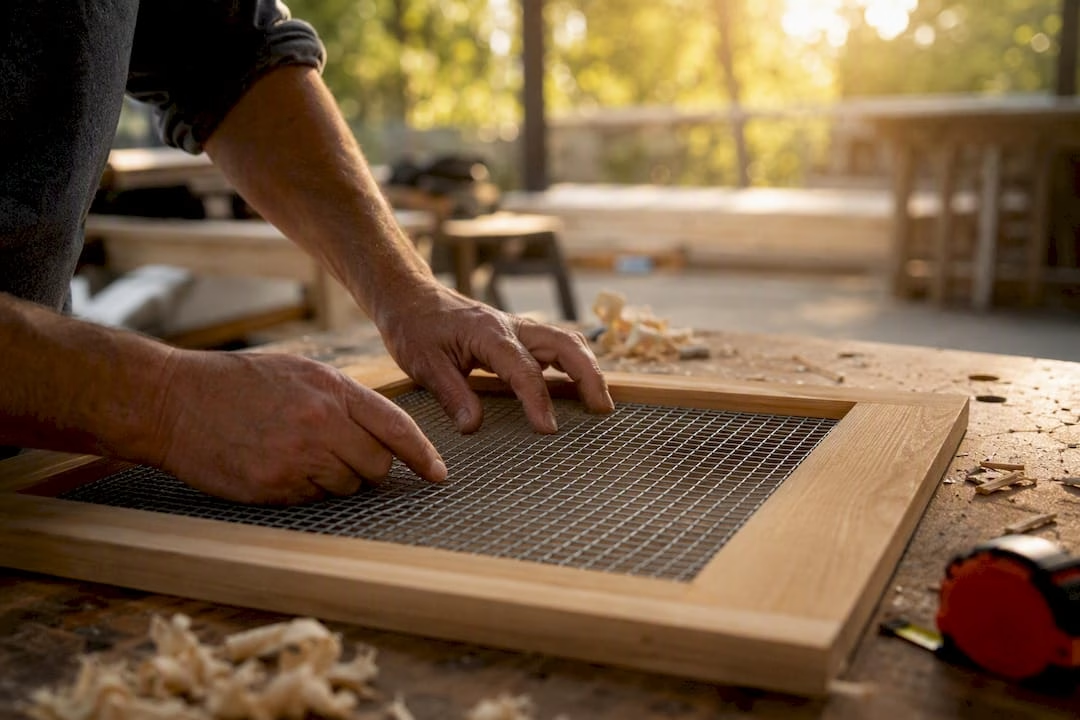
The simplest secure method for most DIYers is cutting a rigid panel to size and holding it in place with a rubber retainer set into a recessed groove in the door frame. It’s cleaner than staples and faster than building a full mullion frame around the mesh.
- Remove the door and measure the inner opening precisely, then build a cardboard template to confirm the fit before touching the actual mesh.
- Cut the panel using aviation shears or tin snips, sizing slightly smaller than the opening to leave room for the retainer.
- Fit a rubber retainer or spline around the edge to cover sharp wire ends and seat the panel cleanly.
- Secure the panel using the retainer groove, or with small screws through a trim strip if your frame doesn’t have a recess.
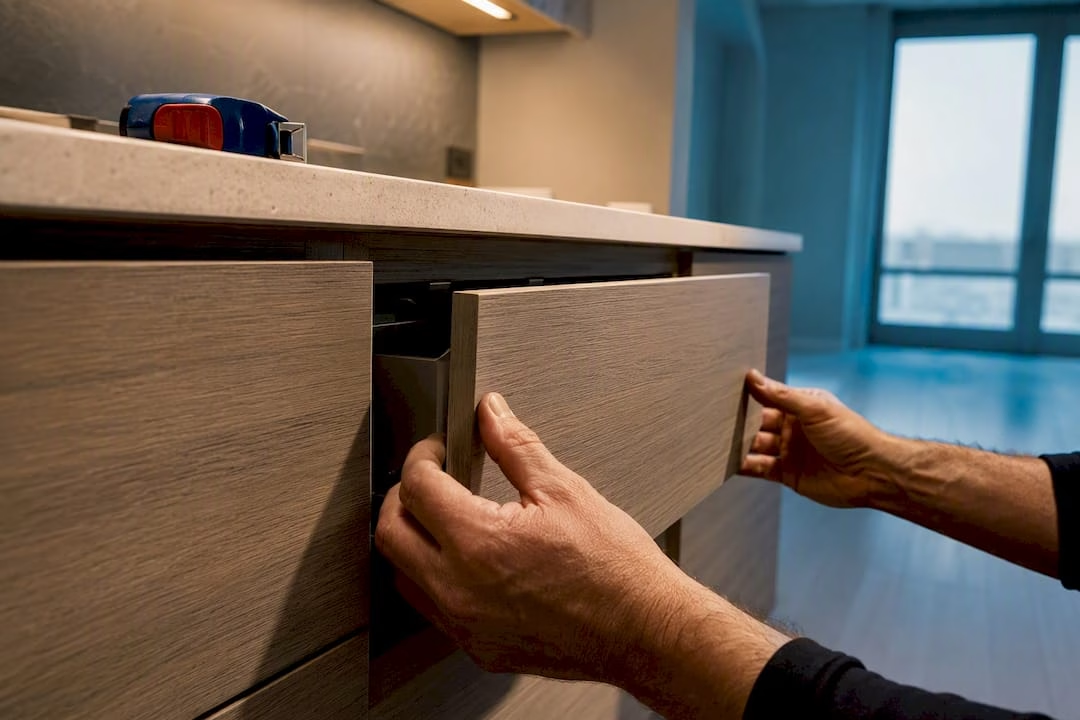
- Rehang the door and check hinge alignment, since mesh panels weigh less than the wood or glass they replace and can shift how the door hangs.
Tools and supplies: aviation shears, a small drill with countersink bit, clamps, protective gloves, rubber retainer or gasket material, and a straightedge for measuring.
Pro Tip: Rubber retainers or splines produce a noticeably cleaner backside than staples or glue, and they cut installation time roughly in half.
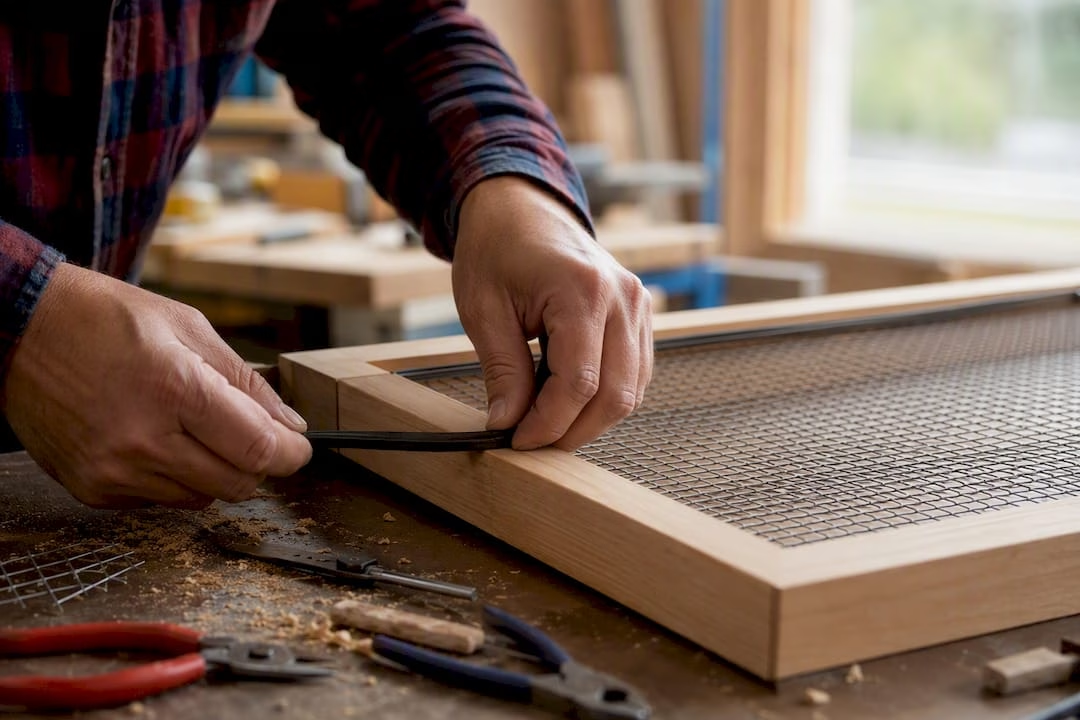
Hire a professional for shaped stiles, curved mullions, or any door where the mesh needs to follow an irregular edge, consulting with Interior Closet Doors | One Day Doors & Closets specialists to ensure proper fitting and local installation. Cut metal edges are sharp enough to draw blood, so gloves aren’t optional, and always double check your hinge and hardware fit before final assembly.
How Do You Measure Cabinet Doors for Wire Mesh?
Measure the inside of the door frame, not the outer door dimensions, and order or cut your panel to that inner opening minus a small allowance for the retainer or reveal.
- Measure width and height at three points each (top, middle, bottom) since older cabinet frames are rarely perfectly square.
- Note whether your doors use an inset or overlay style, since that changes how much reveal you need to plan for.
- Record any mullion or lite openings separately if your door has multiple mesh panels rather than one large piece.
- Photograph the frame and hinge hardware for reference when ordering.
A cardboard template remains the single best way to catch measurement errors before they become expensive mistakes, particularly on doors with shaped rails. If you’re ordering from The Door Maker’s configurator, you’ll enter these same inner dimensions directly rather than cutting anything yourself.
Pro Tip: Always order a 4-inch sample before a full panel order. It’s the cheapest insurance against discovering the finish or aperture looks wrong once it’s already installed.
Where Can You Buy Mesh Panels or Finished Mesh-Front Doors?
Tdm-thedoormaker offers finished mesh-front doors sized to your exact specifications through its online configurator, with sample doors and finish swatches available before you commit to a full order. That route removes the cutting and edge-finishing steps entirely.
If you’d rather source mesh yourself, architectural mesh suppliers and woodworking catalogs sell cut-to-size panels or full sheets in standard gauges, and most offer sample kits so you can check finish and opacity in your own lighting before buying in bulk. Compare stock availability against custom lead times, and confirm the supplier’s return or sample policy before placing a large order.
- Request a wire diameter and aperture spec sheet from any supplier before ordering.
- Order a small sample panel and view it under your kitchen’s actual lighting.
- Confirm whether panels ship cut-to-size or require trimming on your end.
Which Mesh Specs Actually Matter?
Three numbers decide whether a mesh panel will work for your cabinet: wire diameter, aperture size, and open-area percentage. Wire diameter determines strength and how rigid the panel feels once installed. Aperture size (the opening between wires) controls how much you can see through the mesh and how much air passes through it. Open-area percentage combines both into a single figure suppliers use to compare products.
Decorative wire mesh specifications typically list all three alongside material grade, so ask any supplier for that same data before ordering. A tighter aperture with a thicker wire gives you privacy and strength, useful for a pantry door. A wider aperture with a thinner wire maximizes visibility and airflow, better for a display hutch. Always confirm whether a panel is 304 or 316 stainless, since the difference matters most in humid rooms.
- Ask for wire diameter in inches or millimeters, not just a general “gauge” description.
- Request the open-area percentage to compare products apples to apples.
- Confirm material grade in writing if corrosion resistance matters for your space.
How Do You Maintain Wire Mesh Cabinet Doors?
Routine care is simple: dust regularly, wipe with a non-ammonia cleaner, and polish plated finishes occasionally to keep them bright.
- Stainless steel: wipe with a soft cloth and mild soap; avoid steel wool.
- Brass or copper: polish periodically to slow natural patina if you want a bright finish.
- Powder coat: clean with a damp cloth; skip abrasive pads that can scratch the coating.
Avoid ammonia-based or acidic cleaners on any finish, since they can dull or discolor metal over time. Most finishes need only a wipe-down every few weeks, with occasional polishing for brass or copper accents.
What Do Wire Mesh Cabinet Doors Cost?
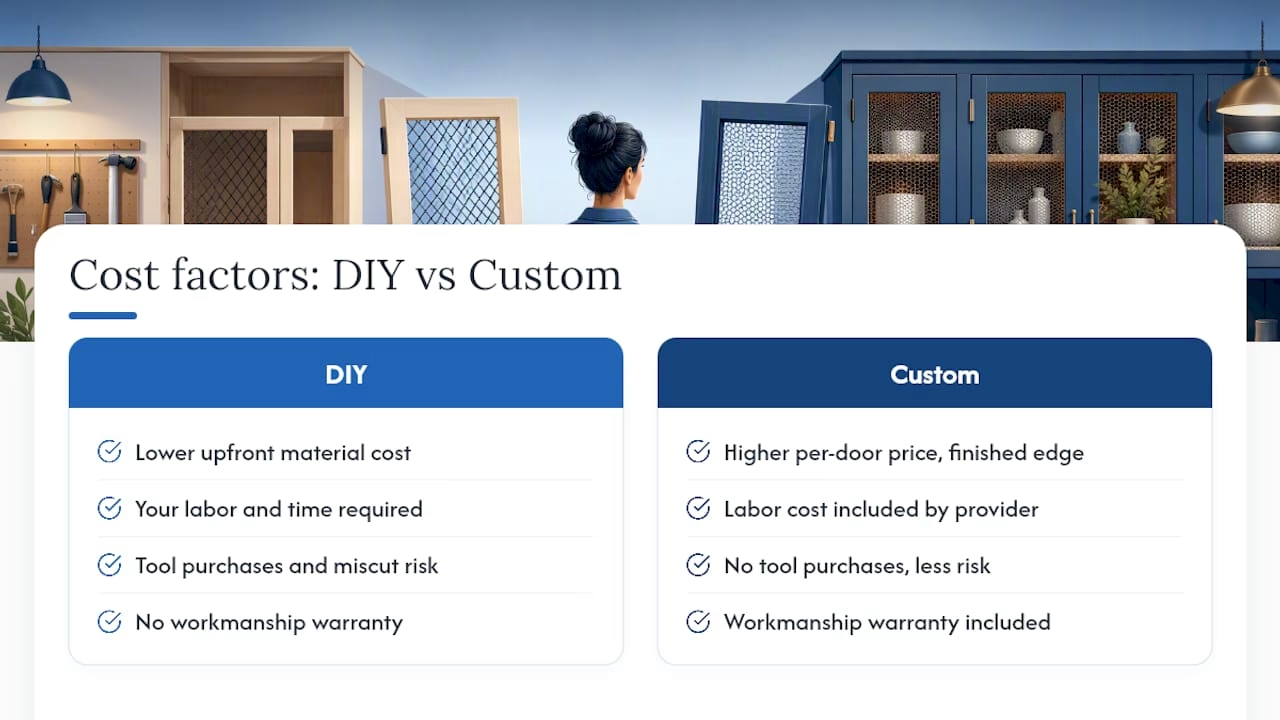
Custom mesh-front doors from a specialty provider typically run higher per door than raw DIY mesh material, but that price includes precise sizing, a finished edge, and a warranty on workmanship you won’t get cutting your own panel. The exact per-door price depends on your material choice, finish, and door dimensions, so getting a quote through an online configurator is the fastest way to see real numbers for your kitchen.
DIY material costs less upfront since you’re only paying for raw mesh sheet or a cut-to-size panel, plus retainer material and basic tools if you don’t already own them. But that lower sticker price doesn’t include your time, the cost of a miscut panel if measurements go wrong, or the tools you may need to buy for a one-time project. Aviation shears, a countersink bit, and retainer material add up quickly if you’re starting from zero.
Stainless steel mesh generally costs more than aluminum or galvanized options, and premium finishes like antique brass or PVD titanium coatings carry a price premium over standard powder coat. Larger apertures with thinner wire tend to cost less per square foot than dense weaves with thick wire, since less material goes into the panel.
The real cost comparison isn’t material versus material. It’s finished product versus your own labor, tool investment, and risk of a bad cut. For a single cabinet door, DIY often wins on price. For a full kitchen’s worth of matching doors, the labor and consistency argument tips toward ordering custom.
How Long Does the Whole Project Take?
Measuring a single cabinet opening takes about 15 to 20 minutes if you’re careful and build a template first. A full kitchen with a dozen doors can take two to three hours of measuring alone, especially if your cabinets are older and not perfectly square.
Sourcing materials is where timelines diverge sharply. Ordering a custom mesh-front door typically means a defined lead time from the supplier, often measured in weeks rather than days, since each door is cut and finished to your specifications. DIY material sourcing can be faster if a local supplier stocks standard sheet sizes, but if you need a specific finish or gauge, expect to wait on a special order just the same.
Installation time depends entirely on door count and complexity. A single flat-panel door with a rubber retainer might take 30 to 45 minutes once the mesh is cut and the template has confirmed the fit. A full kitchen with a dozen doors, plus hinge checks and hardware reinstallation, can realistically eat up a full weekend for a competent DIYer working alone.
Budget extra time for the sample-ordering step too. Waiting on a swatch before committing to a full order adds days to your timeline, but it’s time well spent compared to redoing an entire project because the finish looked different once installed.
What Goes Wrong During Installation?
The most common pitfall is measuring the outer door dimensions instead of the inner frame opening, which leads to a panel that’s too large to fit without forcing it. Always measure the inside of the frame where the mesh actually sits, not the door’s overall size.
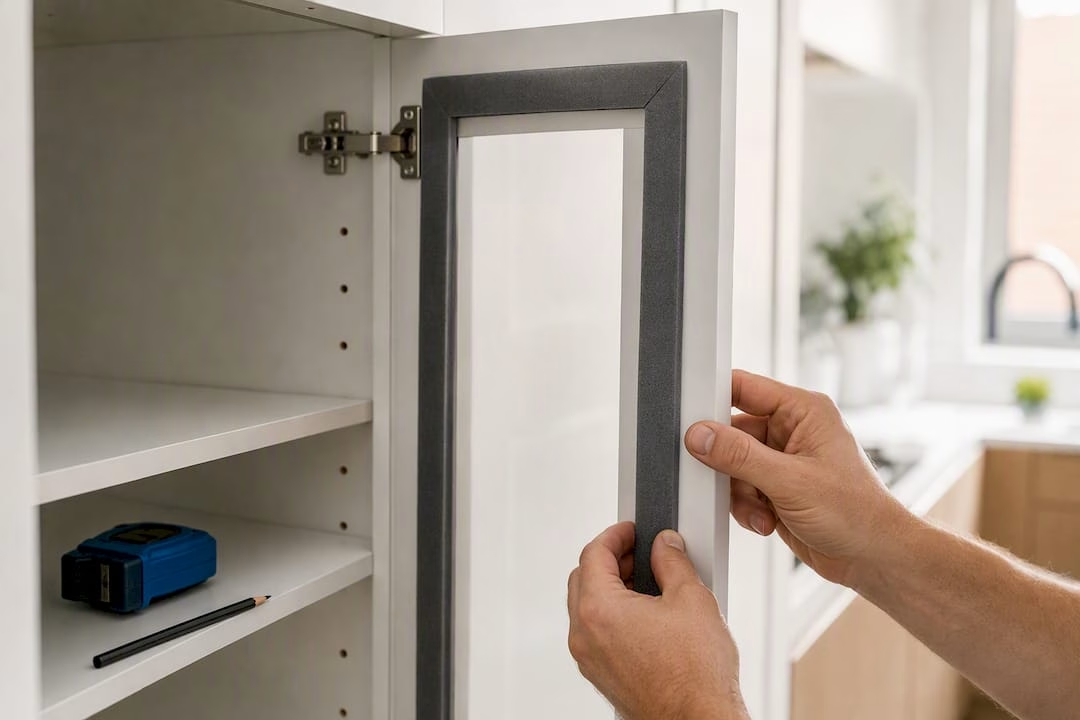
Failing to account for reveal or rebate depth is a close second. If you cut a mesh panel to fit flush against the frame with no allowance, it may bind against the retainer or refuse to seat cleanly. A cardboard template catches this before you’ve wasted material.
Sharp wire edges cause more frustration than most people expect. Skipping a rubber retainer or edge trim leaves exposed wire ends that can snag towels, clothing, or fingers every time the cabinet is opened. It’s a small step that makes a real difference in daily use.
Hinges are another overlooked detail. Mesh panels weigh less than the wood or glass they replace, which can shift how a door hangs, especially on larger doors. Always rehang and check alignment after installation rather than assuming the original hinge setting still applies.
For doors with shaped stiles or curved rails, measure and cut only after the actual door is in hand rather than working from written dimensions, since small variations in shape are easy to miss on paper. If a panel doesn’t sit flush, the culprit is almost always a missed reveal allowance or a template that didn’t account for hinge hardware.
Should You DIY or Order Custom Mesh Doors?
Choose DIY if your cabinet openings are simple rectangles and you’re comfortable with hand tools. Choose custom mesh-front doors if your cabinets have shaped stiles, you want a guaranteed finish match, or your time is worth more than the labor savings.
- Door complexity — simple rectangles favor DIY; curved or mullioned frames favor custom.
- Finish expectations — an exact match across a whole kitchen favors ordering custom doors.
- Time versus cost — a single door favors DIY savings; a full kitchen favors custom consistency.
Pro Tip: Order one custom door as a test before committing to a full kitchen. It tells you exactly what to expect on finish, fit, and turnaround.
How Tdm-thedoormaker Makes Wire Mesh Cabinet Doors Simple
Tdm-thedoormaker removes the guesswork of measuring, cutting, and matching finishes that trips up so many DIY mesh projects. You get precise sizing to a level no hand-cut panel can match, along with a finish selection that’s already been tested for wear.
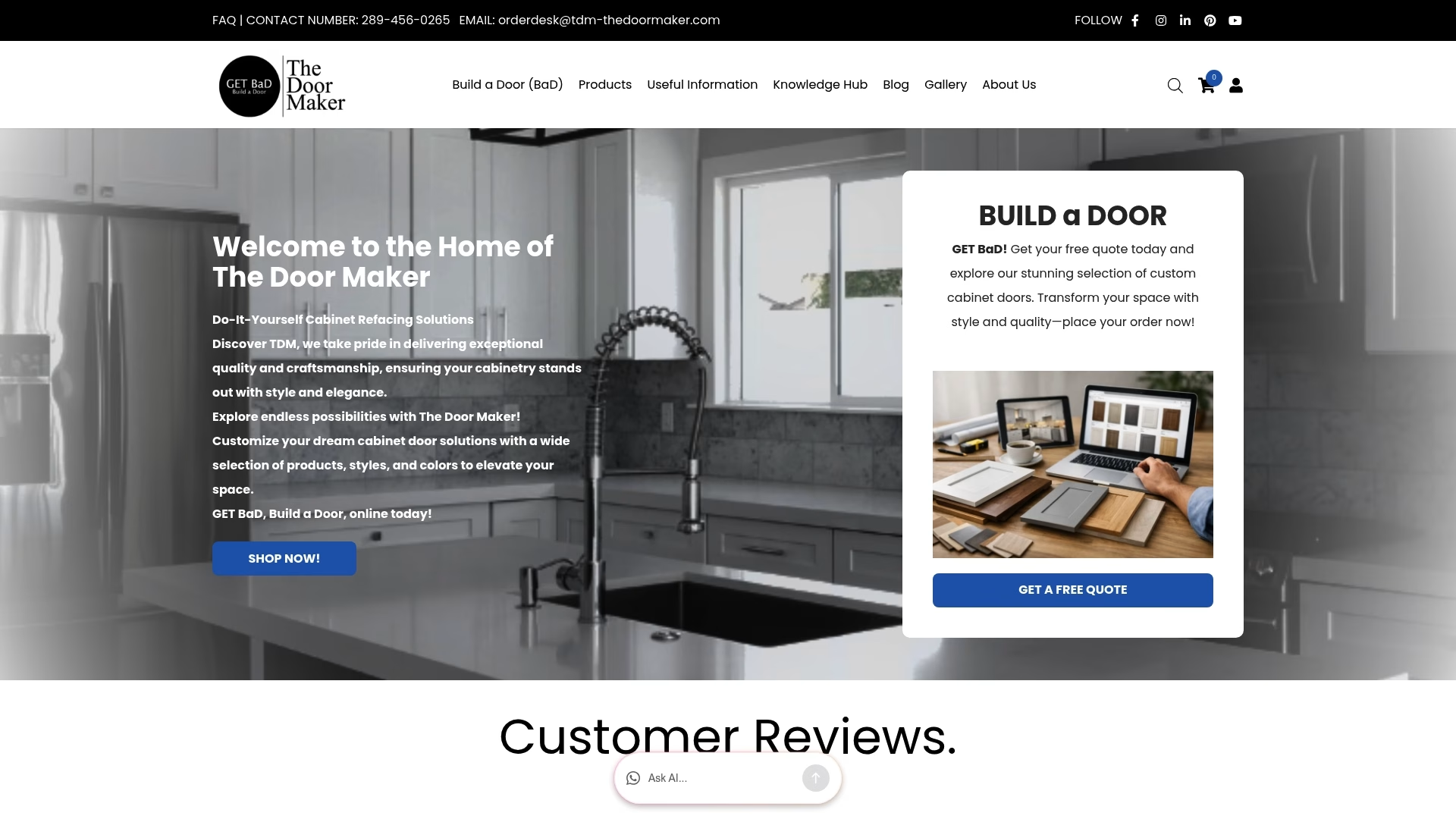
The online configurator walks you through measuring, choosing a finish, and placing an order in three steps, with video tutorials if you get stuck at any point. If you’re not sure which finish suits your kitchen, sample doors and color swatches let you check the look and texture in your own lighting before you commit to a full set. Precise sizing down to 1/10,000 inch means the door you receive fits the opening you measured, no template guesswork required. Start by ordering a sample or entering your measurements into the configurator to see real pricing for your project.
Frequently Asked Questions
Can I install wire mesh in my existing cabinet doors without replacing them?
Yes, if your door frame has a routed groove or you’re willing to add a trim strip. Remove the existing panel, measure the inner opening, and fit a cut-to-size mesh panel using a rubber retainer or screws.
What’s the difference between chicken wire and decorative wire mesh for cabinets?
Chicken wire is a hexagonal woven wire meant for fencing, not cabinetry. Decorative wire mesh cabinet doors use purpose-built woven or welded patterns with consistent apertures, proper wire diameter, and finishes designed to hold up indoors.
Does wire mesh work for pantry doors, or is it better for display cabinets?
Both, depending on the weave. A tighter woven mesh conceals pantry contents while still venting the space, and a more open grille pattern suits display hutches where you want items visible.
How much does a custom wire mesh cabinet door typically cost compared to DIY?
Custom doors cost more per unit but include precise sizing and finished edges. DIY panels cost less in raw material but add your own labor, tools, and the risk of a miscut panel.
Where can I buy wire mesh cabinet door panels or finished doors?
Tdm-thedoormaker offers finished custom mesh-front doors through its online configurator. Architectural mesh suppliers and woodworking catalogs sell raw cut-to-size panels for DIY projects.
Sources
- Decorative Wire Mesh Panels for Cabinet Doors
- Wire Mesh for Cabinets & Furniture | Banker Wire
- Cabinet door metal mesh (Ansus Metal blog)
- Wire Mesh Grille Inserts Available in Three Finishes | WalzCraft
Compare wire diameter and aperture across supplier pages before requesting samples.