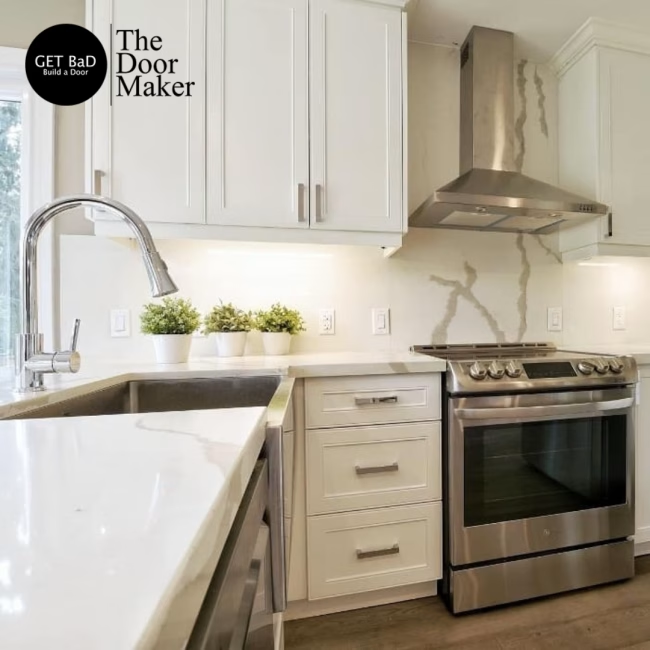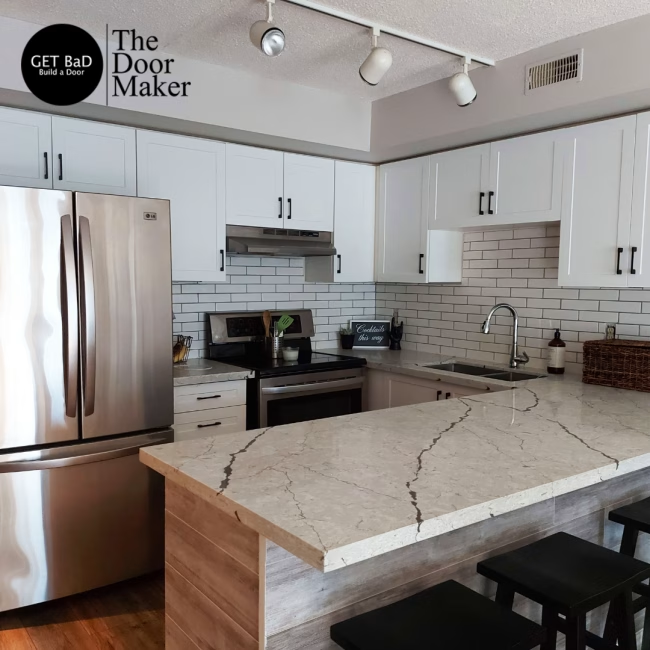
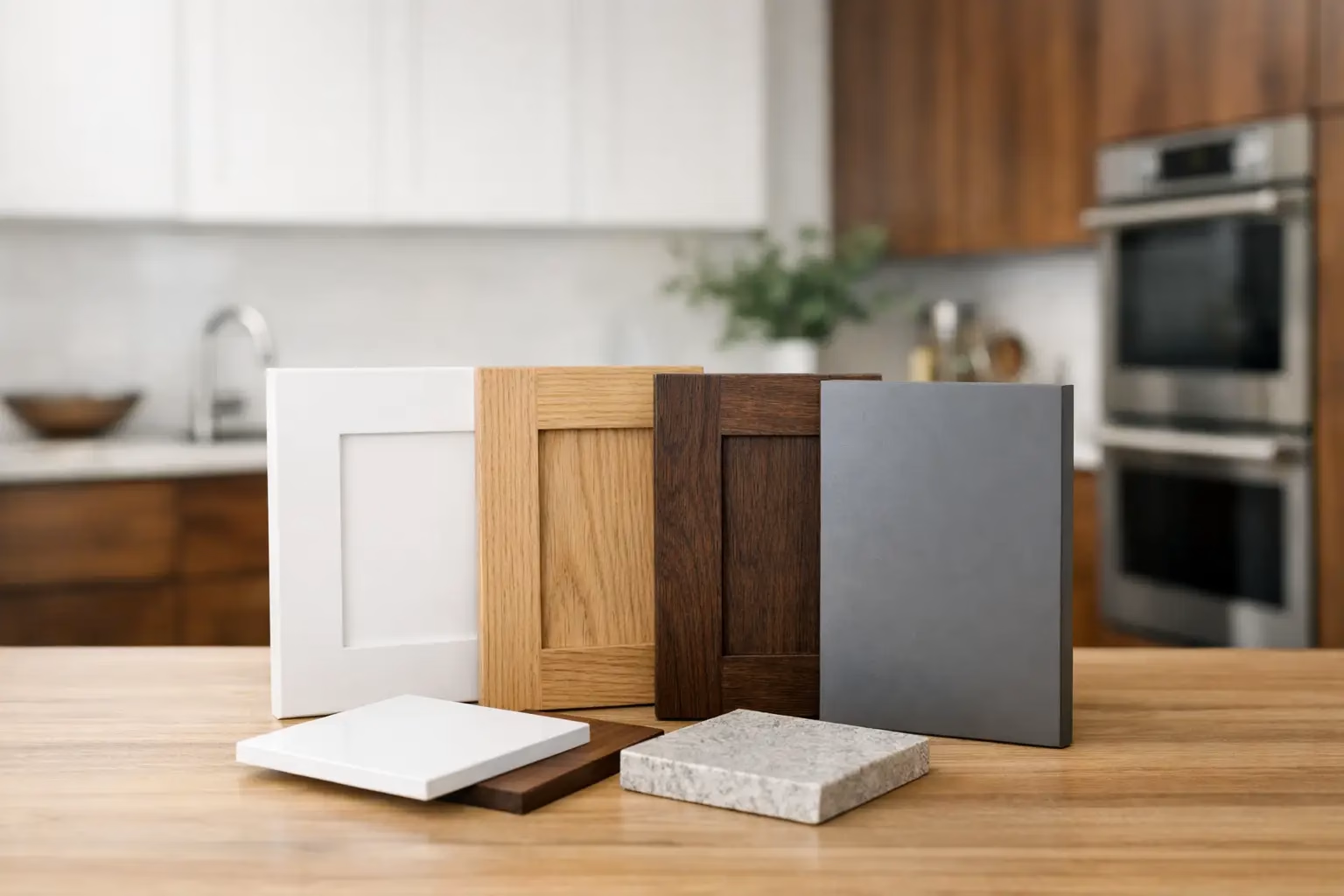
A kitchen can look tired for one simple reason – the doors are dated, worn, or poorly matched to the space. That is why cabinet door materials matter so much in a refacing project. The material you choose affects how the doors look, how they hold up to daily use, how easy they are to clean, and how much value you get from every dollar you spend.
If you are updating cabinet boxes that are still structurally sound, replacing only the doors can deliver a major visual change without the cost and mess of a full remodel. But not every material performs the same way. Some are better for painted finishes, some handle moisture better and some give you the warmth and variation only real wood can offer. The right choice depends on your room, your budget, and the finished look you want.
How to think about cabinet door materials
Most homeowners start with style, which makes sense. You may already know you want a clean Shaker look, a raised panel traditional profile, or a smooth slab door for a more modern space. But style is only half the decision. The material under that finish plays a big role in the final result.
A busy family kitchen puts different demands on cabinet doors than a guest bathroom or a home office. Kitchens deal with grease, fingerprints, steam, and constant opening and closing. Bathrooms bring humidity. Built-ins in living rooms or offices may face less moisture but still need a polished, furniture-like appearance. When you compare materials, think beyond the showroom look and consider where the doors will live.
Solid wood cabinet door materials
Solid wood remains one of the most popular cabinet door materials for good reason. It has natural beauty, real depth, and a craftsmanship-driven feel that many homeowners still prefer over manufactured alternatives. Wood can be stained to show grain or painted for a clean, classic finish. It also works well across a wide range of door styles, from traditional to transitional.
The trade-off is movement. Wood naturally expands and contracts with changes in temperature and humidity. That does not make it a poor choice. It simply means precision manufacturing matters, and some species behave differently than others. In the right construction, solid wood doors are durable and attractive for the long term.
Maple is a go-to option when homeowners want a smooth painted finish or a subtle grain under stain. It is hard, dependable, and versatile. Red oak has a more visible grain pattern and a classic, familiar look that suits many traditional kitchens. Cherry offers richness and warmth, often deepening in color over time. Each species has its own personality, and that is part of the appeal.
If your goal is a natural wood kitchen with character, solid wood is hard to beat. If your top priority is a perfectly uniform painted finish, other options may be worth considering too.
MDF cabinet door materials for painted finishes
MDF, or medium-density fiberboard, is one of the most practical cabinet door materials for painted applications. It has a smooth, stable surface that helps create a consistent finish without the grain pattern you get from natural wood. For homeowners who want a crisp white kitchen, a deep painted navy island, or a clean modern color, MDF can be a smart choice.
Another advantage is stability. MDF does not react to humidity the same way solid wood does, so it is less likely to show seasonal movement. That can make it especially appealing for painted doors where cracks at joints are a concern.
The trade-off is that MDF does not offer the same natural character as wood because it is not meant to be stained and admired for grain. It also needs proper finishing and care around moisture. In the right environment and with quality manufacturing, MDF performs very well, especially for homeowners focused on a smooth painted look at a strong value.
Thermofoil and PVC-wrapped options
Thermofoil and PVC-wrapped doors are built with a core material, often MDF, wrapped in a durable surface layer. These cabinet door materials are often chosen for their low-maintenance finish, color consistency, and broad style range. They can be a practical fit for homeowners who want an easy-care surface and a streamlined ordering process.
One of the biggest advantages is convenience. The finish is already applied, which means no painting or staining decisions after the fact. These doors can work well in contemporary, transitional, and even some traditional designs depending on the profile and color selected.
As always, it depends on the quality of the product and where it is installed. Lower-grade wrapped doors can be more vulnerable to heat exposure or edge failure over time. Better manufacturing and careful installation help avoid those issues. For many DIY renovators, PVC-wrapped doors hit a useful middle ground between style, upkeep, and budget.
Plywood and other engineered constructions
Plywood is common in cabinet boxes, but it is less often the face material homeowners picture first for doors. Still, engineered wood products have an important place in cabinet door construction. They can improve stability, support certain finishes, and provide cost-effective performance depending on the design.
What matters most here is not just the label, but how the door is made. A five-piece door with a solid wood frame and engineered center panel behaves differently than a one-piece routed door. A veneered panel can offer the appearance of real wood while helping control cost and movement. In practical terms, engineered construction often gives homeowners more flexibility when they want a specific style at a better price point.
Matching the material to the room
The best cabinet door materials are not always the most expensive. They are the ones that fit the conditions of the room and the expectations of the homeowner.
For kitchens, durability and easy cleaning tend to lead the decision. Painted MDF can be excellent for a smooth, updated look. Solid wood is ideal when natural grain or long-term stain appeal is the goal. PVC-wrapped options can make sense for homeowners who want a low-maintenance surface and predictable color.
For bathrooms, moisture resistance deserves extra attention. That does not rule out wood, but it does mean the finish quality and ventilation in the room matter. Stable engineered options are often attractive here because they handle humid conditions more consistently.
For offices, laundry rooms, mudrooms, and built-ins, there is often more freedom to prioritize appearance and budget. A home office might benefit from the warmth of stained wood, while a laundry room may be better served by a practical, easy-clean painted or wrapped door.
Cost, value, and what you are really paying for
Material affects price, but it is not the only factor. Door style, finish, profile detail, custom sizing, and manufacturing quality all shape the final cost. That is why comparing a custom cabinet door to a big-box stock option is not always apples to apples.
When you choose custom-sized doors, you are paying for fit as much as material. That matters in older homes, non-standard layouts, and refacing projects where existing cabinet boxes need precise measurements. A lower-priced door that does not fit correctly is not a bargain. It is a delay, a compromise, or a replacement waiting to happen.
Value also shows up in the finish. A well-made door with clean edges, accurate sizing, and durable construction simply looks better once installed. That polished result is what makes refacing feel like a real transformation instead of a temporary refresh.
Style goals matter more than people think
Homeowners often ask which material is best, but a better question is which material is best for the look you want. If you love visible grain, no painted substitute will fully satisfy that. If you want a bright, uniform finish across every door and drawer front, a material designed for paint may serve you better than natural wood.
This is where samples, door profiles, and finish planning become useful. A door style can look very different depending on whether it is built in maple, oak, MDF, or a wrapped surface. The same Shaker profile may feel traditional in one finish and modern in another.
At The Door Maker, this is exactly why customization matters. Homeowners should not have to force their project into a stock size or a one-material-fits-all solution. The best result comes from choosing the door style, dimensions, and material that actually fit the room.
Choosing with confidence
If you are narrowing down cabinet door materials, start with three questions. Do you want painted or stained doors? How much moisture and wear will the room see? And are you trying to match existing cabinetry or create a completely new look?
Those answers usually point you in the right direction quickly. Solid wood makes sense for warmth, grain, and classic craftsmanship. MDF is a strong contender for painted consistency. PVC-wrapped options offer convenience and simple maintenance. Engineered constructions can balance performance, appearance, and cost in smart ways.
A good refacing project is not about picking the fanciest material on paper. It is about choosing the one that fits your home, your style, and the way you actually live. When the doors are well made, properly sized, and finished with care, the whole room feels more intentional – and that is the kind of upgrade you notice every day.