A glass-front cabinet can change the whole feel of a room faster than most homeowners expect. Swap a few solid doors for the right cabinet glass frame options, and a heavy kitchen starts to feel lighter, more custom, and more intentional without tearing out the cabinet boxes you already have.
That is why frame choice matters just as much as the glass itself. The frame sets the style, affects how much glass you see, and helps determine whether the finished look feels traditional, modern, farmhouse, or somewhere in between. If you are planning a refacing project, understanding your options upfront makes the design process smoother and helps you order with confidence.
How cabinet glass frame options change the look
When people picture glass cabinet doors, they usually think about clear glass versus frosted glass first. In practice, the frame does a lot of the visual work. A wider frame creates a more substantial, furniture-style look. A narrower frame puts more focus on the glass and tends to feel cleaner and more contemporary.
Frame profile matters too. A simple flat frame reads modern and understated. A more detailed routed profile leans classic and decorative. Neither is better across the board. It depends on the room, the cabinet layout, and whether you want the glass doors to stand out or blend in with the rest of the run.
The other key factor is proportion. A small upper cabinet with an oversized frame can look busy. A tall pantry door with too little frame can feel visually weak. Good cabinet glass frame options work with the size of the door, not against it.
The main cabinet glass frame options to consider
Most homeowners are really choosing between a few core directions. Once you understand those, it gets much easier to narrow down what fits your space.
Full glass frame doors
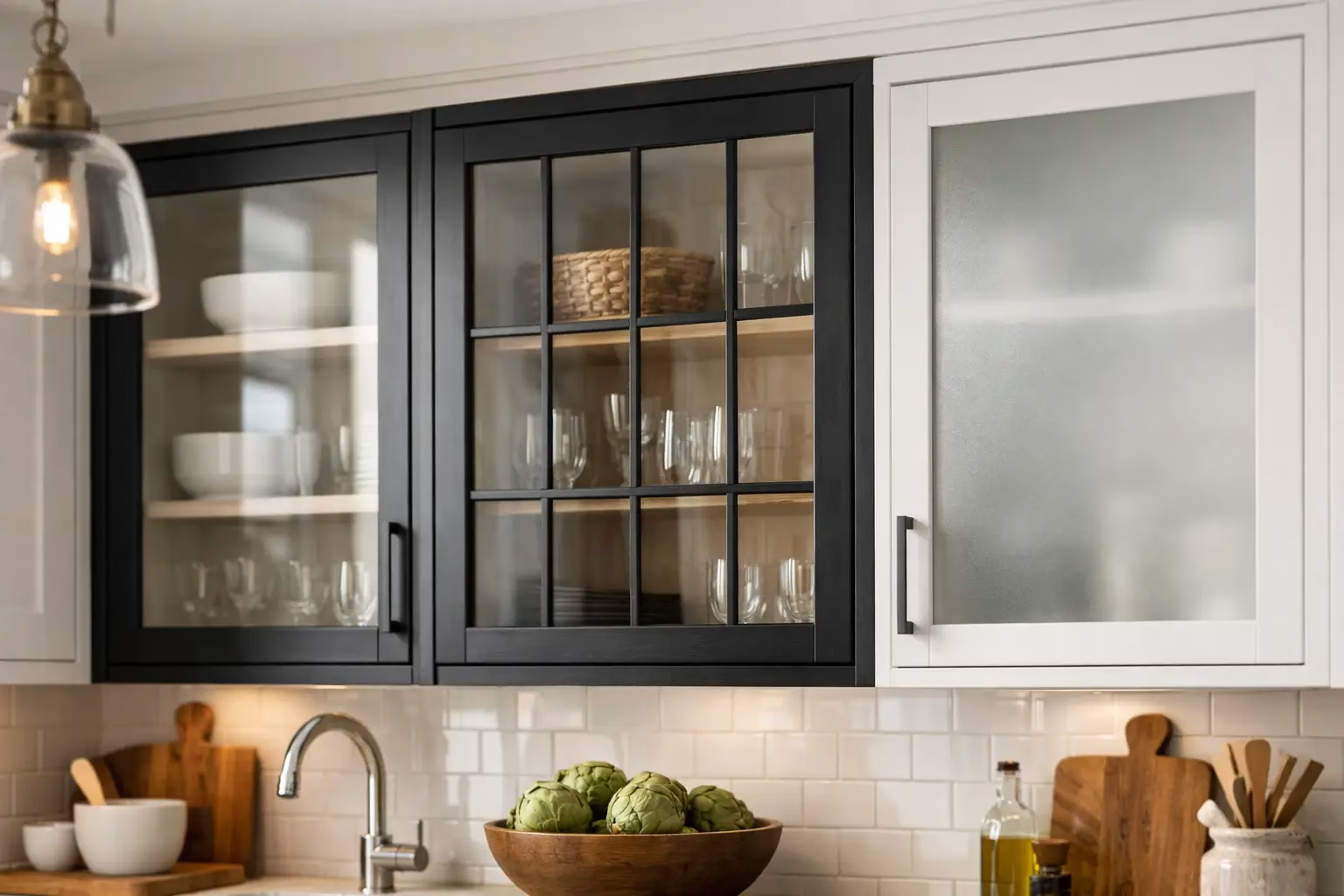
A full glass frame door features a perimeter frame with one large glass opening in the center. This is the cleanest and most versatile option for many kitchens. It works well in traditional, transitional, and modern spaces because the final look shifts based on the frame profile and finish.
If you want to display dishes, glassware, or decorative serving pieces, this is often the best place to start. It gives you the most visibility and keeps the door design simple. The trade-off is that what is inside the cabinet stays more visible, so organization matters.
Mullion or divided-light frames
Mullion doors include wood dividers within the glass opening. These create multiple panes and add more architectural detail. They can feel formal, classic, cottage-inspired, or even slightly historic depending on the pattern.
This option is especially useful when you want glass cabinets to feel decorative rather than minimal. It can also be a smart fit for larger doors, since the divisions break up the scale nicely. On the other hand, mullions partially block the view into the cabinet, so if your goal is to showcase a clean collection of dishes, a single opening may work better.
Narrow-frame glass doors
A narrow-frame glass door puts more emphasis on the insert and less on the wood around it. This style often suits contemporary kitchens, home bars, offices, and built-ins where you want a lighter visual footprint.
The appeal is obvious: more glass, less bulk. But it is not always the best match for every room. In a very traditional kitchen with raised panel doors and ornate moldings, a narrow glass frame can feel out of step unless the overall design intentionally mixes styles.
Decorative profile frames
Some glass frame doors use more pronounced edge details, inside profiles, or routed shaping to match raised panel or more traditional cabinet styles. These are a strong choice when you are replacing or refacing only part of a kitchen and need the glass doors to coordinate with adjacent solid doors.
That continuity matters. A glass door should not look like an afterthought. If the rest of your cabinetry has a classic profile, choosing a complementary glass frame usually creates a more polished result than switching to something ultra-modern just because it looks good on its own.
Matching the frame style to the room
The right choice depends on what the room already has going for it. In kitchens with shaker doors, simple glass frames or light mullion patterns often fit best. They keep the look clean while adding interest. In more ornate or traditional kitchens, decorative profiles and divided-light frames tend to feel more at home.
Bathrooms and laundry rooms usually benefit from restraint. A clean frame with obscure or frosted glass can soften the cabinetry without making storage feel exposed. In a home office or built-in cabinet wall, glass frames can bring a furniture-like quality, especially when paired with thoughtful lighting and consistent hardware.
If you are refacing older cabinets, this is where custom sizing becomes especially valuable. Older cabinet boxes are not always standard, and forcing a stock solution into a non-standard opening can throw off the look. A properly sized custom frame keeps reveals even and the finished project looking intentional.
Glass type and frame design work together
Choosing from cabinet glass frame options is only half the decision. The glass insert changes the final effect.
Clear glass gives you the most open look and works well when the cabinet interior is tidy or styled. Frosted or obscure glass offers more privacy and is forgiving in everyday-use spaces. Seeded or textured glass adds character and can make a simple frame feel more distinctive.
The frame and glass should support each other. A highly decorative frame with heavily textured glass can sometimes feel too busy. A plain frame with clear glass can look crisp and timeless. If you want detail, it often helps to let either the frame or the glass be the main feature, not both competing at once.
Practical questions before you order
A beautiful cabinet door still has to perform well in real life. Before settling on a style, think about what you are storing, how often the doors get opened, and where they sit in the room.
In a high-use kitchen, glass doors near the range may need more frequent cleaning. In homes with children, lower glass cabinets may not be the first place to experiment. For upper cabinets, though, glass frame doors are often an easy win because they add style without getting in the way of daily function.
You should also think about visibility. Glass doors draw attention, which is great for dishes, stemware, or decor. It is less helpful for snack storage, plastic containers, or mismatched pantry items. Many homeowners get the best result by mixing solid doors and glass doors rather than converting everything.
When to use glass doors sparingly
One of the most common mistakes is using glass on too many cabinets at once. A few well-placed glass doors can create contrast and give the room a more custom feel. Too many can make the space feel cluttered, especially if the cabinet contents are varied.
Good locations include upper corner cabinets, cabinets flanking a range hood, a section above a coffee station, or built-ins around a dining or living area. These placements create visual rhythm without asking every cabinet to become a display cabinet.
If your kitchen is small, strategic use matters even more. A couple of glass-front doors can visually open the room. Filling every upper cabinet with glass can have the opposite effect if the shelves behind them look crowded.
Custom framing makes the finished look better
This is where a lot of DIY projects either look polished or look pieced together. Cabinet refacing gives you a major visual upgrade without replacing the boxes, but the finished result depends on precision. Frame proportions, profile consistency, and exact sizing all show once the doors are installed.
That is one reason many homeowners choose custom-built doors instead of trying to adapt stock pieces. With made-to-order sizing, you can match your cabinet layout, choose a frame style that fits the rest of the room, and get a result that feels tailored rather than close enough. For a project centered on appearance, that difference is worth paying attention to.
At TDM – The Door Maker, that custom approach is what helps DIY homeowners get a more professional-looking finish while still staying in control of the project.
Choosing cabinet glass frame options with confidence
If you want the safest choice, start with the style of your existing cabinetry and look for a glass frame that echoes it. If you want the biggest visual impact, use glass in a few focal-point locations and keep the rest of the doors solid. If you want a cleaner, more current look, lean toward simpler frames with larger glass openings.
The best cabinet glass frame options are not just attractive on a sample. They fit your cabinet size, support the room style, and make sense for how you actually use the space. When those details line up, glass-front cabinets stop feeling like a design extra and start looking like the feature that makes the whole room feel finished.
A good door does more than cover an opening. It helps your cabinets feel built for your home, not borrowed from a shelf.