
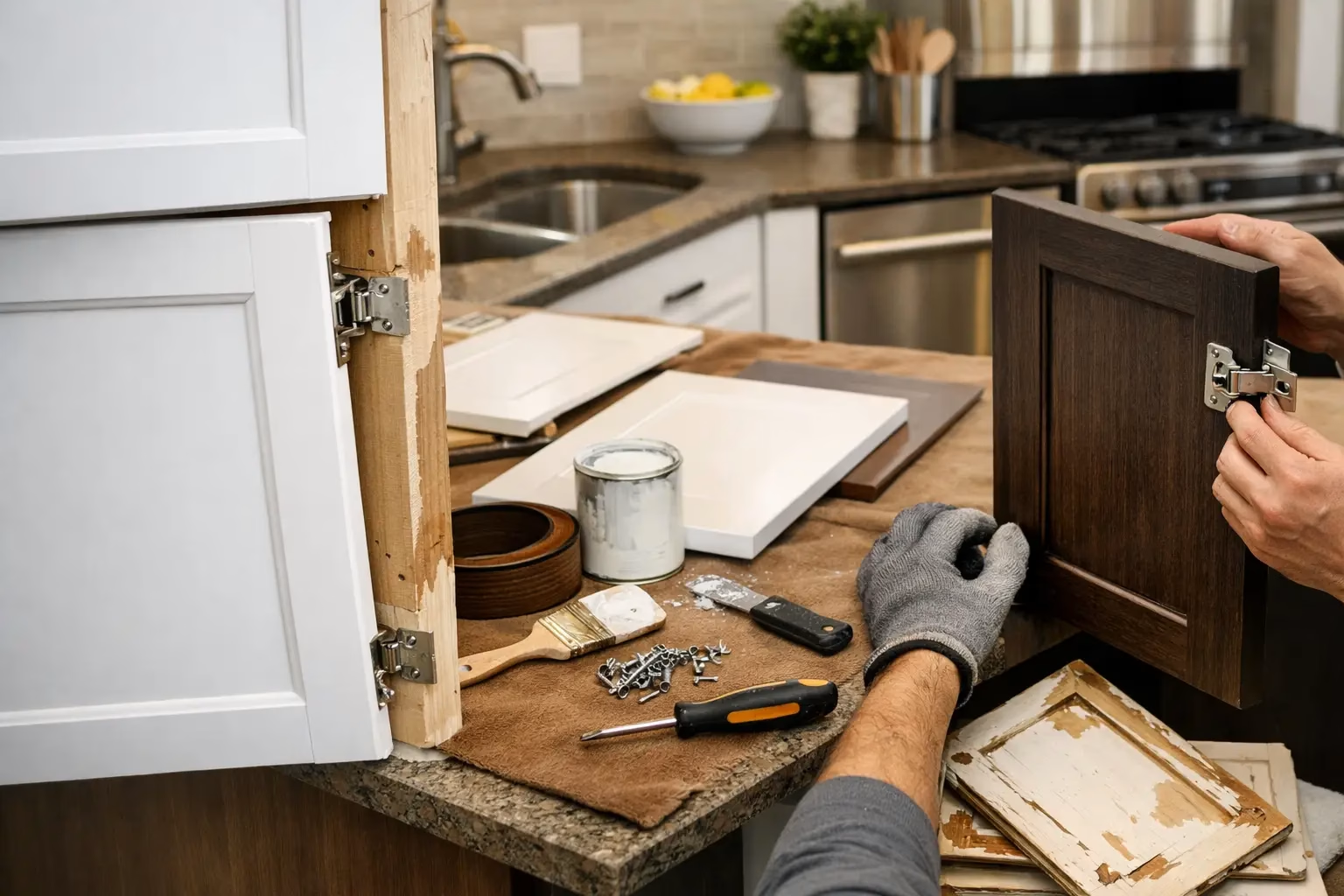
A refacing project can look like a simple door swap right up until one drawer front sits crooked, a hinge binds, or the new finish makes the old cabinet boxes look worse instead of better. That is why knowing the most common cabinet refacing mistakes to avoid before you order anything can save money, time, and a lot of frustration.
Cabinet refacing is one of the smartest ways to transform a kitchen, bath, office, or built-in without tearing out solid cabinet boxes. But the finished result depends on precision. When the measurements are right, the style is cohesive, and the install is planned carefully, refacing can look custom. When those details get rushed, the project starts to fight back.
Cabinet refacing mistakes to avoid before you order
The biggest problems usually start long before installation day. They happen during planning, measuring, and product selection, when it is easy to assume all cabinets are standard or that small details will work themselves out later.
Mistake 1: Measuring once and assuming the cabinets are square
Older homes rarely cooperate with assumptions. Openings can vary from one side to the other, face frames may not be perfectly consistent, and drawer fronts that look identical at a glance may be slightly different sizes. If you measure casually or rely on one quick pass, those small errors show up in a big way when custom parts arrive.
Measure every door and drawer opening carefully, and verify each dimension before ordering. It also helps to check for out-of-square conditions and make notes about anything unusual. A custom refacing project works best when the measurements reflect the real cabinet, not the cabinet you expected to find.
Mistake 2: Choosing door styles before thinking about the whole room
A new shaker door can look fantastic on its own, but that does not automatically mean it fits your flooring, countertop, backsplash, wall color, or trim. One of the most common design mistakes is picking a cabinet door style or color in isolation, then trying to force everything else around it.
Refacing works best when you treat it like a full visual update, even if you are not doing a full remodel. Think about how the panel profile, finish, and hardware will read across the entire space. A sleek modern slab may look clean and current, but in a traditional kitchen with ornate details, it can feel disconnected. On the other hand, a raised panel door can add richness, but in a smaller room it may feel heavy.
There is no single right choice here. It depends on the home, the lighting, and the look you want. The key is to make the decision in context.
Mistake 3: Ignoring overlay and hinge compatibility
This is one of those technical details that can quietly derail a project. Door size is only part of the equation. Overlay, hinge type, drilling requirements, and frame conditions all need to work together.
If you order doors without confirming how much overlay you need, or whether your existing hinge setup is compatible, installation can become much harder than expected. You may end up with uneven reveals, doors that hit each other, or hardware that does not sit properly.
Before ordering, confirm the cabinet construction, hinge style, and how the doors are meant to sit on the frame. Refacing can absolutely be DIY-friendly, but it rewards careful planning. Precision here makes alignment easier later.
Mistake 4: Refacing doors and forgetting the cabinet boxes matter too
New cabinet doors do a lot of visual work, but they cannot carry the whole project by themselves. If the cabinet boxes are scratched, yellowed, faded, or clearly dated, brand-new doors may only highlight the contrast.
That is one of the most overlooked cabinet refacing mistakes to avoid. A polished finished look usually comes from treating the doors, drawer fronts, and exposed cabinet surfaces as one coordinated system. If your box surfaces need matching panels, veneer, paint, or end treatments, plan that from the start.
This is especially important in kitchens with visible sides, islands, or exposed refrigerator panels. The goal is not just to replace parts. It is to create a cohesive result that looks intentional.
Mistakes that show up during installation
A lot of DIY homeowners do the hard part well, then lose ground during install because they rush the last 20 percent. Refacing is not only about ordering the right pieces. It is also about giving yourself a clean path to install them accurately.
Mistake 5: Skipping prep work because you want faster results
It is tempting to get the new doors in hand and start hanging them right away. But prep work is where many better-looking projects are won. Old hardware holes, damaged surfaces, grease buildup, uneven frames, and loose hinges should all be addressed before the new components go on.
Cabinets in kitchens especially collect years of residue that can interfere with adhesives, finishes, and overall fit. Cleaning, repairing, and leveling the surfaces first may add time up front, but it reduces the chance of rework.
Fast is good when the process is organized. Fast without prep usually becomes slow later.
Mistake 6: Reusing worn-out hardware that no longer performs well
There are times when existing hardware can stay, but not always. If hinges are loose, corroded, bent, or inconsistent, keeping them just to save a little money can undercut the entire project.
This is a place where appearance and function overlap. Even beautifully made custom doors will not feel high-end if they sag, swing unevenly, or refuse to stay aligned. The same goes for handles and pulls that are visibly dated or mismatched with the new style.
If your goal is a fresh, durable result, evaluate the hardware honestly. Sometimes reusing it makes sense. Sometimes it is the part holding the whole project back.
Mistake 7: Not checking door and drawer clearances
Cabinets do not operate in a vacuum. Doors open near walls, appliances, crown molding, neighboring doors, and projecting handles. Deep drawer fronts may also interact differently with nearby trim or hardware than the old ones did.
It is easy to focus on width and height and forget movement. But clearances matter. A refacing plan should account for how each door opens and how each drawer slides once everything is installed. This becomes even more important in corner cabinets, islands, and tighter layouts.
When homeowners run into trouble here, it is often because they planned for the cabinet face but not for the cabinet in use.
Material and finish choices that can create regret
Some mistakes are not technical. They come from choosing products based only on a trend, a photo, or a short-term budget decision.
Mistake 8: Picking the cheapest option instead of the best value
Budget matters. That is one reason refacing is so appealing compared with full cabinet replacement. But there is a difference between controlling cost and choosing parts that may not hold up the way you expect.
Low-quality materials can chip more easily, finishes may wear unevenly, and the final fit may not deliver the tailored look people want from custom refacing. In a high-use kitchen, those weaknesses show up quickly.
The better question is not just, “What costs less today?” It is, “What will still look good and function well a few years from now?” For most homeowners, value comes from accurate sizing, dependable construction, and finishes that support everyday use.
Mistake 9: Choosing a trendy color without considering staying power
Color can completely transform cabinetry, and sometimes a bold choice is exactly right. But trend-driven colors deserve a little extra thought, especially in larger kitchens or spaces you are not planning to update again anytime soon.
A finish that looks exciting on social media may feel harder to live with every day. Lighting also changes everything. A color that appears warm and soft online may read flat, cool, or overly bright in your room.
Samples, existing materials, and natural light should guide the decision. If you love a stronger color, that can work beautifully. Just make sure it fits your space and not only the current trend cycle.
How to avoid cabinet refacing mistakes and get a better result
The strongest refacing projects usually follow a simple pattern. The homeowner measures carefully, checks the construction details, plans the finish across the full cabinet system, and leaves enough time for prep and installation. That sounds basic, but it is exactly what creates a cleaner, more professional look.
If you are ordering custom components, use every support tool available to verify dimensions and design choices before production begins. That is especially helpful in homes with non-standard cabinets or rooms where every fraction matters. A company built around custom sizing and DIY support, like The Door Maker, can make the process much more manageable when accuracy matters and stock options fall short.
Refacing is not about cutting corners. It is about investing in the parts people actually see and use every day, while keeping the cabinet structure that still has life left in it. Done right, it delivers a major visual upgrade without the cost and waste of a full tear-out.
Take your time on the front end. The best-looking cabinet transformations usually come from a steady hand, a careful tape measure, and a plan that respects the details.