A cabinet refacing project can look expensive for all the wrong reasons if the doors are off by even a fraction. Gaps look uneven, drawer fronts sit awkwardly, and suddenly the clean finish you had in mind feels more homemade than high-end. That is why custom cabinet door sizing matters so much. The right size does more than help a door fit – it makes the whole room look intentional.
For many homeowners, sizing is also the point where a project starts to feel intimidating. You may be comfortable choosing a shaker profile, comparing colors, or planning out the room, but measurements feel less forgiving. The good news is that cabinet door sizing is not complicated once you understand what you are actually measuring and why.
Why custom cabinet door sizing matters
Stock sizes work well only when your cabinets happen to match the assumptions those products were built around. Older homes, builder-grade kitchens, office built-ins, bathroom vanities, and laundry room cabinets often do not. Openings can vary, hinges may sit differently, and one section of cabinetry may need a different overlay than another.
Custom cabinet door sizing gives you control where stock options fall short. Instead of forcing your project to fit a preselected size, you size the door to your actual cabinet. That usually means a better reveal, more consistent spacing, and a finished look that feels tailored to the room rather than adapted to it.
There is also a practical side to it. When the sizing is right, doors open cleanly, drawer fronts line up better, and installation tends to go more smoothly. You spend less time adjusting and less money correcting avoidable mistakes.
Start with the cabinet opening, not the old door
One of the most common mistakes in custom cabinet door sizing is using the existing door as the only reference point. That can work if the old door was sized correctly and the cabinet has not shifted over time, but that is not always the case. In older kitchens especially, the original doors may reflect past shortcuts, hinge changes, or years of wear.
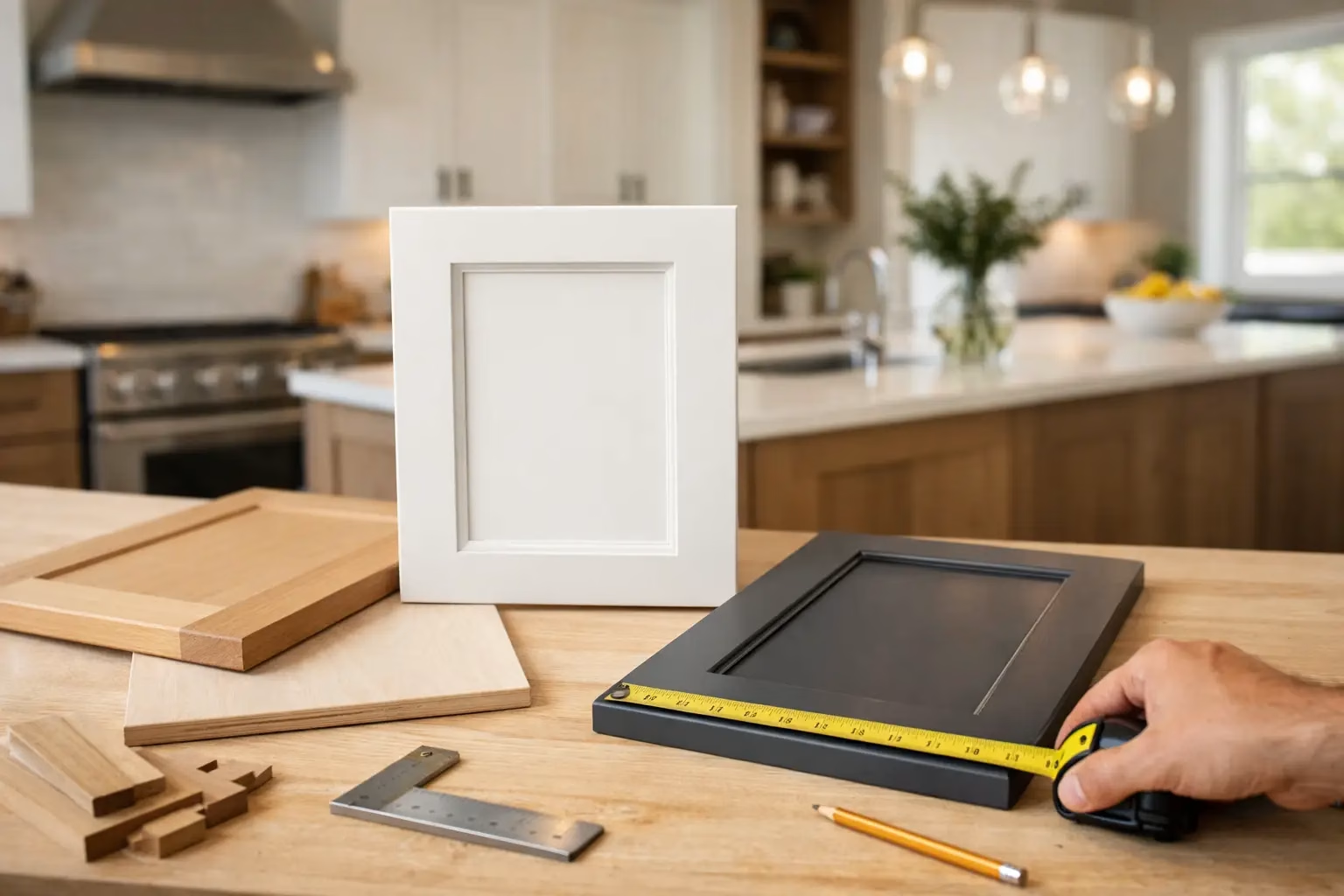
The more reliable approach is to measure the cabinet opening itself. Measure the width and height of the opening carefully, and confirm those numbers rather than relying on a quick single pass with the tape measure. If the opening is slightly out of square, use the smallest working measurement and size from there.
That does not mean the old door is useless. It can still help you understand the style of overlay you had before, whether the proportions looked right, and how much clearance you may need. But the opening should be your starting point.
Overlay is what changes everything
If cabinet door sizing seems confusing, overlay is usually the reason. Overlay is the amount the door extends beyond the cabinet opening. Once you know your desired overlay, the sizing math becomes much more straightforward.
For example, if your cabinet opening is 12 inches wide and you want a 1/2-inch overlay on both sides, your finished door width would be 13 inches. The same logic applies to height. Add the overlay to the opening measurement based on how much coverage you want at the top and bottom.
This is also where it depends on your cabinet layout. A single door on an exposed cabinet end may not be treated the same way as a pair of doors sharing a center opening. Drawer fronts can have their own spacing needs too. In some projects, you want maximum coverage. In others, you need to preserve clearance around adjacent doors, trim, walls, or appliances.
Full overlay, partial overlay, and what to expect
Homeowners often use these terms casually, but they matter when ordering. A partial overlay door leaves more of the cabinet frame visible. A full overlay door covers more of the frame for a cleaner, more updated look. Neither is automatically better. It depends on the cabinet construction, the hinge choice, and the style you want.
Full overlay is popular in refacing because it creates a more contemporary appearance and helps older cabinets feel rebuilt rather than refreshed. But it also requires more attention to spacing. If two doors meet in the middle, or if a door swings near a wall, refrigerator, or decorative molding, those relationships need to be considered before final sizing.
Partial overlay offers a little more forgiveness, especially on cabinets with face frames and tighter clearances. If your project includes unusual corners or existing conditions you do not want to change, partial overlay may be the cleaner solution.
Custom cabinet door sizing for face frame cabinets
Most DIY refacing projects involve face frame cabinets, and that frame affects how you measure. With a face frame cabinet, the door usually overlays part of the frame rather than matching the opening exactly. The amount of visible frame you want after installation helps determine the final size.
Many homeowners aim for a consistent reveal around each door. That reveal is the visible portion of the frame left exposed after the door is installed. A balanced reveal is one of the details that separates a polished result from a project that almost looks right.
When measuring face frame cabinets, pay attention to neighboring doors and drawers. If one cabinet in a run is sized differently or installed out of alignment years ago, copying that mistake across the project will only make it more noticeable. The goal is not just for each piece to fit. The goal is for the whole wall of cabinetry to read as clean and intentional.
Measuring pairs of doors and drawer fronts
Double-door openings need a little extra care. You are not just sizing two doors to cover one opening. You are also creating the gap between the doors. That gap needs to be consistent, functional, and visually balanced.
If you divide the total width evenly but forget to account for the center clearance, the doors may bind or look crowded. The same principle applies to drawer fronts stacked above doors. The vertical spacing between pieces should feel even from top to bottom.
This is where custom sizing really earns its value. Instead of accepting stock widths that force awkward reveals or uneven gaps, you can order each piece to suit the actual cabinet layout. That matters even more in older homes where openings are rarely as uniform as they appear at first glance.
Common sizing mistakes to avoid
Most sizing problems do not come from complicated math. They come from assumptions. Measuring only once, copying the old doors without checking the opening, and forgetting to account for overlay are the big ones.
Another common issue is ignoring hardware and surrounding obstacles. A beautifully sized door can still be a problem if the knob hits a wall, the hinge side lacks clearance, or an adjacent appliance blocks the swing. Decorative elements like valances, moldings, and fluted accents can affect your sizing choices too, especially if you are updating more than just the doors.
It is also worth slowing down when cabinets seem repetitive. Ten doors that look identical may not actually be identical. Small variations matter in a custom project because custom manufacturing will follow the dimensions you provide.
When custom sizing beats stock every time
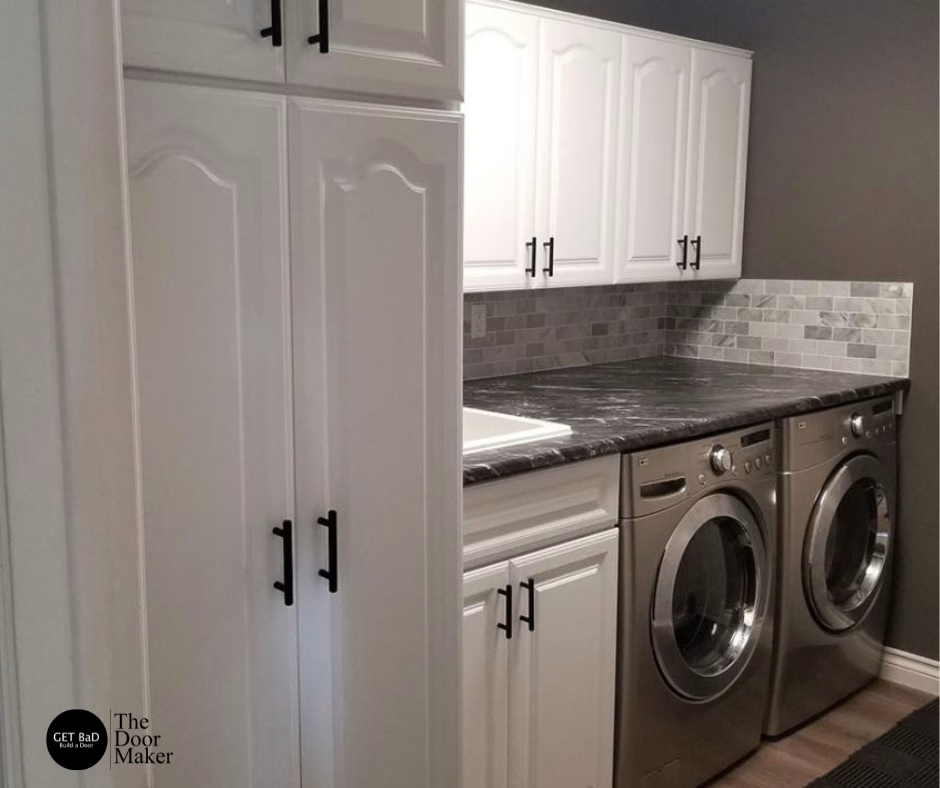
If your home has non-standard cabinets, custom sizing is the practical choice, not a luxury. That includes older homes, semi-custom installations, built-ins, laundry rooms, office cabinetry, and spaces where previous renovations changed the original layout.
Custom sizing is also the better route when you care about the final look. Refacing is often chosen because homeowners want a major visual upgrade without tearing out solid cabinet boxes. That only works if the doors fit like they were made for the cabinets, because they were.
For DIY homeowners, this can be the sweet spot between cost and finish quality. You keep the parts of the kitchen or bath that still work, and you transform the appearance with doors and drawer fronts sized to your exact project. That is a smarter investment than replacing everything just to solve a sizing issue.
Getting the best result from your measurements
Take your time, write everything down clearly, and check each opening before you move forward. If a cabinet run includes fillers, decorative ends, or trim upgrades, think about those parts early instead of treating them as afterthoughts. Good sizing decisions happen when the whole project is considered together.
A quality manufacturer should make this process easier, not harder. Tools that let you build your door, choose your style, and order to exact dimensions are especially helpful for homeowners who want control without guesswork. That is one reason many DIY renovators turn to The Door Maker when they want custom sizing backed by craftsmanship and clear support.
If you are planning a refacing project, treat measurements like the foundation of the finished look. The style gets the attention, but the sizing is what makes it believable. Get that part right, and your cabinets will not just look newer – they will look like they were built that way from the start.