If your laundry room cabinets still work but make the whole space feel dated, you do not need to tear everything out to get a better result. Knowing how to update laundry room cabinets the right way can save money, avoid unnecessary demolition, and give you a finished look that feels far more custom than a quick cosmetic patch.
Laundry rooms are easy to overlook because they are utility spaces first. But they also get hard daily use. Doors get bumped by baskets, finishes take abuse from moisture and detergent spills, and older cabinet styles can make the room feel darker and more cramped than it is. That is why the best cabinet updates are not just about color. They improve function, durability, and the overall feel of the room.
Start by deciding what actually needs updating
Before you buy paint or start removing hardware, take a close look at what you already have. Cabinet boxes, doors, drawer fronts, hinges, and trim can all age differently. Sometimes the cabinet boxes are still solid and square, while the doors are the real problem. Other times the doors are usable, but the finish is worn and the layout feels awkward.
This step matters because the right update depends on the cabinet condition. If the boxes are sturdy and properly installed, refacing or replacing the doors is often the smartest move. If the doors are warped, chipped, or have an outdated profile, painting them may only improve things so much. A cleaner transformation often comes from keeping the existing cabinet structure and updating the visible pieces with better-fitting custom components.
That is the trade-off many homeowners miss. Painting is usually the lowest upfront cost, but it is not always the best long-term value if you are trying to modernize the room and fix years of wear at the same time.
How to update laundry room cabinets without replacing everything
Most laundry room cabinet projects fall into one of three paths. You can repaint what you have, reface the cabinets with new doors and drawer fronts, or do a mix of both. The best choice depends on your budget, timeline, and how much change you want.
If your current doors have a good shape and smooth surface, paint can work well. A fresh white, soft gray, muted green, or warm greige can immediately brighten the room. New hardware helps too, especially if the old knobs or pulls are dated, mismatched, or loose.
If your cabinet boxes are solid but the doors look tired, replacing the doors and drawer fronts usually creates a bigger visual upgrade. This is where many DIY renovators get the best value. You keep the existing cabinet framework, but the room gets a cleaner and more intentional style. A simple shaker profile, for example, can make an older laundry room feel current without making it look trendy in a way that will age quickly.
A hybrid approach is often the sweet spot. Paint or veneer the cabinet frames, then install new custom doors, drawer fronts, and hardware. That gives you the look of a much larger remodel while keeping the project manageable.
Paint can work, but prep is what decides the result
If you choose to paint, the prep work is the whole project. Laundry room cabinets tend to collect more residue than people expect. Fabric softener, detergent dust, and humidity can all interfere with adhesion. If you paint over that buildup, the finish may chip or peel faster than it should.
Start by removing doors, drawer fronts, and hardware. Clean every surface thoroughly with a degreasing cleaner that is safe for cabinets. Sand enough to dull the existing finish, repair any dents or cracks, and use a quality bonding primer if the material calls for it. Then apply a cabinet-grade paint designed for durability, not just wall coverage.
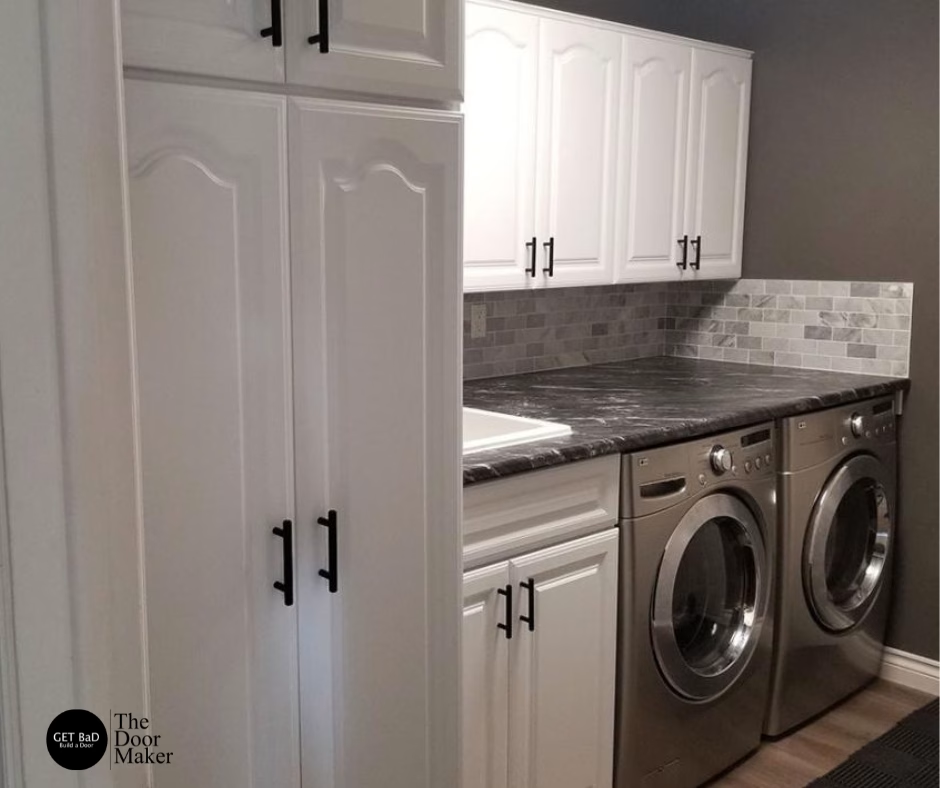
There is also a realism check here. Painted old doors will still look like old doors if the style is the main issue. Fresh color helps, but it will not change an arched raised panel into a more modern flat or shaker design. If style is what bothers you most, new doors may be the better investment.
Replacing the doors gives the biggest visual change
When homeowners ask how to update laundry room cabinets in a way that looks custom, door replacement is usually the answer. It changes the part of the cabinetry you see first, and it avoids the cost and mess of full cabinet replacement.
This approach works especially well in laundry rooms because the footprint is often small. You can make a dramatic difference with a relatively modest number of doors and drawer fronts. The result feels intentional rather than temporary.
Custom sizing is important here. Laundry rooms often include older cabinets, stacked storage, utility sink bases, or non-standard widths. Stock replacement doors can be hit or miss. When doors are sized correctly and matched to the style you want, the finished project looks cleaner, operates better, and feels worth the effort.
That precision is where a made-to-order approach stands out. A company like The Door Maker helps DIY homeowners update cabinet exteriors without settling for whatever happens to be available off the shelf. When you can measure, choose a style, and order the exact size you need, you get a result that looks built for the space instead of adapted to it.
Hardware, hinges, and small details matter more than you think
Cabinet updates often succeed or fail on the details. New doors with old crooked hinges or undersized hardware can make the project feel unfinished. If you are already updating the cabinets, this is the time to correct those issues.
New pulls or knobs can shift the style of the room fast. Matte black feels crisp and modern. Brushed nickel is versatile and forgiving. Brass can add warmth if the rest of the room is simple and restrained. There is no single right answer, but it helps to match the hardware to the overall tone of the home rather than treating the laundry room like a separate design experiment.
Soft-close hinges are another upgrade worth considering. In a hardworking room, they add a more finished feel and reduce wear over time. If your current hinges are visible and dated, switching to concealed hinges can also sharpen the overall look.
Then there is trim. Crown molding, light valances, or simple finished panels at cabinet ends can elevate basic cabinetry without overwhelming a small room. This is one of those updates that depends on your space. In a compact laundry closet, extra trim may feel fussy. In a larger laundry room with upper cabinets and open wall area, it can create a more built-in appearance.
Choose finishes that hold up in a working room
Laundry rooms are practical spaces, and the finish choices should respect that. Bright white cabinets can look clean and fresh, but they may show drips and scuffs more quickly. Mid-tone neutrals tend to be more forgiving. Wood-look finishes or durable thermofoil-style surfaces can also make sense if you want easy maintenance.
Think about the whole room while you choose cabinet updates. If the flooring is busy, simpler cabinet colors usually work better. If the walls are plain and the room lacks natural light, a lighter cabinet finish can help open it up. If your washer and dryer are in a tight alcove, slab or shaker doors often keep the room looking less crowded than ornate profiles.
This is also where budget and longevity meet. The least expensive finish is not always the most economical if it requires touch-ups in a year. A well-made door with a durable surface can save frustration later, especially in a room that sees regular traffic.
Measure carefully before you order anything
One of the biggest mistakes in cabinet updating is guessing. Even a small laundry room can include multiple door sizes, different hinge overlays, and filler areas that affect the final fit. Accurate measuring is what separates a smooth refacing project from an expensive headache.
Measure each opening and each existing door individually. Do not assume matching cabinets are identical. Older homes and previous remodels often leave small variations. Label everything clearly before removing parts, and take photos so reinstallation is easier.
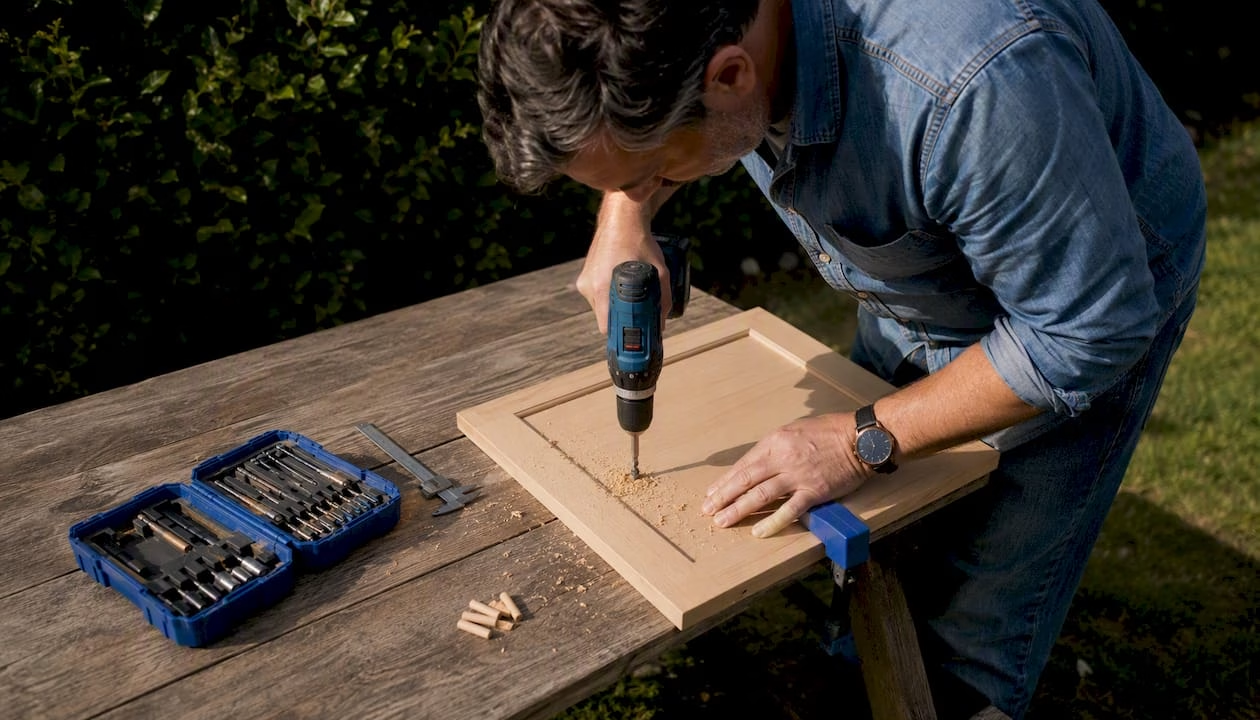
If you are replacing doors only, make sure you understand whether you need standard overlay, full overlay, or inset dimensions. Hinge boring and drill placement matter too. This is one of those moments where careful planning saves real time.
A smarter update is usually the one with the best finish-to-cost ratio
Full cabinet replacement makes sense in some situations, especially if the boxes are damaged, poorly placed, or too shallow to be useful. But in many laundry rooms, the smarter move is to improve what is already there. Keeping sound cabinet boxes and updating the exterior lets you focus your budget where it shows most.
That is what makes cabinet refacing and door replacement so appealing for DIY homeowners. You get a visible transformation, more style control, and custom-fit results without paying for a full tear-out. It is a practical renovation decision, not a compromise.
If you want your laundry room to feel cleaner, brighter, and more finished, start with the cabinets you already have and look at them with fresh eyes. The best update is not always the biggest one. It is the one that gives you a room you enjoy using every week.