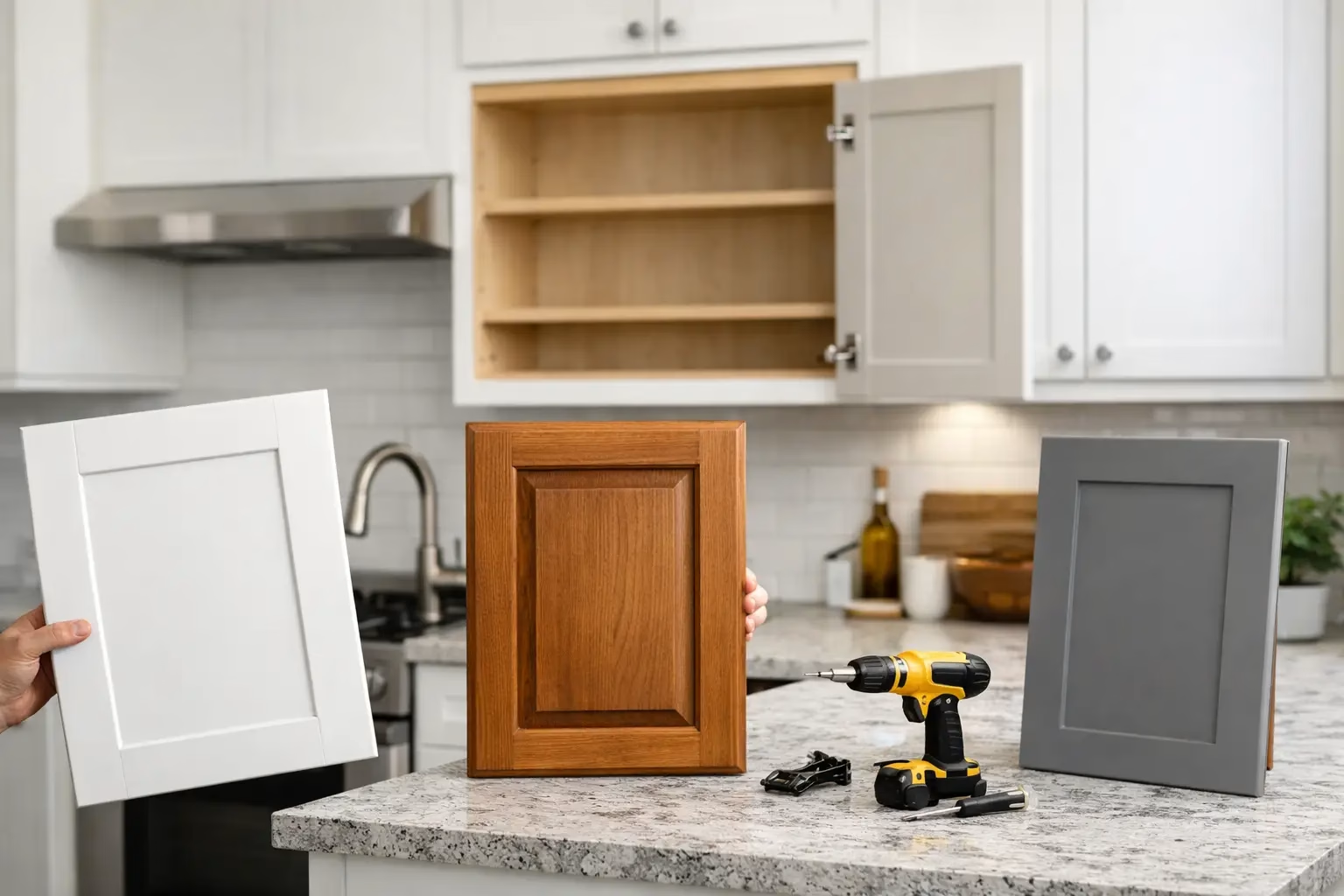
If your cabinet boxes are still solid but the doors look dated, worn, or completely out of step with the room, you do not need to start over. The real question is what cabinet doors fit existing boxes, because the answer determines whether your refacing project looks custom or looks close enough. In most cases, the best-fitting door is the one built to your cabinet opening, hinge style, and overlay requirements – not the one that happens to be sitting on a shelf.
That is where many DIY projects go sideways. Homeowners assume a cabinet door is just a cabinet door, order a standard size, and then find out the reveal is uneven, the drawers no longer line up visually, or the hinges do not work with the new profile. The good news is that existing cabinet boxes can often be transformed beautifully. The catch is that fit depends on details.
What cabinet doors fit existing boxes best?
The short answer is custom-sized replacement doors. If you are keeping your cabinet boxes, the new doors need to match the dimensions and function of what those boxes require. That includes the cabinet opening size, whether the cabinets use face frames or are frameless, the amount of overlay, the hinge boring, and the clearance needed around neighboring doors and drawer fronts.
Stock doors can work in limited situations, especially in more standardized newer kitchens. But many homes – particularly older homes or rooms with builder-grade cabinets – have slight size variations that make off-the-shelf options frustrating. A difference of even 1/8 inch can affect alignment and spacing enough to make the finished job feel off.
Custom doors are usually the better path when you want clean reveals, consistent spacing, and a finished look that upgrades the whole room rather than simply replacing a few parts.
Start with the cabinet box, not the old door
A common mistake is measuring the old door and ordering the same size without checking whether that size is actually ideal. Old doors may have warped over time. In some cases, previous homeowners replaced doors incorrectly, so copying the old dimensions only repeats the problem.
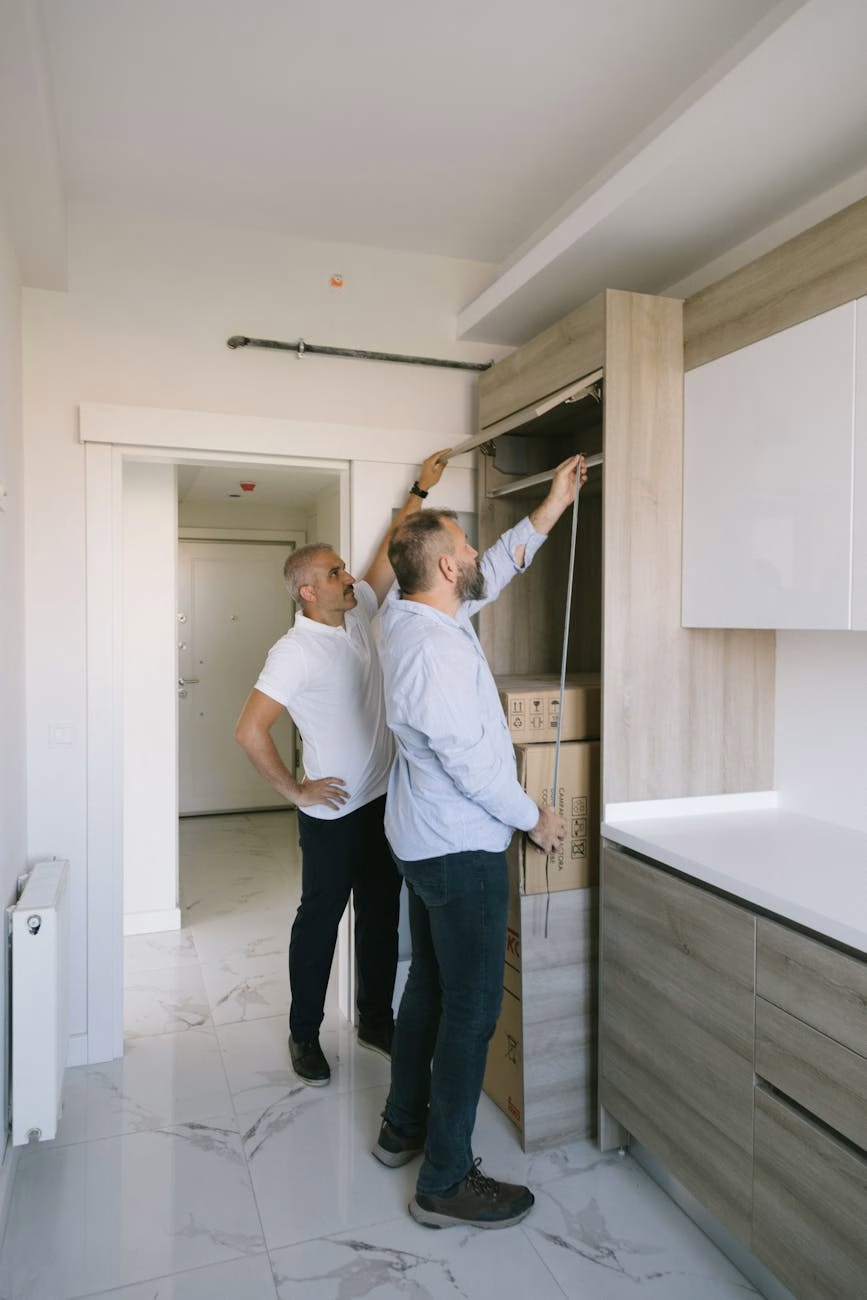
Instead, start with the cabinet box and opening. Measure the cabinet opening width and height carefully. Then identify whether your cabinets are face frame or frameless.
Face frame cabinets
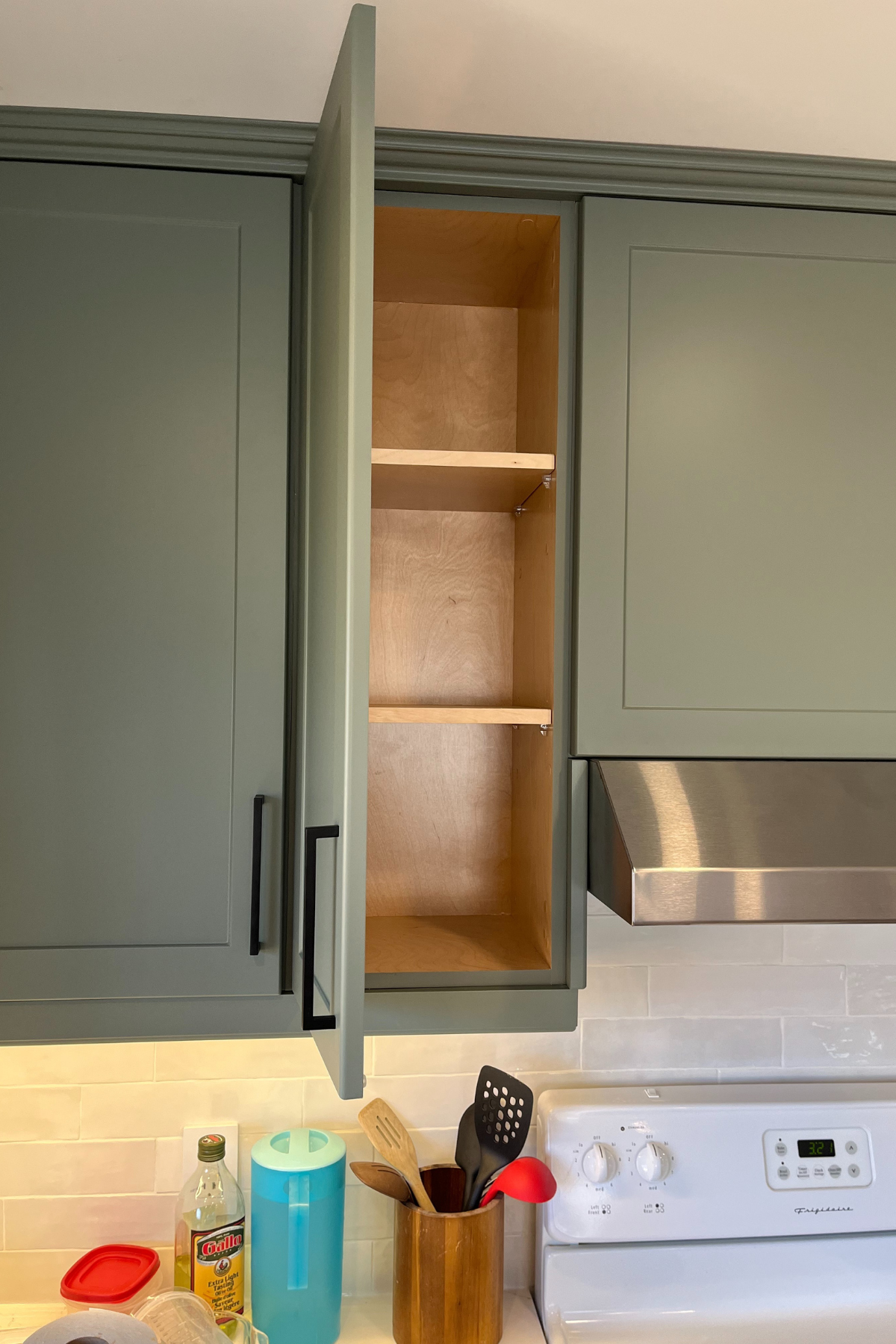
Face frame cabinets have a frame attached to the front of the box. This is very common in US homes. For these cabinets, the door usually overlays part of that frame. The amount of overlay matters because it affects both appearance and hinge compatibility.
A partial overlay door leaves more of the frame visible around the edges. A full overlay door covers more of the frame for a more updated look. Both can fit existing boxes, but only if the sizing and hinges are planned correctly.
Frameless cabinets
Frameless cabinets do not have a front face frame. The doors attach directly to the cabinet box sides. These cabinets rely heavily on precise sizing because the reveals are typically tighter and more uniform. With frameless construction, accurate measurements are even more important.
Overlay determines fit more than most people expect
When people ask what cabinet doors fit existing boxes, they are usually asking about size. But overlay is just as important. Overlay is the amount the door extends past the opening.
If you want to keep the same hinge position and the same overall cabinet look, you may need to match the existing overlay. If you want a more modern appearance, you may choose a larger overlay – but that can mean changing hinge style, adjusting spacing, or both.
This is where refacing becomes a design decision, not just a replacement task. A larger overlay can make older cabinets look cleaner and more current. At the same time, larger overlays reduce visible frame area, so they require enough clearance between adjacent doors, drawer fronts, and cabinet ends.
It depends on the cabinet layout. A single door on a base cabinet is simpler. Double doors, corner cabinets, and drawer stacks need more coordination.
Hinge style can make or break the project
Your new doors do not just need to fit the box. They need to work with the hardware.
If you are reusing hinges, the door style and hinge boring must match what those hinges require. If you are replacing hinges, you have more flexibility, but you still need doors prepped correctly for that hardware. Concealed hinges, for example, often require a specific bore pattern and cup hole placement.
Some decorative door profiles also need extra thought. A thicker frame detail or certain edge profile can interfere with hinge operation if the wrong hardware is used. That does not mean you cannot choose the style you want. It means the door and hinge plan should be made together.
For DIY homeowners, this is one of the biggest advantages of ordering made-to-order replacement doors instead of trying to modify stock products. Precision on the front end saves a lot of trial and error later.
Can standard-size cabinet doors fit existing boxes?
Sometimes, yes. Often, not well enough.
If your cabinets were built to common dimensions and your overlay needs are basic, standard doors may appear to fit. But appearance from a product page and fit in your kitchen are different things. Small gaps, inconsistent spacing, and awkward hinge alignment tend to show up once everything is installed.
There is also the issue of design continuity. Even when standard sizes physically fit, they may not line up evenly across a full run of cabinets. That matters more than many people realize. Your eye notices when top doors do not share the same reveals or when drawer fronts are slightly mismatched.
For homeowners investing time in painting boxes, updating hardware, and refacing end panels, using near-fit doors can undercut the result.
Door style matters, but fit comes first
It is easy to fall in love with a Shaker door, a raised panel, or a sleek slab front before you confirm measurements. Style matters, of course. It is what changes the personality of the room. But fit has to come first.
A simple Shaker door that is built accurately will almost always look better than a more decorative profile that crowds the openings or sits unevenly. Once sizing, overlay, and hinge details are correct, then you can choose the look that fits your home.
That is also where custom ordering has a real advantage. You are not forced to choose between the style you want and the size you need.
When custom doors are the right call
Custom doors are usually the right choice if your home has older cabinetry, non-standard measurements, uneven spacing, or if you are changing the look from partial overlay to a more updated full overlay design. They are also the better option when you want matching drawer fronts, specialty pieces, or a finish and profile that stock stores do not carry consistently.
For many DIY renovators, the value is not just in getting a perfect fit. It is in avoiding waste. If the boxes are in good shape, replacing only the doors and drawer fronts gives you a major visual transformation without the cost, mess, and disruption of a full cabinet tear-out.
That is why cabinet refacing continues to make sense for kitchens, bathrooms, laundry rooms, offices, and built-ins. You keep the structure that works and upgrade the part everyone sees.
How to know your boxes are worth keeping
Not every cabinet box should be saved. If the boxes have serious water damage, failing joints, sagging shelves, or layout problems that no longer work for the space, new doors will not fix that.
But if the boxes are square, stable, and securely installed, new doors can completely change the look. Even cabinets that seem outdated because of oak grain, old thermofoil doors, or worn finishes can become fresh and current with the right door style and sizing.
This is the practical middle ground many homeowners want. You get a custom look without paying for full custom cabinetry.
Measuring carefully is what turns refacing into a success
The best replacement doors fit because the measuring was done correctly. That means checking opening width and height, confirming cabinet type, identifying overlay goals, reviewing hinge needs, and making sure neighboring components have the right clearance.
If that sounds technical, it is – but it is manageable. A good refacing project is built on a simple idea: precise measurements lead to precise doors. That is exactly why companies like TDM – The Door Maker focus so heavily on custom sizing and step-by-step ordering support. It gives homeowners a way to get a professional-looking result while still staying in control of the project.
If you are deciding what cabinet doors fit existing boxes, think beyond whether the door can be attached. The better question is whether it will fit the space cleanly, function correctly, and make the whole cabinet run look intentional. When the answer is yes, your old boxes can carry a brand-new room.