If your cabinet boxes are still solid, tearing out the whole setup is usually the most expensive way to fix a cosmetic problem. The best cabinet upgrades without replacing everything focus on what you actually see and use every day – the doors, drawer fronts, finish details, and hardware. That approach saves money, avoids unnecessary demolition, and gives you far more control over the final look.
For most homeowners, the smartest upgrade is not a full replacement. It is a better-looking, better-fitting cabinet exterior built on the structure you already have. That matters even more in older homes, home offices, laundry rooms, and built-ins where cabinet sizes are often non-standard and stock options rarely fit the way you want.
Why cabinet upgrades beat full replacement in many homes
A full cabinet replacement makes sense when boxes are damaged, badly laid out, or structurally failing. But if the cabinet frames are level, secure, and functional, replacing them can be overkill. You pay for demolition, disposal, installation, and often countertop or flooring adjustments that had nothing to do with the original problem.
Upgrades let you put your budget where it shows. New doors can change a dated oak kitchen into a clean shaker design. New drawer fronts can sharpen the entire room. Added trim can take plain cabinets closer to a built-in custom look. You still get a dramatic transformation, but you are not paying to rebuild boxes that were never the issue.
The best cabinet upgrades without replacing the boxes
1. Replace cabinet doors and drawer fronts
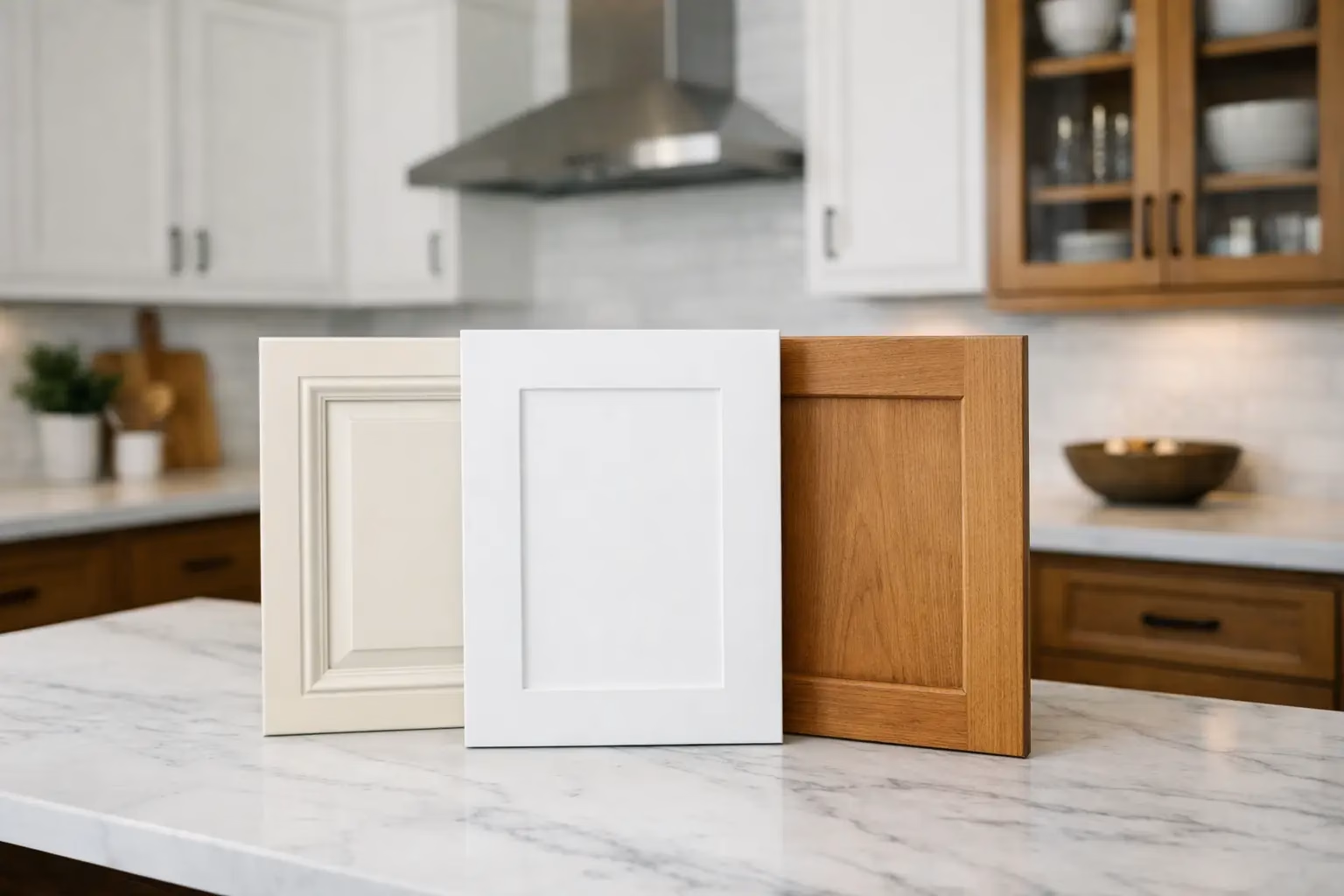
This is the upgrade that changes the room fastest. Cabinet doors take up most of the visual space, so swapping outdated styles for custom-made replacements has a bigger impact than almost anything else you can do.
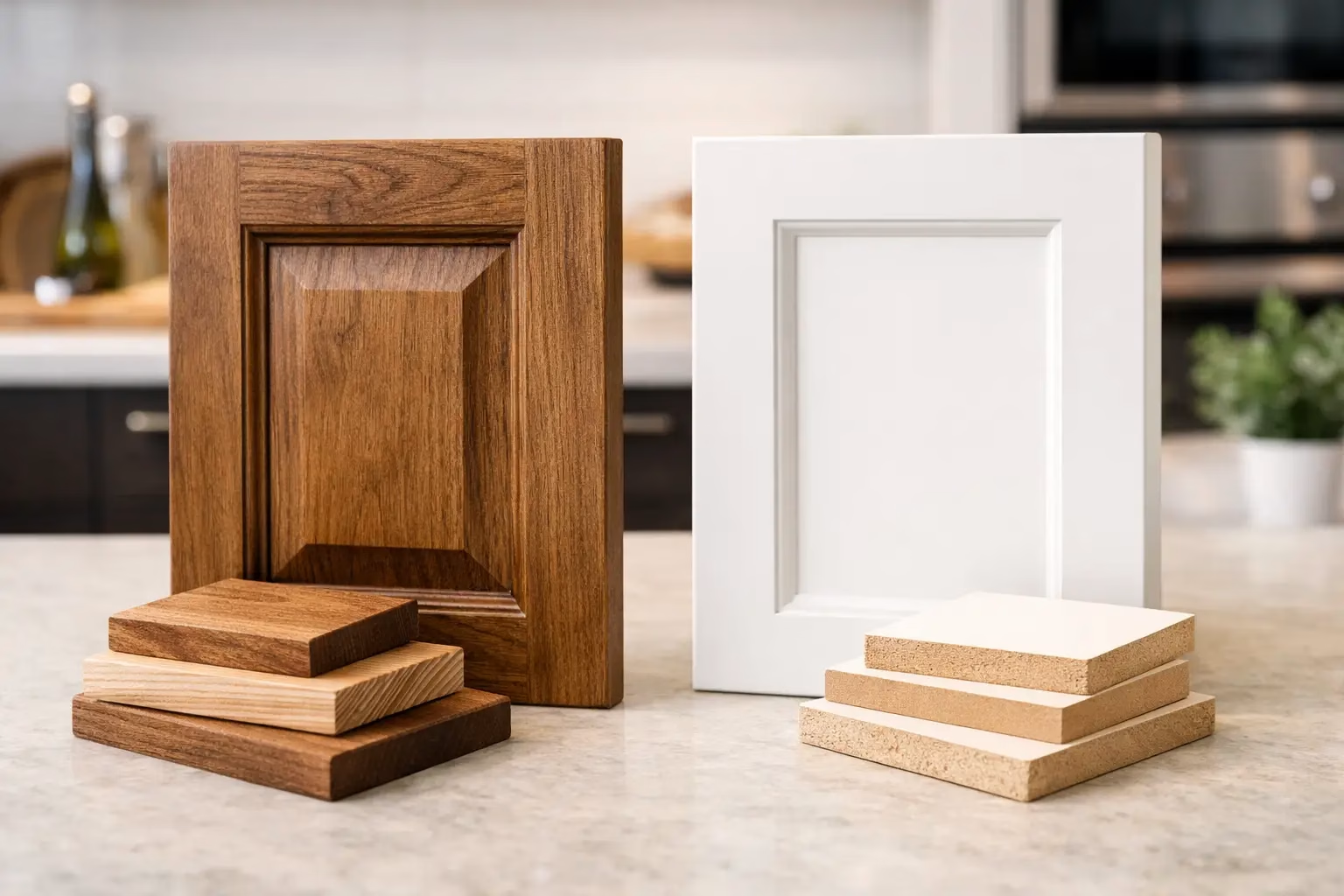
If your current doors are arched, heavily detailed, worn out, or simply stuck in another decade, replacing them with a cleaner profile instantly updates the cabinetry. Shaker doors remain a strong choice because they fit modern, transitional, farmhouse, and even more traditional spaces depending on finish and hardware. Slim-profile styles can make a small kitchen feel lighter. Raised panel doors can still work well in homes where you want a more classic look.
The biggest advantage of custom sizing is fit. Older homes and builder-grade cabinets are not always standard. When doors are made to your measurements, the finished result looks intentional instead of patched together.
2. Reface the exposed cabinet frames
New doors alone help, but they look best when the cabinet face frames match. Refacing covers the visible cabinet structure with a new veneer or matching surface so the entire exterior reads as one finished system.
This is where many DIY remodels either look polished or fall short. If you install beautiful new doors and leave scratched, faded, or orange-toned frames around them, the contrast is hard to ignore. Refacing brings everything into the same design language.
It does take patience. Good prep and careful application matter. But when done well, it creates a high-end result without replacing the cabinet boxes themselves.
3. Upgrade hardware with purpose
Hardware is a smaller investment, but it affects both style and daily use. Replacing old knobs and pulls is one of the easiest ways to sharpen the look of cabinets, especially after new doors or paint.
The key is choosing hardware that fits the scale of the door style and the room. Oversized bar pulls can look great on wide drawers, but they may feel too industrial in a more classic kitchen. Small round knobs may suit a traditional vanity, but they can underwhelm a larger pantry wall. Finish matters too. Matte black adds contrast. Brushed nickel stays versatile. Warm brass can bring depth to painted cabinets.
If your doors already have drilled holes, your hardware choice may be guided by existing spacing unless you plan to fill and redrill. That is a small detail, but it affects how simple the project really is.
4. Add soft-close hinges and drawer slides
Not every upgrade is visual. If your cabinets slam, stick, or feel rough in daily use, new motion hardware can make the entire room feel better built.
Soft-close hinges are especially worthwhile in busy kitchens and bathrooms. They reduce noise, cut down on wear, and give even an older cabinet setup a more current feel. Upgraded drawer slides are just as valuable if your drawers drag or wobble.
This is one of those improvements that homeowners appreciate more over time. It may not be the first thing guests notice, but you will notice it every day.
5. Paint or finish the cabinet exterior
A new finish can completely reset the mood of a room. White and off-white still brighten darker kitchens. Warm greige, mushroom, soft green, and deeper blue-gray tones have also become popular for homeowners who want something updated without chasing short-lived trends.
Paint works especially well when the door style is still appealing but the color is wrong. It is also a practical option for bathrooms, laundry rooms, and built-ins where a full door replacement may not be necessary.
That said, paint is not always the best answer. If doors are warped, damaged, low quality, or have an outdated profile, painting them can improve color but not design. In that case, replacing the fronts first usually gives you a stronger end result.
6. Add crown molding, light rail, or valances
Trim is one of the most overlooked cabinet upgrades. The right finishing details can make basic cabinetry look more custom and more integrated with the room.
Crown molding helps close the gap between upper cabinets and the ceiling or gives that area a more intentional finish. Light rail can conceal under-cabinet lighting and clean up the underside of uppers. Valances can soften window areas or sink spaces when used appropriately.
These details are especially effective in kitchens that feel builder-basic. You are not changing the footprint, but you are changing the visual quality.
7. Upgrade decorative components for built-in appeal
Some spaces need more than a door swap to feel complete. End panels, fluted columns, wine storage pieces, open frames, and glass-ready cabinet options can turn ordinary cabinetry into something with more architectural presence.
This works well in kitchen islands, entertainment walls, offices, and dining-area built-ins. A few well-placed decorative upgrades often do more than homeowners expect. Instead of looking like a row of boxes, the cabinetry starts to feel designed for the room.
The trade-off is restraint. Too many decorative elements can make a clean design feel busy. Usually, one or two well-chosen additions are enough.
8. Install glass-front doors selectively
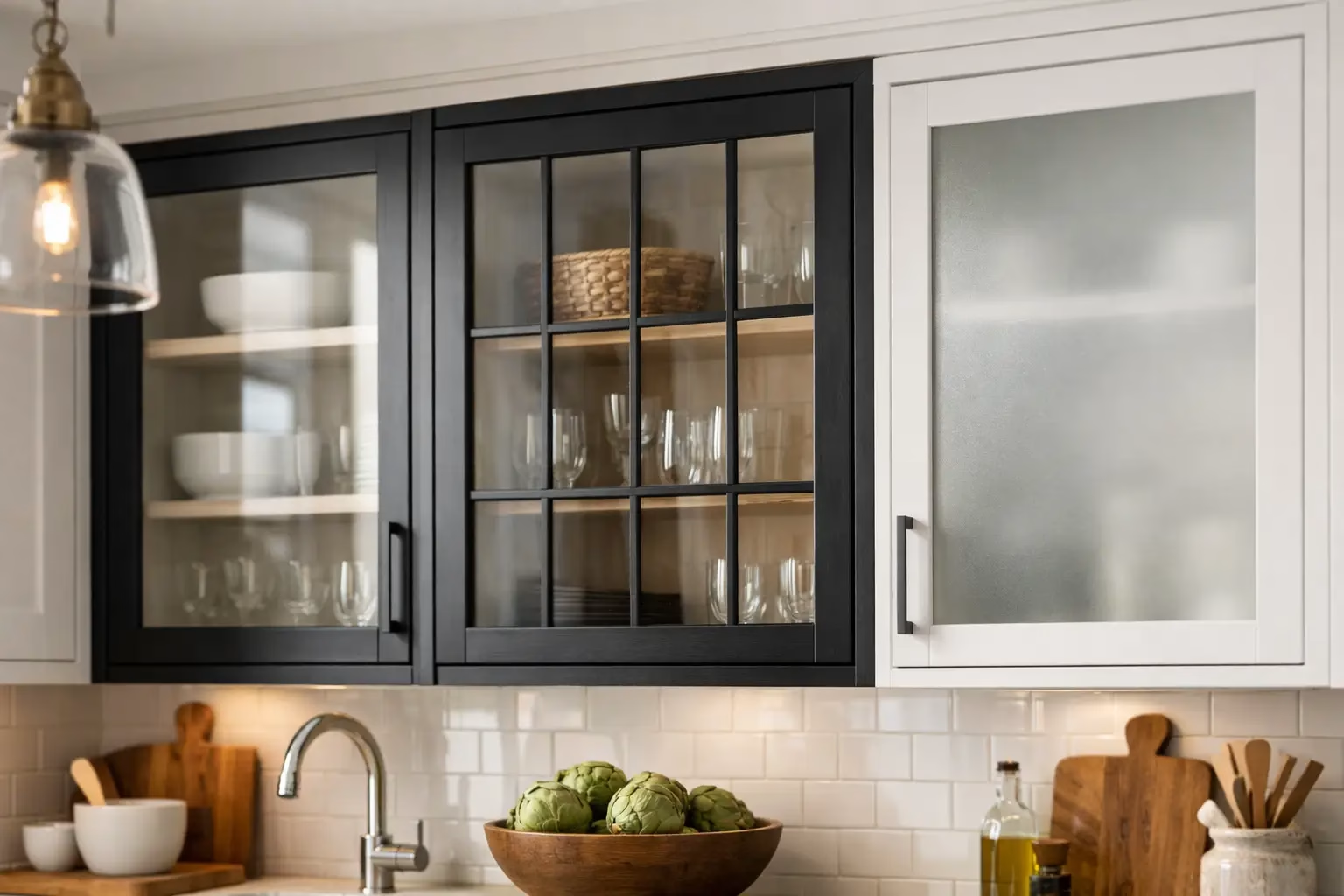
Glass-front cabinet doors can break up a heavy run of solid cabinetry and add dimension to the room. They work best when used in moderation – maybe on a pair of upper cabinets, a hutch section, or a built-in bar area.
This is not just a style decision. Glass fronts put contents on display, so they are best for cabinets that stay organized. If you need maximum concealment for everyday storage, solid doors may still be the better choice for most of the layout.
When used strategically, though, glass adds lightness and can make a smaller kitchen feel less closed in.
9. Improve function inside the cabinets
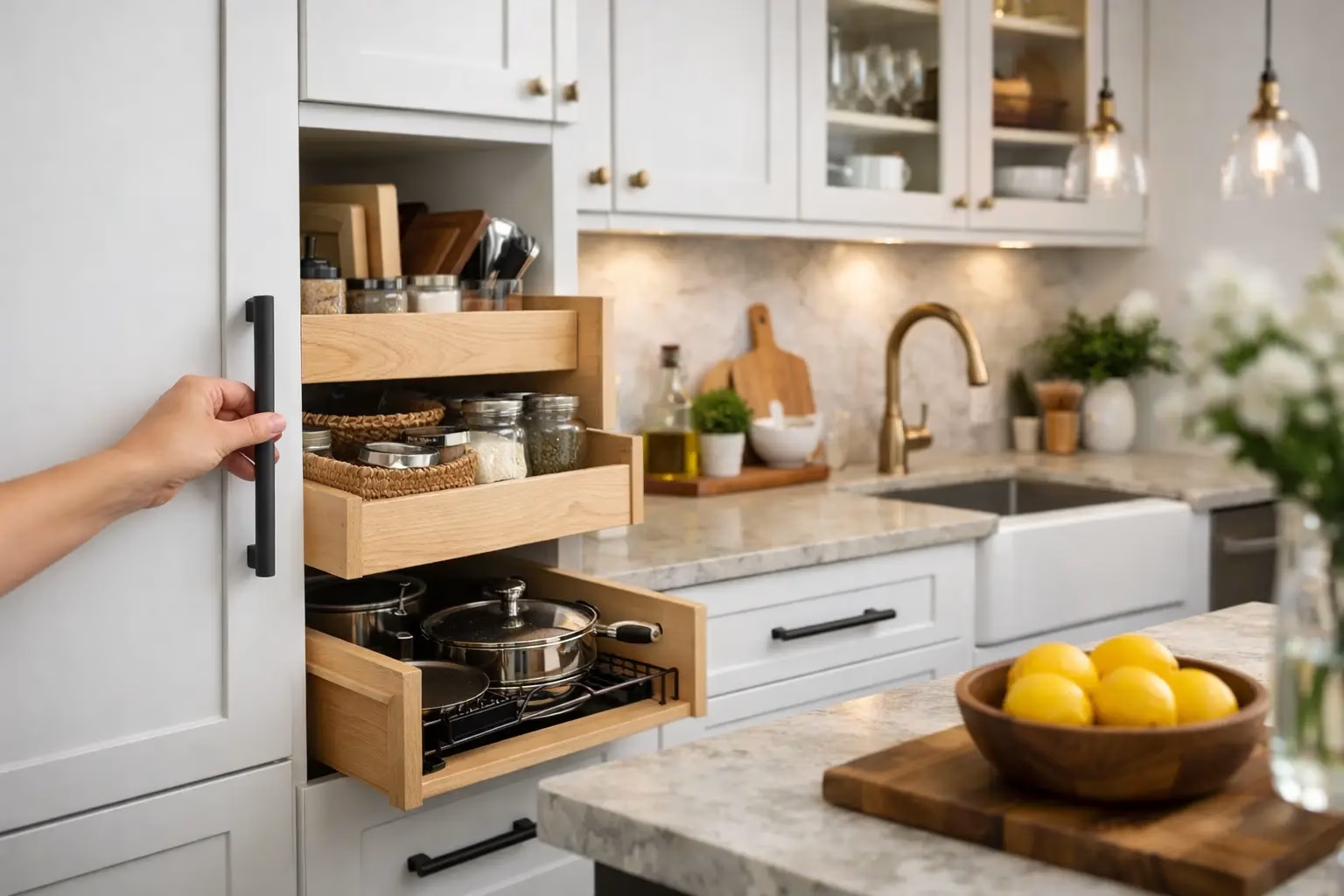
The outside gets the attention, but interior improvements can make old cabinets far more useful. Pull-out trays, trash rollouts, drawer organizers, and better shelving can solve daily frustrations without changing the cabinet footprint.
This upgrade matters most when the layout still works but storage feels inefficient. If you have to kneel down and dig through deep base cabinets every day, interior accessories may improve your kitchen more than another cosmetic change.
How to choose the right upgrade for your cabinets
The best answer depends on what is actually wrong. If the cabinets look dated but function fine, start with doors and drawer fronts. If they look good but feel annoying to use, focus on hinges, slides, and interior storage. If they still feel incomplete after a door upgrade, trim and decorative elements may be the missing piece.
Budget also matters. Hardware and paint are lower-cost entry points. Custom replacement doors cost more, but they usually deliver a bigger visual return. Refacing and trim work sit somewhere in the middle depending on scope and material choices.
It also helps to be honest about your DIY comfort level. Measuring and ordering custom doors is very manageable when you take your time, but precision matters. The same goes for hinge alignment, refacing, and trim installation. A careful DIY homeowner can absolutely get professional-looking results, but rushing measurements is where projects go sideways.
For homeowners who want a major transformation without replacing the boxes, custom refacing components often give the best balance of value, appearance, and control. That is why so many DIY renovators start with made-to-order doors and drawer fronts from a specialist like The Door Maker rather than settling for limited stock sizes.
A cabinet upgrade does not have to mean starting over. When the bones are good, the better move is often to rebuild the look – one precise, visible, high-impact change at a time.