For most cottage kitchens with sound cabinet boxes and a layout you already like, refacing delivers a genuine cottage look for a fraction of a full remodel’s cost. Refacing keeps your existing cabinet boxes and swaps the doors, drawer fronts, and exposed panels, which often saves up to about 50% versus full replacement. Tdm-thedoormaker builds those replacement doors to custom sizing, which makes it one of the more direct routes homeowners have for pulling this off themselves.
TL;DR:
- Refacing in cottage kitchens is most effective when existing cabinets are structurally sound, layout is unchanged, and there are no major age-related issues.
- Custom-style doors like Shaker, beadboard, inset, or louvered can recreate the cottage aesthetic with materials such as solid wood, painted MDF, or thermofoil, and color schemes in whites or muted greens.
- The refacing process involves inspection, precise measurements, ordering custom doors, minor repairs, installation, and finishing, typically taking a few days to a few weeks.
- Costs vary based on door material, style, and hardware, with savings of up to 50% compared to full replacement, especially when paired with minimal upgrades like new counters.
- DIY refacing is feasible for homeowners with basic carpentry skills, but professional installation is recommended when face frame repairs or tight timelines are involved.
Table of Contents
- What Cottage Kitchen Refacing Actually Involves
- Design Ideas That Nail the Cottage Look
- The Refacing Process, Timeline, and Who Should Do What
- Budgeting for a Cottage Kitchen Refacing Project
- Before-and-After Ideas Worth Copying
- Why I Recommend Refacing for Most Cottage Kitchens
- How Tdm-thedoormaker Makes Refacing a Direct Option
- Sources
- FAQ
What Cottage Kitchen Refacing Actually Involves
Refacing means your cabinet boxes stay put. The carpenter or DIYer replaces doors, drawer fronts, and any exposed end panels, then often adds new hinges and hardware to finish the look. That’s different from refinishing, which just strips and recoats the existing doors, and it’s a world apart from full replacement, which tears out the boxes entirely and rebuilds the kitchen from the studs out.
Refacing works best when three things line up. First, your cabinet boxes need to be structurally sound, no water damage, no sagging shelves, no crumbling particleboard at the corners. Second, you’re happy with the current layout; refacing doesn’t move plumbing or relocate an island. Third, you’re not dealing with major age-related issues like warped face frames.
Before committing, walk through this checklist:
- Open every door and drawer. Do the boxes feel solid, or do they flex?
- Are you keeping your sink, stove, and fridge in their current spots?
- Do you have any water damage under the sink or near the dishwasher?
- Is your current layout actually working for how you cook and gather?
If cabinet boxes are compromised or you need a layout change, refacing won’t fix that. But when boxes are fine, refacing causes far less disruption than a gut renovation. You’re not living without a kitchen for weeks. It’s contained, faster, and a lot less dusty.
Design Ideas That Nail the Cottage Look
Cottage style leans on texture, warmth, and a sense that the kitchen has history, even in a newly refaced space. Door style does most of the visual work here.
Shaker doors remain the backbone of cottage design because their flat panel and clean rail read as timeless without feeling stark. One Day Doors & Closets notes that Shaker styling has stayed popular for generations precisely because it doesn’t chase trends. Beadboard doors add the vertical grooved texture cottages are known for, and they photograph beautifully with open shelving. Inset doors sit flush with the frame rather than overlaying it, giving a more custom, built-in feel that older cottage kitchens often had originally. Louvered doors work well on pantry or laundry-adjacent cabinets, letting air circulate while adding a plantation-cottage touch.
Material choice matters just as much as style. Solid wood holds up longest and takes repainting well over decades, but it costs more and can expand or contract with humidity, a real concern in a cottage that isn’t climate-controlled year-round. Painted MDF gives you a smooth, chip-resistant surface at a lower price point, though water exposure at the sink base needs attention. Thermofoil resists moisture better than painted MDF but can peel near heat sources like a stove or oven.
For color, warm whites and muted sage or olive greens dominate current cottage palettes, often paired as two-tone schemes: lighter uppers, deeper-toned lowers. Natural wood tones on an island add contrast without breaking the palette. Brass or oil-rubbed bronze hardware finishes both looks well.
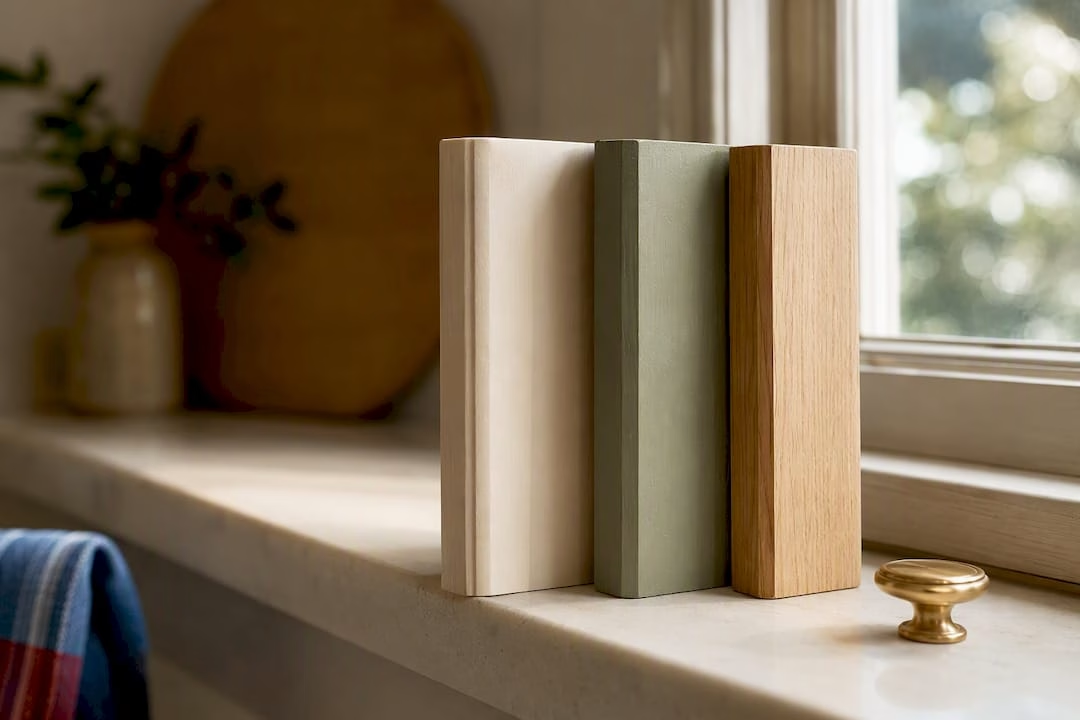
Pro Tip: Order a sample door before finalizing your color and finish. Seeing the actual material under your kitchen’s light, not a screen or a showroom, prevents the most common regret homeowners report after a refacing project.
Butcher block counters and a farmhouse-style apron sink pair naturally with refaced Shaker or beadboard doors, while a subway tile or beadboard backsplash keeps material costs down without looking cheap.
The Refacing Process, Timeline, and Who Should Do What
A refacing project moves through a fairly predictable sequence, and knowing the order helps you plan around it.
- Inspection. Check box condition, hinge compatibility, and whether any face frames need repair.
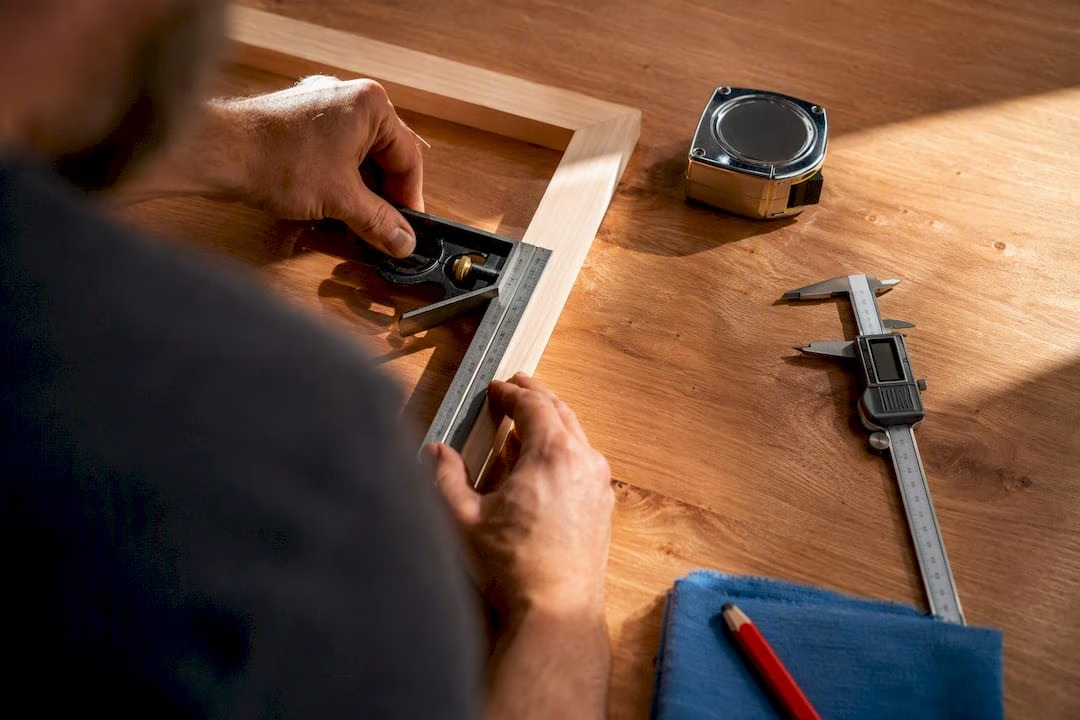
- Measurement. Every door and drawer front gets measured, often to fractions of an inch for a proper fit.
- Ordering. Doors, drawer fronts, and hardware get placed with your supplier, with lead times depending on customization.
- Prep and repairs. Minor carpentry, filling old hinge holes, squaring uneven face frames, happens here. Cottage kitchens with settled floors or walls often need small trim adjustments before anything goes on, so budget for that rather than assuming your boxes are plug-and-play.
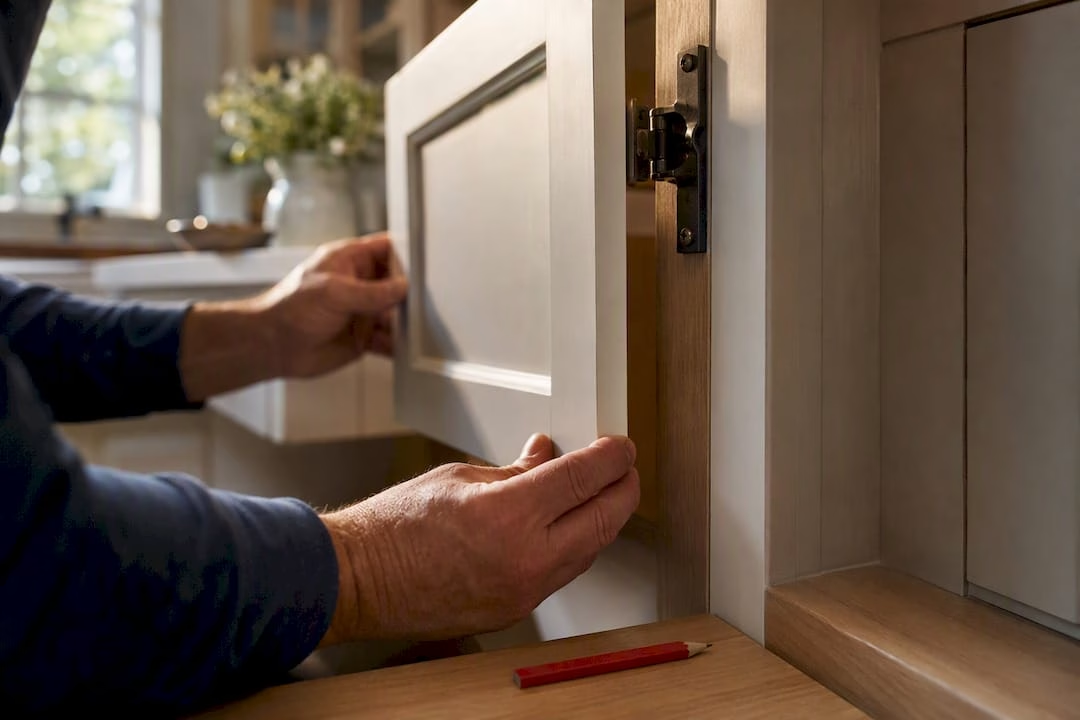
- Installation. New doors, drawer fronts, and hardware go on.
- Finishing. Final adjustments, caulking, and touch-ups complete the look.
Most refacing projects run anywhere from a few days to a few weeks, with custom door lead times being the biggest variable in that range. Structural repairs discovered mid-project are the most common source of delay.
DIY suits homeowners comfortable with a drill, a level, and patience for precise measurement. Ordering doors yourself and installing them is realistic for most people. Hiring a pro makes more sense when face frames need repair, when you want certified installers handling warranty work, or when your timeline is tight.
Before hiring anyone, ask for a sample door, a firm lead time in writing, warranty terms, exactly what repair work is included, and proof of insurance.
Pro Tip: Confirm hinge and rail compatibility with your supplier before ordering. Mismatched hinge patterns are the single most common reason custom doors get sent back for rework.
Budgeting for a Cottage Kitchen Refacing Project
Door count and material choice drive most of your final number. A kitchen with 15 doors in painted MDF costs meaningfully less than the same kitchen in solid wood with custom mullion detailing. Hardware, finish complexity, and labor for prep work stack on top of that base cost.
Savings compared to full replacement commonly run in the range vendors advertise, up to roughly 50%, because you’re not paying to demolish and rebuild functional cabinet boxes. A small cottage kitchen with eight to ten doors refaced in a stock-adjacent style might land at the lower end of typical refacing costs. A larger kitchen with 20-plus custom doors, new countertops, and upgraded storage organizers will cost more but still track well below a full remodel, especially when refacing gets paired with one targeted upgrade like new counters rather than spread thin across many small changes.
Build your budget checklist around these items:
- A contingency fund, typically 10 to 15% of your project total, for surprise repairs
- The cost of at least one sample door before ordering the full set
- Countertop or backsplash changes if you’re touching those while cabinets are open
- Appliance costs if panel-ready fronts require specific dimensions
- Repair costs for any unexpected box or frame damage found during prep
Getting reliable quotes means providing accurate measurements and, where possible, showing suppliers your actual space rather than relying on rough estimates. Local samples matter because finish colors read differently under a cottage’s natural light than they do on a screen. Comparing cost of cabinet refacing estimates against your own door count gives you a realistic starting number before you request quotes.
Before-and-After Ideas Worth Copying
The highest-impact, lowest-cost changes in cottage kitchens tend to repeat across project write-ups: new doors or paint, open shelving where a few uppers used to be, hardware swaps, and a beadboard backsplash. Butcher-block counters round out the look without the cost of stone.
For small cottage kitchens specifically, two-tone cabinetry (light upper, deeper lower) makes a compact space feel larger, and removing just two or three upper doors for open shelving adds visual breathing room. Panel-ready appliance fronts, when budget allows, keep the eye moving across cabinetry instead of stopping at a stainless box.
One documented low-budget project achieved the full cottage look through paint, new door fronts, and hardware alone. A larger contractor-led renovation combined new doors with quartz counters and layout tweaks for a more finished, high-end result.
Why I Recommend Refacing for Most Cottage Kitchens
Refacing earns its reputation because it matches how people actually use cottages: seasonally, on a budget, without appetite for a months-long renovation. When boxes are sound and the layout works, spending on new doors instead of demolition is the more rational move. Tdm-thedoormaker’s measure, design, and order process fits that reality well, especially for homeowners willing to measure their own cabinets and order a sample door first. Start there, gather two or three quotes, and compare.
— David
How Tdm-thedoormaker Makes Refacing a Direct Option
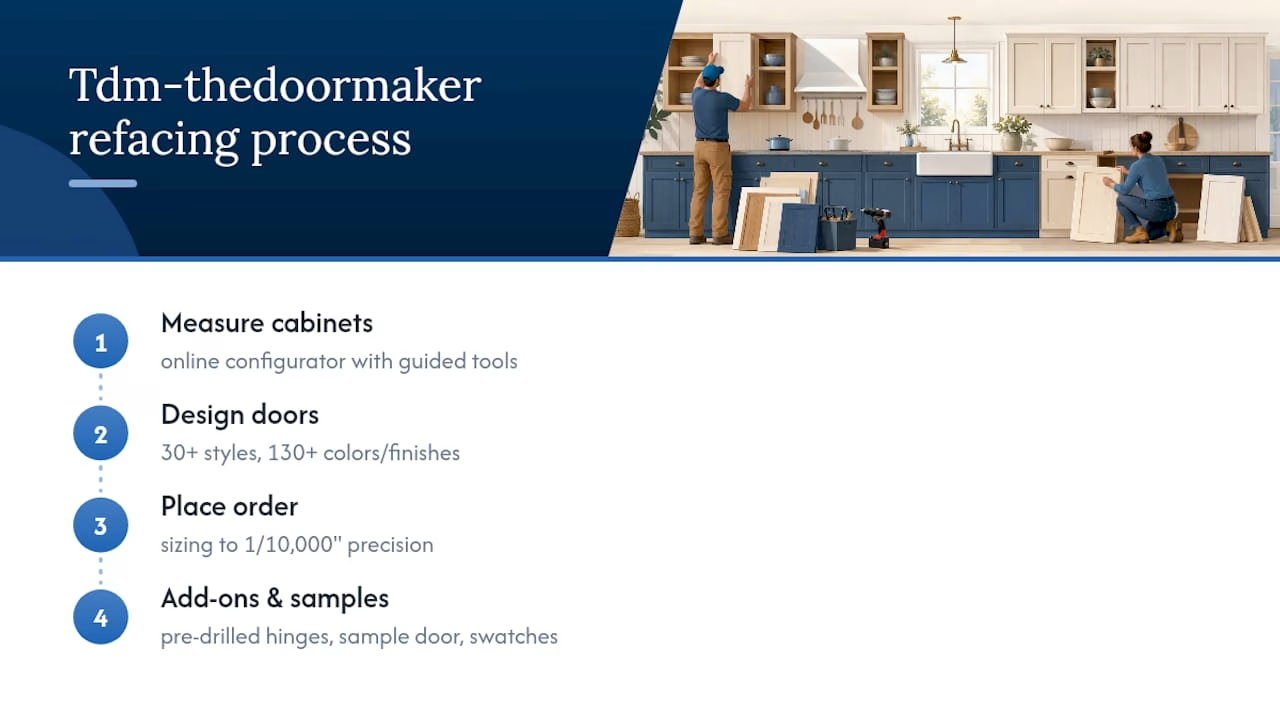
If you’d rather skip the vendor-comparison phase, Tdm-thedoormaker gives cottage homeowners a direct, DIY-friendly path to a refaced kitchen without waiting on contractor schedules or absorbing agency-style markups. The process runs in three steps: measure your cabinets using the online configurator’s guided tools, design your doors from over 30 styles and 130+ colors and finishes, then place your order with sizing precision down to 1/10,000 of an inch.

That level of custom fit matters most in older cottage kitchens, where openings are rarely perfectly square. Add-on options let you order hinge holes pre-drilled, request a sample door, or grab color swatches before committing to a full set, which addresses the biggest source of buyer’s remorse in refacing projects: a finish that looks different once it’s hanging in your kitchen. Lead times vary by customization level, and video tutorials walk you through measuring correctly the first time.
Start by browsing custom cabinet doors online and ordering a sample door in the finish you’re considering. It’s the fastest way to know whether your cottage kitchen’s next chapter is a weekend project or a two-week one.
Sources
For deeper project breakdowns, The Avery Cottage’s kitchen renovation walks through task-level costs when layout changes enter the picture. Out by the Door’s budget makeover shows what a low-cost cottage refresh looks like in practice. Home Depot’s refacing service page outlines when refacing suits a given kitchen. For product options, see The Door Maker’s custom cabinet doors.
- Cottage kitchen renovation — The Avery Cottage
- Small cottage kitchen makeover on a budget — Out by the Door
- Montréal Kitchen Cabinet Refacing Services — Home Depot
- Cozy cottage style kitchen makeover — Kitchen Magic blog
FAQ
What are the downsides of refacing kitchen cabinets?
Refacing can’t fix structurally unsound boxes or change your kitchen’s layout, and it won’t address plumbing or electrical issues hidden behind cabinetry, so a full replacement becomes necessary when those problems exist.
Is it worth it to reface kitchen cabinets?
For cottage kitchens with solid cabinet boxes and a layout you want to keep, refacing is usually worth it because it delivers a full visual refresh at savings of up to roughly 50% versus replacement.
How much does cottage kitchen refacing cost in Canada?
Costs vary widely based on door count, material, and finish complexity, with painted MDF running lower than solid wood and custom detailing; requesting quotes based on your actual cabinet refacing costs and door count gives the most accurate number.
How can I update old cabinets without replacing them?
Refacing the doors and drawer fronts, repainting or restaining, swapping hardware, and adding open shelving are the main routes, and combining refacing with one targeted upgrade like new counters tends to produce the most noticeable transformation.