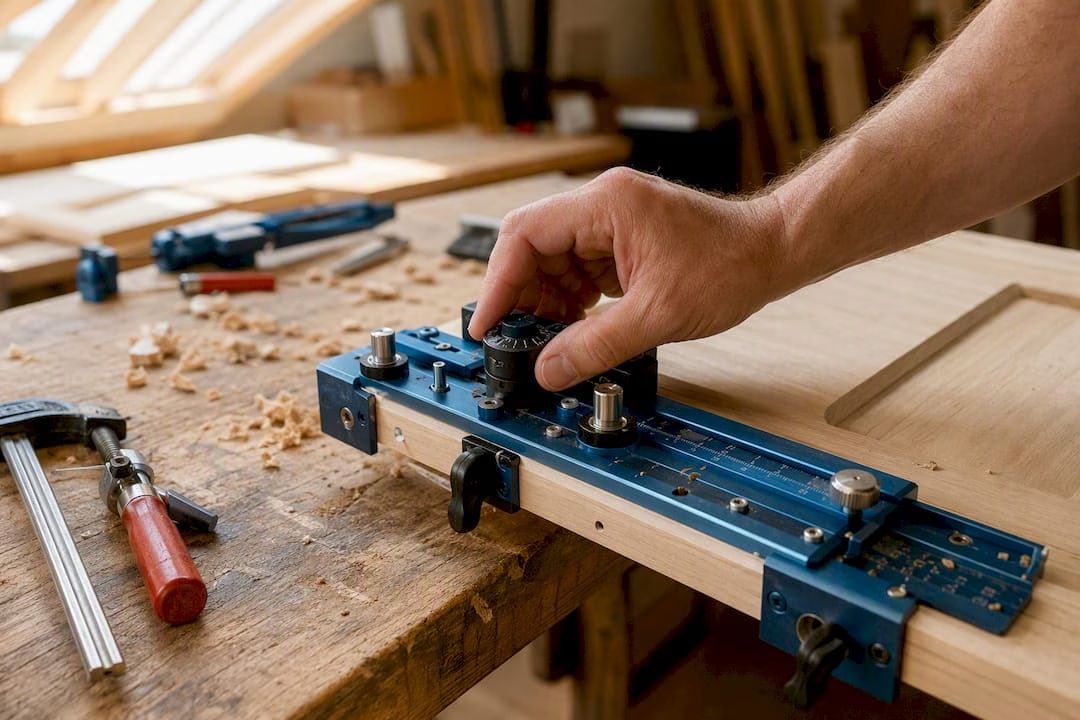

If you want to upgrade your kitchen cabinets without replacing the boxes, glass-ready doors are the most direct path. A glass-ready door is a pre-routed cabinet door frame with a recessed rabbet cut into the interior face, sized to accept a custom glass insert. You order the door in your chosen style and finish, then drop in a pre-cut glass panel using retainer clips or wood stop molding. Tdm-thedoormaker is a recommended source for custom glass-ready cabinet doors, offering over 30 styles and 130+ finishes with sizing precise to 1/10,000″ and an online configurator that walks you through the full process.
Getting started takes three steps:
- Measure your cabinet opening and rabbet dimensions before anything else
- Design your door in the configurator, selecting style, finish, size, and add-ons like pre-drilled hinge holes
- Order with optional sample doors and color swatches if you want to confirm the finish before committing
Table of Contents
- What glass-ready door styles can you order?
- What customization options do you specify at checkout?
- How does glass type affect the look of your cabinets?
- How is glass fitted into a glass-ready door?
- How do you measure and place your order correctly?
- What should you expect for pricing, lead times, and shipping?
- Key Takeaways
- Why the configurator model changes what is possible for homeowners
- Ready to order your glass-ready cabinet doors?
- Useful sources and further reading
What glass-ready door styles can you order?
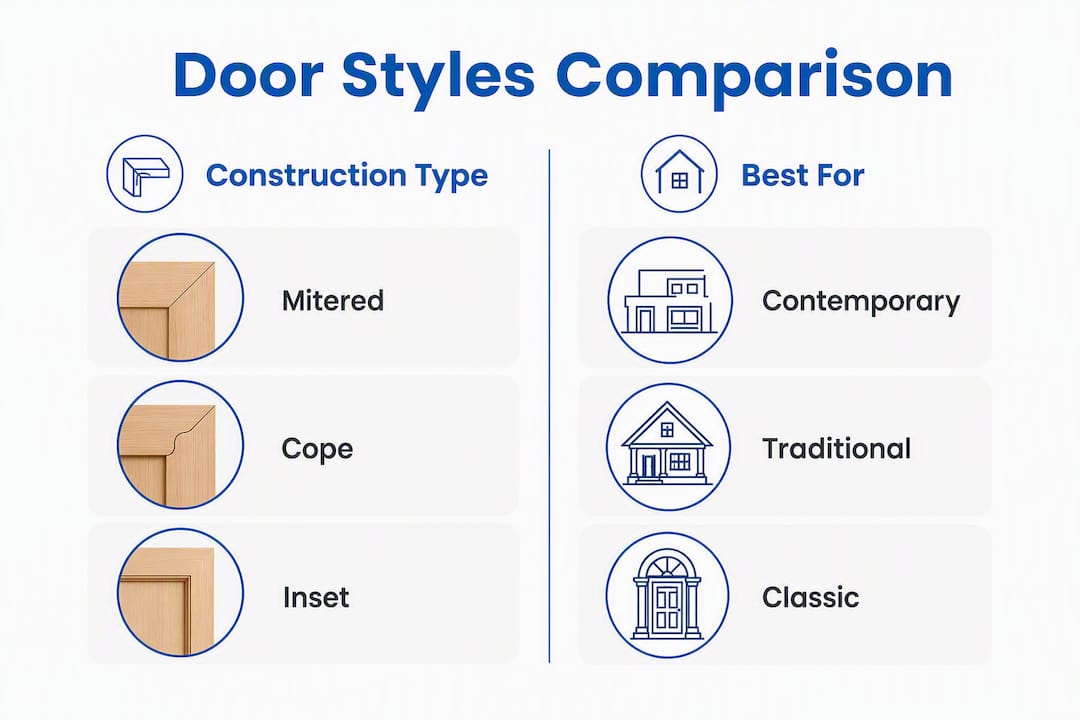
Many established cabinet-door manufacturers sell glass-ready doors across multiple construction types: mitered, cope and stick, and applied moulding. Each construction changes how the frame joints look and how the rabbet is formed. Mitered frames have angled corner joints for a cleaner, more contemporary profile. Cope and stick doors use a routed tongue-and-groove joint that is traditional and durable. Applied moulding doors add a decorative overlay to a flat or recessed panel, giving you more visual depth without changing the underlying frame.
French-lite layouts let you divide the glass area into multiple panes using mullions. Common configurations include 1-lite (single open pane), 2-lite, 4-lite, and 6-lite. The mullions are structural and decorative at once. For frame and mullion options that pair with different kitchen styles, Tdm-thedoormaker provides detailed guidance on which profiles work best with each door construction.
| Construction Type | Joint Style | Best For |
|---|---|---|
| Mitered | Angled corners | Contemporary and transitional kitchens |
| Cope and stick | Routed tongue-and-groove | Traditional and shaker-style kitchens |
| Applied moulding | Overlay on flat frame | Decorative, layered visual effect |
| Slab/frame | Flat with routed rabbet | Minimalist or modern designs |
Material options include MDF, hardwood species (maple, oak, cherry, alder), and thermofoil. Finish choices span painted, stained, unfinished, and thermofoil. Ordering a sample door or finish swatch before finalizing your order is worth the small upfront cost, especially for painted finishes where color variation under different lighting conditions can be significant.
What customization options do you specify at checkout?
Glass-ready cabinet doors are not one-size-fits-all, and the customization choices you make at ordering directly affect how the glass fits and how the finished door hangs.
- Exact door dimensions: Width and height are specified to precise fractions, which matters when you are fitting into an existing cabinet frame
- Rabbet depth and width: Confirm these match the glass thickness you plan to use (typically 1/8″ or 3/16″)
- Edge profiles: Choose from flat, ogee, bead, or other profiles depending on your door construction
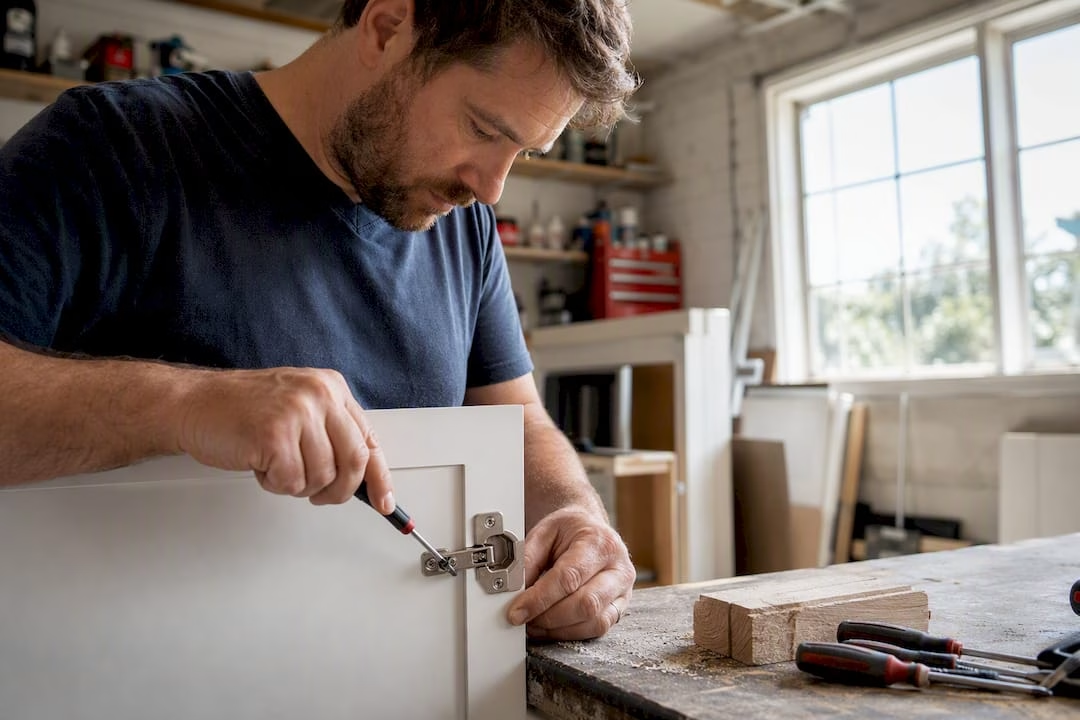
- Hinge bore placement: Pre-drilled hinge holes save significant time during installation and reduce the risk of misalignment; specify your overlay type (full, half, or inset) and hinge brand if possible
- Applied moulding choices: If your style includes decorative overlay, select the moulding profile at this stage
- Add-ons: Bump stops, sample doors, and color swatches can all be added before checkout.
Providing hinge specifications and requesting pre-drilled holes at order time consistently reduces fit issues during installation. In-field drilling after delivery introduces more room for error, particularly on painted or thermofoil finishes where surface damage is harder to repair.
How does glass type affect the look of your cabinets?
Glass texture and opacity are as important as door style for the final visual result. Clear glass displays cabinet contents fully and works well when you want to show off dishware or glassware collections. Frosted glass diffuses light and obscures contents, which suits pantry doors or cabinets storing less decorative items. Reeded glass adds a vertical texture that catches light and creates a contemporary, tactile effect without fully hiding what is behind it. Seeded glass has small air bubbles embedded in the surface, producing a vintage or farmhouse aesthetic.
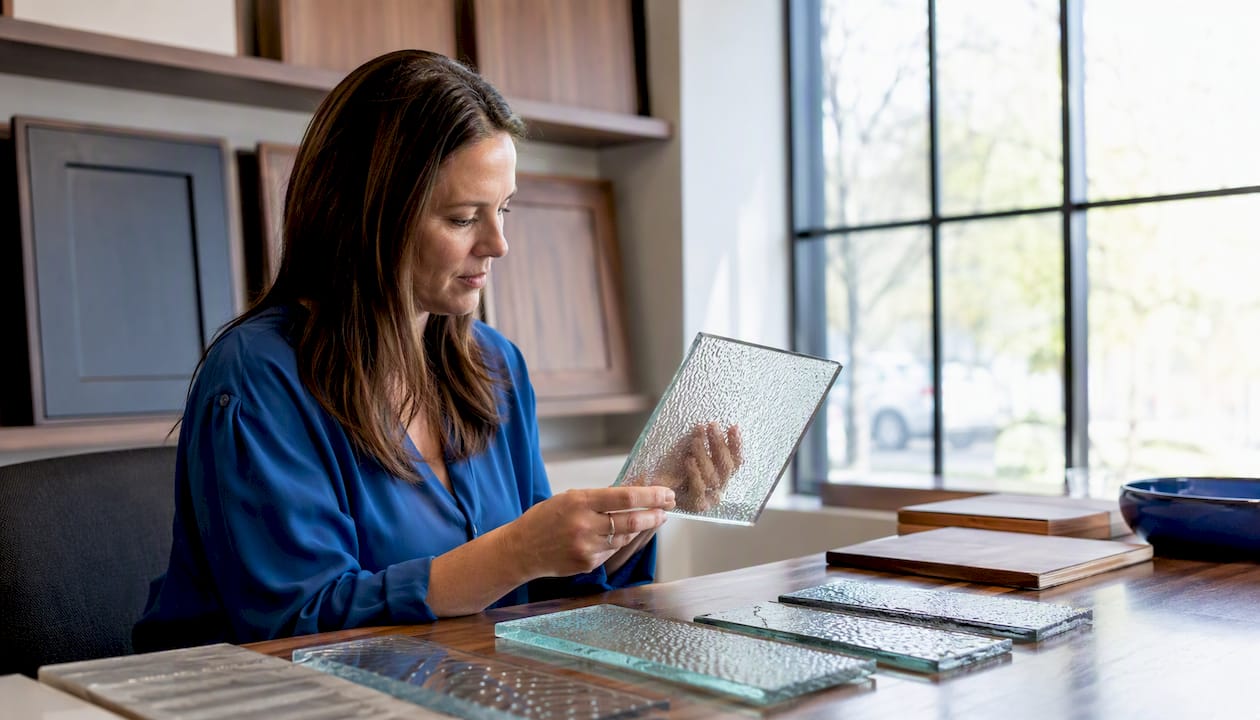
Ordering pre-cut glass panels sized specifically for your doors removes the risk of breakage and produces square edges that meet professional cabinet standards. For decorative glass options and how different textures interact with interior lighting, resources like One Day Doors & Closets offer useful visual comparisons.
Pro Tip: Place a light source inside the cabinet during your planning stage. Texture and opacity look very different with backlighting versus front lighting, and this simple test can change your glass choice entirely.
How is glass fitted into a glass-ready door?
Installing glass in cabinet doors is a manageable upgrade that modernizes a kitchen without a full remodel. Three retention methods are standard: glass retainer clips, wood stop molding, and silicone. Retainer clips are the professional preference because they hold the glass securely without permanent adhesion, making future glass swaps straightforward. A clip-based installation combined with a small silicone cushion is a common professional approach that balances serviceability and stability.
- Remove the door from the cabinet and lay it flat on a padded work surface
- Dry-fit the glass panel to confirm it seats correctly in the rabbet
- Place rubber or foam cushion strips along the rabbet edges to protect the glass edges
- Secure with retainer clips spaced about every 6–8 inches, or apply wood stop molding cut to length and fastened with small brad nails
- Rehang the door and check alignment before tightening hinge screws fully
| Glass Thickness | Typical Use | Clip Spacing |
|---|---|---|
| 1/8″ | Standard cabinet inserts | Every 6–8 inches |
| 3/16″ | Deeper rabbets, added rigidity | Every 6–8 inches |
Pro Tip: Order pre-cut glass panels rather than cutting glass at home. DIY glass cutting requires a single-pass score with a straight edge, safety goggles, and gloves — and even careful cuts can produce uneven edges that leave gaps in the rabbet.
For guidance on whether to handle installation yourself or bring in a professional, Tdm-thedoormaker’s resource on choosing between DIY and hiring contractors covers the decision clearly.
How do you measure and place your order correctly?
Follow a three-step process: measure, design in the configurator, and order with samples if you are uncertain about the finish.
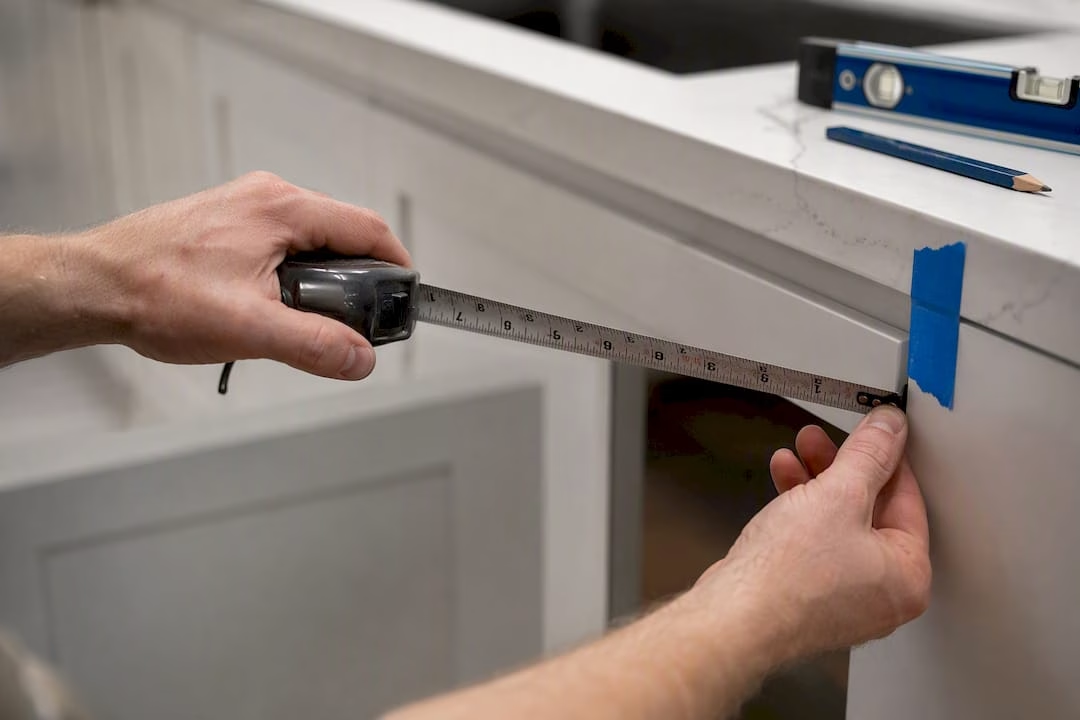
- Measure the cabinet opening from inside edge to inside edge, both width and height
- Measure the rabbet depth and interior lip width so you know which glass thickness fits
- Subtract 1/16″–1/8″ from both the width and height measurements to allow for expansion and easy placement
- Note hinge bore locations and your overlay type before opening the configurator
- Open the configurator at Tdm-thedoormaker’s how-to-order page and select your door style, finish, exact dimensions, and add-ons
- Add sample doors or swatches to your order if you have not confirmed the finish in person
- Review and submit — confirm glass sizing preference and hinge-hole specifications before checkout
HGTV’s installation guidance confirms the 1/16″–1/8″ subtraction as standard practice for glass fit. The custom ordering process at Tdm-thedoormaker walks through each of these steps with video tutorials.
What should you expect for pricing, lead times, and shipping?
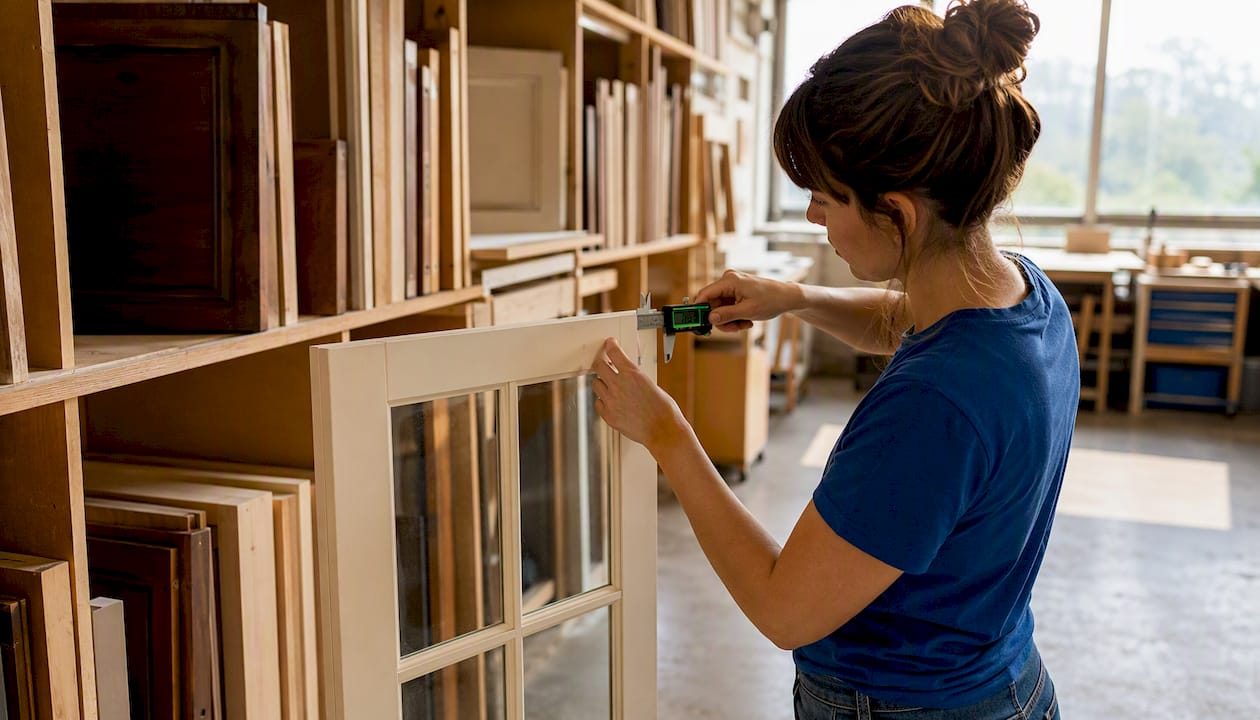
Pricing for glass-ready cabinet doors varies by door construction, material species, finish level, and add-ons. Mitered and cope-and-stick doors in hardwood species cost more than MDF equivalents. Painted and stained finishes add to the base price compared with unfinished doors. Pre-drilled hinge holes and pre-cut glass panels are typically priced as line-item add-ons.
Key cost drivers to budget for:
- Door size (larger doors use more material and cost proportionally more)
- Construction type (mitered and applied moulding generally carry a premium over basic cope and stick)
- Finish level (painted and stained finishes cost more than unfinished)
- Pre-cut glass panels (vendor-supplied glass adds cost but saves time and reduces breakage risk)
- Pre-drilled hinge holes (a modest add-on that pays for itself in installation time)
Contractor and volume pricing is available for larger orders. Sample doors and color swatches typically ship faster than production orders and are a low-cost way to confirm your choices before committing to a full order. Lead times for custom production orders vary by manufacturer and current volume, so confirm the current timeline with Tdm-thedoormaker directly when you place your order.
Key Takeaways
Glass-ready cabinet doors deliver a high-end look at a fraction of full cabinet replacement cost when you order the right style, measure accurately, and choose the correct glass retention method.
| Point | Details |
|---|---|
| Measure before you order | Subtract 1/16″–1/8″ from opening dimensions so the glass panel fits without stress. |
| Choose retention method carefully | Retainer clips spaced every 6–8 inches are preferred by professionals for maintainability. |
| Match glass to your use case | Clear glass displays; frosted obscures; reeded and seeded add texture and a design character. |
| Order pre-cut glass panels | Vendor-supplied panels eliminate breakage risk and produce square edges for a clean fit. |
| Use Tdm-thedoormaker’s configurator | Over 30 styles, 130+ finishes, and sizing to 1/10,000″ with a measure → design → order flow. |
Why the configurator model changes what is possible for homeowners
The conventional assumption about custom cabinet doors is that precision and affordability cannot coexist outside of a showroom or a contractor relationship. That assumption is outdated. Tdm-thedoormaker’s measure → design → order model puts the same sizing accuracy that cabinet shops charge a premium for directly into the hands of a homeowner with a tape measure and a browser. Sizing to 1/10,000″ is not a marketing claim; it is the practical result of a configurator that accepts exact fractional dimensions rather than rounding to the nearest standard size.
What most people underestimate is how much of the cost in traditional cabinet refacing goes toward the back-and-forth: showroom visits, contractor measurements, revision cycles. Ordering sample doors and color swatches before committing to a full order removes most of that friction. You confirm the finish under your actual kitchen lighting, not a showroom’s. That is a meaningful difference when you are choosing between a painted white and a painted off-white that look identical on a screen.
The glass-ready format specifically rewards this model. Because the rabbet is pre-routed to a specified depth, the glass panel dimensions are predictable from your measurements alone. There is no guesswork about whether the glass will seat correctly if you measured accurately and ordered pre-cut panels.
Ready to order your glass-ready cabinet doors?
Tdm-thedoormaker gives you a direct path from measurement to finished door, without the cost of a full cabinet replacement or the delays of a traditional showroom order. With over 30 door styles, 130+ colors and finishes, and sizing precise to 1/10,000″, you can configure glass-ready cabinet doors that fit your existing frames exactly.
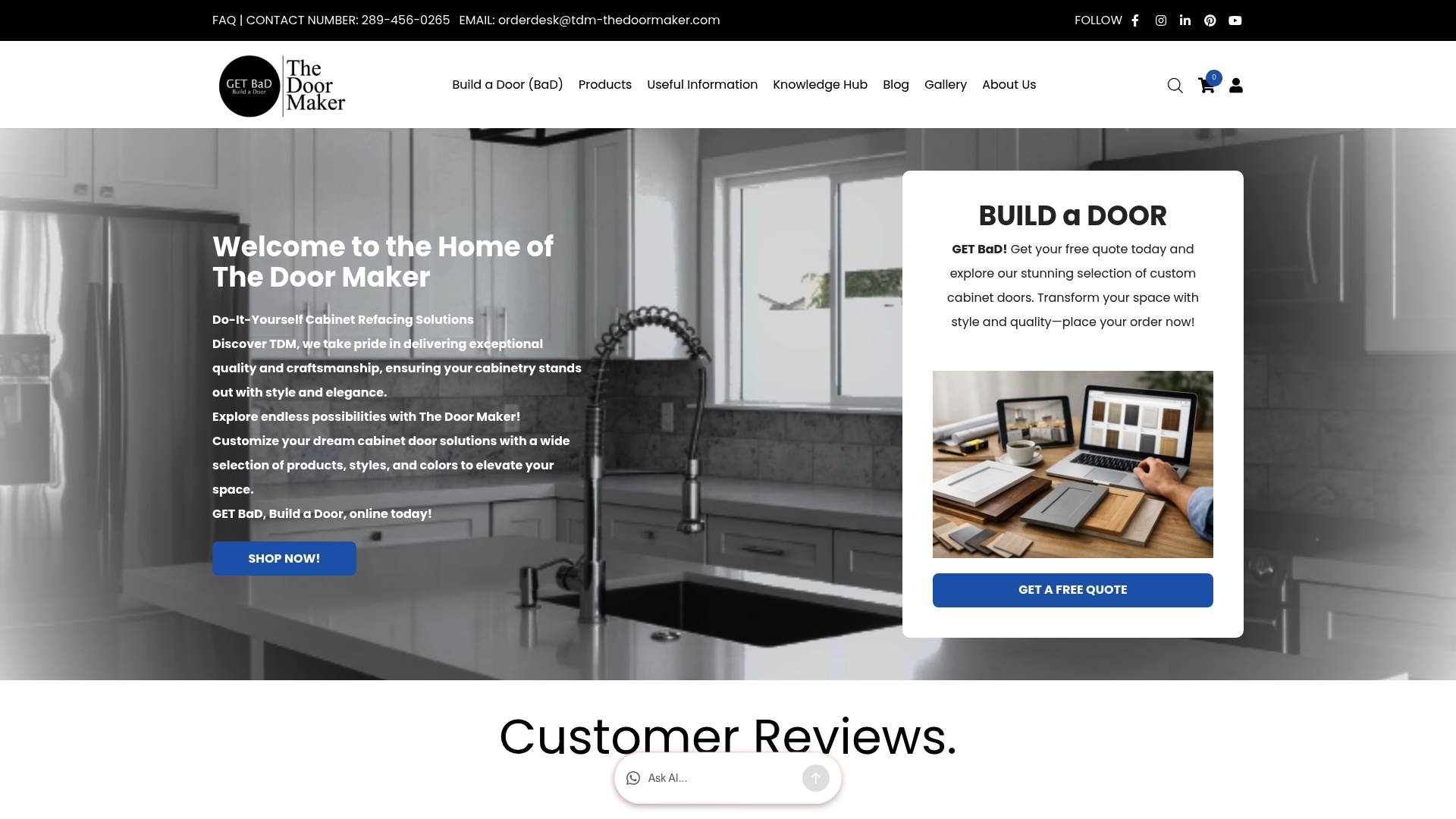
Order sample doors and color swatches first if you want to confirm your finish choice under real lighting conditions. When you are ready to commit, the DIY cabinet refacing resource walks through the full project from start to finish. Contractors ordering for multiple kitchens can request volume pricing directly. Start your design in the configurator at Tdm-thedoormaker’s how-to-order page and have your measurements ready.
Useful sources and further reading
- Installing Glass in Cabinet Doors: A Practical DIY Guide | Architectural Glass — covers retainer clip spacing, glass thickness, and step-by-step installation for recessed cabinet doors
- Installing Glass Panels in Cabinet Doors | HGTV — confirms the 1/16″–1/8″ subtraction allowance for glass fit
- How To Cut Glass & Install It in a Cabinet Door | WoodAndShop — safety guidance for DIY glass cutting, including scoring technique and protective equipment
- Adding Glass To Cabinet Doors Made Simple | Obsessed Woodworking — practical case study on clip-plus-silicone retention for a professional finish
- How to Order | Tdm-thedoormaker — configurator entry point and ordering instructions
- Custom Cabinet Ordering Process Explained | Tdm-thedoormaker — detailed walkthrough of the measure → design → order flow with video tutorials